
Ever wondered why two similarly specced TVs can look worlds apart? For 2025, the answer goes beyond either resolution or HDR format; it’s about nuanced engineering choices from panel technology to the speed of the smart OS. The challenge for the tech-savvy shopper and home theater enthusiast alike is sifting through the marketing din to find a set that can actually deliver on both performance and value.
Over several months, dedicated testers put this year’s standout models through their paces. The result is a handpicked selection of the best TVs for picture quality, gaming responsiveness, smart features, and design. From OLED perfection to QLED brightness, and even an affordable balance, these picks reveal what’s truly worth your living-room space.
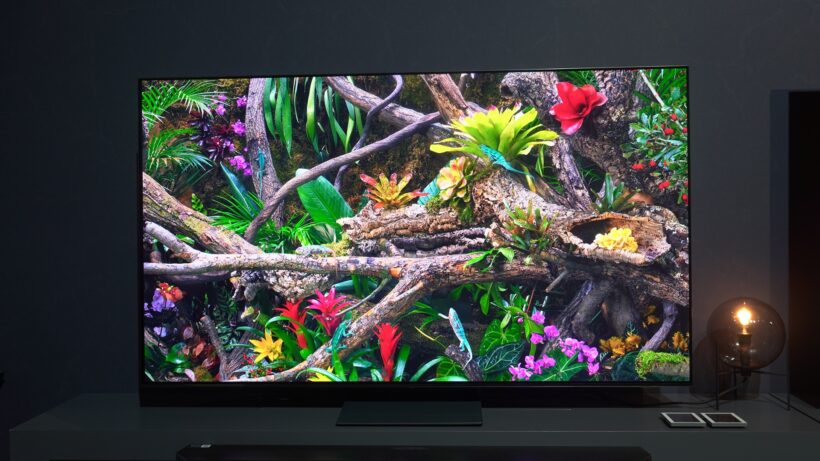
1. Samsung S90F: the sweet spot QD‑OLED
The Samsung S90F earns its spot as the best overall TV by combining QD‑OLED’s pixel‑level contrast with Quantum Dot color volume. Reviewers measured a peak HDR brightness of about 1,460 nits, giving explosions and sun flares a cinematic punch. The wide viewing angles mean every seat gets the same vivid image, while gamers benefit from up to 144Hz refresh rates with VRR support. Its anti‑reflective coating is on par with some pro‑grade glass, keeping glare nicely in check even in very bright rooms.
The Tizen OS offers deep app support and extras like Xbox Cloud Gaming, though menu navigation can feel sluggish. Dolby Vision is absent, but HDR10+ and HLG are well‑handled. For sizes 55–77 inches, the QD‑OLED panel delivers richer colors than standard WOLED variants, making mid‑size models the sweet spot.
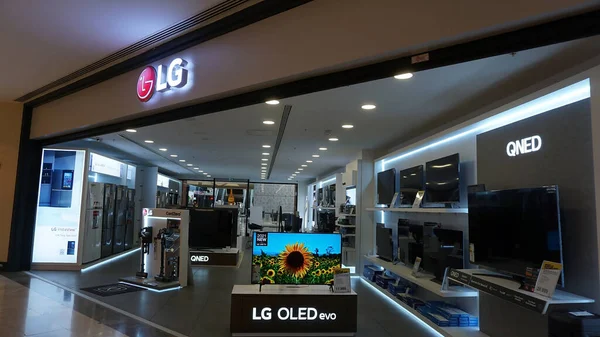
2. LG G5: Brightest OLED Yet
The RGB tandem panel in LG’s G5 pushes OLED into new territory, layering two OLED light‑emitting structures. That design delivers up to 2,350 nits peak brightness in a 10% HDR window and maintains luminance well for very large scenes. Color gamut coverage reaches 96.25% DCI‑P3, with saturated greens and blues remaining nicely vivid at high brightness.
Its gallery‑style design mounts flush to the wall, and motion handling via the Alpha 11 Gen2 processor is silky smooth. Gaming mode delivers 4K at 144Hz on PC and ALLM, VRR compatibility with Nvidia G‑Sync and AMD FreeSync Premium. Downsides include no DTS passthrough and a voice‑assistant feature that frustrates more than it helps, but for pure picture performance, the G5 is unmatched.
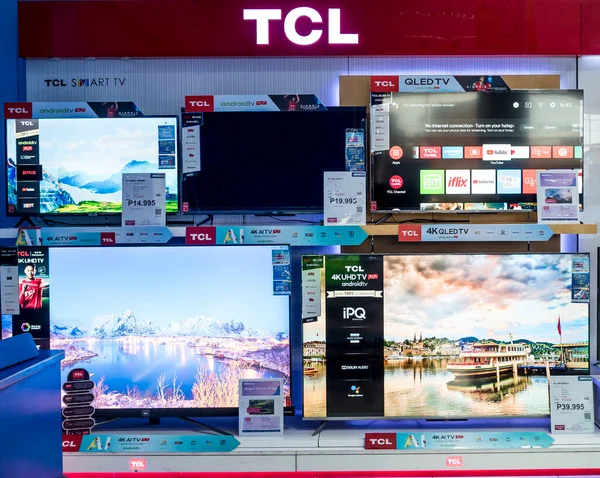
3. TCL QM6K: Budget Mini LED Standout
At around $650 for a 65‑inch model, TCL’s QM6K offers some features rare in its price tier: Mini LED backlighting with local dimming and quantum dots. Peak HDR brightness reaches 736 nits in larger window tests, enough for impactful highlights. Blooming is minimal, and colors are well‑saturated.
Gaming gets a boost from 144Hz support and smooth navigation through Google TV. Black levels aren’t as deep as on pricier QLEDs, and viewing angles lag behind OLED, but for a starter home‑theater setup, the QM6K supplies premium backlight tech without the premium price.
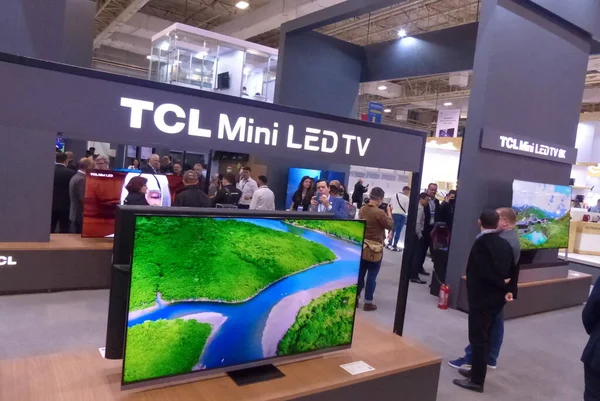
4. TCL QM7K: Midrange Brightness Champion
The QM7K steps up from the QM6K with over 2,500 dimming zones and a peak brightness around 3,000 nits so intense that testers dialed it back for comfort. Halo suppression is excellent for an LED, and off‑angle viewing is improved. HDR formats include Dolby Vision, HDR10+, and HLG.
Google TV runs snappily, and the Game Bar lets players tweak shadow detail for competitive shooters. Color accuracy is adequate out of the box, with professional calibration recommended for perfection. For bright rooms, the QM7K’s glare‑beating luminance makes it a midrange star.
5. Samsung S95F: Matte‑Screen Alternative
For those fighting ambient light, Samsung’s S95F offers QD‑OLED performance with a matte finish that cuts reflections dramatically. Colors can sometimes look a bit richer than the S90F in certain content, though peak brightness is a little lower. The trade‑off is elevated blacks in bright rooms, but in tricky lighting, the matte coating can be a game‑changer.
6. LG C5: Midrange OLED Contender
LG’s C5 comes very close to the S90F in terms of OLED contrast and motion clarity, but without quantum dots on most sizes it can’t quite match color brightness. Pricing is often similar to the Samsung, which makes the S90F a slightly better value, but if you prefer LG’s webOS interface-or want Dolby Vision, for that matter-the C5 is a great option.
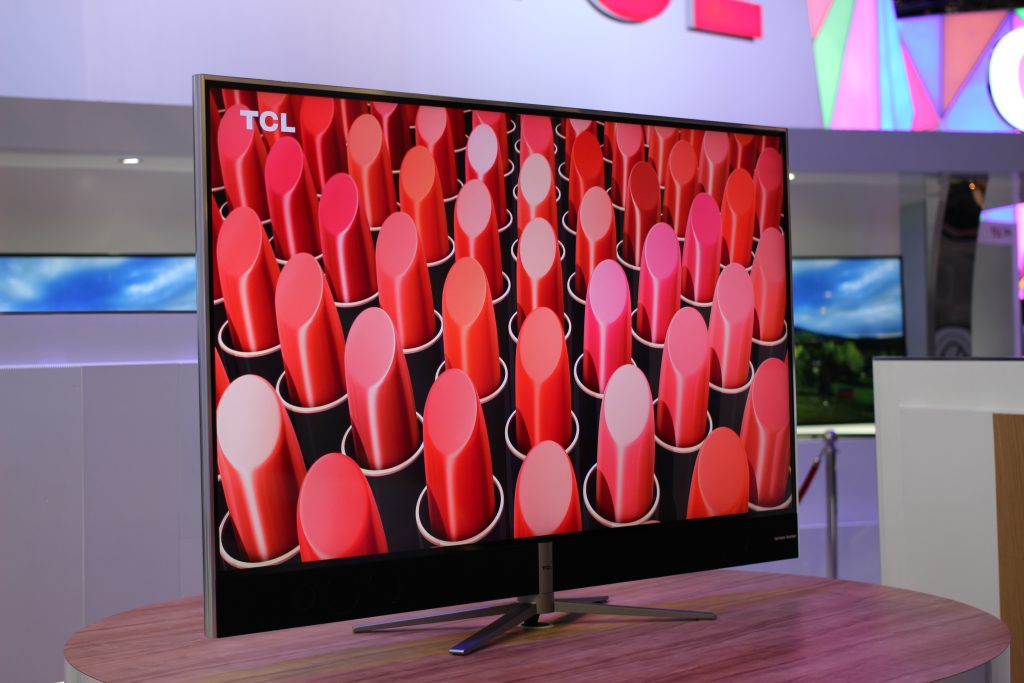
7. TCL QM8K: Flagship QLED Muscle
The QM8K represents the top QLED effort from TCL, marrying high brightness with precise contrast control. It’s competitive with premium LEDs from other brands, even though OLED rivals still win on pixel‑level blacks. For viewers in sun‑lit spaces, the QM8K’s luminance and HDR punch make it a compelling alternative.
8. Hisense U8QG: High‑Brightness Value
Hisense’s U8QG takes Mini LED brightness even further, peaking over some TCL models, and provides a refresh rate of 165Hz. Color tuning tends toward oversaturated reds, but for sports and vivid content, that may be a plus. A couple of limited HDMI ports and some minor color imbalances are trade‑offs for its aggressive pricing.
9. Samsung Frame Pro: Design‑First Choice
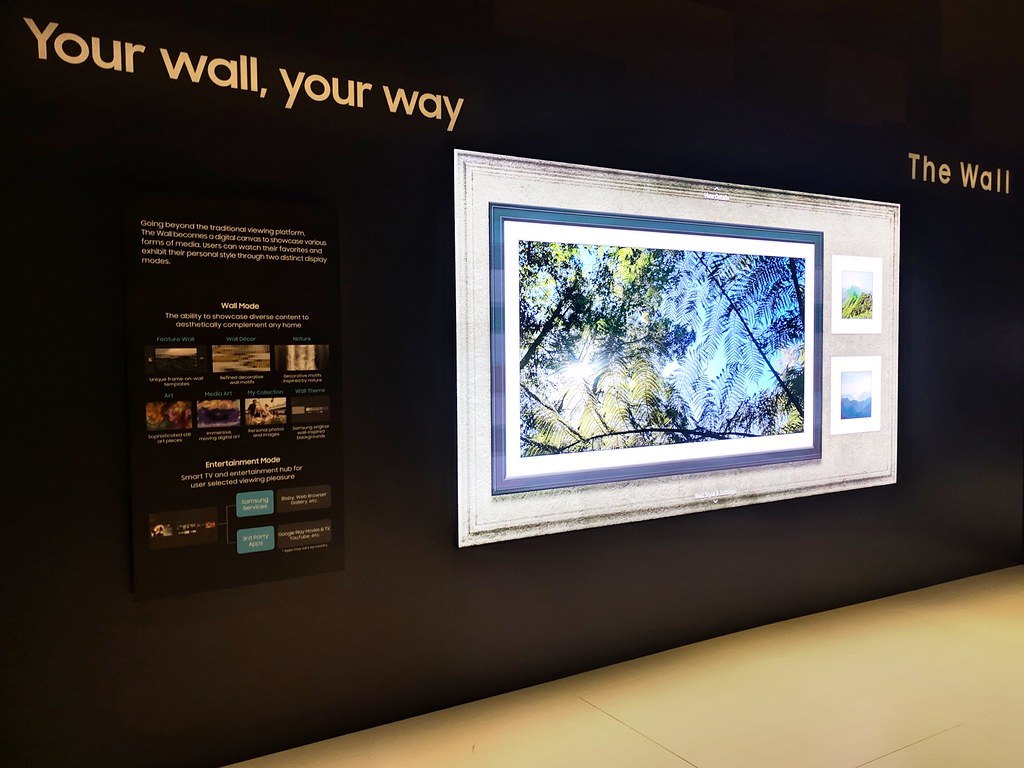
Featuring a matte, canvas-like screen, flush mount, and interchangeable bezels, the Frame Pro turns a TV into wall art. Edge-lit local dimming and a wireless connection box improve picture quality over the already good Frame. It’s not as good as the S90F or G5 for cinematic viewing, but for style-driven buyers, it mixes décor and display in just the right proportions.
In 2025’s crowded TV market, standout models are distinguished by the engineering choices that directly impact real-world viewing-such as LG’s tandem OLED brightness, TCL’s zone-dense Mini LED control, or Samsung’s anti-reflective mastery. Matching these strengths to your space, content habits, and budget ensures you get more than just specs that impress-you get a display that transforms how you watch, play, and live.


