
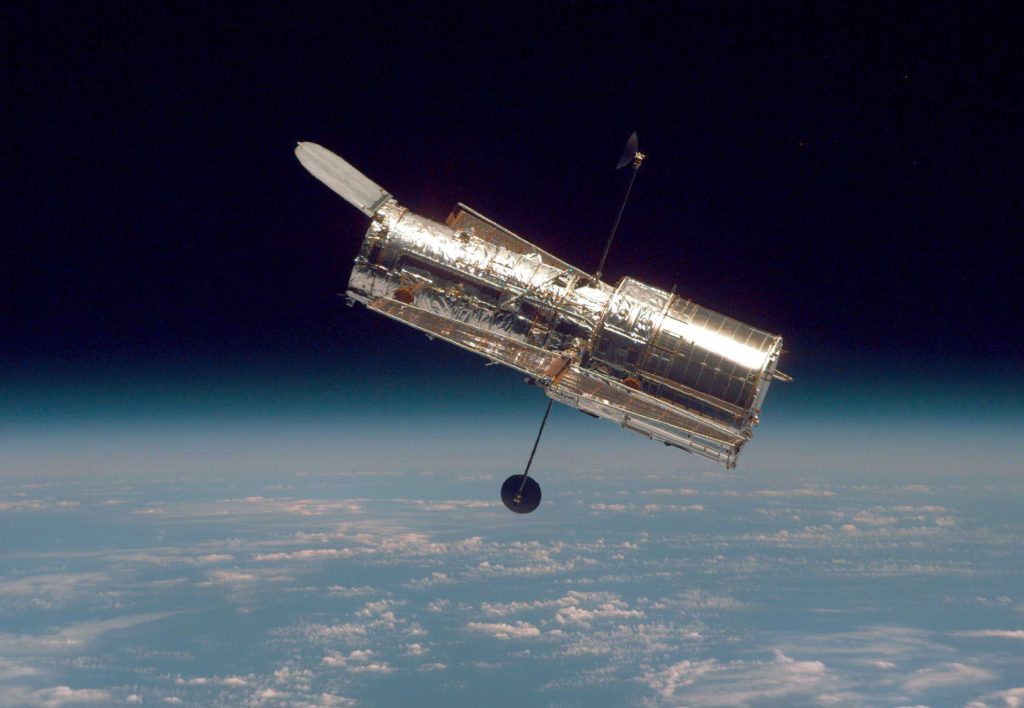
“The age of pristine cosmic imagery is ending not because of failing instruments, but because Earth’s own technology is flooding the skies with unwanted light. A rapidly expanding population of satellites in low-Earth orbit is now contaminating astronomical data from even the most advanced space telescopes. What once was a minor nuisance has escalated into a severe threat, according to simulations that show some observatories could see as much as 96% of their images disrupted during the next decade.
1. The Scale of Orbital Crowding
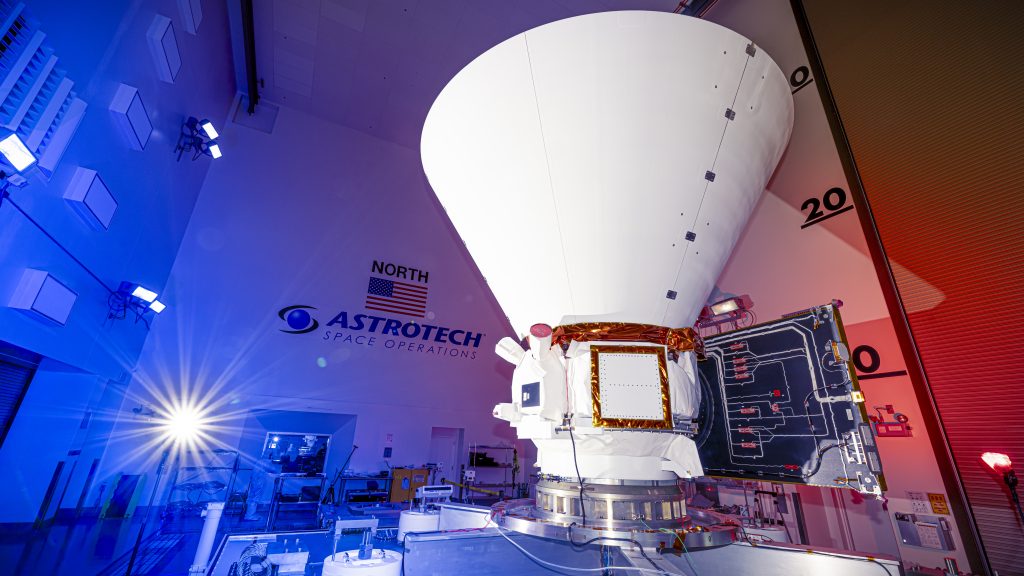
The number of satellites has exploded from about 5,000 in 2019 to over 15,800 today, according to the European Space Agency, and if current launch plans go ahead, that total could rise to 560,000 by the 2030s. NASA’s study, headed up by Alejandro Borlaff, modelled the impact of these megaconstellations on four major space telescopes: Hubble, SPHEREx, China’s Xuntian, and ESA’s ARRAKIHS.
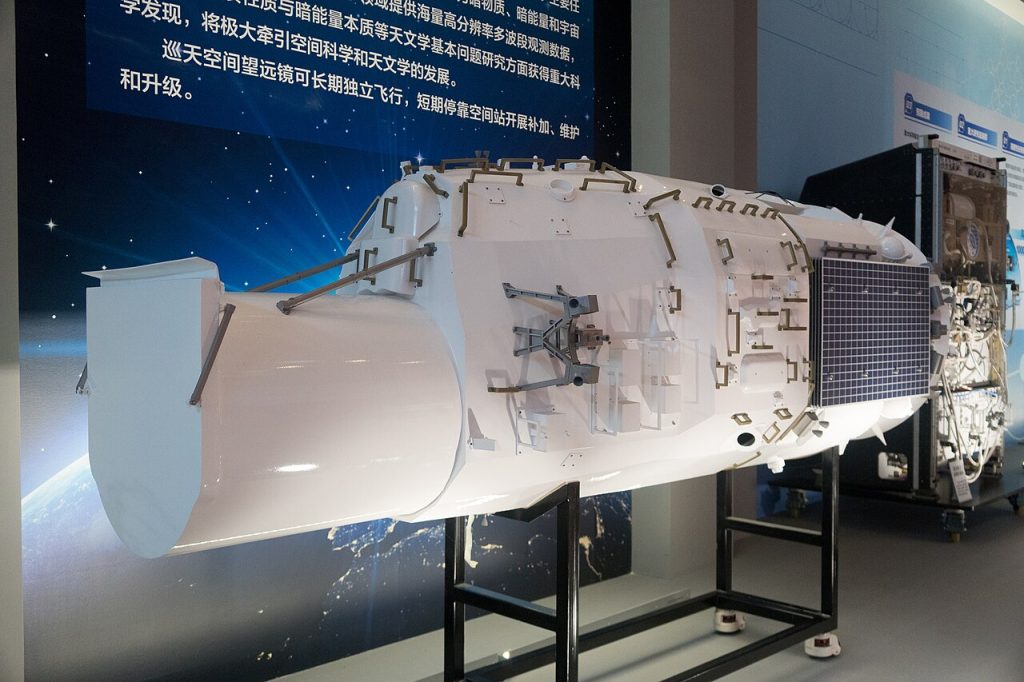
The results are stark – Hubble could average 2.14 satellites per exposure, while Xuntian’s wide field of view at 450 km altitude could capture 92 satellites in a single image.

2. How Satellite Trails Damage Astronomy
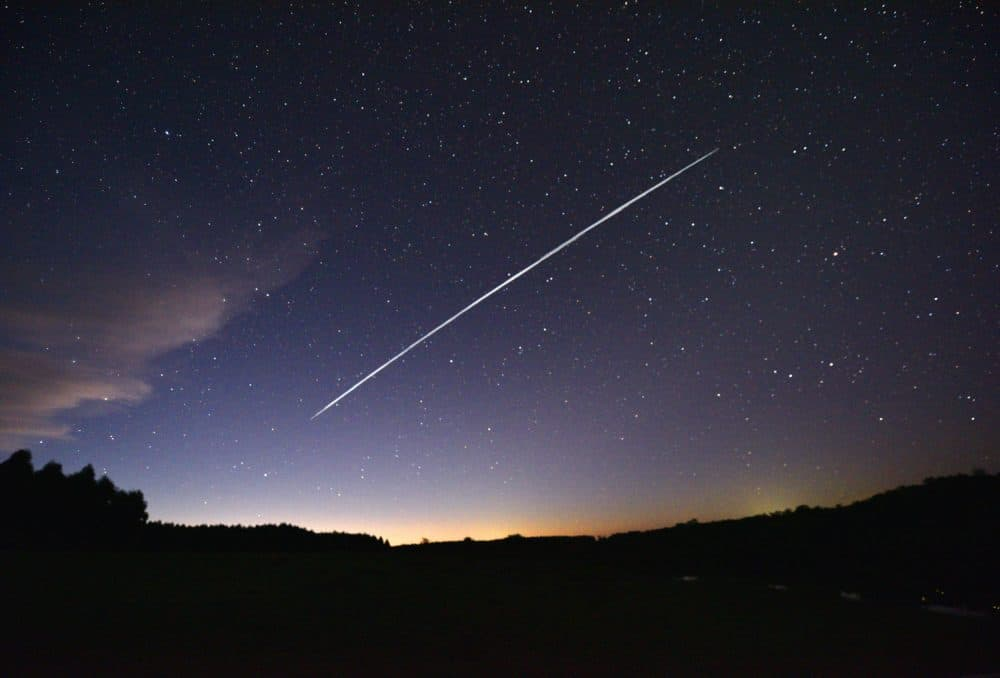
Satellites reflect sunlight, moonlight, and Earthshine, causing bright streaks across telescope detectors. These streaks may mask faint astrophysical signals, such as the minute dimming of a star that reveals an exoplanet. Once a trail crosses a target, “the information under those pixels is forever lost,” Borlaff warns. Contamination is especially perilous in the detection of hazardous asteroids, whose streaks can appear almost indistinguishable from those of satellites, rendering their identification problematic.
3. Technical Design Challenges for Low-Reflectivity Satellites
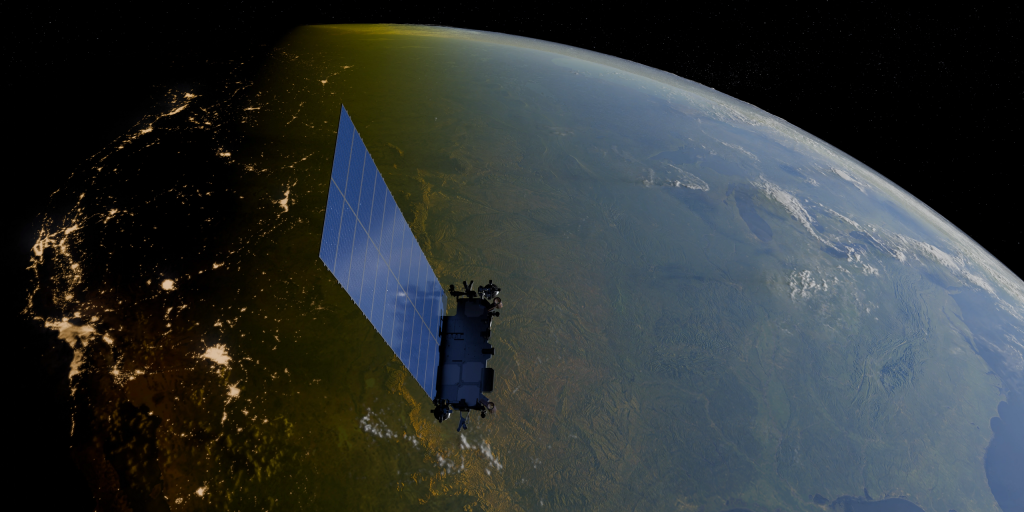
The effort towards reducing optical brightness has included dark coatings and deployable visors, like SpaceX’s “DarkSat” and “VisorSat.” These methods can reduce visible magnitude from about 4.6 to 6, but they also introduce thermal complications: Darker surfaces absorb more heat and increase infrared emissions that interfere with infrared telescopes like SPHEREx. Changes in orientation also matter: Spacecraft oriented to reduce glare over the ground sometimes pose larger reflective surfaces to space telescopes.
4. Orbital Altitude and Visibility Windows
Putting satellites lower than 600 km would reduce visibility because they would have much more time in Earth’s shadow. But there is a trade-off: the increased atmospheric drag reduces the lifetime of the satellites, and frequent reentries may release aluminium oxide particles that could damage the ozone layer. Higher-altitude constellations stay illuminated for longer, contaminating images at midnight. Xuntian is thus the most at risk, while Hubble’s narrower field of view reduces, but does not remove, the problem.
5. Image-Processing Countermeasures
Astronomers are developing a series of software tools to detect and remove the trails of satellites from data. Techniques under study include masking contaminated pixels and reconstructing the missing information using statistical models. However, none of these methods can recover lost astrophysical detail, and in large surveys, systematic errors may grow and accumulate. For wide-field missions like ARRAKIHS, where trails can cover over 4% of the field of view in extreme congestion scenarios, processing alone will not be adequate.
6. Orbital Debris and Congestion Modeling
Beyond light pollution, the sheer number of satellites increases collision risks and debris generation. Modeling of low-Earth orbit congestion shows that dense constellations complicate avoidance maneuvers both for telescopes and satellites. Derelict spacecraft can tumble, reflecting light unpredictably, whereas debris fragments-though small-can also generate detectable trails. Precise orbital data is crucial to maintain; for Hubble to predict a trail at 0.05 arcsec resolution, the accuracy of satellite position has to be within 3.5 cm, well beyond the 1 km precision of current tracking formats.
7. Coordinated Mitigation Strategies
For instance, the International Astronomical Union recommends that reflectivity be minimized; the orientations of satellites should be controlled to prevent flares; and that detailed surface and orbital data need to be passed on to astronomers. Industry and science must coordinate. SpaceX has been more involved in early mitigation, while others lag. Strategies to avoid satellites in space observing when there are fewer overhead become less effective with an increase in orbital density. Long-term solutions may require regulating orbital layers to protect sensitive instruments.
8. The Urgency of Action
Borlaff makes the point that “there has to be an optimal way to place constellations and space telescopes so we can coexist sustainably.” The window for action is closing quickly, though: with next-generation superheavy launchers like Starship and New Glenn about to make mass deployment cheaper and faster, the number of satellites could increase by two orders of magnitude. If left unaddressed, the night sky for space telescopes will be permanently altered, and humanity’s capacity to study faint, distant phenomena will be severely compromised.


