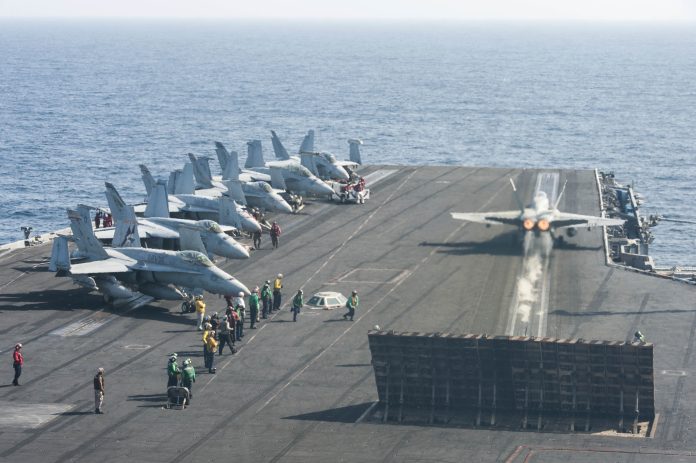
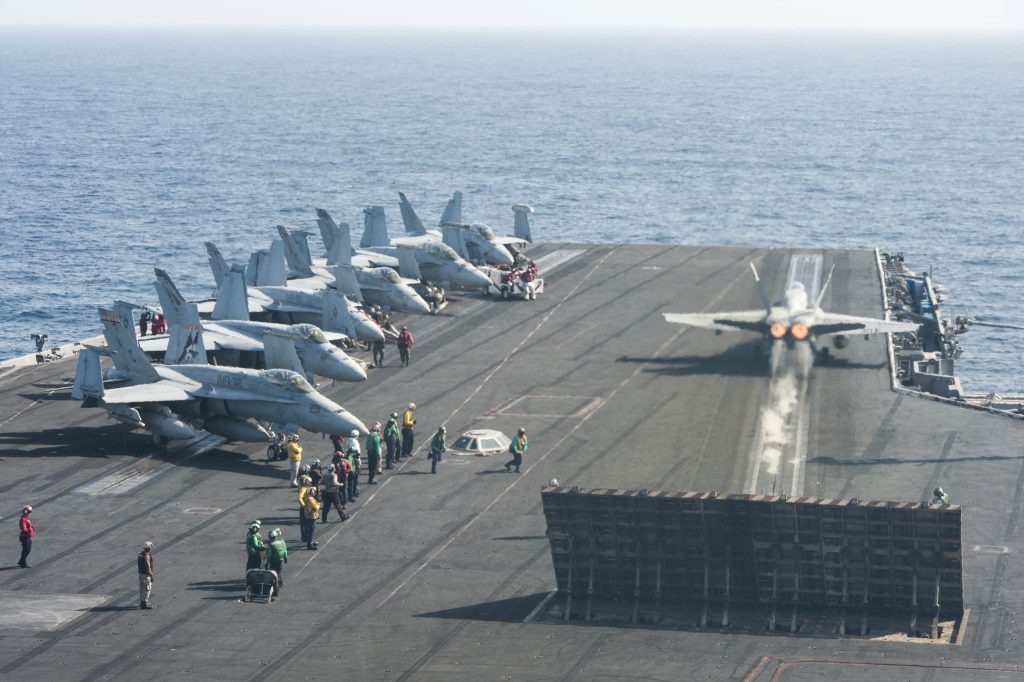
“Losing three aircraft is a huge deal. The norm is 0 to 1, ” retired Navy Cmdr. Kirk Lippold told Task & Purpose. That stark assessment framed one of the most troubling US carrier deployments in recent years – a nine-month combat tour in the Red Sea where the USS Harry S. Truman faced relentless Houthi missile and drone attacks but also suffered a string of entirely preventable mishaps.
Between December 2024 and May 2025, the Truman Strike Group lost three F/A-18 Super Hornets and collided with a merchant vessel. Investigations found a web of leadership failures, equipment breakdowns, training gaps, and communication lapses-all unfolding under the intense operational tempo of sustained combat.
This list breaks down the most striking failures and technical breakdowns from that deployment, offering a clear view on how small lapses in readiness can cascade into multimillion-dollar losses and near-catastrophic incidents.

1. Friendly Fire From USS Gettysburg
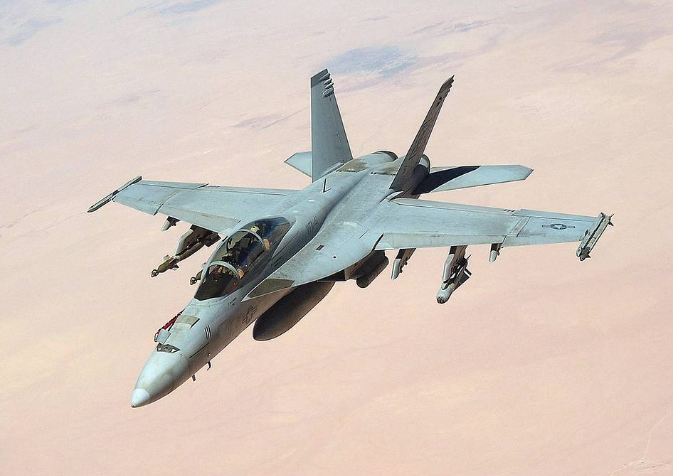
On Dec. 22, 2024, the Ticonderoga-class cruiser USS Gettysburg misidentified two returning F/A-18F Super Hornets as enemy anti-ship cruise missiles and fired two SM-2 interceptors. One jet was destroyed; the other narrowly avoided being hit when the second missile was deactivated mid-flight. The investigation found the captain’s decision to engage was “neither reasonable nor prudent” and traced the failure to a lack of integrated training, malfunctioning Identification Friend or Foe systems, and poor cohesion across the strike group. Equipment deficiencies and watchstander inexperience compounded the misidentification, while superior officers failed to override the launch order.
2. Missile Evasion That Sent a Jet Overboard
On April 28, 2025, the Truman executed an unannounced evasive turn to avoid an incoming medium-range ballistic missile fired by Houthi forces. In the hangar bay, a move crew had just removed chocks and chains from an F/A-18E to reposition it. The jet’s brakes, already compromised, failed completely. The aircraft and its tow tractor rolled backward and plunged into the Red Sea. Investigators cited brake system failure, ineffective non-skid coating last replaced in 2018, and insufficient communication between the bridge, flight deck, and hangar bay as key factors. A sailor escaped the cockpit seconds before the drop, sustaining only minor injuries.
3. Arresting Gear Failure During Landings
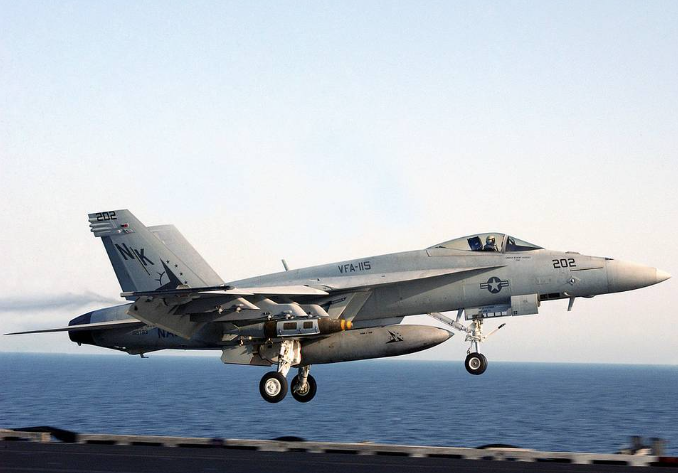
On May 6, 2025, an F/A-18F attempting to land aboard Truman hooked the #4 arresting wire – which failed catastrophically. A missing washer in the #4 starboard sheave damper assembly allowed a clevis pin to back out, leading to structural failure. The jet careened off the deck into the sea; both crew ejected safely. The probe found substandard maintenance practices, inadequate training, low manning, and ignored warning signs such as a flickering “ready” light. Quality assurance oversight was minimal, with only one of three required positions filled. Rear Adm. Sean Bailey called the mishap “entirely preventable.”
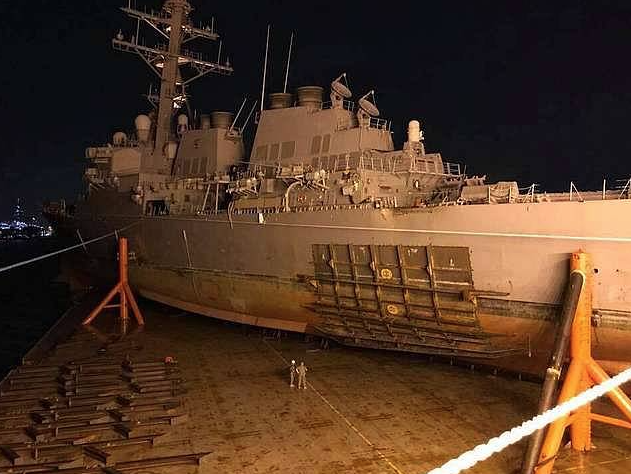
4. Collision With Merchant Vessel Besiktas-M
On Feb. 12, 2025, near Port Said, Egypt, Truman collided with the merchant ship Besiktas-M while transiting toward the Suez Canal. Investigators cited “poor seamanship,” ineffective bridge resource management and abdication of navigational responsibility by the commanding officer and navigator. The impact tore into a sponson and hull plating; eight sailors were within 10 feet of the strike point. The report compared the near miss to the fatal 2017 USS Fitzgerald and USS John S. McCain collisions, warning a slightly different angle could have pierced a berthing compartment holding 120 sailors.
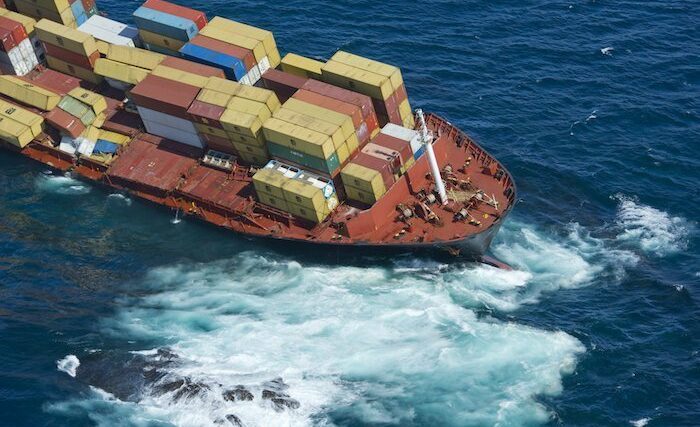
5. Houthi Naval Threats in the Red Sea
The Truman Strike Group operated in one of the world’s most dangerous maritime zones. Houthi forces have carried out at least 40 documented naval attacks, including anti-ship missile strikes, remote-controlled suicide boats, and naval mines. Many of these weapons-the C-802 missile and “Blow Fish” drone boats-are thought to be supplied or engineered with Iranian support. During the Truman deployment, crews often confronted ballistic missiles, cruise missiles, and one-way attack drones while protecting key shipping lanes.

6. Integration and Training Shortfalls
Before deployment, a planned 10-day integrated group sail for the strike group’s warfare commanders was cut to two days due to an oiler shortage. This left key units, like Gettysburg, with limited time to practice coordinated air defense. Thus, during combat operations in December, some crews did not clearly understand mission timing, threat responses, and return-to-force plans. These investigations emphasized that reduced time in pre-deployment training degraded interoperability and led directly to miscommunications during high-pressure engagements.
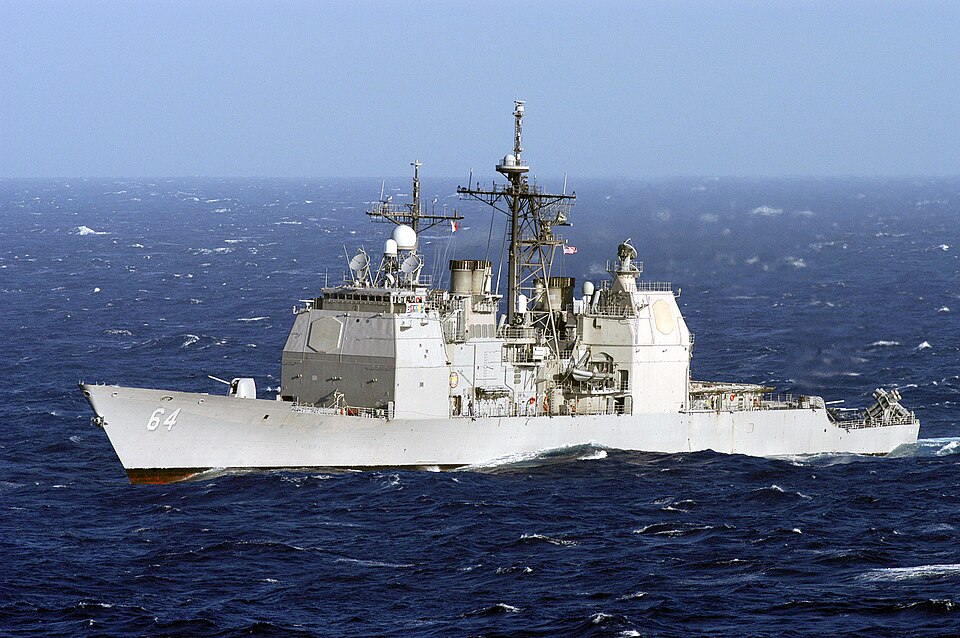
7. Combat Systems Equipment Deficiencies
The material deficiencies of Gettysburg’s air defense suite included faulty Identification Friend or Foe and Precise Participant Location and Identification systems. These failures created conditions under which the ship could not reliably track friendly aircraft, increasing the risk of misidentification. Following the friendly fire incident, the Navy invested more than $55 million in Aegis Combat System software corrections to prevent recurrence. The case underscored how even advanced warships can be hamstrung by unreported or unresolved technical faults.
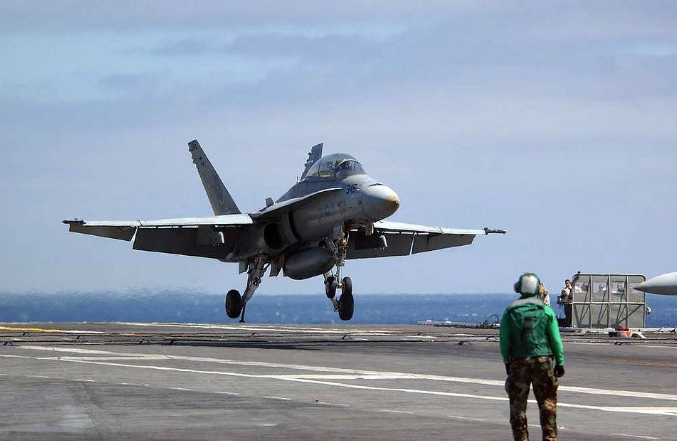
8. Fatigue and High Operational Tempo
The Truman Strike Group experienced a grueling, 52-day continuous flight operations tour in Operation Rough Rider. Manning shortfalls-with the Navy acknowledging 18,000 at-sea billets went unfilled-forced sailors into extended shifts, often switching from day to night cycles. Investigators linked fatigue to maintenance shortcuts, missed inspections, and degraded procedural compliance. The operational strain was cited as a contributing factor in both the arresting gear failure and the collision near Port Said.
9. Leadership Accountability and Cultural Issues
The Navy removed Truman’s commanding officer, Capt. Dave Snowden, after the February collision but declined to publicly outline other disciplinary actions. Senior officials emphasized ” accountability actions” that ran the gamut from watch qualification removal to Uniform Code of Military Justice procedures. Those investigations revealed a culture in which urgency to accomplish the task sometimes surpassed safety procedures and in which procedural compliance eroded under combat stress. Adm. James Kilby pledged to use those lessons in training and to invest in personnel readiness.
The troubled Truman deployment underlines how even the most capable carrier strike groups can be undermined by a mix of technical faults, training gaps, and human error-especially under sustained combat pressure. Each of the mishaps was deemed preventable, yet each occurred in an environment in which the margin for error was razor-thin. For a Navy operating in contested waters against adaptive adversaries, the cost of such lapses is measured not only in millions of dollars but in the risk to lives and mission success.


