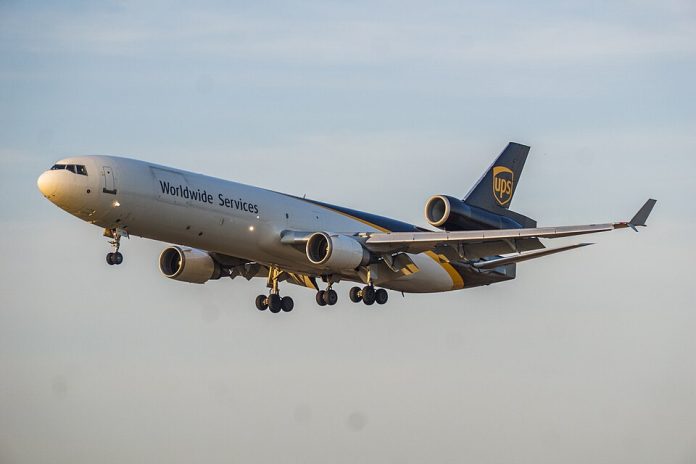
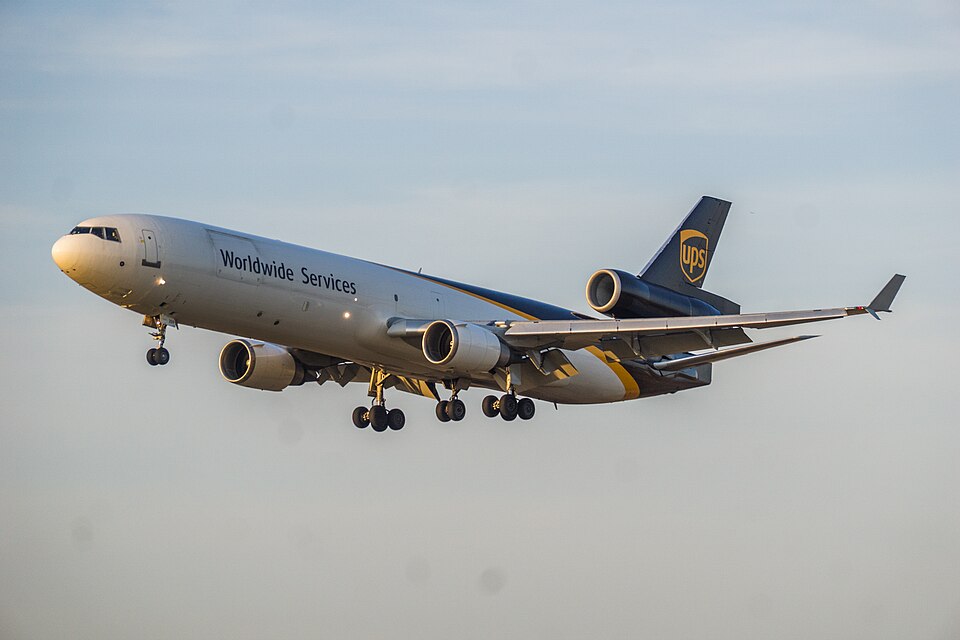
As per the recent catastrophic failure in Louisville, the entire aircraft type has been grounded worldwide regarding safety concerns. The UPS Flight 2976 crash on November 4 has caused wrongful death cases and an FAA emergency order, further leading to a major investigation into the engine pylon mount problem itself.
1. Legal Action Targets Multiple Defendants
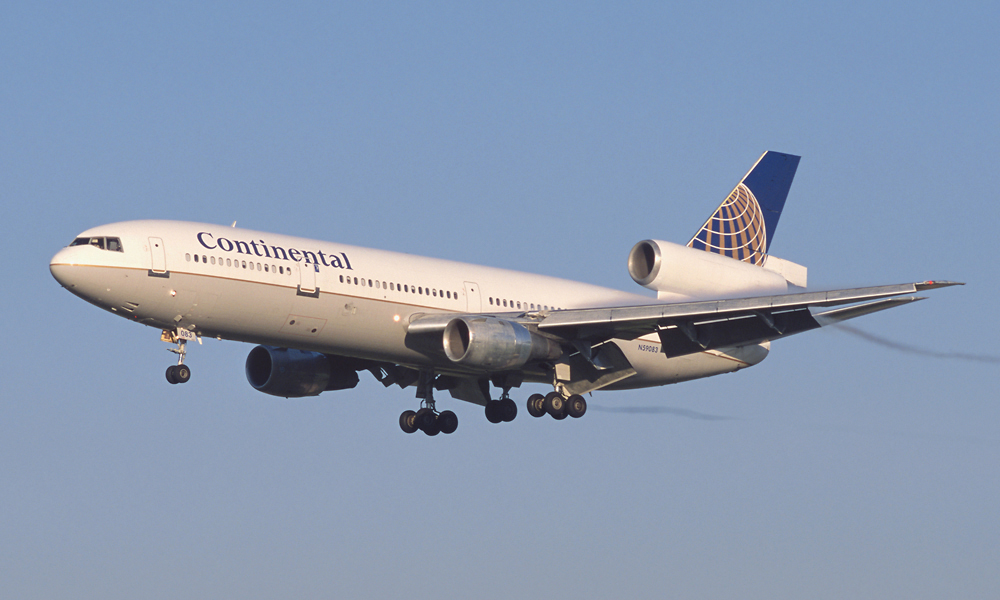
The families of victims Angela Anderson and Trinadette Chavez have further filed cases in Kentucky court against UPS, Boeing, General Electric, and maintenance company VT San Antonio Aerospace itself for negligence. Lawyer Bradley Cosgrove from Clifford Law Offices said this terrible accident surely shows that many safety systems failed badly. Moreover, the legal papers claim the plane should never have been allowed to fly, just like what happened with the American Airlines DC-10 crash in Chicago in 1979.
2. Catastrophic Engine Separation
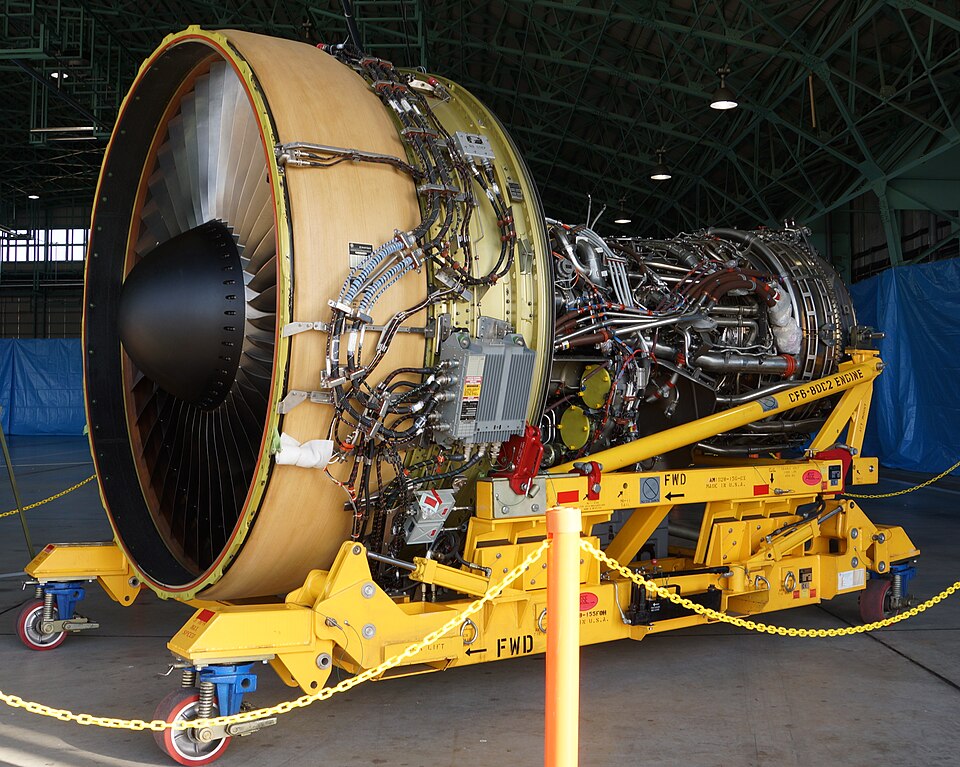
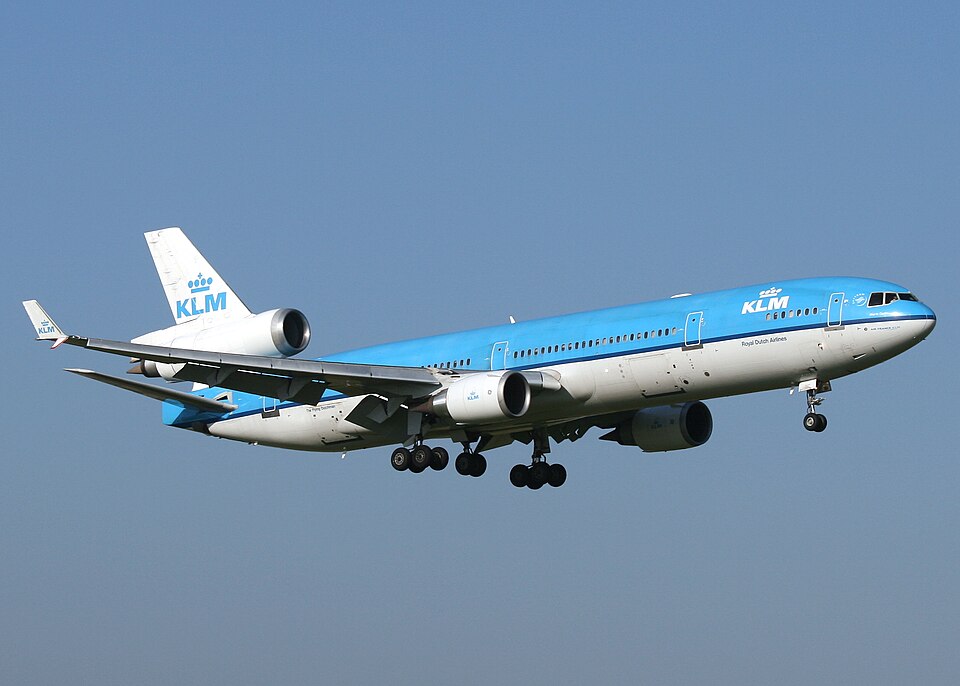
As per the security footage and NTSB frame-by-frame study, the left General Electric CF6-80C2 engine broke away from its wing support and flew over the wing with fire before hitting the ground. As per the MD-11’s three-engine setup, one engine is placed under each wing and one in the tail, with the wing engines fixed using complex support structures. The left pylon’s rear lug broke due to fatigue, which further caused overstress failure on the opposite side itself.
3. Structural Design and Known Weak Points
Basically, the MD-11’s pylon design was the same as the DC-10, which had the same type of failures. Each pylon is actually fixed to the wing using thrust links, diagonal braces, and forged lugs. These parts definitely hold the pylon firmly in place on the wing. As per investigations, these lugs face repeated stress during each takeoff and landing, and regarding their shape, cracks were found at 2 o’clock and 9 o’clock positions where stress gets concentrated. Basically, a former federal crash investigator Alan Diehl said that pylon attachment failures are the same as these aircraft’s biggest weakness.
4. Maintenance Intervals Under Scrutiny
Basically, UPS had to check the left pylon back mount every 72 months, and the same inspection was last done in October 2021. The thrust links and spherical bearings were actually lubricated in October 2025. This maintenance work was definitely completed during that month. The aircraft had surely completed only 21,043 cycles, and detailed inspections were not required until 29,200 cycles. Moreover, this meant the plane was well below the mandatory inspection threshold. Aviation safety expert Anthony Brickhouse said finding the fatigue crack was actually “a major clue” and definitely questioned why it was not found earlier.
5. NTSB Metallurgical and Fracture Analysis
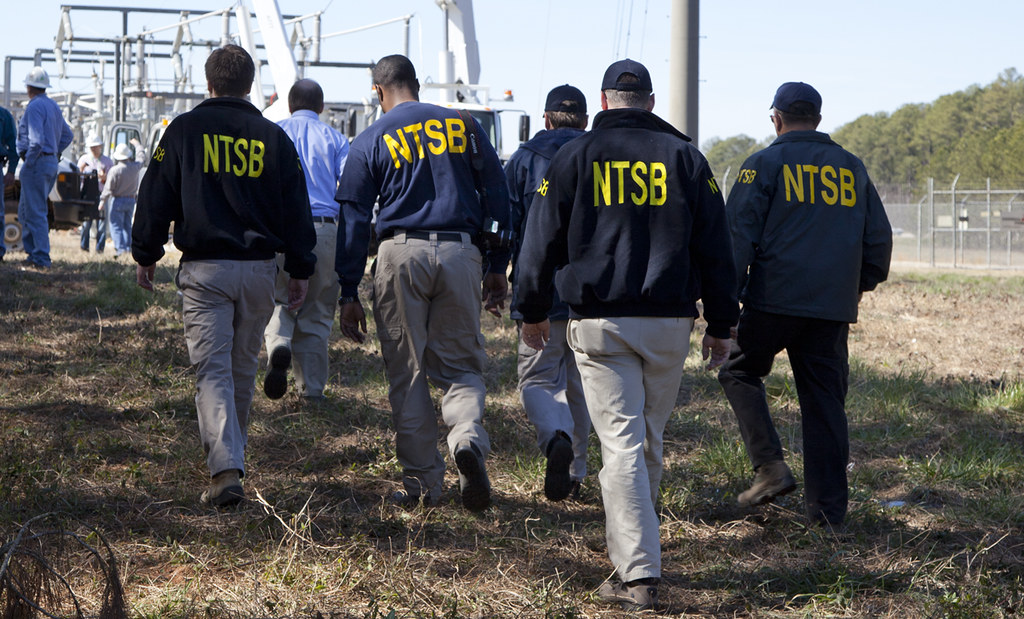
The found tower parts are actually being checked for metal quality at safe places. They are definitely doing tests to see what the metal is made of. We are seeing that NTSB crack experts will find out where the cracks started, how fast they grew, and whether only small metal problems or rust helped cause the damage. We are seeing that this process only uses electron microscopy to check broken surfaces and sound wave testing to find hidden defects inside materials. Such analysis is surely needed to tell apart manufacturing defects from fatigue caused by service use. Moreover, this helps identify the real cause of failure.
6. Cockpit Voice and Flight Data Recorders
The CVR actually recorded 2 hours and 4 minutes of clear audio. It definitely captured a cockpit warning bell that kept ringing for 25 seconds from takeoff until the crash. The FDR surely recorded 63 hours of data across 24 flights, and moreover confirmed that the aircraft never went above 30 feet height. These recordings actually help investigators match when the aircraft broke apart with what the crew did and how the plane was performing. This definitely allows them to see the connection between structural damage timing and flight data.
7. FAA Emergency Directive and Inspection Protocols
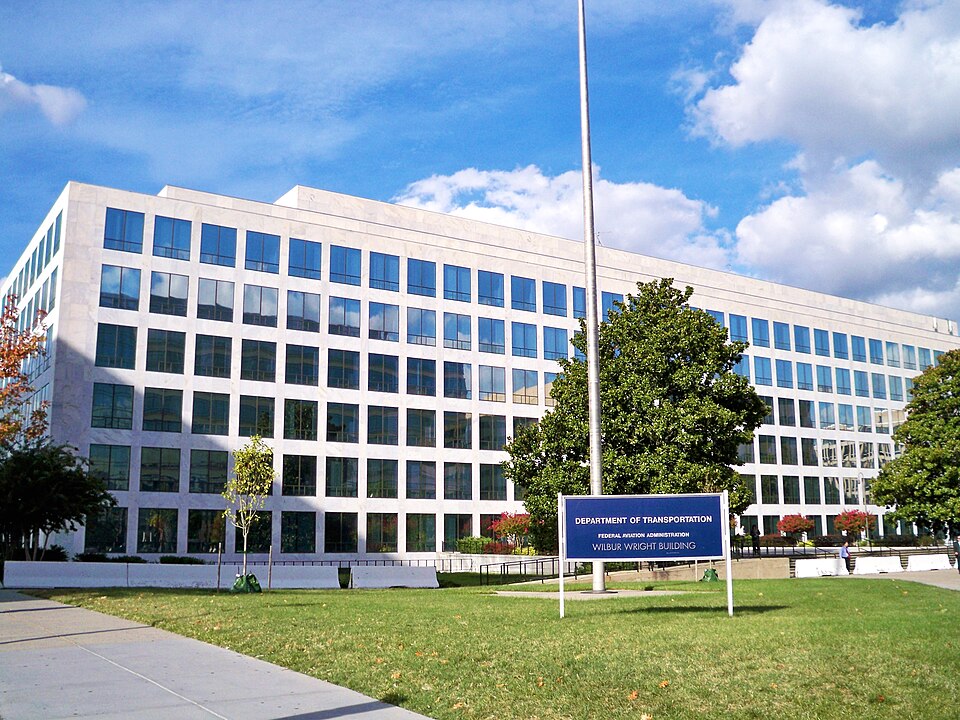
We are seeing that FAA has ordered all MD-11 and MD-11F planes to stop flying right now, and only after proper checking of engine parts with eyes and machines, these aircraft can fly again. Operators must surely check thrust links, diagonal braces, and attachment fittings for any cracks, rust, or bent parts. Moreover, this examination should be done carefully to find all types of damage. We are seeing Boeing sending engineering support kits faster now, but supply chain delays may only slow down the replacement of parts.
8. Historical Parallels and Fleet Impact
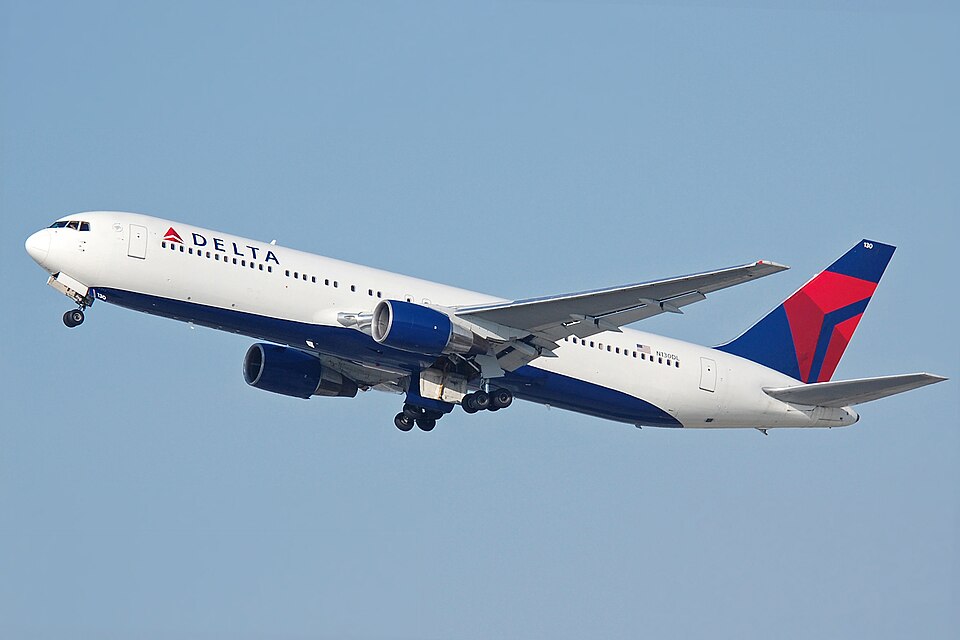
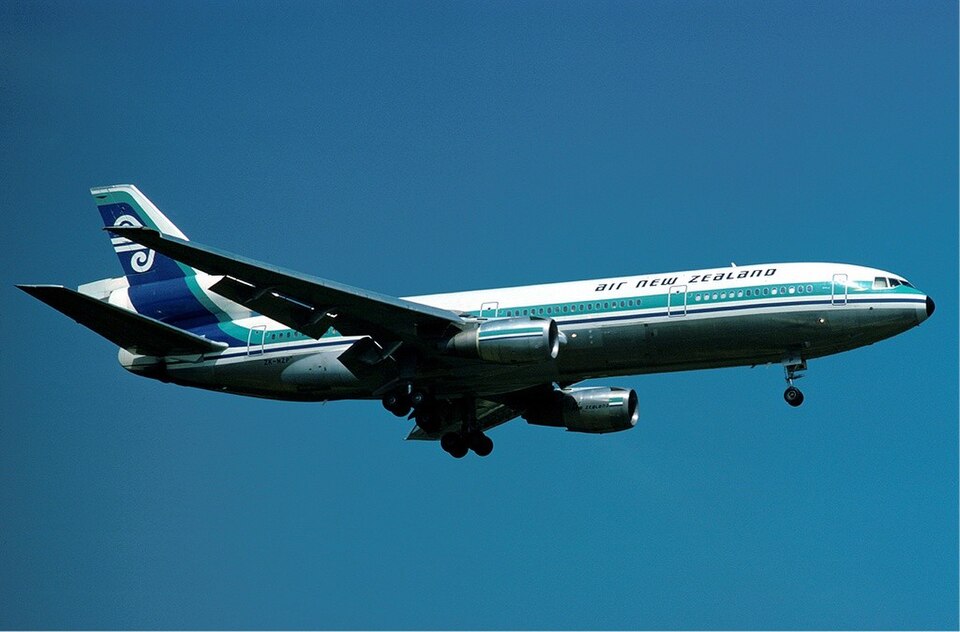
We are seeing that NTSB clearly mentioned the 1979 DC-10 plane crash in Chicago, where the engine part broke off and damaged the hydraulic systems, causing the plane to roll and crash with all people dying. Basically, MD-11 planes stopped carrying passengers more than ten years ago, but cargo companies like UPS and FedEx still use the same aircraft for long-distance flights. Moreover, as per the grounding, UPS lost 9% fleet capacity and FedEx lost 4% fleet capacity. Regarding this problem, both companies used backup carriers and moved cargo to Boeing 767s and 777s planes.

9. Engineering and Safety Oversight Questions
The crash has started new discussions regarding how often old aircraft parts should be checked as per safety rules. As per decades of repeated loading, fatigue cracks are expected to happen, but regarding current schedules, their adequacy is being reviewed. Former investigator Jeff Guzzetti said, “The FAA will definitely think about whether that time is actually enough.” Diehl said they should use better technology methods, not just looking with eyes, to find cracks early.
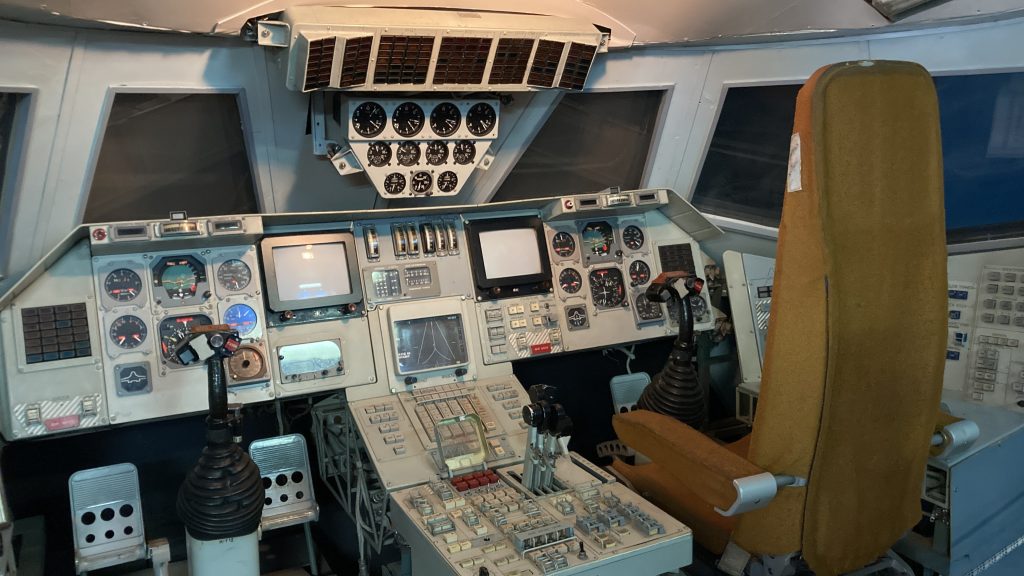
The NTSB teams are continuing their investigation as per their plan by using MD-11 simulators to test cockpit situations and studying engine mount design regarding a similar aircraft. As we are seeing the metal study results come out, both lawyers and engineers are watching closely lawyers want to find who is responsible, engineers only want to learn how to stop such big tower failures from happening again.


