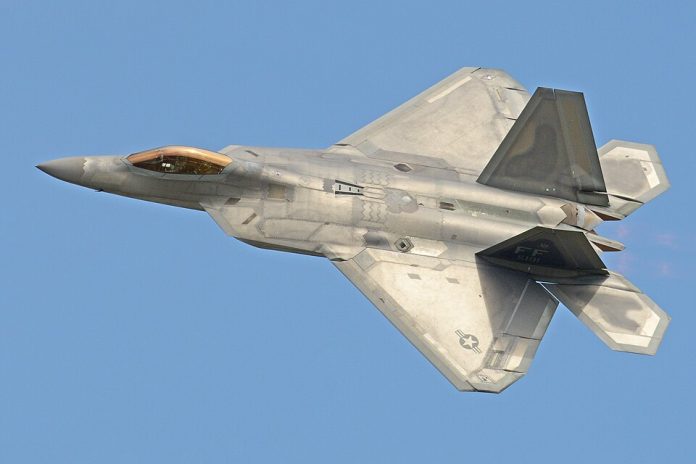
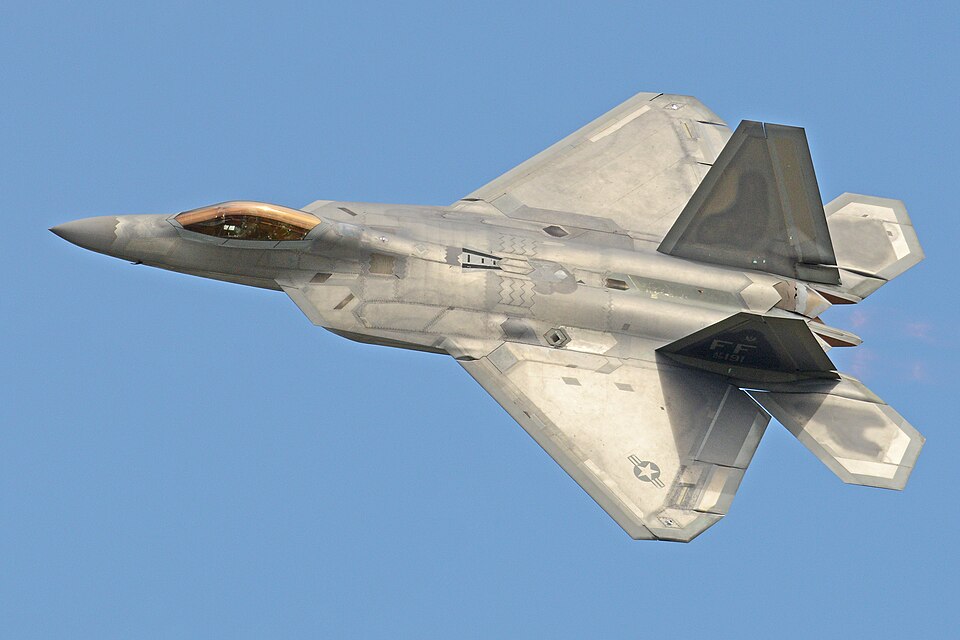
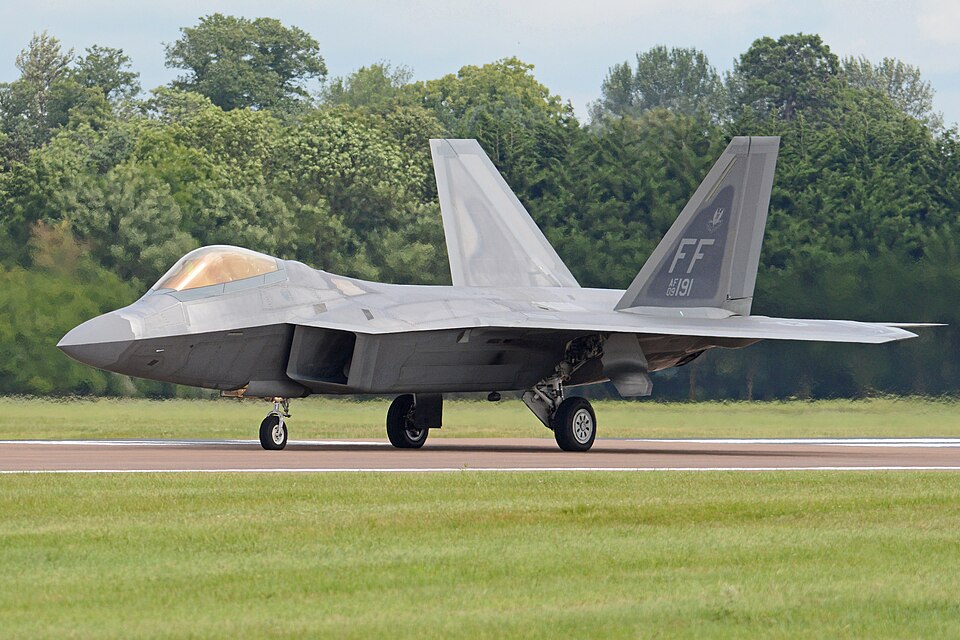
It is almost twenty years since the F‑22 Raptor came into service, but its combat record is astoundingly thin-just one confirmed kill, and that against a Chinese surveillance balloon. For the jet designed to dominate the skies, nothing could be more jarring than this lack of operational action. The reasons are complex: strategic caution, high costs, and a shrinking fleet.
The Raptor remains one of the most capable air superiority fighters ever built, but it is also a boutique force small in number, expensive to operate, and increasingly maintenance‑intensive. As the F‑35 racks up combat missions from the Middle East to the Pacific, the F‑22 often sits out, reserved for a conflict that may never come. Here is a list that breaks down the hard truths shaping the Air Force’s approach to its most elite fighter.
1. A Combat Record That Barely Exists
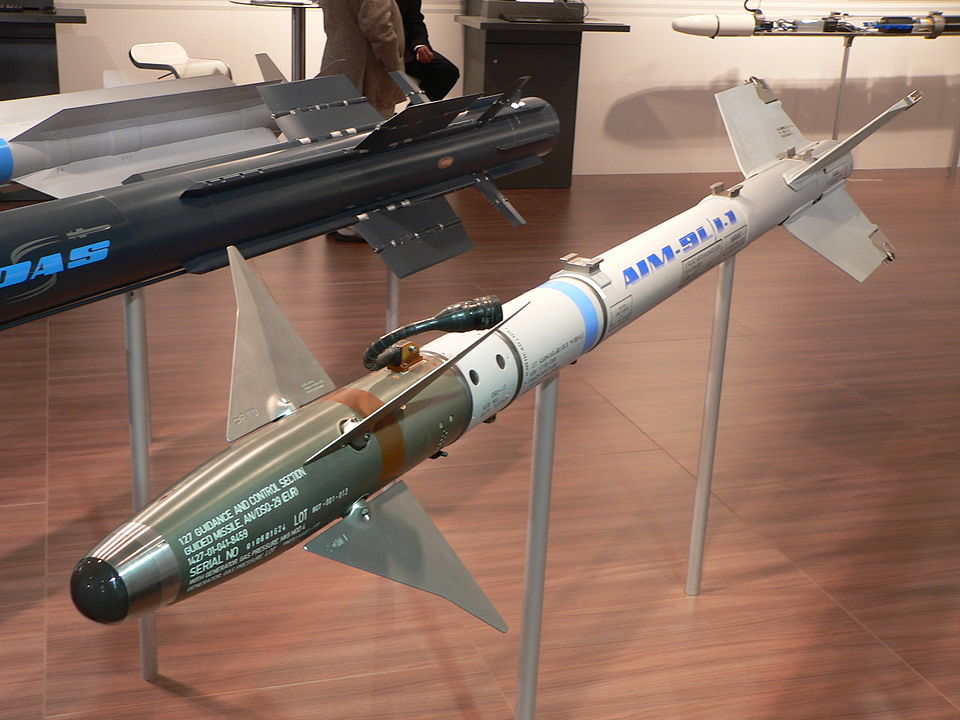
Despite its entrance into service in 2005, the only confirmed kill of the F‑22 came in February 2023, when a Raptor from the 1st Fighter Wing downed a Chinese high‑altitude balloon with an AIM‑9X Sidewinder. Although the engagement, at 58,000 feet, was technically challenging, it was far from the peer‑level air combat the jet was designed for. The F‑35, by contrast, has flown Suppression of Enemy Air Defenses missions and scored drone kills in contested environments.
2. A Fleet Too Small to Risk
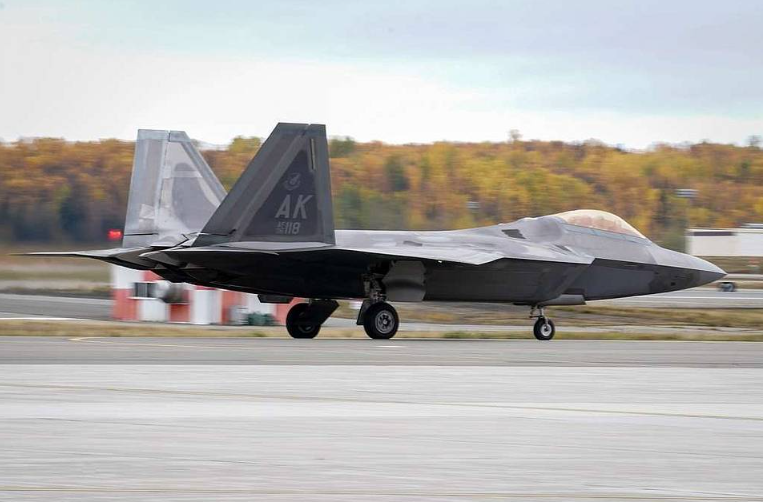
The original plan called for 381 Raptors, but then-Defense Secretary Bob Gates cut production to 187 before the line closed in 2011. Operationally, fewer than 150 are combat-coded at any given time. This scarcity drives a conservative employment philosophy: dispersal through the Rapid Raptor concept rather than massing for large-scale operations. As Kris Osborn noted, this limits the ability to field “wide theater” formations in a great-power fight.
3. The World’s Most Expensive Fighter to Operate
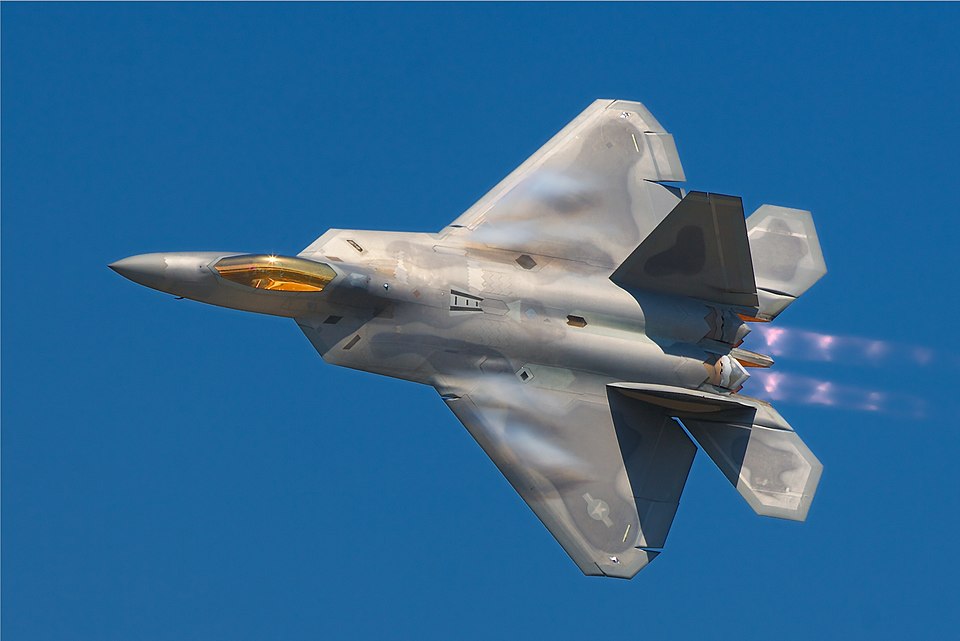
According to the GAO, the cost to the Air Force of flying the F‑22 is $85,325 per hour-more than for any other fighter. Program costs topped $67 billion, pushing the per‑aircraft figure above $300 million when development is included. With production lines dead, spare parts are costly and slow to source, compounding sustainment expenses.
4. Danger Zone Readiness Rates
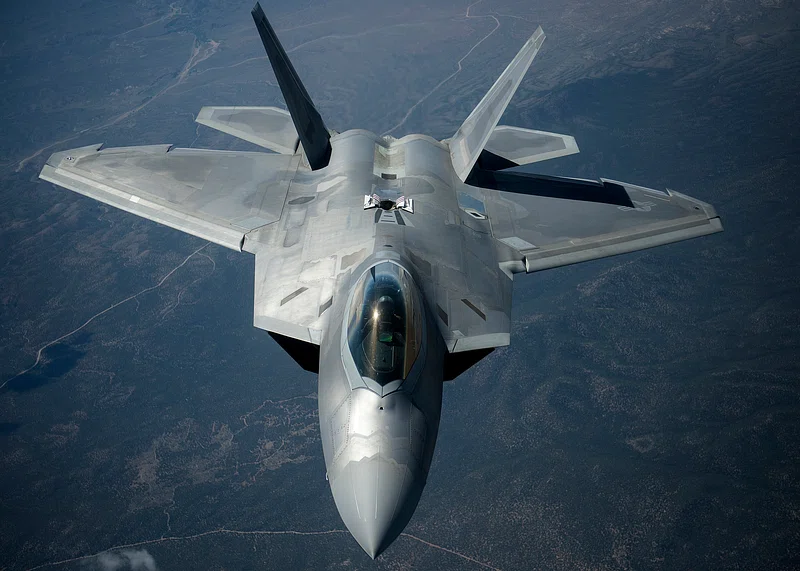
Mission-capable rates for the F‑22 have fallen steeply, from 57.4% in 2022 to just 40.19% in fiscal 2024. The GAO cites degraded stealth coatings, supply shortages, and hurricane damage to key facilities as factors. Low readiness undermines the logic of holding the fleet in reserve for a future peer conflict-if the jets aren’t available, they can’t fight.
5. Meanwhile, the F‑35 Is Doing the Fighting
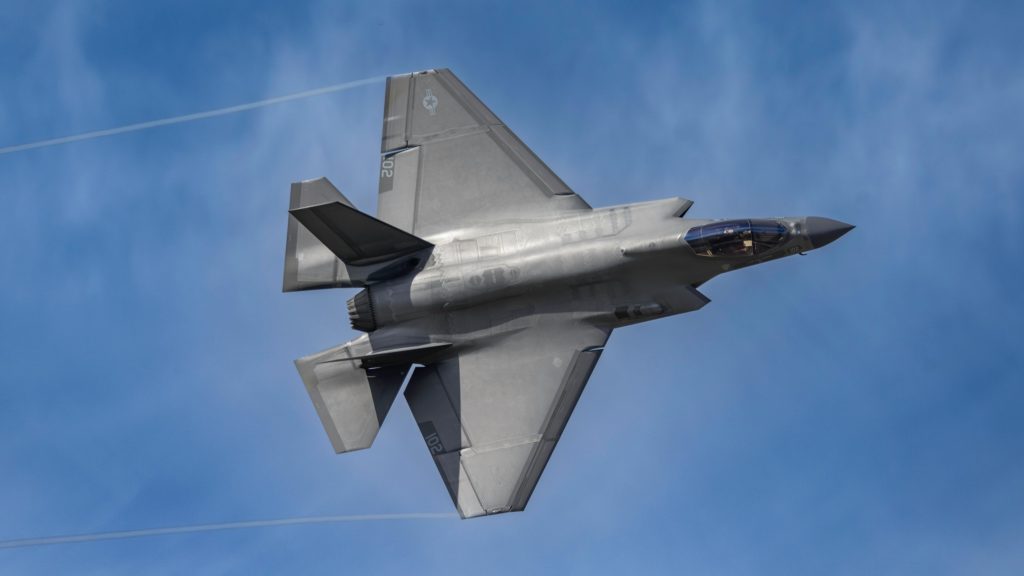
In contrast, the F‑35 has been heavily employed in real‑world combat. During Operation Midnight Hammer, USAF F‑35As flew hundreds of miles into Iran, escorted B‑2 bombers, destroyed SAM sites, and acted as forward scouts. Lt. Col. Aaron Osborne described it as “the first time anyone has been shot at in 20 years – actually carrying out the Wild Weasel mission.” The F‑22’s role in that strike was limited to providing air cover.
6. Upgrades Are Coming At a Price
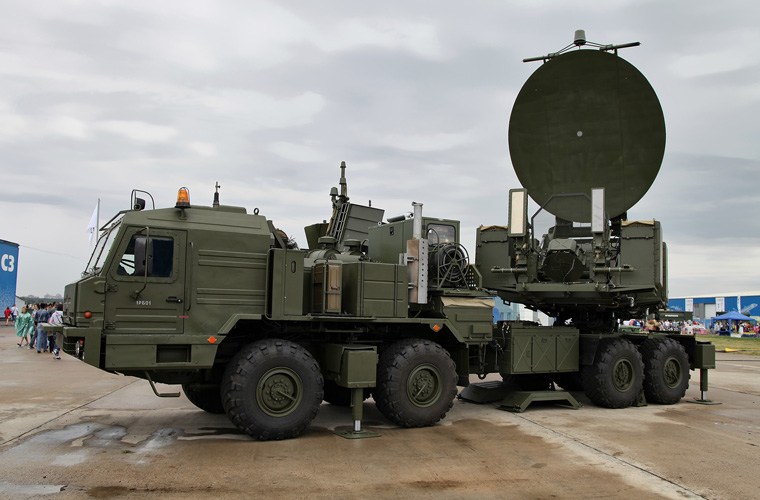
The Air Force has launched an $8 billion “viability” upgrade program for 142 Block 30/35 Raptors. Planned enhancements include an infrared defensive system to detect long‑range missile launches, podded infrared search and track sensors, stealthy low‑drag drop tanks, improved electronic warfare suites, and upgraded communications. These will help preserve the jet’s “first look, first shot, first kill” edge, but they also highlight the cost of keeping a small, aging fleet relevant.
7. Increased Competition Globally
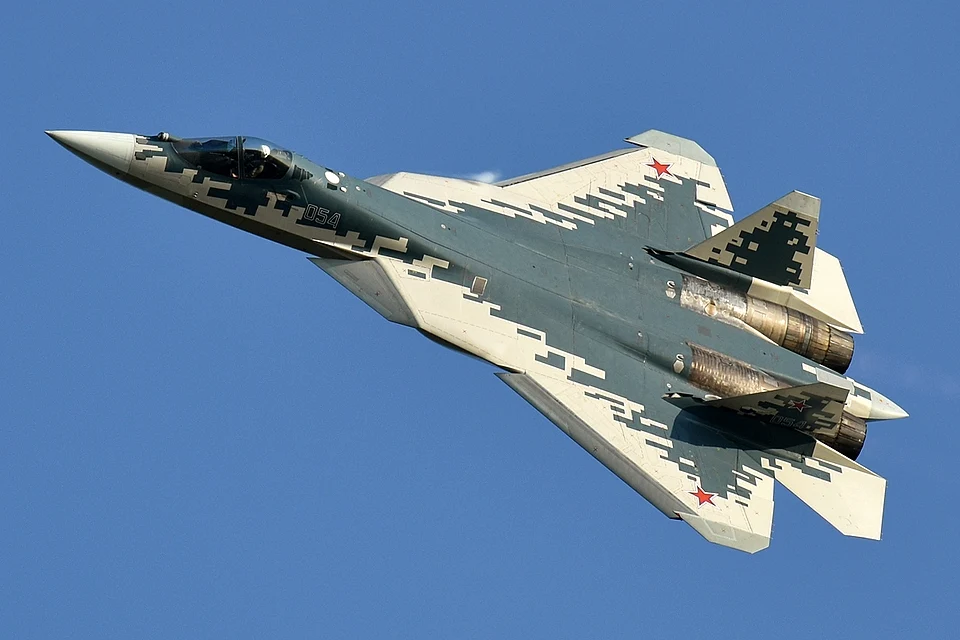
When it first appeared, the F‑22 was the world’s only operational fifth‑generation fighter. Today, Russia’s Su‑57 and China’s J‑20 are in service, the latter integrating AI and “air‑space integration” concepts. Chinese designer Yang Wei has publicly declared the J‑20 is designed to lead offensive operations over Taiwan and the South China Sea. The Raptor’s qualitative edge is narrowing.
8. The NGAD Future and Uncertain Timelines
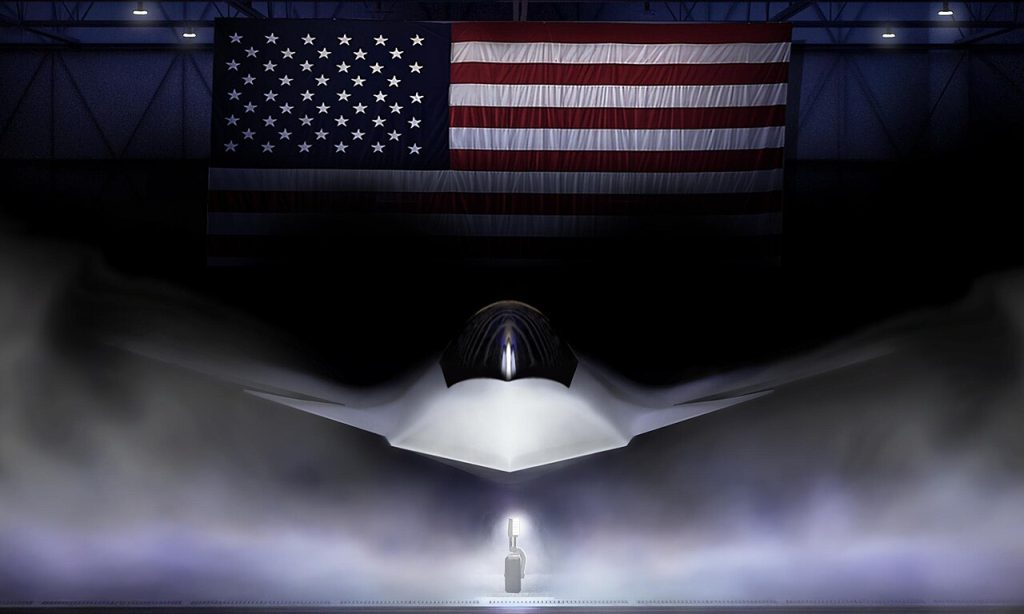
The Next Generation Air Dominance (NGAD) program, now producing the Boeing‑built F‑47, is intended to replace the F‑22 starting in the 2030s. The Air Force plans for “185+” F‑47s, potentially a one‑for‑one swap. But until NGAD arrives in numbers, the Raptor must hold the line making readiness and upgrade efforts critical.
9. Strategic Caution or Missed Opportunity?
Defense expert Christian D. Orr says that Washington is being overly “combat cautious” with the F‑22, saving it for a hypothetical World War III. The risk is that by avoiding combat, the fleet loses operational sharpness and the Air Force misses chances to validate tactics against real threats. As history has often repeated, not even the most advanced aircraft can remain lethal without combat experience. The F‑22 Raptor remains an icon of American air dominance, but its fate depends on more than stealth and speed.
Small fleet size, high costs, and declining readiness have created a paradox: the Air Force’s most capable fighter is also its most protected asset. Whether this caution preserves the Raptor for the war it was built to fight or leaves it untested when that day comes may be one of the defining airpower debates of the decade.


