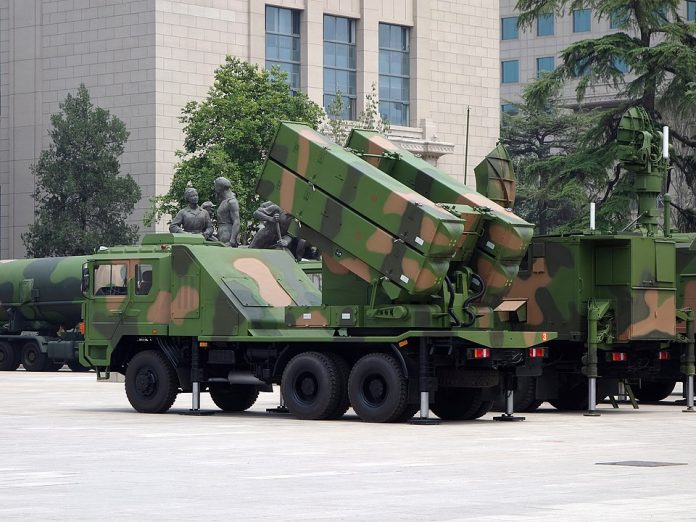
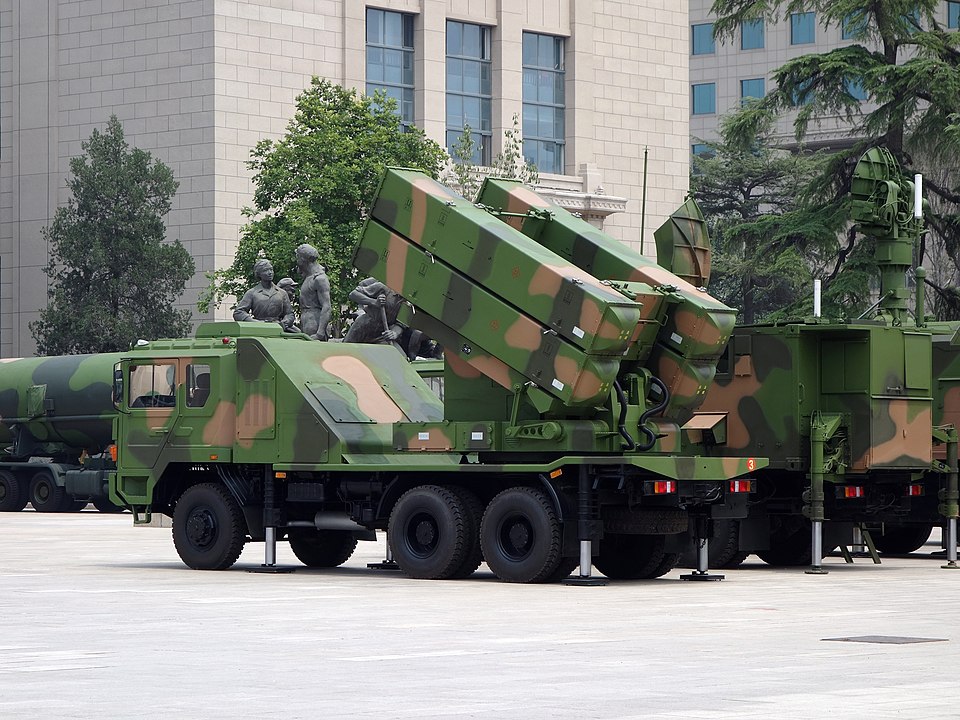
The era when U.S. airbases in the Indo-Pacific could operate without much concern is over. It is now within the capability of Chinese missile forces to hit such forward locations with a speed, accuracy, and volume of a kind that would have hardly been imaginable even a generation ago. In fact, the airbase of Kadena closest to Taiwan, is directly in the line of fire.
Kadena is a double-edged sword for Washington. It is a vital link in the U.S. First Island Chain operations and yet, being so close to the Taiwan Strait makes it a very likely target in any conflict scenario. The dilemma faced by the Pentagon is quite evident: how can they keep Kadena working if it comes under fire for a really short time, say the first few days of a war?
These changes at the base, when combined with the shifts in the posture around the Indo-Pacific, tell us how the United States is getting ready. From quick repair of runways exercises to the concept of distributed basing, these steps are intended to frustrate Beijing’s expectations of a swift victory. These are the nine key moves that are shaping Kadena’s readiness and survivability.
1. Rapid Airfield Damage Repair at the Core
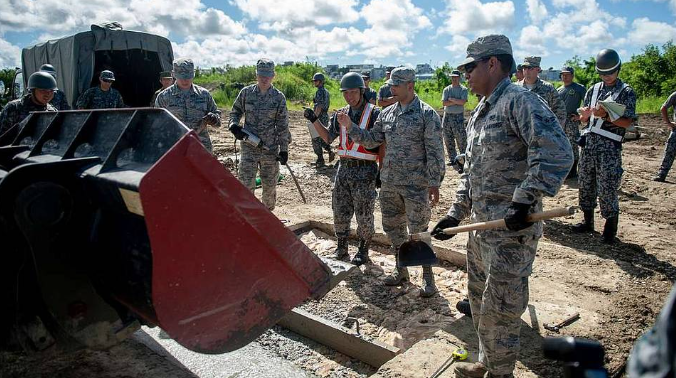
During Exercise Beverly High 26-1 in November 2025, the 18th Civil Engineer Squadron of Kadena carried out intensive rapid airfield damage repair (RADR) training. The teams went through all the steps of filling craters, removing debris, and resurfacing a runway under simulated attack situations. Senior Airman Seth Callahan emphasized, “Airfield recovery Every second is of utmost importance what keeps the mission going.”
This drill is all about a complete transformation of personnel who become multi-skilled airmen capable of assessing and executing repairs fast, thus enabling them to carry out more sorties even in a highly contested environment. The baseline RADR capability can achieve restoration of two large crater in around six and a half hours but continuous missile attacks will certainly require that repair kits be stored in security as well as some materials being already pre-placed.
2. Runway Upgrades for Long-Term Durability
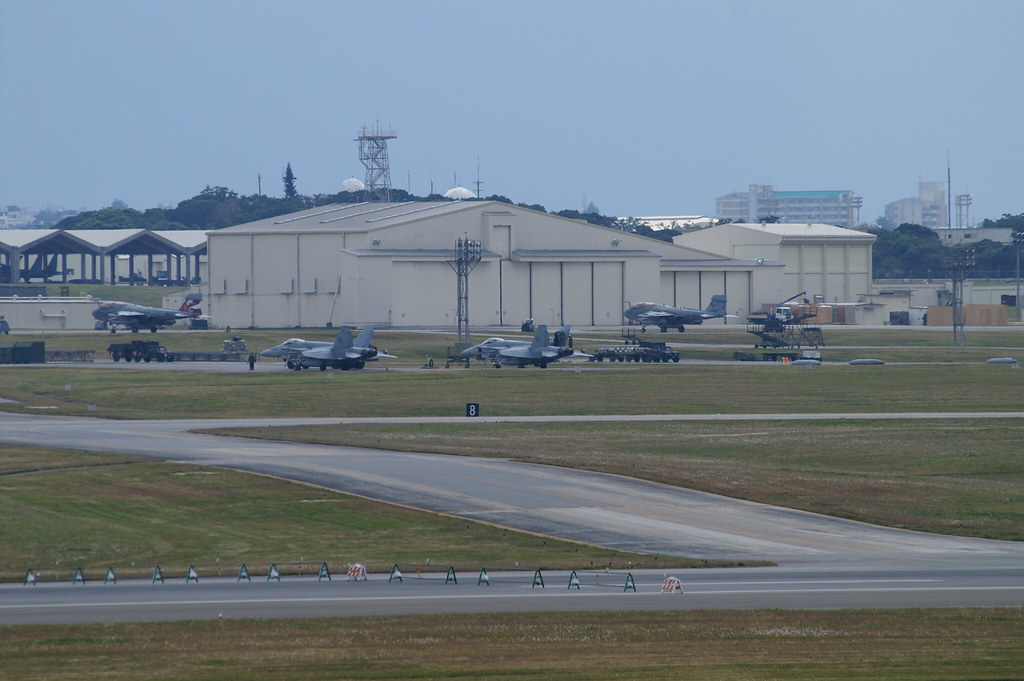
Alongside repair drills, Kadena is also working on replacing the old pavement and strengthening the critical parts of the runway. Master Sergeant Brock Butshke remarked, “The main thing is to make sure it is strong, smooth, and ready for any mission that may come.”
By these upgrades, the base intends to reduce the maintenance periods as well as increase the resilience of the runway_section against both wear and possible explosive damage. Although such passive measures cannot entirely prevent closures due to precision strikes, they can facilitate faster recovery and thus enable operational availability for the period during which repairs are under way.
3. Understanding the Missile Threat Envelope
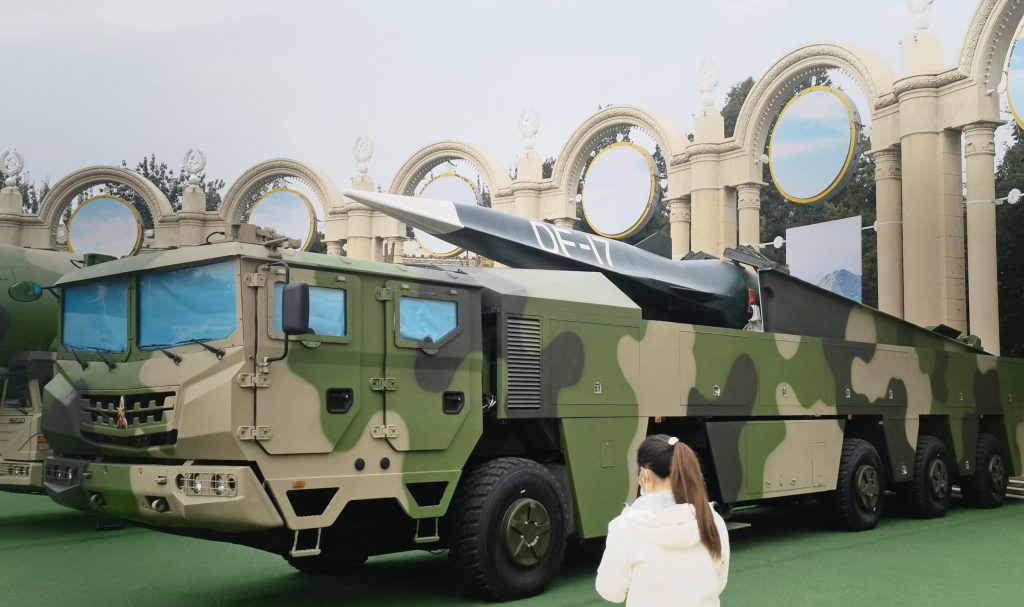
The US Department of Defense claims that China has more than 2,000 ballistic missiles that can be launched against any target in Japan. The attack scenario reveals that there might be as many as 252 short- and medium-ranged missile launchers from which salvoes are fired at the same time targeting to the Kadena Air Base, whereas nito the otherhand Iwakuni Airbase faces half as much the threats. With the hypersonic glide vehicle DF-17 and DF-26 “Guam Killer” China can easily reach out even further into the Second Island Chain with her missiles.
The purpose of these capabilities is to make Beijing able to carry out strikes on runways, taxiways, and aircraft that are on the ground through the use of submunition-carrying rockets with the aim of denying the minimumoperating surfaces for fighters and tankers for such periods as days or weeks.
4. Vulnerability of Tanker Operations
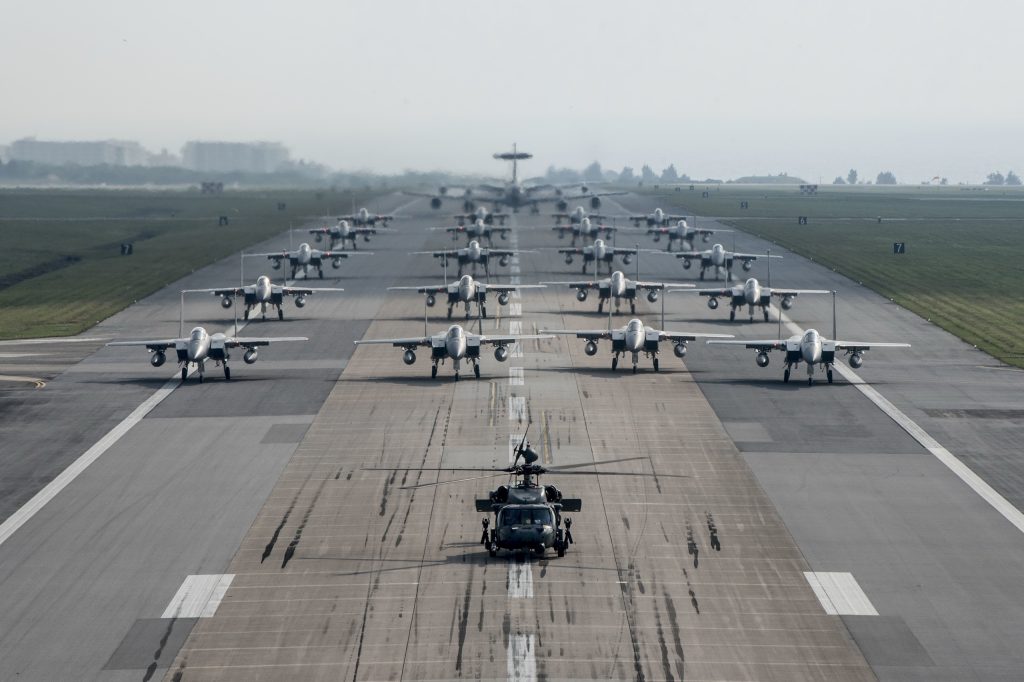
Investigations point out that the Chinese attack can blackout the Kadena runways meant for fighter operations in the period of approximately 12 days and that of aerial refueling tankers for over a month. In the absence of tankers, the majority of American fighters would not be able to make the Taiwan Strait trip along with its return and thus their early-phase combat power would be seriously limited.
Thus, this production of a potential 30-day interval scenario in which the PLA can carry out a fait accompli operation before the airpower of U.S. can bounce back is one of the main reasons why tanker basing and runway resilience have become the core issues of deterrence planning.
5. Agile Combat Employment and Dispersal
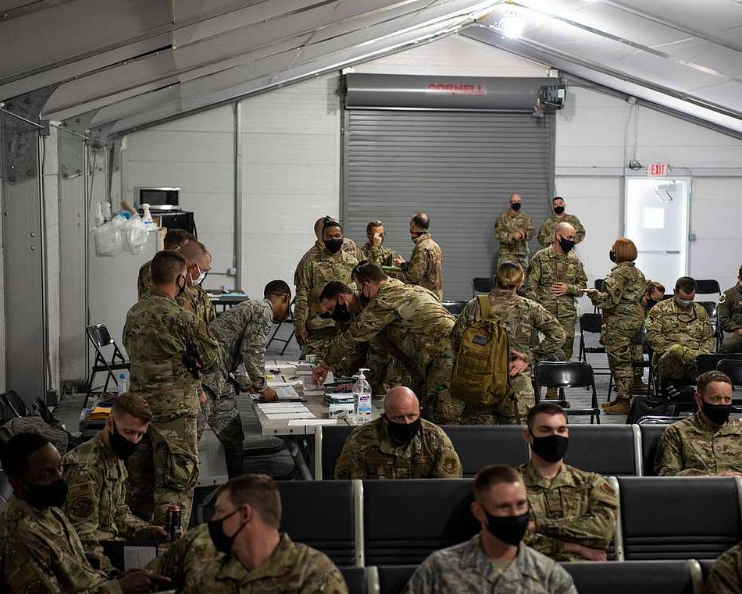
One of the ways in which the Air Force plans to utilize its Agile Combat Employment (ACE) concept is to spread out the aircraft among a number of smaller or less developed locations so that the enemy would have difficulties in pinpointing the exact target. Geographically speaking, as well as from the politcal point of view, the pacific apace and its surrounding areas are limiting the possibilities for the open air-operatinons. Moreover outside Japan, the US ability to operate in the First Island Chain places is not that sure of, while allies like the Philippines are setting conditions by constricted “offensive action” from their territories.
Still, the effects of rotational deployments to secondary airfields located in Japan, the Philippines, and Australia along with the preplacement of the support equipment can create possibilities of survival as well as provide the means for continuous operations under enemy fire.
6. Balancing Active and Passive Defenses
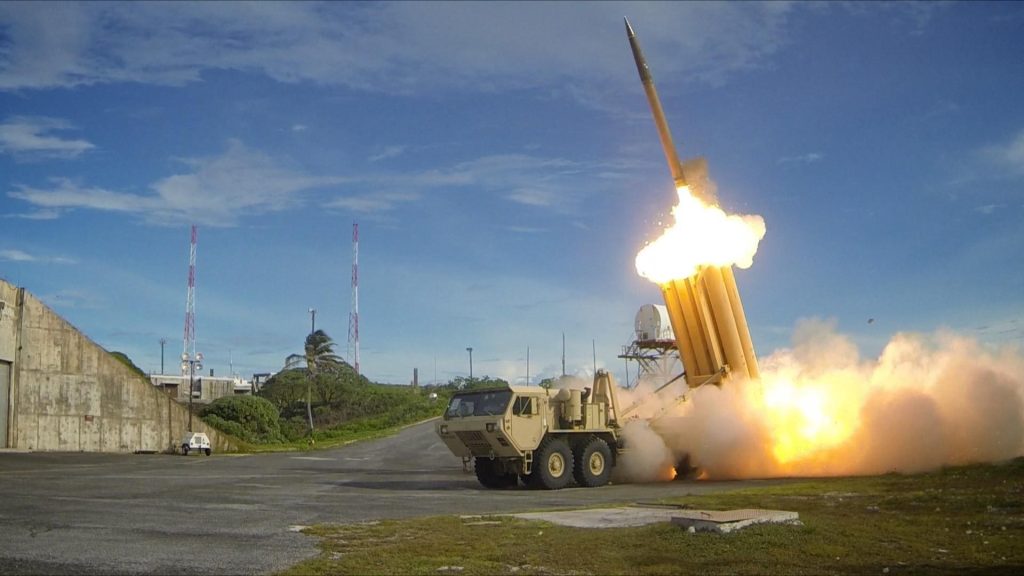
Patriot Advanced Capability-3 system provides the main defense for Kadena but the number of interceptor rounds available is quite low. Few are the THAAD and Patriot units of the Army in the area, and their replenishment is slow. The active defenses should not be seen as the only factor that could assure that the runway will be available even if a massed salvo will be carried out, goes the line of reasoning from the experts.
On the other hand, there are also passive measures such as hermetically settled shelters, fuel redundancy, and rapid repair which can provide a cost-effective defense against wear but they have to be in a continuous investment program. Congressional calls for more structurally secure infrastructure indicate that there is no time to waste if the two approaches are to be effectively combined.
7. Distributed Posture Beyond Kadena
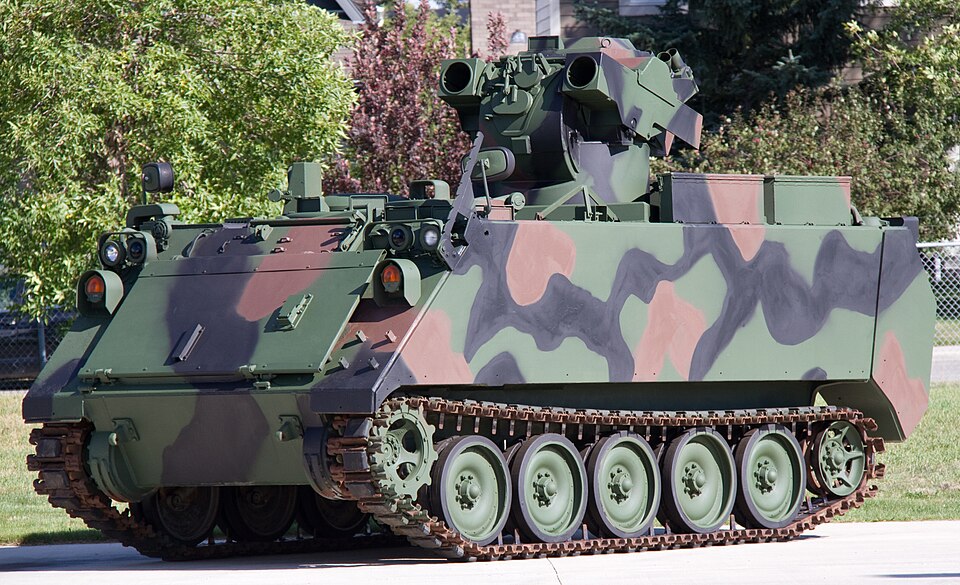
Strategists are of the opinion that the concentration of risk in basing large fighter squadrons at Kadena is the thing that happens. The distributed, rotational presence along the First and Second Island Chains – strengthened by the facilities at Guam, Tinian, Darwin, and Philippine sites – can, therefore, be the way to keep the power of the air after the very first blow has come.
Thus, the integration of the Marine and Army mobile missile units, stealth submarines, and unmanned systems to produce fires from multiple vectors is the other side of the coin that the over-reliance on any single air base is being broken.
8. Host-Nation Coordination and Political Limits
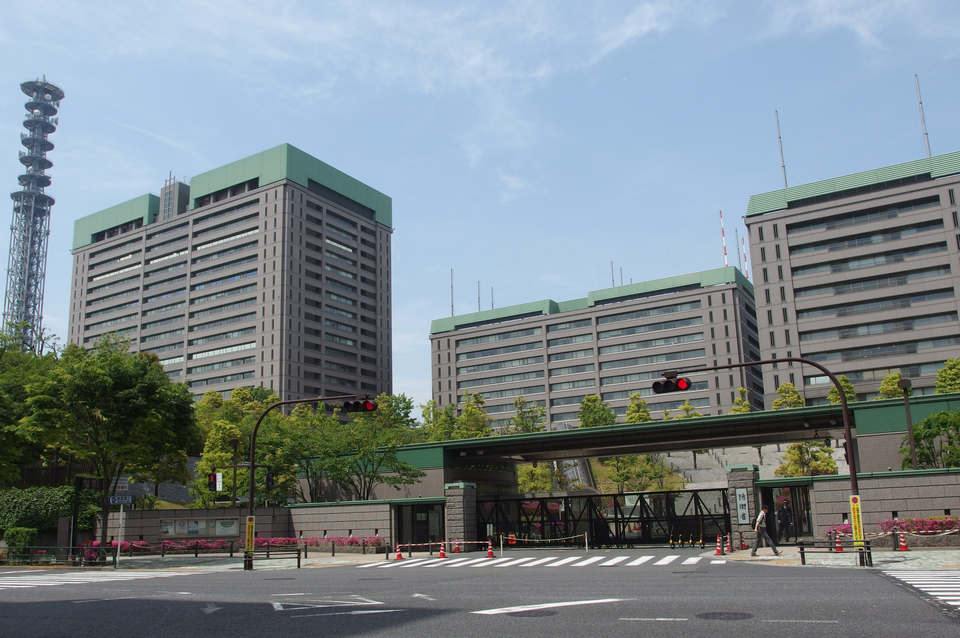
Without the cooperation of allies, resilient basing would not have been possible. Japan’s Ministry of Defense has declared its intention to improve the abilities of interception as well as counterstrike, however, other partners might not be so willing if the scenario involves Taiwan. South Korea, for example, has indicated that it would not allow the U.S. forces there to join in such a fight, whereas Southeast Asian countries may decide to remain neutral.
These political factors determine the areas where the dispersal of forces is possible and emphasize on the importance of giving information to the partners about the new posture well before the coming of the crisis.
9. Preparing for a Contested Logistics Environment
Keeping the missile-threat-ridden Kadena going needs well-planned logistics. Fuel, munitions, and repair materials that are already placed at various locations can be the means of keeping the aircraft going even when the main runways have been hit. The air force is also looking into upgrading of the civilian airfields which could be coming hubs for the operation in case of emergency.
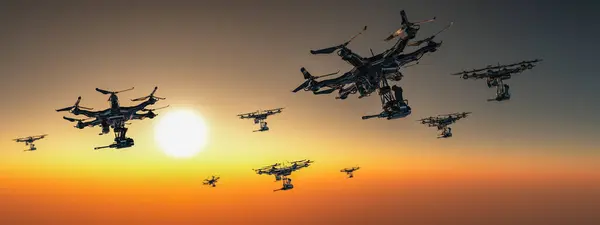
Nonetheless, as pointed out by studies done by RAND and CNAS, the forces that are spread out yet without sufficient safeguarding – be it from missiles, drones, or surveillance – are vulnerable to being taken down separately. Resilience is as much about the continuity of the supply chain and the access to it as it is about the construction made of concrete and steel.
Kadena’s success in the future as a reliable forward hub will be determined by to what extent the US will be able to combine the rather patchy rapid repair, infrastructure hardening, dispersal, and allied coordination into a single strategy. The primary design of the PLA missile arsenal is to take advantage of the vulnerabilities of fixed bases; to counter it, the US will have to show more than just one method, have reserves, and do the political groundwork. Survival, in fact, is the very prerequisite for deterrence in the precision-strike era of the Indo-Pacific.


