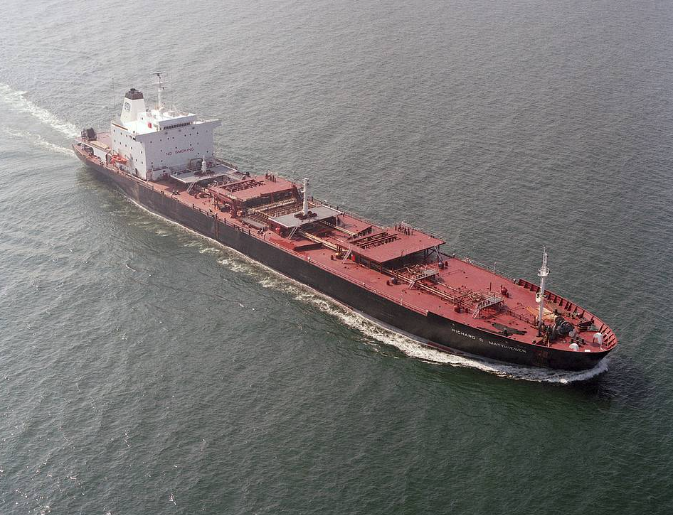
Can a single ship seizure in the Gulf be the tipping point that changes the whole game? Iran’s most recent seizure of a foreign-flagged tanker in the Strait of Hormuz has once again raised concerns about one of the major global maritime routes. The action is happening in the middle of a nuclear diplomacy stalemate, increasing proxy wars, and a very unstable security situation that has both commercial operators and naval planners worried.
The Strait of Hormuz is more than just a narrow waterway between Oman and Iran; it is the main artery for worldwide energy consumption and the center where geopolitical powers play brinkmanship. Any event there affects oil markets, military deployments, and diplomatic moves from Washington to Beijing. This list is about the strategic issues of the recent seizure, the reasons behind Iran’s maritime behavior, and the consequences for peace both in the region and the world.
1. The Event: A Seizure Laden with Symbolic Meaning
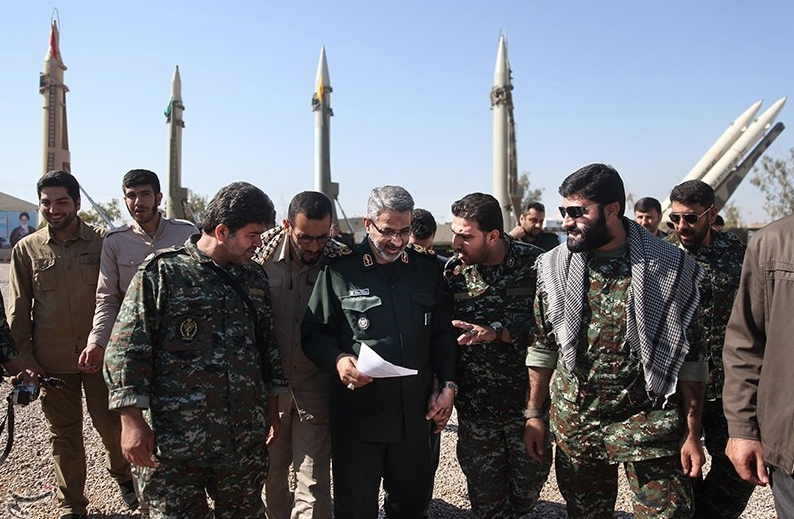
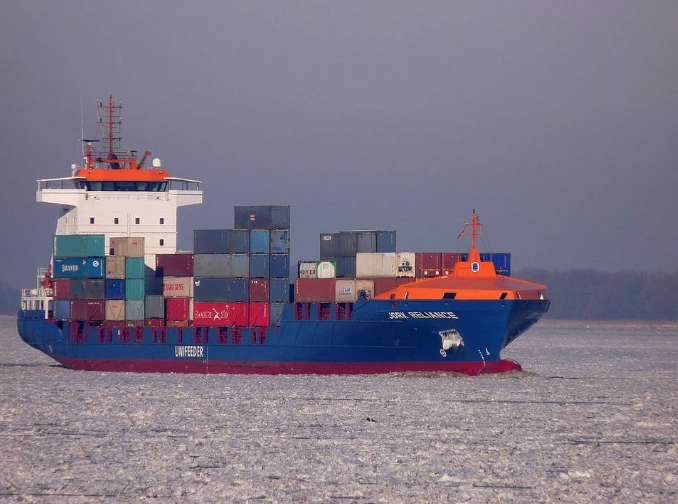
The Iranian Islamic Revolutionary Guard Corps (IRGC) declared that it had impounded a vehicle that was transporting 350,000 liters of what it termed contraband fuel, and was flying the Eswatini flag. The ship, with 13 crew members from a neighboring country and India, was taken under escort to Bushehr. Eswatini quickly repudiated any connection and stated, “The Kingdom of Eswatini has no connection whatsoever to the vessel… and we reject in the strongest terms any attempts to associate our country with maritime criminality.”
Though Tehran portrayed the undertaking as a local law enforcement operation, the time regional instability and new sanctions emphasizes its geopolitical aspect. These kinds of seizures are periodically used as a doubles: Iran uses them as a means of anti-smuggling enforcement in her territories and at the same time warns the enemy of her resistance capabilities.
2. Strait of Hormuz: A Global Energy Chokepoint
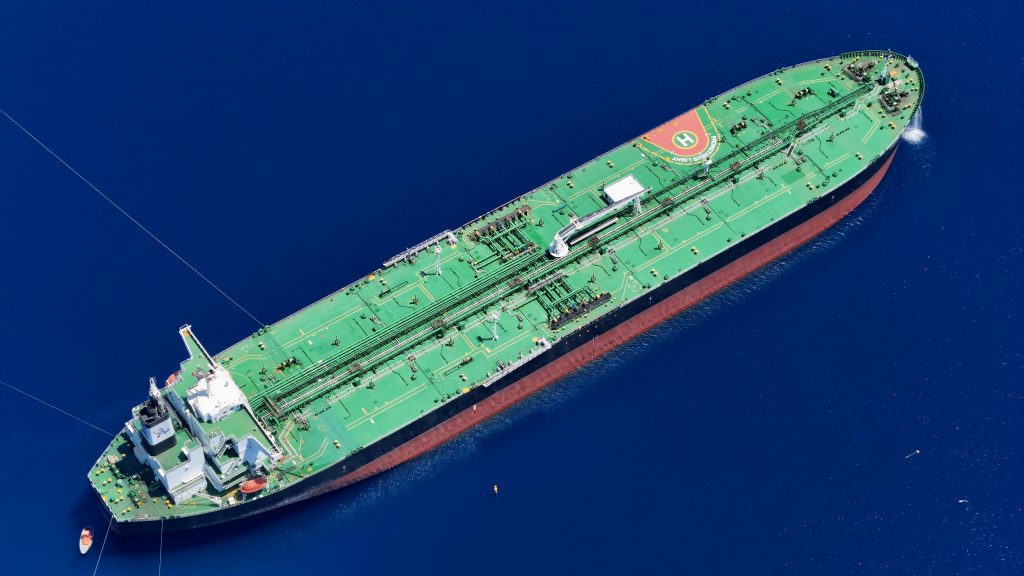
The Strait of Hormuz is the channel through which about one-fifth of the world’s petroleum liquids consumption and one-fifth of the global liquefied natural gas trade pass. In 2024, the average daily flows stood at 20 million barrels, out of which Saudi Arabia alone was responsible for 38 percent of crude exports through the strait.
Any disruption in the flow of oil can result in the doubling of oil prices, the increment of shipping costs, and causing of supply delays. Because there are no feasible alternatives to the narrow channel; it is very vulnerable despite the fact that a part of the route can be bypassed at Saudi Arabia and the UAE. This route is just as important for Asian markets China, India, Japan, and South Korea that even short interruptions can become supply shocks.
3. A Pattern of Maritime Coercion
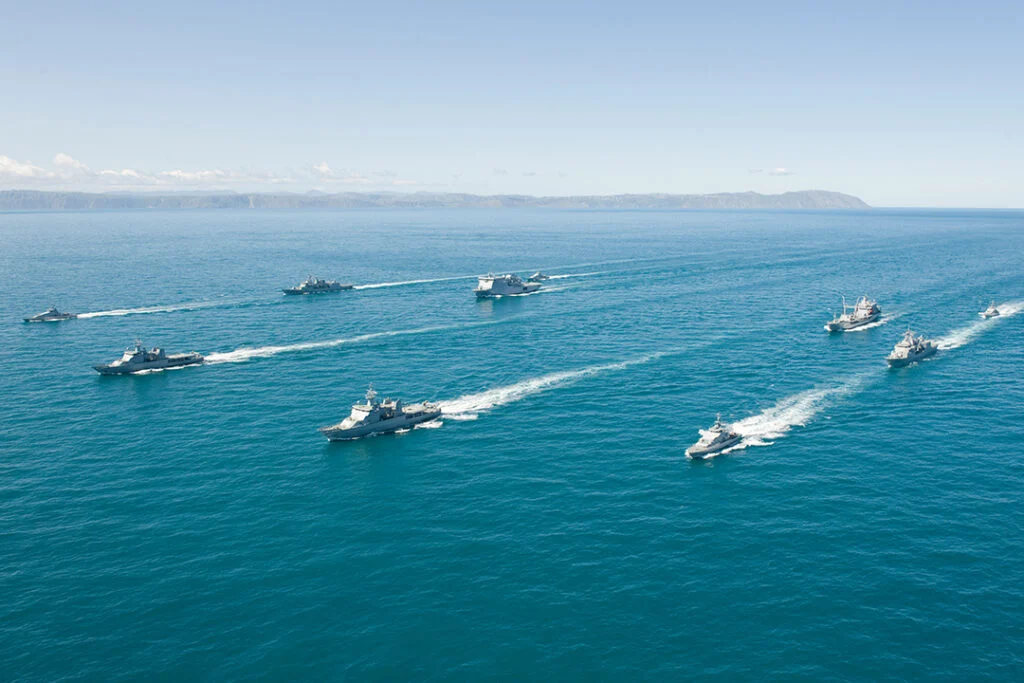
Since 2019 Iran has progressively resorted to the use of maritime seizures, drone harassment, and small-boat attacks to dominate the waters of the Gulf. Iran has targeted tankers that have been registered in the Marshall Islands, Greece, and other countries and in most of the cases, the ships have been released after a few days or weeks.
Defense experts interpret it as part of Iran’s planned strategy of controlled escalation experimenting with adversary responses without resorting to open war. With every case, it becomes more difficult and expensive for the shipping industry to operate in that area as the insurance costs go up, new route choices open, and the freedom of navigation gets eroded bit by bit.
4. Intersection with Nuclear Tensions
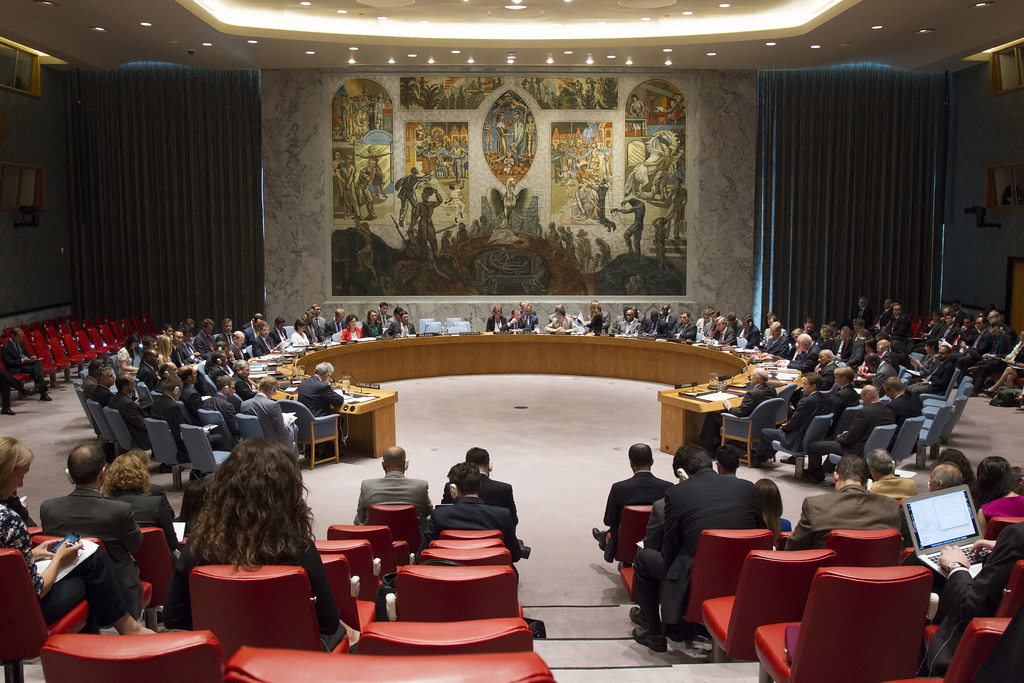
This most recent seizure happened following the termination of the negotiations between the United States and Iran in June and the reimposition of United Nations sanctions in September. The situation has been further exacerbated by Israeli and American airstrikes on Iranian nuclear facilities.
Tehran maintains that its nuclear program is for peaceful purposes only, however, due to the lack of oversight, the situation is such that one analyst referred to it as “dangerous confidence” in Iran’s capability to withstand pressure and outlast its opponents. Iran’s actions in the maritime sector are becoming one more tool in this very tense standoff.
5. Proxy Dynamics and Regional Friction
The Iranian naval strategy would not be as effective if it was not supported by the network of friendly forces the country has in Lebanon, Gaza, Iraq, Syria, and Yemen. Particularly, the Houthis have aimed the Red Sea shipping to the Iranian-supplied missiles and drones, resulting in the Western navies being forced to operate in defensive mode almost every day.
This simultaneous attack on multiple fronts exhausts the resources of the adversaries and makes their decision-making more difficult. Additionally, it allows Tehran to maintain plausible deniability as the tensions continue to simmer in different theaters.
6. Economic and Market Implications
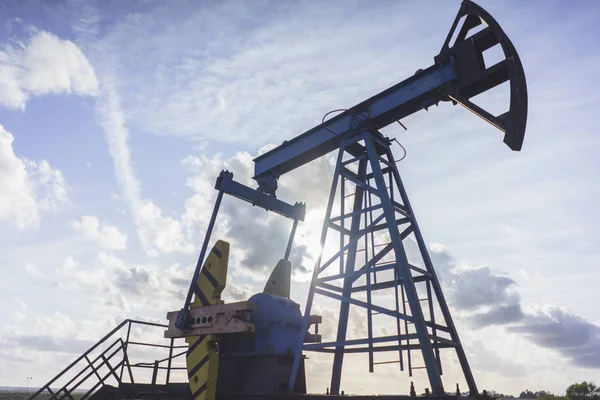
Even without a complete closure, the situation of heightened risk in Hormuz is enough to have an impact on the markets. After the latest escalations in the region, Brent crude was able to make a jump from $69 to $74 per barrel within a single day. The freight rates for very large crude carriers on the Middle East–Asia routes have seen a significant increase of triple-digit percentages during previous flare-ups.
Although pipelines from Saudi and UAE can be used as an alternative to bypass a part of the flow, small producers of the Gulf such as Kuwait, Bahrain, Qatar, and Iraq are still completely reliant on the strait, which in turn increases the probability of supply disruptions.
7. Military Calculations and Deterrence
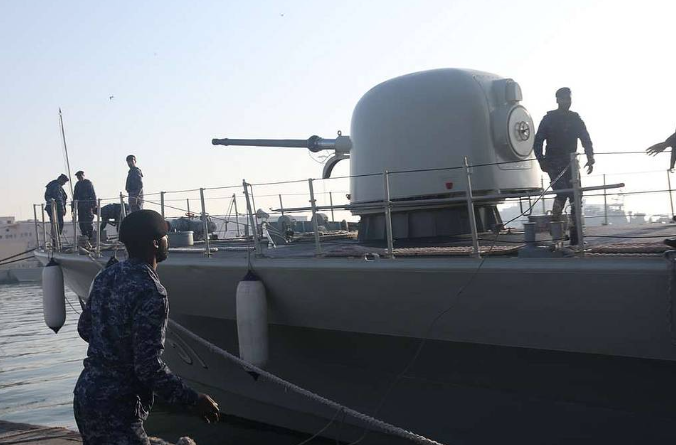
The U.S. and its allies are consistently present in the area through the Bahrain 5th Fleet, and are supported by multinational structures like the International Maritime Security Construct. Some of the recent deployments have seen the participation of carrier strike groups, advanced destroyers, and unmanned naval units.
However, analysts point out that the Gulf states might be reluctant to visibly participate in enforcement operations due to the fear of retaliation against their ports and energy sectors, thereby, leaving Western navies with the heavy burden of operation.
8. The Closure Scenario: Risks and Limits
An outright Iranian endeavor to close Hormuz would be against the country’s own economic interests as it would result in a cut of its crude revenues by about 35%. Specialists think that before doing so, Teheran will most likely selectively seize ships, mine areas covertly, or carry out targeted strikes to increase the oil prices without causing a strong retaliatory response.
As more and more of the oil being exported is diverted from the Jask terminal, Iran is in effect somewhat gradually undermining its own security – to the point where it might be lowering the threshold for use of Hormuz disruption as a bargaining chip in the next crises.
9. The Escalation Ladder
Looking at past crises, one can observe that Iran gauges its maritime moves so as not to provoke direct attacks on its land by crossing certain red lines. Nevertheless, come misjudgment is always there. The wrong identification of a ship, an unfortunate collision or an overreaction could quickly escalate the situation and lead to a wider conflict involving Gulf states, Western navies, and proxy forces.
On the other hand, a combination of nuclear opacity, proxy warfare, and maritime coercion that exists in the area makes it very volatile whereby even a seemingly routine fuel-smuggling case can turn out to be the flashpoint.
Iran’s recent tanker confiscation is beyond a localized law enforcement move it is a sign in a bigger strategic game for control of the Gulf’s waterways. The Strait of Hormuz, on the one hand, is still an economic lifeline and, on the other, a geopolitical pressure point where energy security, military deterrence, and regional rivalries meet.
Maritime confrontations will be part of Tehran’s tactics as long as diplomacy is at a standstill and sanctions are biting, thereby, keeping the region and global markets in a state of uncertainty.


