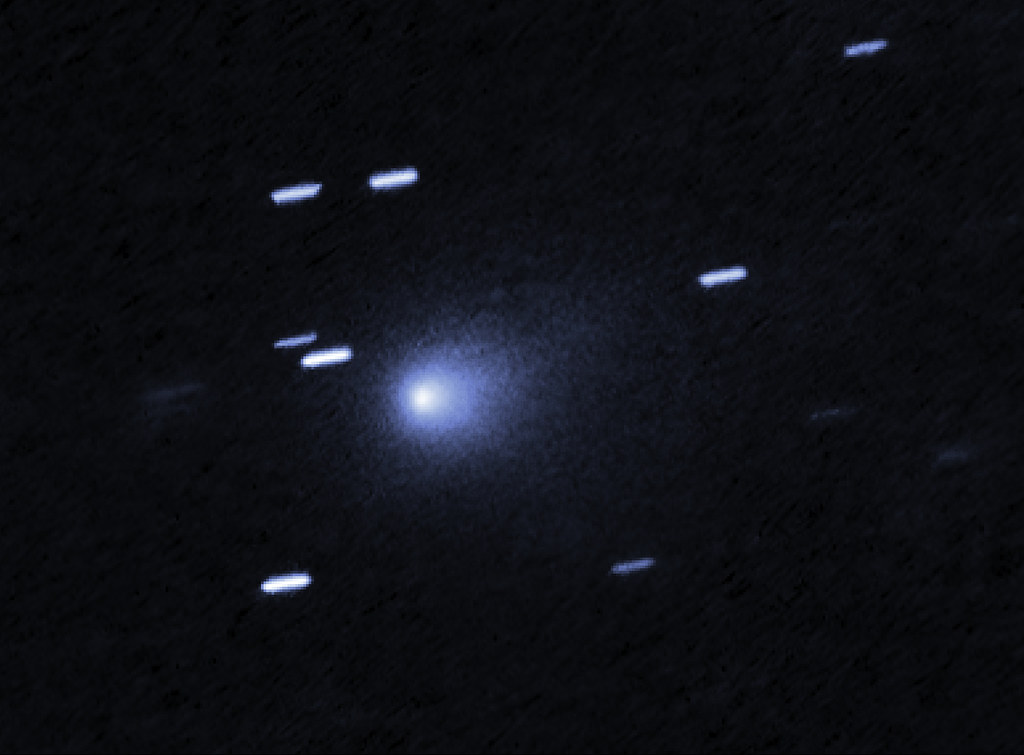
“It doesn’t behave like any known comet in the modern catalog.” That judgment, voiced by many investigators after several weeks of hard observation, sums up the enigma which is 3I/ATLAS-the third confirmed interstellar visitor to our Solar System. Detected by the ATLAS survey on July 1, 2025, and since then studied intensively by NASA’s fleet of observatories, this object is now forcing scientists to reconsider the limits of cometary physics and chemistry.
1. Discovery and Hyperbolic Trajectory
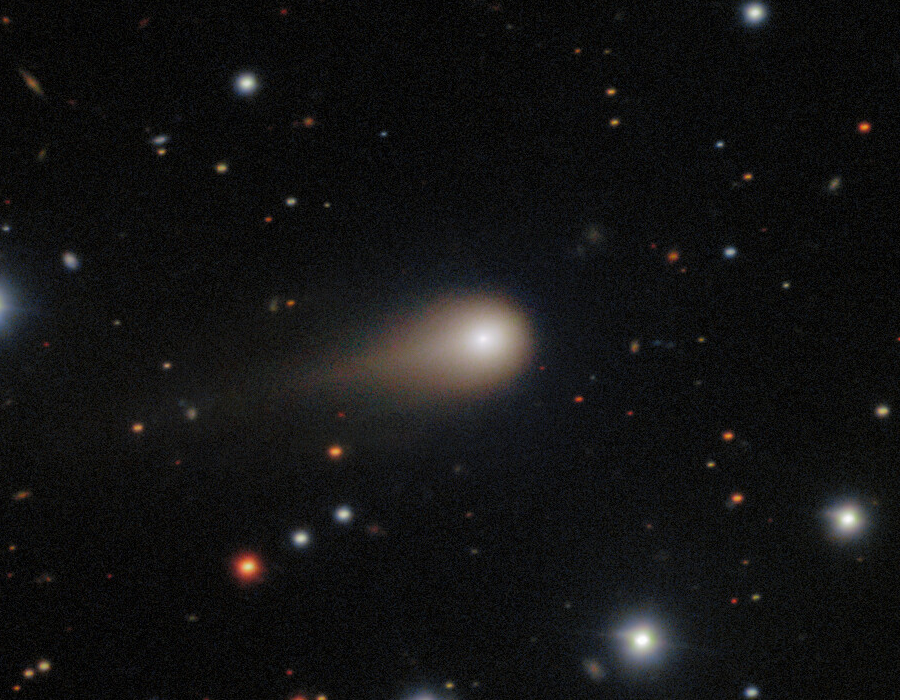
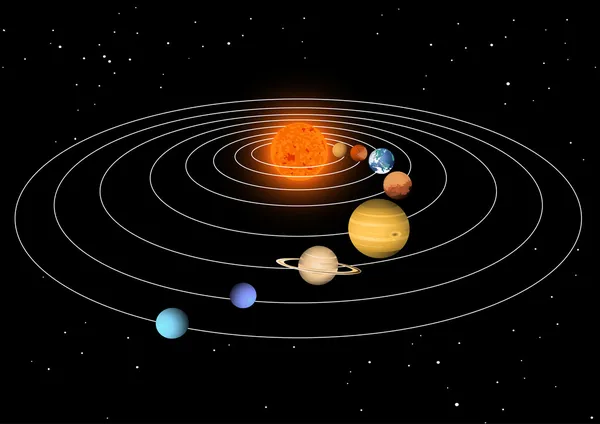
The Asteroid Terrestrial-impact Last Alert System first detected 3I/ATLAS as a fast-moving body with a hyperbolic orbit, with its eccentricity between 6.1 and 6.2-well beyond bound Solar System trajectories. It intensified activity around its perihelion on October 29, 2025, and thus formed an anomalous tail. Cruising along at 209,000 km/h, this comet will leave the Solar System permanently after a brief tour of the inner planets, passing by Mars at 50 million kilometers in March 2026. Orbital modeling assures that it has indeed wandered through interstellar space for billions of years, reaching such speeds by means of gravitational encounters with stars and nebulae.
2. JWST Spectroscopy and Exotic Chemistry
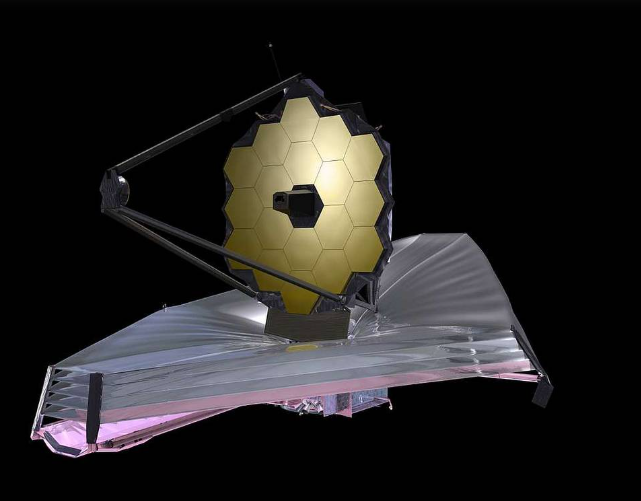
The James Webb Space Telescope targeted 3I/ATLAS in an attempt to dissect the comet’s gas emissions. Spectral lines at 1.665 and 1.667 GHz associated with hydroxyl (OH) molecules revealed sublimation patterns unlike those of Oort cloud comets. Preliminary results indicate that CO₂-driven cooling must have suppressed H₂O sublimation until the object was much closer to the Sun, which would produce an emission profile biased toward non‑Oort‑like chemistry. This is consistent with theories of the formation of comets in extrasolar systems in which volatile inventories may vary greatly owing to the star’s temperature and planetary architecture.
3. Mass Loss and Non‑Gravitational Acceleration
Post-perihelion estimates show that it has lost 13% of its mass in agreement with strong outgassing. Measurements by NASA’s Jet Propulsion Laboratory provided radial acceleration away from the Sun at 135 km/day², with transverse acceleration at 60 km/day²-values indicative of large non-gravitational forces. Accelerations of this order correspond to models in which the thermal ejection speeds reach hundreds of meters per second, and which reduce the evaporation half-life to six months.

4. Fragmented vs. Structured Tail Morphology
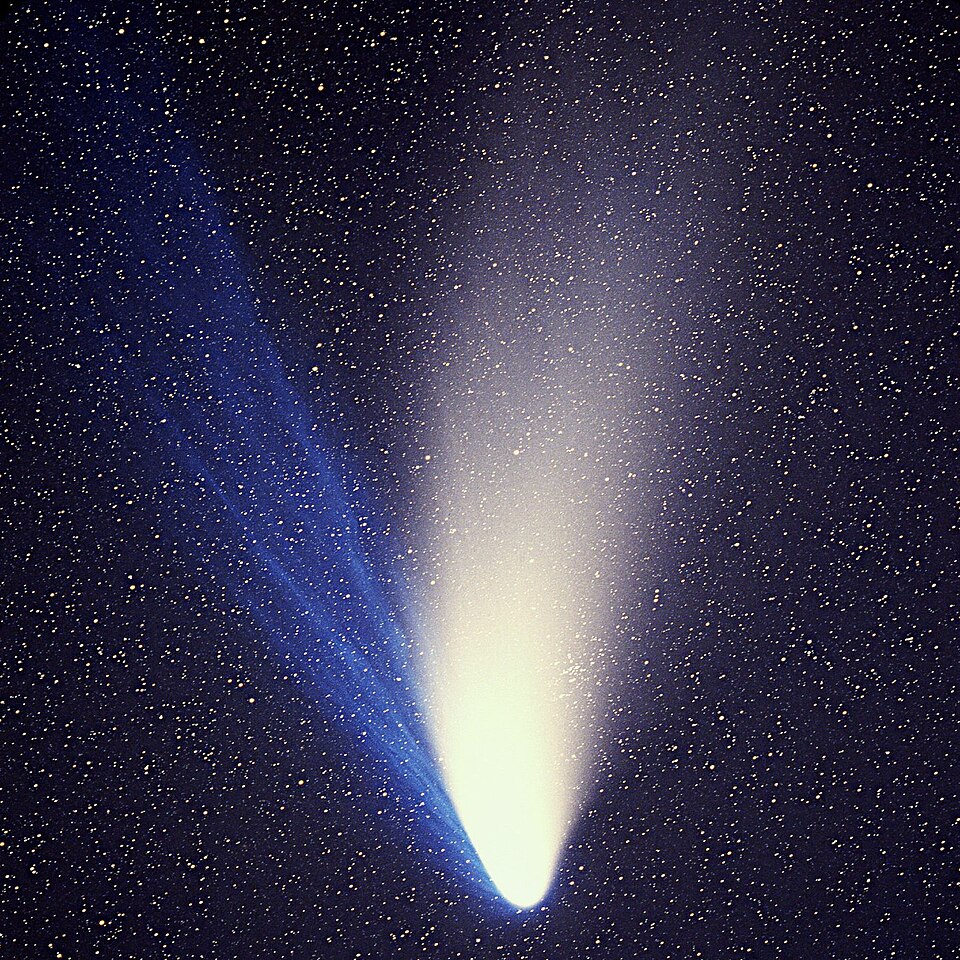
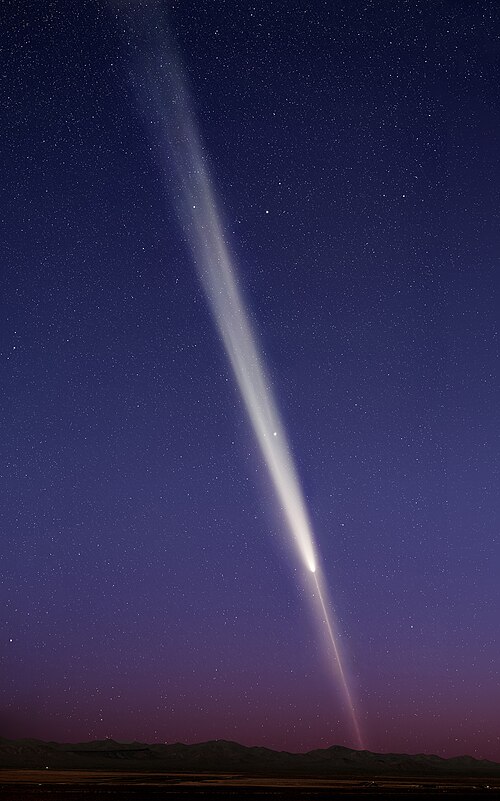
Deep-sky imaging on November 25, 2025, put a quantitative estimate on the tail’s amazing length at 6.5 million kilometers, more than fifteen times the Earth-Moon distance. In dramatic contrast to common comets with their diffuse and chaotic tails, the tail of 3I/ATLAS is narrow, coherent, and divided by marked color and intensity bands. Embedded helical distortions and secondary jets suggest episodic, rotationally modulated release events. Such ordered structures over huge distances run counter to standard models of solar wind and radiation pressure, suggesting either unusual nucleus mechanics or novel dust-plasma interactions.
5. Anti‑Tail and Potential Swarm Phenomenon
Harvard astrophysicist Avi Loeb reported a sunward “anti‑tail” in post‑perihelion images a teardrop‑shaped coma elongation that may be due to a swarm of non‑evaporating objects accompanying the comet. Displacement measurements imply these objects lie ~54,000 km closer to the Sun than the nucleus, and could reflect 99% of sunlight in the observed glow. Whether fragments of rock or something more exotic, their presence would radically alter models of the dynamics of interstellar bodies.
6. Cryovolcanic Activity and Surface Composition
Evidence for cryovolcanoes eruptions of volatile ices ties 3I/ATLAS to the trans‑Neptunian objects in our own system. “The remarkable similarity in surface material mixture, in spite of its formation within a remote planetary system, may imply convergent processes in icy body evolution across different stellar environments,” Josep Trigo‑Rodríguez says, providing one of the very rare comparison datasets available for planetary formation theories.
7. Imaging Campaigns Across the Solar System
Hubble bracketed the nucleus size between 320 m and 5.6 km; Mars-orbiting spacecraft such as MAVEN and ESA’s ExoMars TGO captured distant views during its October flyby. Though extremely faint in those frames, the data help further refine dust-loss rates and coma expansion models under extreme solar wind exposure. These multi-platform observations are fundamental to correlating tail morphology with outgassing physics.
8. Implications for Interstellar Object Classification
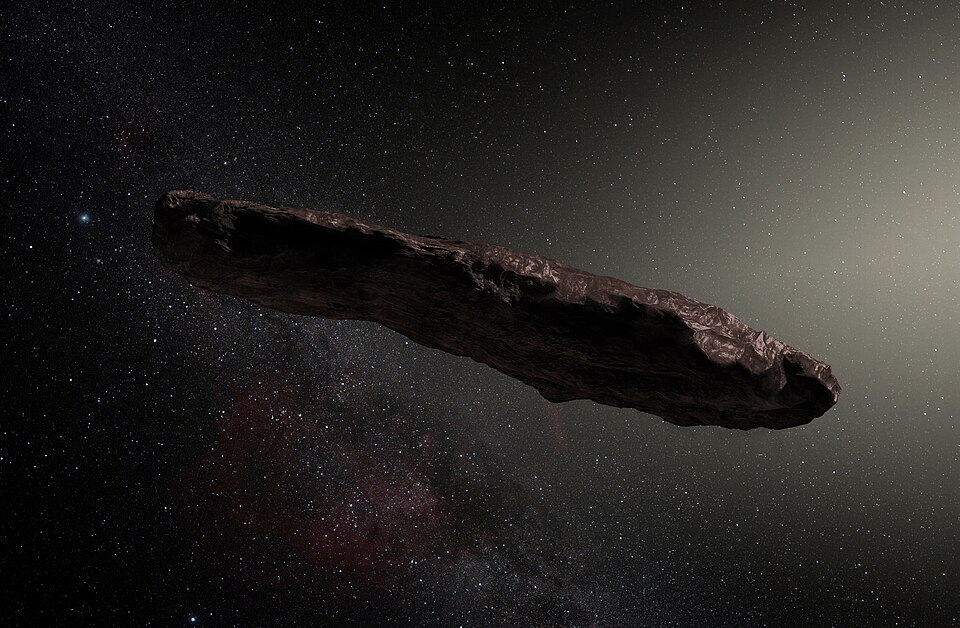
Differences in chemistry, tail dynamics, and acceleration behavior from both ‘Oumuamua and 2I/Borisov raise the possibility that 3I/ATLAS belongs to an entirely new subclass of interstellar objects. Analytical frameworks comparing eccentricity-perihelion distributions show a high probability of interstellar origin and low likelihood of Oort cloud scattering absent recent close stellar encounters.

Continued monitoring of 3I/ATLAS, through JWST spectroscopy, high-resolution imaging, and studies involving solar wind interaction, provides an unprecedented opportunity to probe the physical and chemical diversity of extrasolar small bodies. Whether its anomalies stem from unfamiliar natural processes or reveal engineered structures, the data are pushing the boundaries of cometary science and interstellar dynamics.


