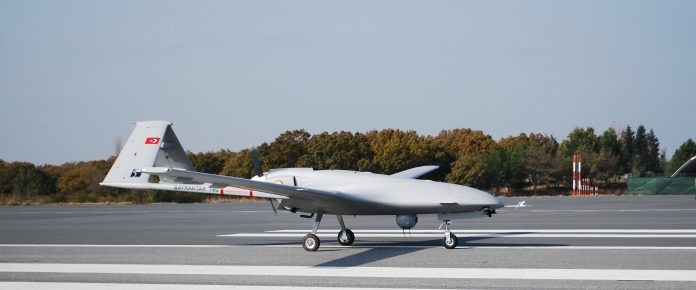
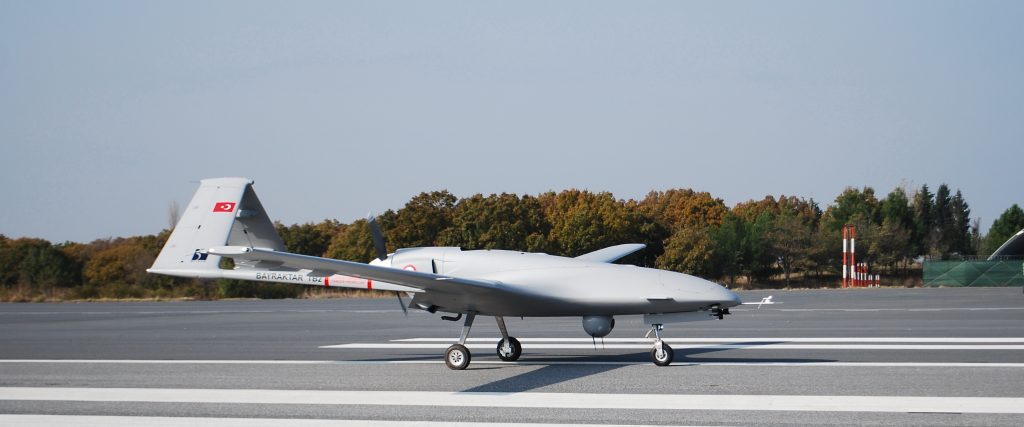
“Turkey now produces 65 percent of global UAV exports.” This startling figure, cited by the Center for a New American Security, encapsulates the transformation of Ankara’s defense posture. In less than a decade, the country has evolved from a mid‑tier arms importer into the world’s largest exporter of unmanned aerial vehicles, with Baykar’s Bayraktar TB2 and Akıncı models at the forefront.
This surge is not merely technological it is ideological. Under President Recep Tayyip Erdoğan, drone warfare has fused with political Islam and neo‑Ottoman aspirations, creating a hybrid instrument of hard power projection and soft ideological influence. From Libya to Nagorno‑Karabakh, Turkish drones have altered battlefields, reinforced Islamist networks, and challenged Western strategic assumptions.
The following analysis dissects nine critical dimensions of this phenomenon, exploring how Turkey’s military‑tech complex underpins interventionism, reshapes alliances, and complicates U.S. and NATO policy in volatile regions.
1. Baykar’s Rise and the Indigenous Drone Boom
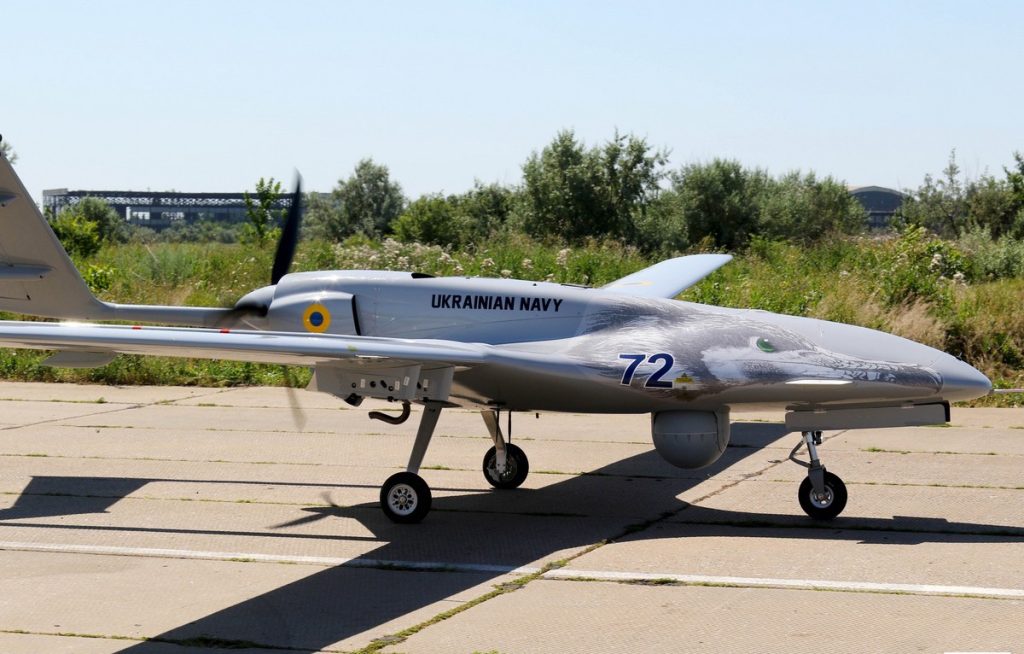
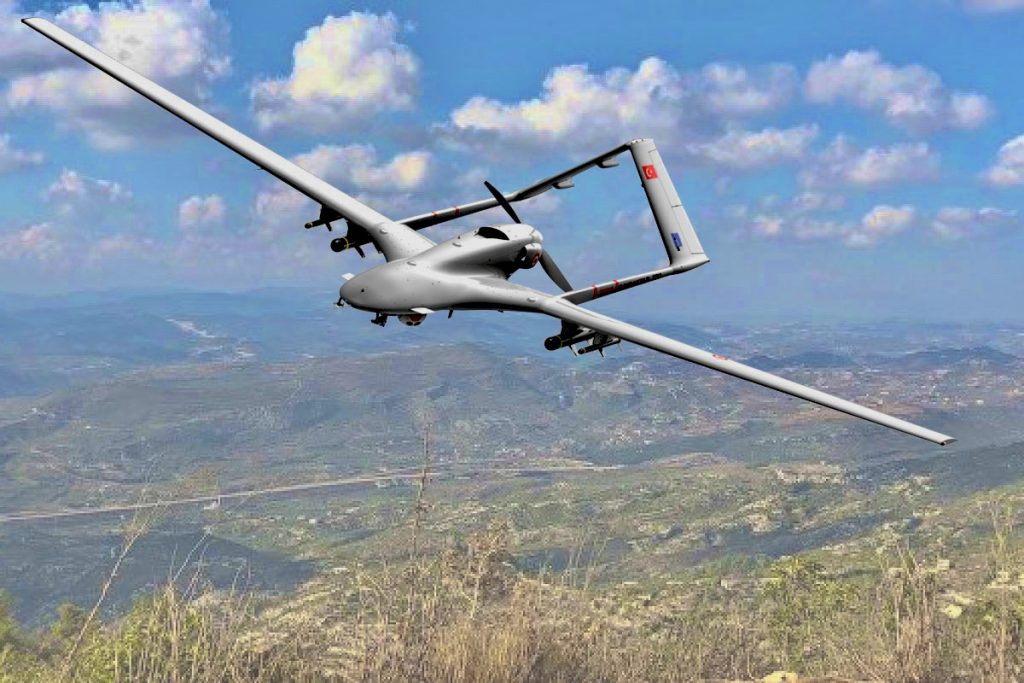
Baykar Technologies, co‑founded by Selçuk Bayraktar Erdoğan’s son‑in‑law has become the emblem of Turkey’s defense industrial ascent. The Bayraktar TB2, a medium‑altitude, long‑endurance UAV, offers 24‑hour endurance, precision‑guided munitions capability, and affordability at a few million dollars per unit. State investment via the Presidency of Defense Industries bypassed foreign restrictions, enabling exports to over thirty governments. By early 2025, Bayraktar systems had logged more than 400,000 flight hours globally, with sales outpacing those of the United States, Israel, and China. This industrial success is woven into a nationalist narrative of “Muslim‑rooted” science, making drones both a strategic asset and a symbol of technological independence.
2. Battlefield Impact in Libya, Syria, and Nagorno‑Karabakh
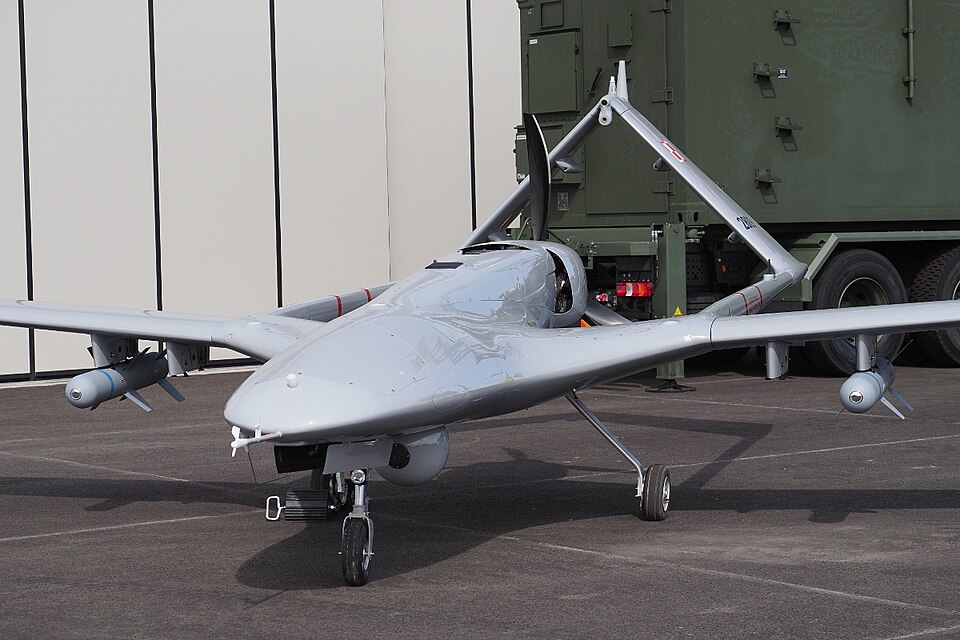
In Libya (2019–2020), TB2s destroyed artillery and armor of Khalifa Haftar’s forces, breaking the siege of Tripoli and enabling the Government of National Accord to regain ground. In Syria, Turkish UAVs targeted PKK and YPG positions during cross‑border operations, blunting Russian‑backed offensives in Idlib. In Nagorno‑Karabakh (2020), TB2s supplied to Azerbaijan dismantled Armenian air defenses and armor, decisively shifting the conflict’s outcome. These deployments demonstrate how drones serve as force multipliers, allowing Ankara to achieve disproportionate battlefield effects with limited troop commitments.
3. Islamist Ideology and Neo‑Ottoman Framing
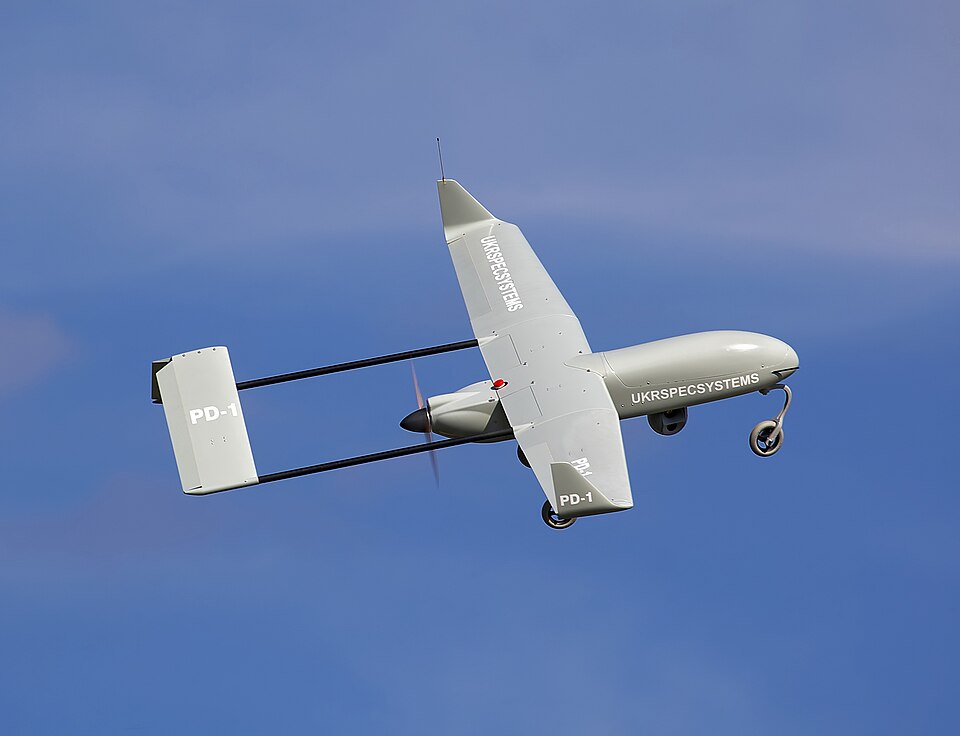
Erdoğan’s foreign policy blends nationalism, political Islam, and Ottoman nostalgia. He invokes historic cities from Sarajevo to Jerusalem as beneficiaries of Turkey’s rise, positioning UAV successes as victories for Islamic unity. Domestically, drones are celebrated as “made in Turkey” by Muslim engineers, reinforcing the rhetoric of a national technology leap (milli teknoloji hamlesi). This ideological framing legitimizes interventions in Muslim‑majority states as protective acts, while advancing a regional hegemonic vision rooted in Ottoman heritage.
4. Alliances with Islamist Networks
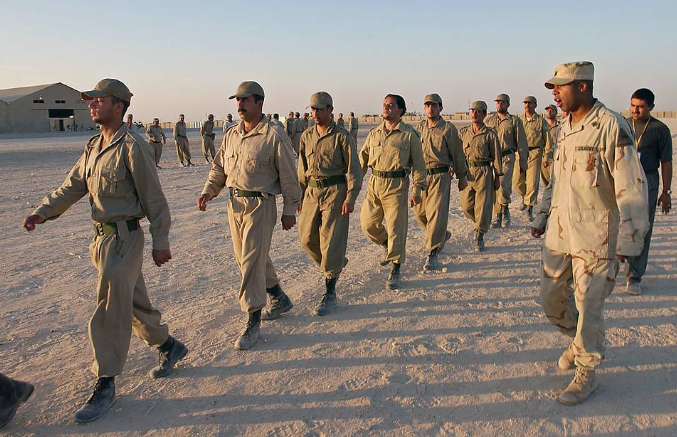
Drone diplomacy is intertwined with alliances such as the Turkish–Qatari partnership, which channels military technology and funds to Muslim Brotherhood‑aligned actors. Baykar’s early exports to Qatar coincided with joint support for Hamas, Libyan GNA militias, and Islamist factions in Syria. Ankara has hosted Hamas leaders, facilitated Brotherhood‑linked NGOs, and supplied drones to partners from Pakistan to Tunisia. These networks extend Turkey’s reach, embedding UAVs within transnational Islamist solidarity structures.
5. Expansion into Africa’s Conflict Zones
Africa has become Turkey’s fastest‑growing drone market. Nations like Mali, Burkina Faso, and Niger have deployed TB2s against insurgents, with strikes eliminating rebel fighters in Sahel conflicts. The Ethiopian government used Turkish drones in the Tigray war, while Libya’s GNA relied on them against Haftar. Ankara’s exports, often free of human‑rights conditions, appeal to governments with constrained budgets. Yet analysts warn of civilian harm and unregulated warfare, as extremist groups adapt commercial drones for offensive use.
6. Technical Evolution: TB2, TB3, and Akıncı
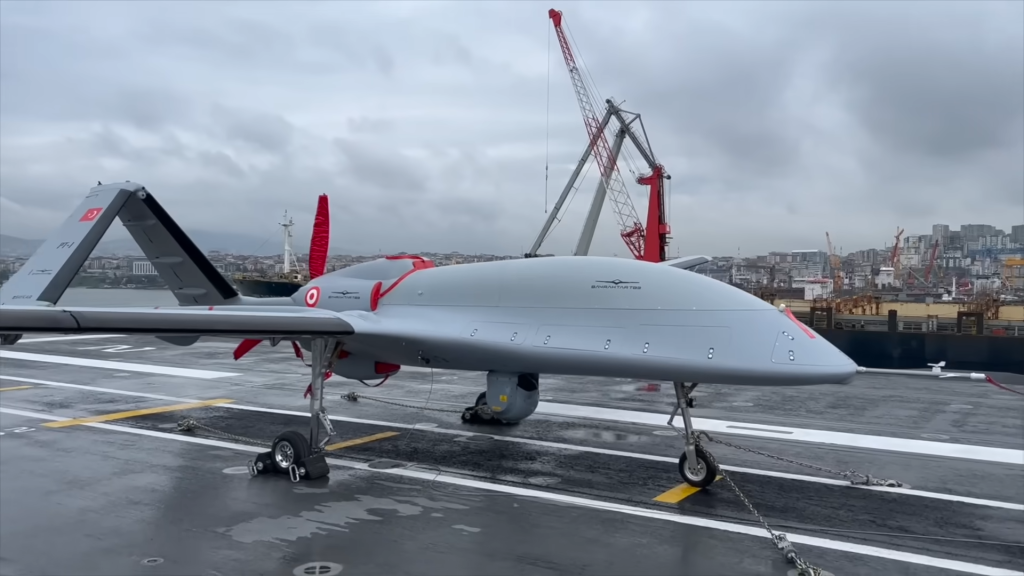
Baykar’s UAV family spans tactical to strategic capabilities. The TB2 offers ~150 kg payload and EO/IR sensors for ISR and light strike. The TB3, with foldable wings and maritime radar, is optimized for shipborne deployment, extending reach to naval operations. The Akıncı, twin‑turboprop powered, carries heavy munitions, AESA radar, and electronic warfare suites, operating above 40,000 feet. Shared control systems across models simplify training and logistics, enabling layered deployment from coastal patrols to deep‑strike missions.

7. NATO Frictions and Regional Provocations
Turkey’s drone‑backed assertiveness in the Eastern Mediterranean patrolling contested Cypriot airspace and enforcing maritime claims has strained relations with Greece, Cyprus, and Israel. The 2019 naval accord with Tripoli disregarded Greek and Cypriot interests, alarming EU allies. Such actions force Washington to mediate intra‑NATO disputes, complicating alliance cohesion. In Syria, Turkish strikes on U.S.‑backed SDF forces have undermined coalition operations against ISIS, illustrating how UAV deployments can directly challenge allied strategies.
8. Balancing Between Russia, China, and the West
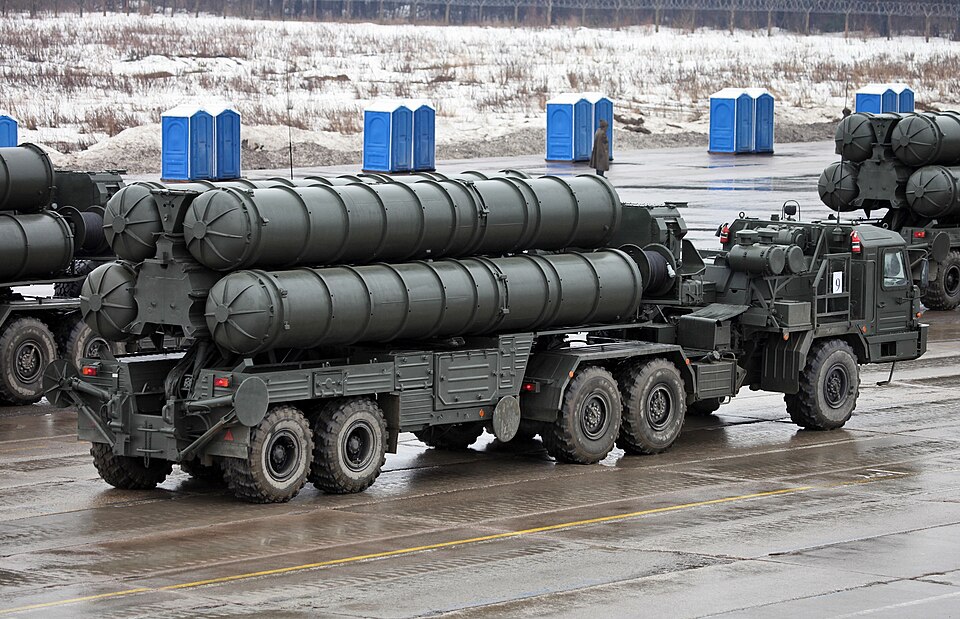
Ankara’s UAV exports to Ukraine coexist with reluctance to sanction Russia and deepening economic ties to Moscow and Beijing. Turkey’s co‑production deal for TB2s in Ukraine bolsters Kyiv’s defense, yet its purchase of Russian S‑400 systems led to exclusion from the F‑35 program. Engagement with China’s Belt and Road and dialogue partnerships with the Shanghai Cooperation Organization reflect a hedging strategy, using drone diplomacy to maintain leverage across competing blocs.
9. U.S. Policy Challenges and Countermeasures
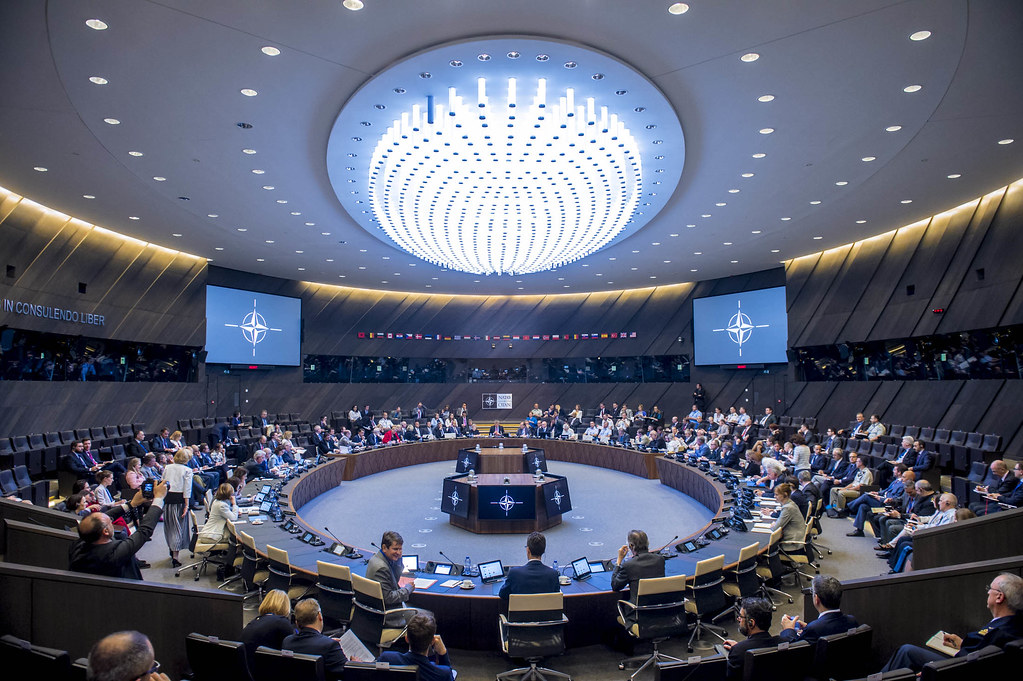
For Washington, Turkey’s model marrying Islamist politics to advanced UAVs creates strategic headwinds. It empowers militias and governments opposed to U.S. objectives, strains NATO unity, and destabilizes regions from the Levant to North Africa. Policy responses include bolstering allies’ defenses, restricting drone proliferation, and conditioning arms sales on alignment with NATO goals. Investing in anti‑drone systems and next‑generation UAVs, alongside diplomatic engagement, aims to mitigate Ankara’s disruptive potential without severing alliance ties.
Turkey’s drone revolution is more than a defense‑industrial success; it is a geopolitical instrument reshaping conflict dynamics through an ideological lens. By embedding UAV technology within Islamist networks and neo‑Ottoman narratives, Ankara has crafted a distinctive interventionist model. For policymakers and defense analysts, understanding this fusion of hard power and identity politics is essential to anticipating Turkey’s next moves and to formulating strategies that safeguard regional stability amid the age of drone‑driven statecraft.


