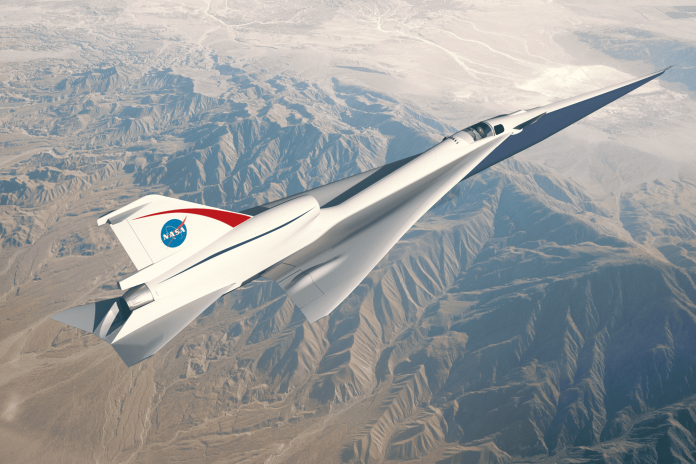
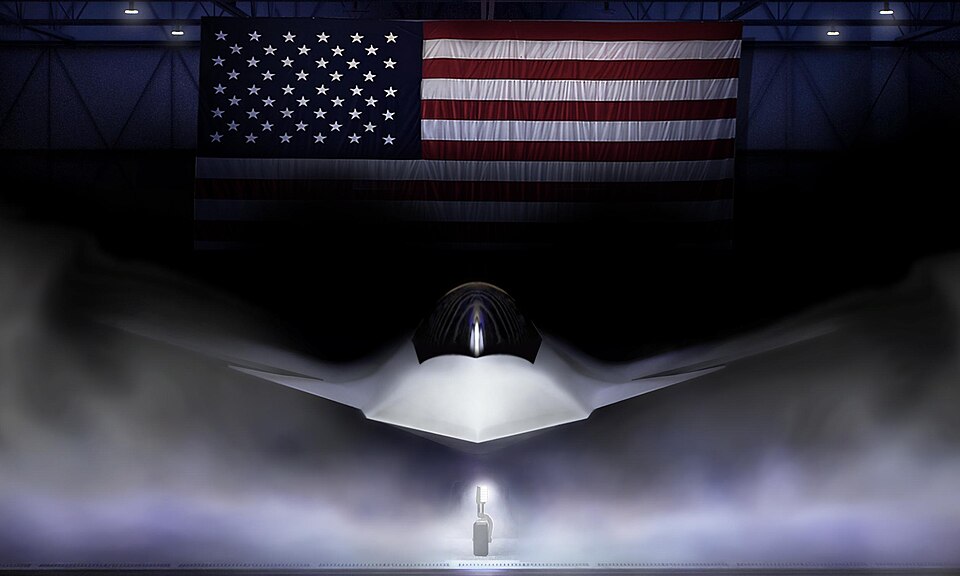
Can an upgraded fifth‑generation fighter really stand toe‑to‑toe with a purpose‑built sixth‑generation jet? That’s the question now gripping the U.S. defense community as Lockheed Martin’s so‑called “Ferrari” F‑35 concept emerges as a direct counterweight to Boeing’s F‑47 Next Generation Air Dominance (NGAD) fighter.
The Air Force’s decision space is tightening. On one side is Boeing’s stealthy, long‑range, Mach‑2‑plus F‑47—central to a networked family of systems designed to dominate the skies in the 2030s and beyond. On the other is Lockheed’s proposal to deliver 80% of that capability now, at half the cost, by supercharging the F‑35 with advanced engines, sensors, and weapons.
With China’s Chengdu J‑36 already flying and potentially entering service by 2030, the stakes are high. Here are nine key factors shaping this high‑speed collision between two visions of American air dominance.
1. The Cost‑Capability Tradeoff
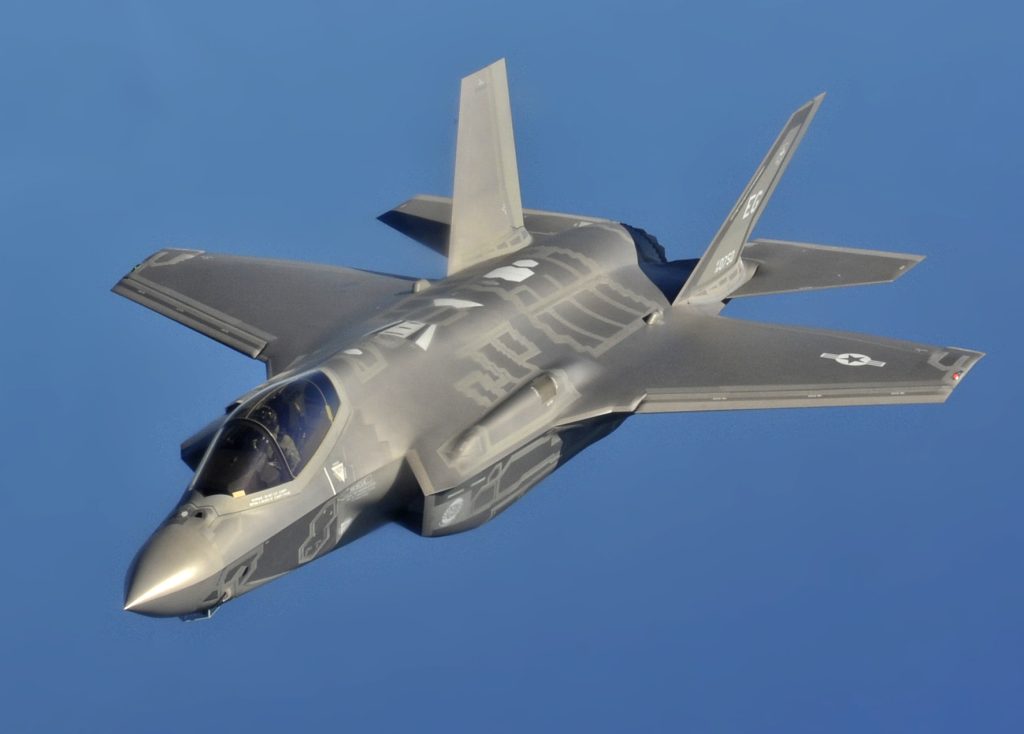
Air Force Secretary Frank Kendall has repeatedly warned that NGAD’s original concept came in at roughly three times the cost of an F‑35. That’s why Lockheed CEO Jim Taiclet’s pitch 80% of NGAD capability at 50% of the cost has gained traction. At an estimated $150 million per aircraft, the upgraded F‑35 would still be expensive, but far below the projected $300 million per F‑47. The question is whether reduced cost can justify giving up the final 20% of performance in a future fight with peer adversaries.
2. The ‘Ferrari’ F‑35 Upgrade Package
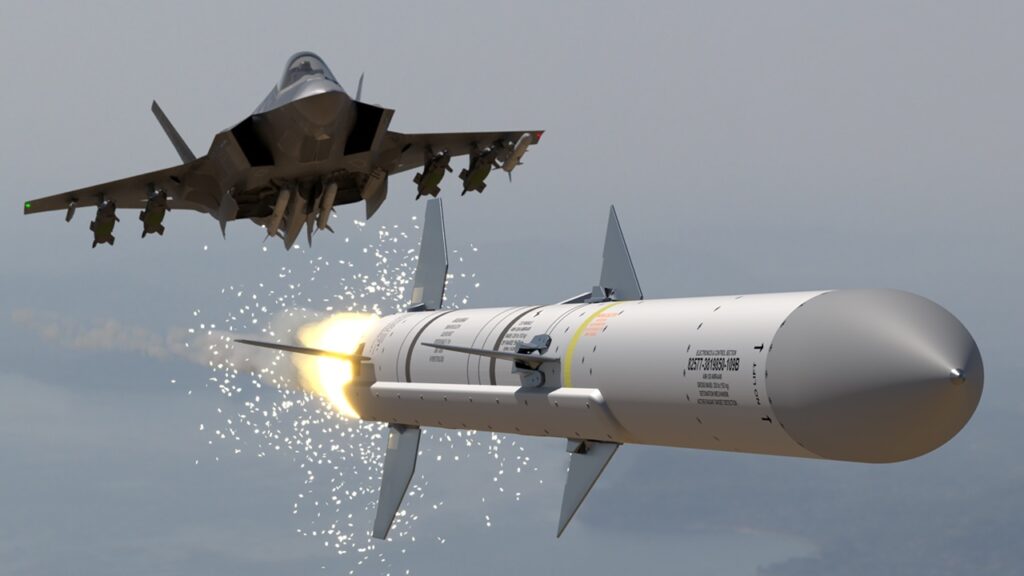
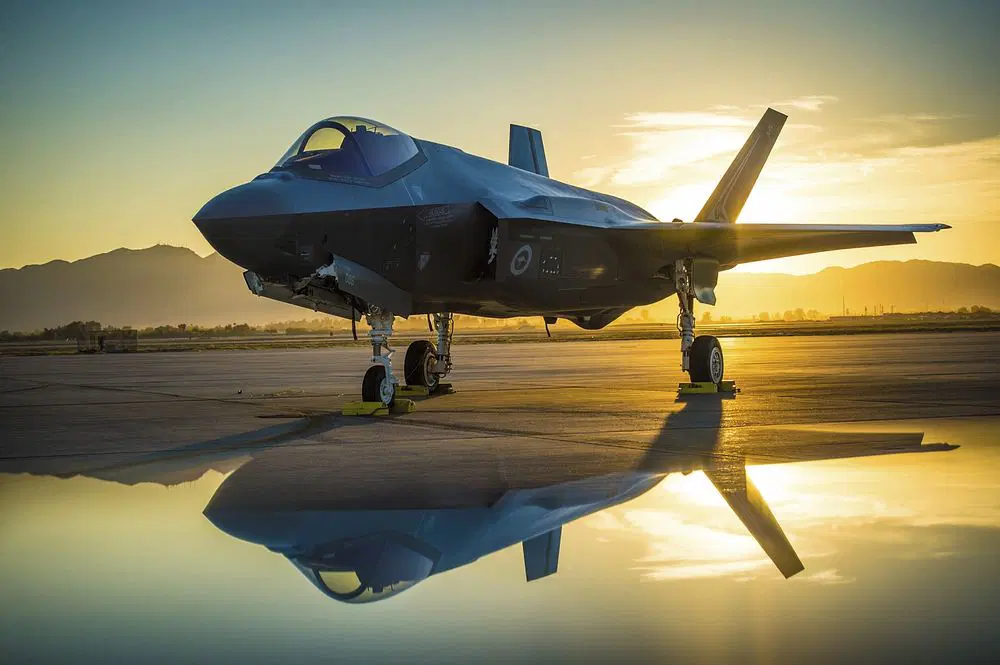
Lockheed’s vision draws on NGAD‑derived technologies: Adaptive Engine Transition Program (AETP) powerplants for better speed, climb, and electrical output; enhanced stealth through revised geometries and materials; advanced electronic warfare suites; and potentially pilot‑optional capability. The integration of the AIM‑260 Joint Advanced Tactical Missile would restore a “first look, first kill” edge, while expanded internal weapons racks would boost loadout from four to six missiles. Taiclet calls it a “fifth‑generation‑plus” bridge to the 2030s.
3. Block 4 and Tech Refresh 3
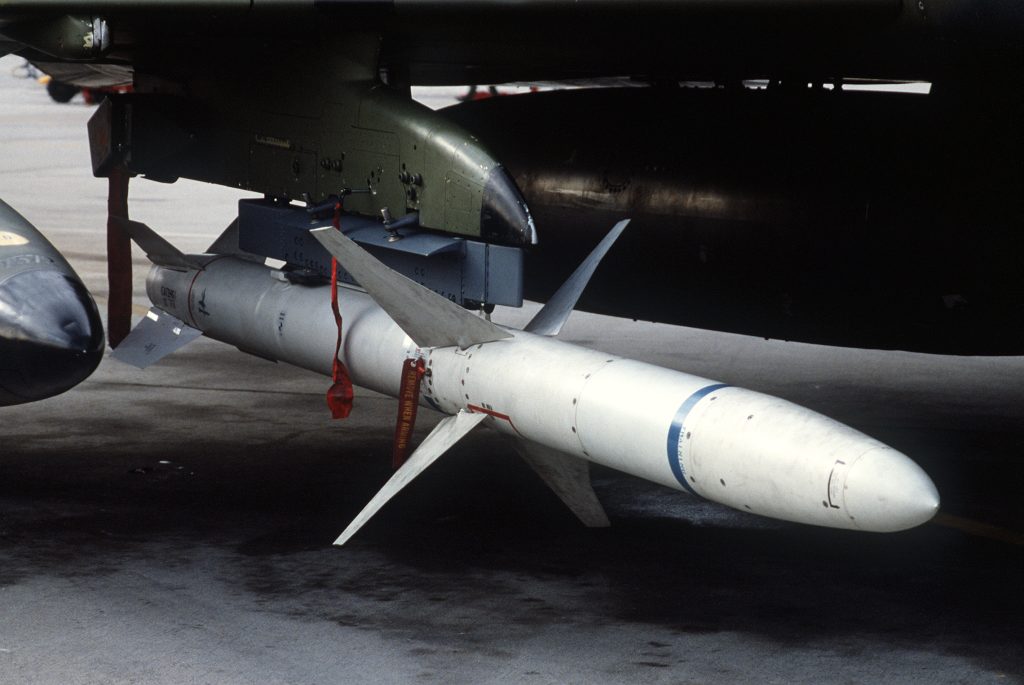
The upcoming Block 4 software upgrade is central to the Ferrari F‑35 concept. Coupled with Tech Refresh 3’s expanded computing power, Block 4 will enable the jet to deploy the AIM‑260, AGM‑88G AARGM‑ER, and the tri‑mode seeker GBU‑53/B Stormbreaker. These weapons extend engagement ranges, improve suppression of enemy air defenses, and allow precision strikes through adverse weather—capabilities critical to countering advanced integrated air defense systems.
4. The F‑47’s Sixth‑Generation Edge
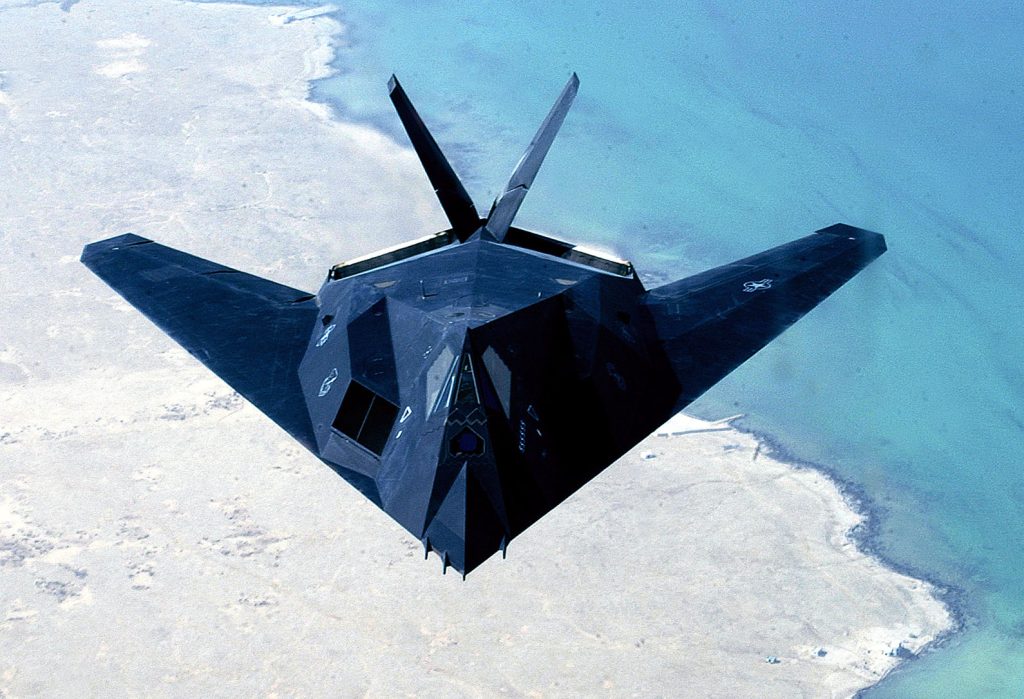
Boeing’s F‑47 is designed from the ground up for sixth‑generation warfare: a combat radius over 1,000 nautical miles, speeds above Mach 2, all‑aspect broadband stealth, and reduced infrared signature. It will act as a command node for drones, leveraging next‑gen sensors, secure communications, and adaptive architecture to integrate emerging technologies. Maj. Gen. Joseph Kunkel calls its capabilities “game‑changing” for both the Air Force and the Joint Force.
5. Collaborative Combat Aircraft Integration
Both concepts envision teaming with Collaborative Combat Aircraft (CCA) drones, but the F‑47 is being built with this in mind from day one. CCAs will perform scouting, electronic attack, and strike missions, multiplying the reach of manned fighters. While initial assumptions were two to five CCAs per fighter, simulations now suggest one pilot could control more, potentially reshaping fleet size requirements. The Air Force’s first tranche aims for at least 1,000 CCAs, but scaling production remains a challenge.
6. The Industrial Base and Production Speed
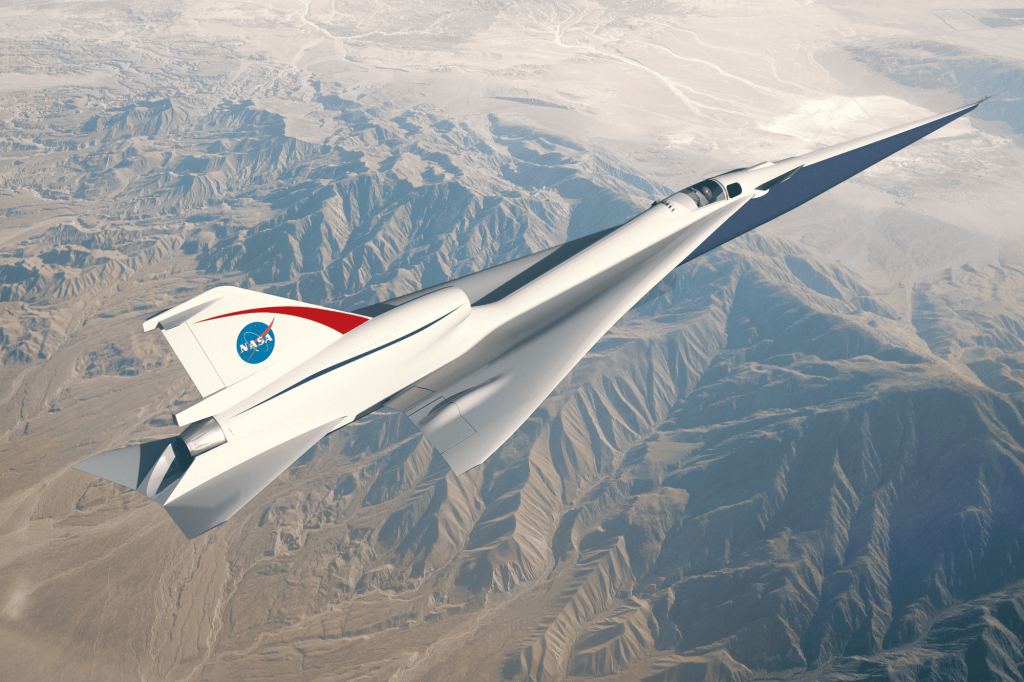
Boeing’s rapid move from NGAD award to F‑47 production is credited to Phantom Works and extensive prototyping. Steve Parker, Boeing Defense CEO, highlighted that “the maturity of our design” stems from hundreds of hours flown by X‑planes since 2019. Yet the U.S. drone industrial base lags behind China and Russia in mass production capacity, raising questions about sustaining CCA numbers in high‑attrition scenarios.
7. China’s J‑36 Head Start
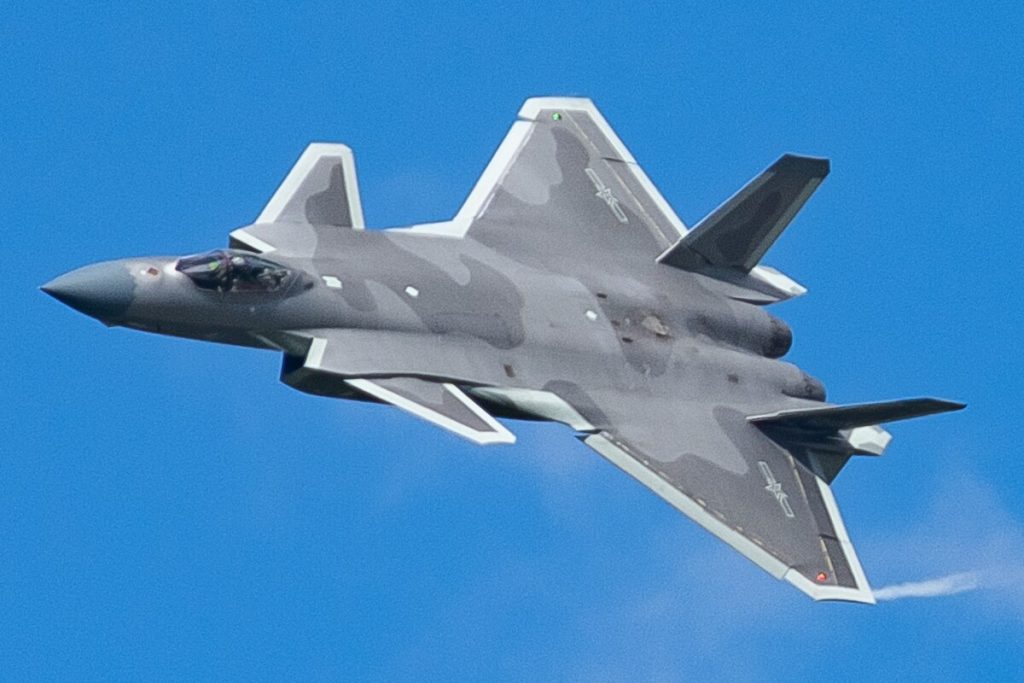
China’s Chengdu J‑36 a tailless, twin‑seat stealth fighter has been flying publicly since late 2024. Analysts project it could enter service by 2030, potentially making it the first operational sixth‑generation fighter. With progress on advanced engines like the WS‑15 and a record of rapid development on the J‑20, Beijing’s pace is “incredibly fast,” warned Assistant Secretary Andrew Hunter. If the F‑47 slips past 2029 for operational entry, China could seize the symbolic and strategic advantage.
8. Budget Politics and Program Risk
Congress has already trimmed NGAD funding, with the FY2025 NDAA cutting $30.9 million and the Senate eyeing a further $557.1 million shift toward CCAs. Lawmakers have criticized the Air Force for combining NGAD and CCA funding lines, limiting transparency. High unit costs risk shrinking the F‑47 fleet below the 185‑jet target, undermining mass in a Pacific conflict. Conversely, the Ferrari F‑35 could appeal to budget hawks seeking near‑term capability without ballooning procurement bills.
9. The Strategic Timing Dilemma
Lockheed argues the Ferrari F‑35 could be fielded within years, bridging a 5‑ to 10‑year gap before NGAD arrives. Boeing’s F‑47 promises unmatched capability but may not fly operationally until the late 2020s. With adversaries accelerating, the Air Force must decide whether to prioritize immediate upgrades to the existing fleet or hold out for the generational leap risking a capability gap if timelines slip.
The clash between the Ferrari F‑35 and the F‑47 is more than an industrial rivalry it’s a strategic fork in the road for U.S. airpower. Choosing between rapid, cost‑effective enhancement of a proven platform and the leap to an untested but potentially dominant sixth‑generation system will shape the balance of air dominance well into the 2040s. In a race where China is already on the runway, the margin for error is razor‑thin.


