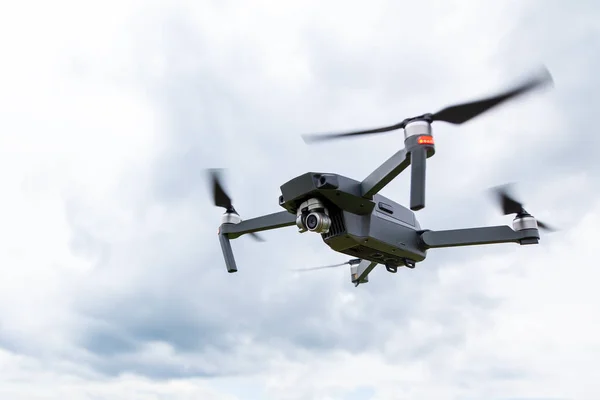
“If anyone still thinks drones are just playthings for hobbyists, they haven’t been paying attention to modern warfare. In conflicts from Ukraine to Gaza, unmanned systems have moved from novelty to necessity, remaking the tactics of combat and forcing militaries into an relentless race to adapt. The stakes are high: who controls the airspace – with swarms of armed UAVs or with the technology that can bring them down – enjoys a decisive advantage.
Dozens of Israeli and international companies displayed their latest counter-UAS solutions during last week’s UVID Drone conference in Tel Aviv. The event made a very clear point-one that battlefield commanders already understand: drone threats are changing faster than ever before, and so must the systems designed to detect, disrupt, and destroy them. From AI-driven detection networks to directed-energy interceptors, today’s innovations will determine tomorrow’s fight.
This listicle breaks down the ten most significant developments driving both drone warfare and counter‑drone technology, offering a view on where the battlespace is heading and what capabilities will matter most.
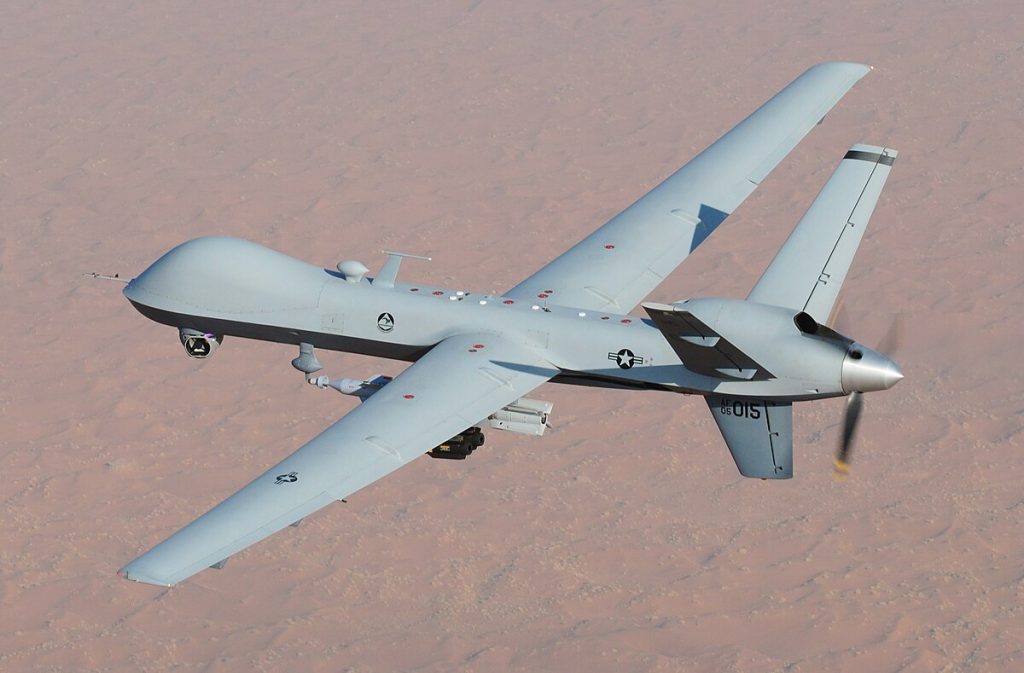
1. AI‑Powered Drone Detection
Artificial intelligence is transforming detection capabilities, enabling systems to identify UAVs and distinguish them from birds or civilian aircraft in real time. By integrating machine learning and deep neural networks, operators can eradicate false positives and accelerate defensive responses. AI‑enabled radar systems now guide targeting decisions, ensuring that energy and munitions are spent only on legitimate threats. Satellite‑based monitoring extends this reach, enabling the detection of UAVs at extreme altitudes or beyond conventional radar coverage.
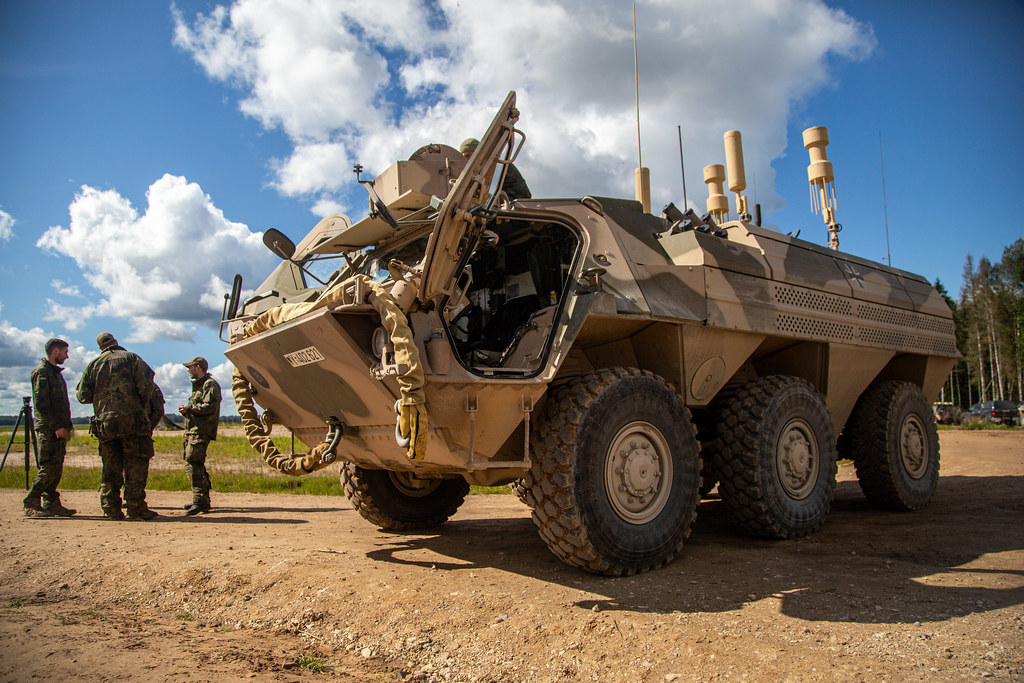
2. Directed‑Energy Interceptors
Laser-based neutralization provides precision at the speed of light, disabling the drones mid-flight without any collateral damage. These systems perform remarkably well in urban areas where the chances of creating unintended impact have to be minimal. In modern anti-drone radars, the targeting information is fed directly to the high-intensity beams, enabling operators to engage multiple UAVs in a swarm. Integrating AI ensures accurate acquisition, making directed-energy weapons a dominant technology in c-UAS arsenals.
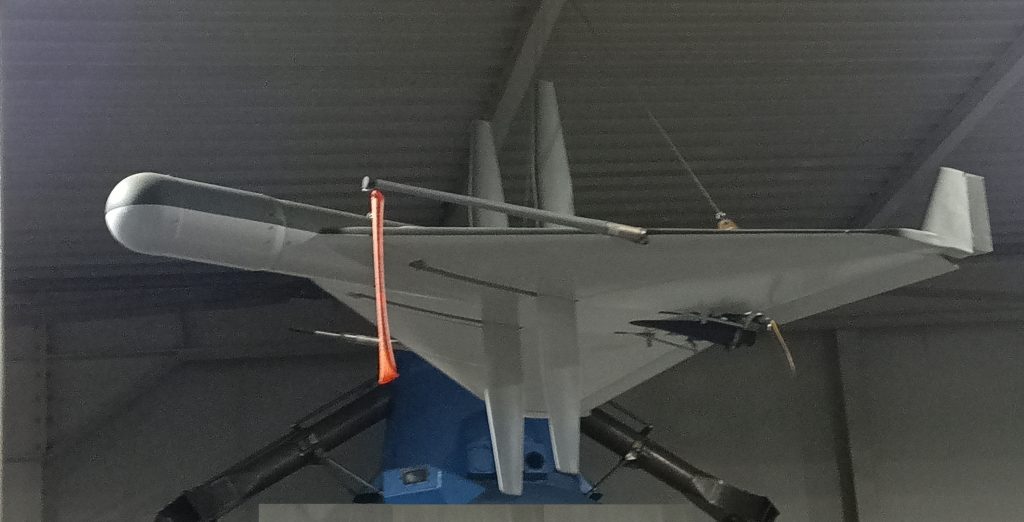
3. Electromagnetic Pulse Weapons
EMP devices provide a silent kill by burning out drone electronics. Capable of disabling entire swarms with just one pulse, they are invaluable in guarding critical infrastructure and military installations. Developments in anti‑drone radar have increased targeting precision, allowing EMP blasts to be delivered exactly where needed. Lightweight and adaptable designs are emerging that allow for field units to deploy EMP systems for independent interception missions.
4. Cyber Countermeasures
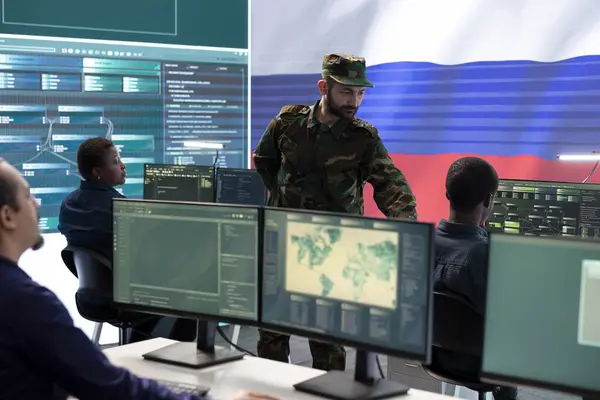
With UAVs fast becoming networked and AI‑driven, cybersecurity is a frontline concern. The militaries are developing tools to hijack hostile drones, intercept communications, and deploy GPS spoofing countermeasures in support of defeating jamming. AI‑driven threat analysis can identify malicious activity before it escalates, while real‑time anomaly detection helps to pre-empt cyberattacks. Capabilities that turn hacking into a defensive weapon that enables forces to neutralize threats without firing a shot.
5. Battlefield Lessons from Ukraine
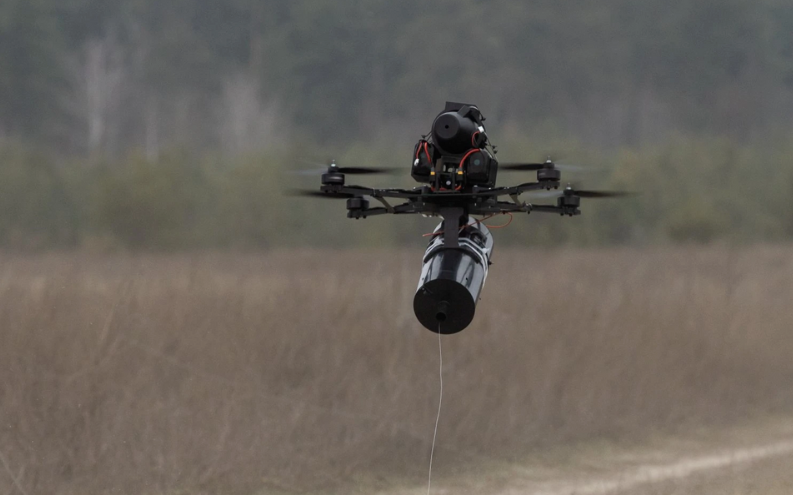
Ukraine’s war has seen FPV drones dropping grenades into tank hatches, AI‑enabled UAVs locking onto targets despite jamming, and uncrewed surface vessels sinking warships. Both sides iterate technology on a six‑week cycle, with electronic warfare countering drone advances step‑for‑step. Decentralized communications and fiber‑optic tethering have emerged as effective anti‑jamming measures, while low‑tech adaptations-like using donkeys for supply transport-point out the unpredictability of the drone battlefield.
6. AI Decision‑Support in Gaza
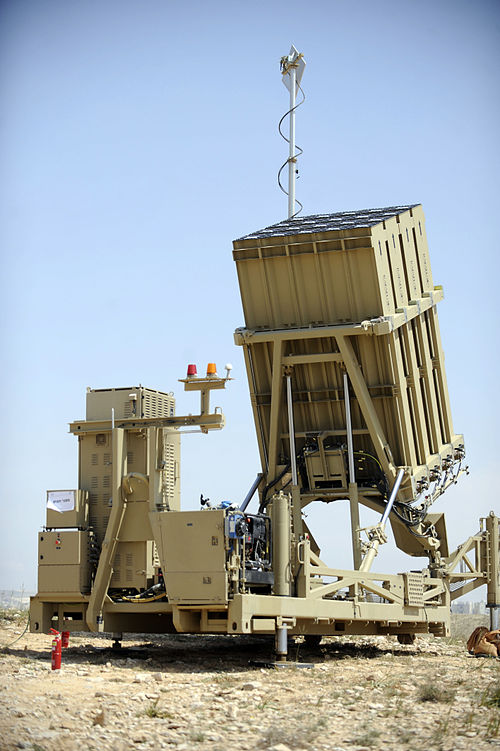
Israel’s AI-enabled decision-support systems, like Gospel, consolidate enormous streams of intelligence to discover potential targets. Systems like these can produce more than 100 targets daily, accelerating strike planning. The use of facial recognition in checkpoints, supported by tools provided by private firms, has increased throughout the conflict. Startups provided about half of the IDF’s anti-drone systems, fast-tracked into service through a “green path” licensing program, given urgent operational needs.
7. NATO’s Merops Interceptor
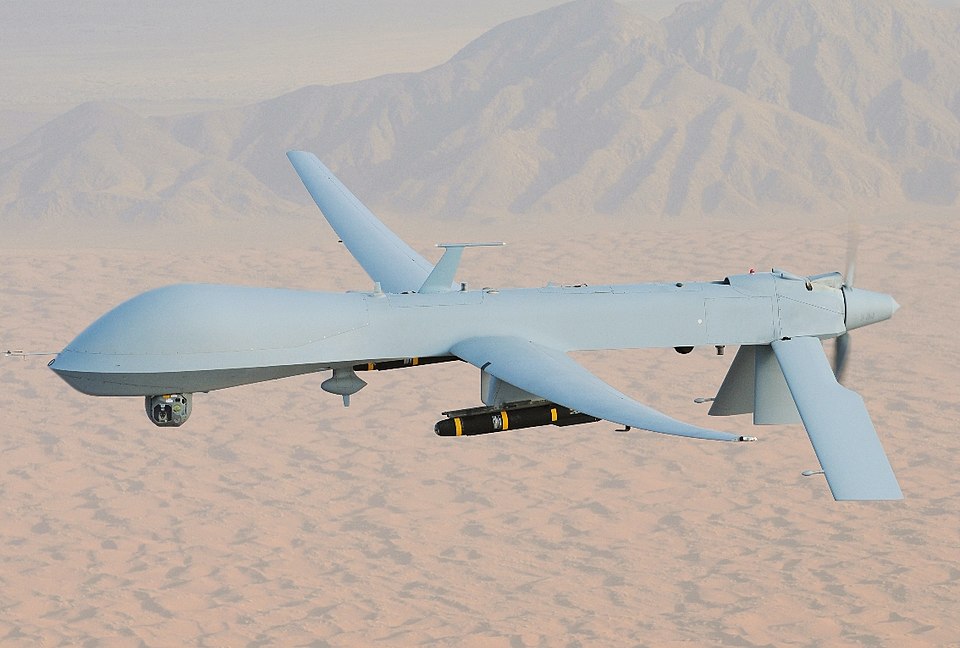
The US Army’s Merops system-which has been tested with Polish and Romanian forces-employs AI to detect enemy drones and deploys low-cost fixed-wing interceptors to ram them. At roughly $15,000 per interceptor-half the price of some hostile UAVs-Merops offers a cost-effective alternative to million-dollar missile shots. Demonstrations like Operation Flytrap 4.5 in Germany are building a vetted marketplace for rapid acquisition of c‑UAS capabilities.
8. Protection of Urban Airspace
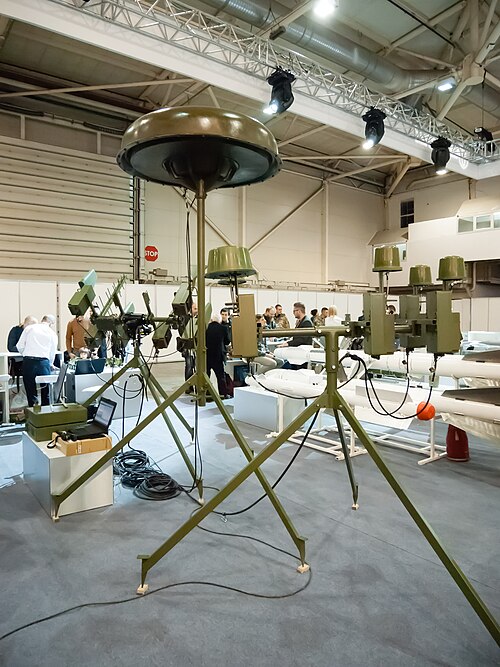
Densely populated cities create their own special problems for detection. Testing of counter‑UAS systems near Parliament Hill in Ottawa has been a careful balancing act between effective detection and minimal disruption to the city. Resilient networks that can discern threats against the urban clutter will be developed by layering radar, RF sensors, and AI algorithms. Efforts reflect concerns about drones targeting civilian infrastructure; some officials warn of hybrid warfare tactics.
9. Strategic Risks of AI‑Driven Drones
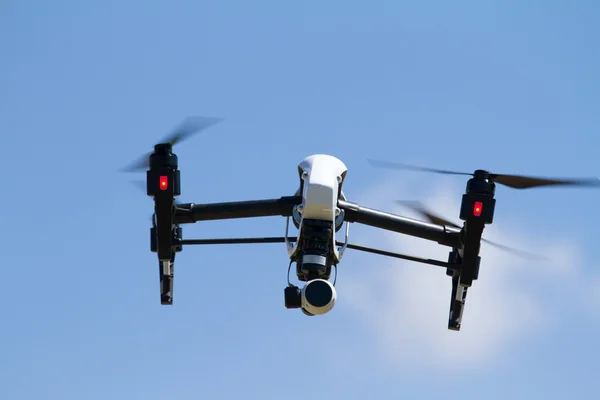
AI-enhanced UAVs may increase the accuracy and effectiveness of nuclear delivery and deterrence but will introduce a host of ethical and strategic risks: autonomous targeting may misinterpret signals during crises, escalating tensions further; integration into nuclear command-and-control systems could lower the threshold for engagement. Vulnerabilities to cyberattack or technical failure add further to this uncertainty, which underscores the need for rigorous testing and robust oversight.
10. Satellite‑Integrated Tracking Networks
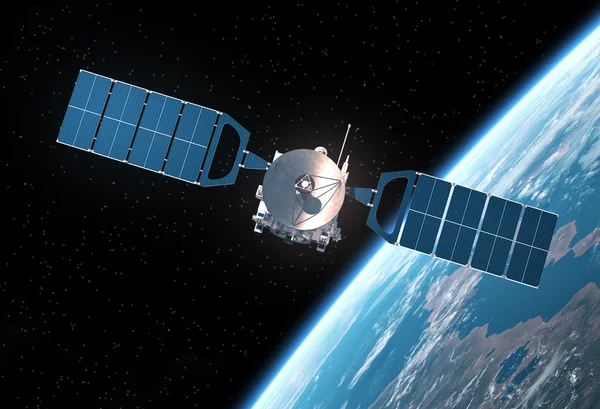
Melding satellite surveillance with AI detection produces a global “eye in the sky” for UAV tracking. Such integration even allows predictive analysis of possible incursions, affording forces a forward‑looking defensive posture. Satellite‑linked networks, unhindered by adverse weather and terrain, can protect borders, coastlines, and strategic facilities from hostile drones. Today, the modern battlespace is characterized by the unending race between drone innovation and counter‑drone adaptation. From AI‑powered detection to EMP swarms and satellite tracking, the technologies are rewriting both offensive and defensive doctrine.
For the military professional and technology strategist, the challenge is clear: rapid integration of these capabilities, balancing automation with human judgment, and anticipating the next leap in adversary tactics. In this high‑velocity environment, dominance will go to those able to adapt faster than the threat evolves.”


