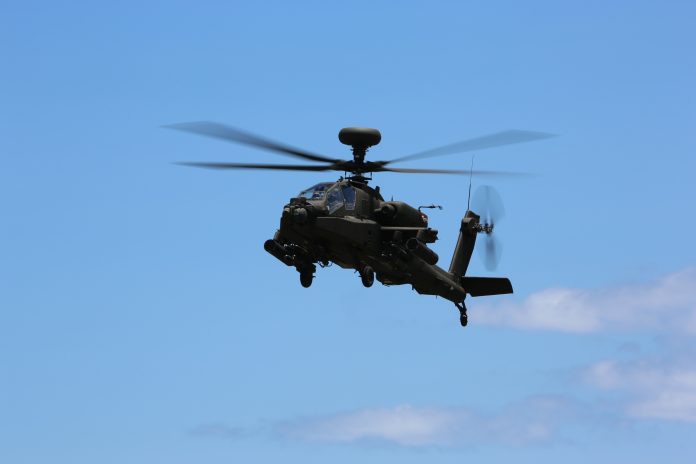

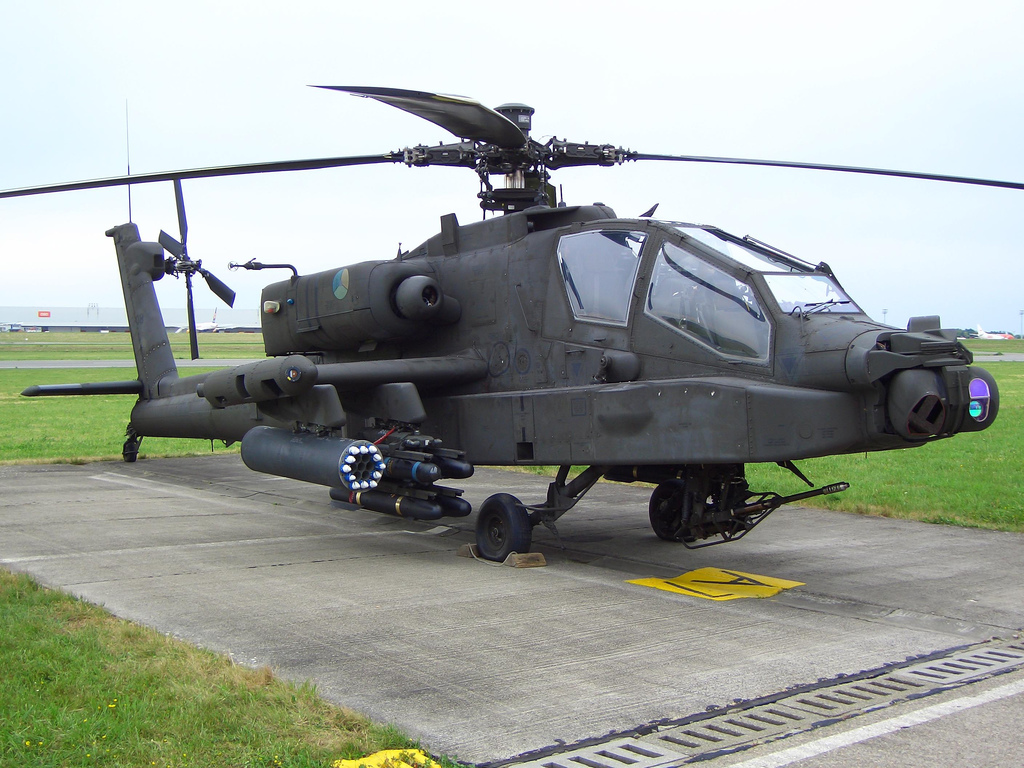
From a niche threat to the defining feature of modern battlespaces, drone warfare has rapidly changed. Militaries must adapt or be outpaced. Probably once most known for antiarmor strikes, the US Army’s AH-64E Apache is proving it can dominate in the counter‑UAS arena sans radical redesigns. It’s not just fitting new weapons, but how sensors, networks and tactics all come together into one cohesive kill web that can take action in seconds.
Operation Flyswatter, a high‑tempo live‑fire event at Marine Corps Air Station New River, North Carolina, introduced Apache as the mobile air defense platform of the future. Joint service and industry partners supported South Carolina Army National Guard crews in putting the latest Version 6 configuration through its paces against a spectrum of unmanned aerial threats. The results-13 kills in 14 engagements-signal a decisive leap in capability and a blueprint for future helicopter‑based drone defense.

1. Version 6 Architecture: From Tank Killer to Networked Defender
Much more than an incremental upgrade, the AH‑64E V6 is a transformation into a network‑centric combat system. It integrates improved electro‑optical/infrared sensors, an improved AN/APG‑78 Longbow radar, and integration of Link 16, which enables the Apache to ingest and share targeting data in real time. Advanced MUMT‑X manned‑unmanned teaming extends situational awareness by directly receiving video feeds from allied drones. The architecture allows the Apache to act as a flying command node feeding and taking data from ground radars, Navy ships, and other aircraft, compressing sensor‑to‑shooter timelines from minutes down to mere seconds.
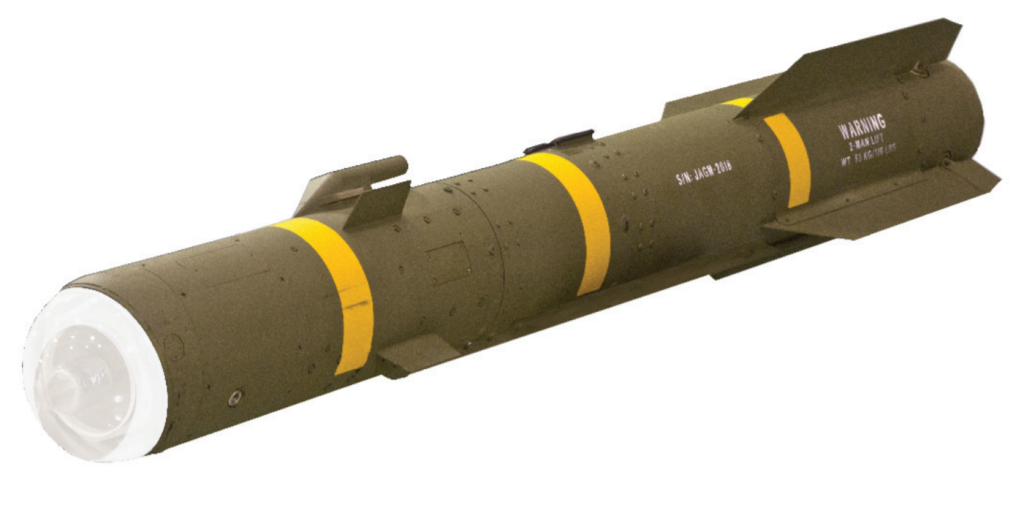
2. Joint Air‑to‑Ground Missile Precision at Standoff Range
The AGM-179 JAGM, guided by Longbow Fire Control Radar, proved lethal in standoff engagements. Equipped with both millimeter-wave radar and laser designation on one missile, JAGM allowed flexibility for attacks on both maneuvering and fixed drones. In Operation Flyswatter, crews opened engagements at range, leveraging radar cueing to prosecute targets without visual contact-a key advantage in cluttered or degraded environments.
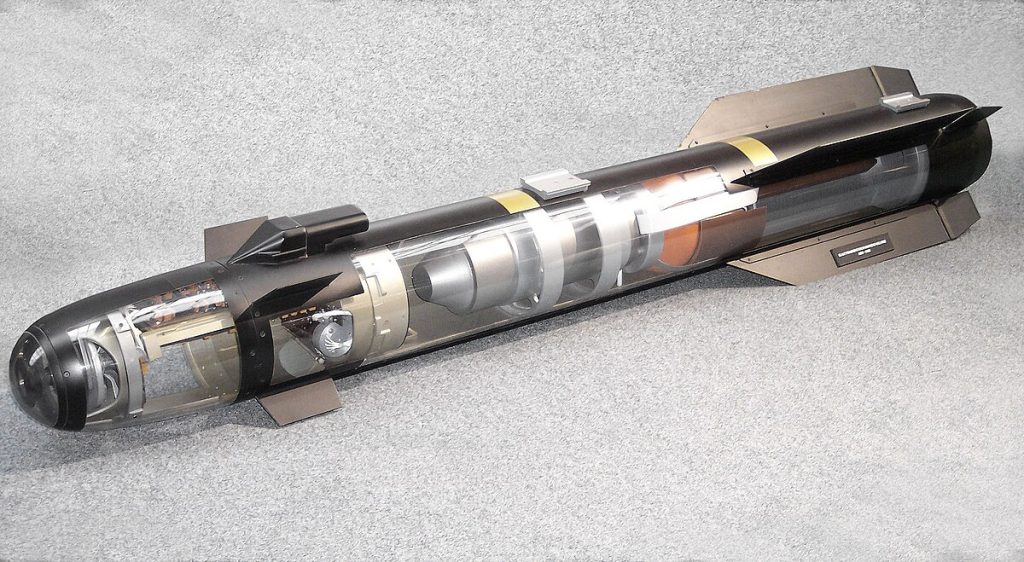
3. Hellfire Variants for Adaptive Engagements
The Apache crews fired both radio-frequency AGM-114L Hellfires and semi-active laser AGM‑114R variants, switching from one to the other as the target geometry and countermeasures changed. This ensures rapid transitions from radar-guided shots in poor visibility to laser-guided strikes when conditions favor optical tracking. Carrying a mix of both variants maximizes kill probability for a range of drone profiles.
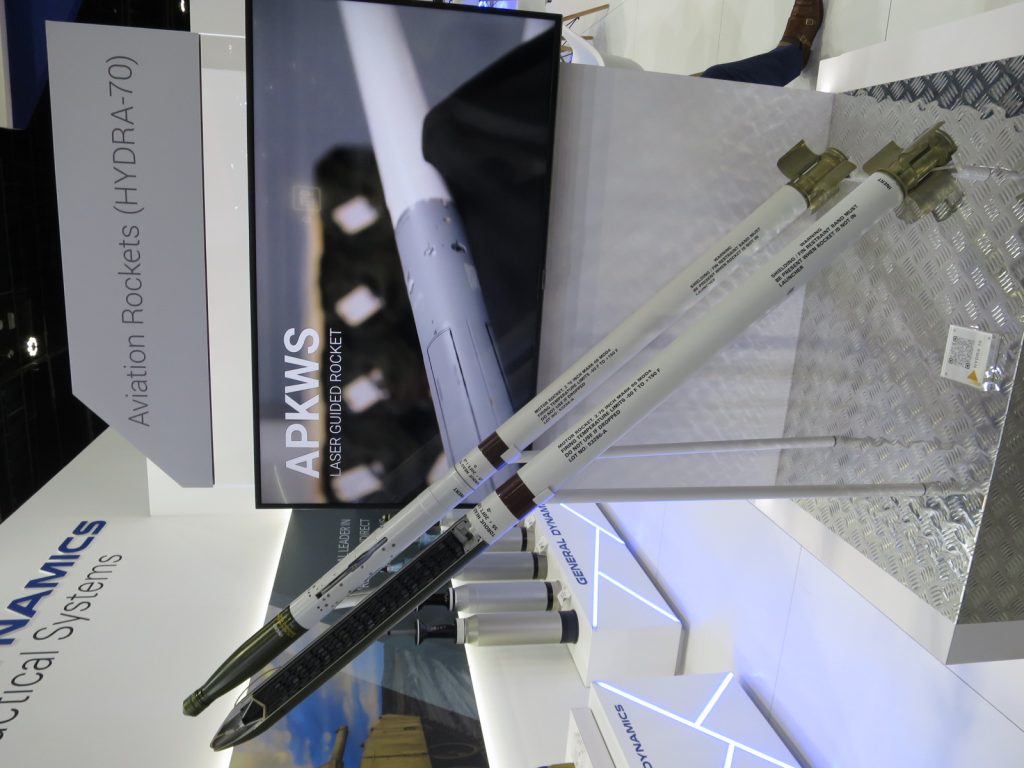
4. APKWS Rockets: Cost‑Effective Drone Killers
Hydra‑70 rockets fitted with the Advanced Precision Kill Weapon System guidance kit proved highly effective, knocking down three of four targeted UAS. At roughly $25,000–$30,000 a shot compared with more than $215,000 for a Hellfire, APKWS is a high‑value, low‑cost intercept. Buddy‑lase tactics where one Apache designates the target and another fires proved particularly potent; similar tactics by fighter jets against drones in the Middle East have been similarly successful.
5. 30mm M789 Chain Gun: The Last‑Ditch Layer
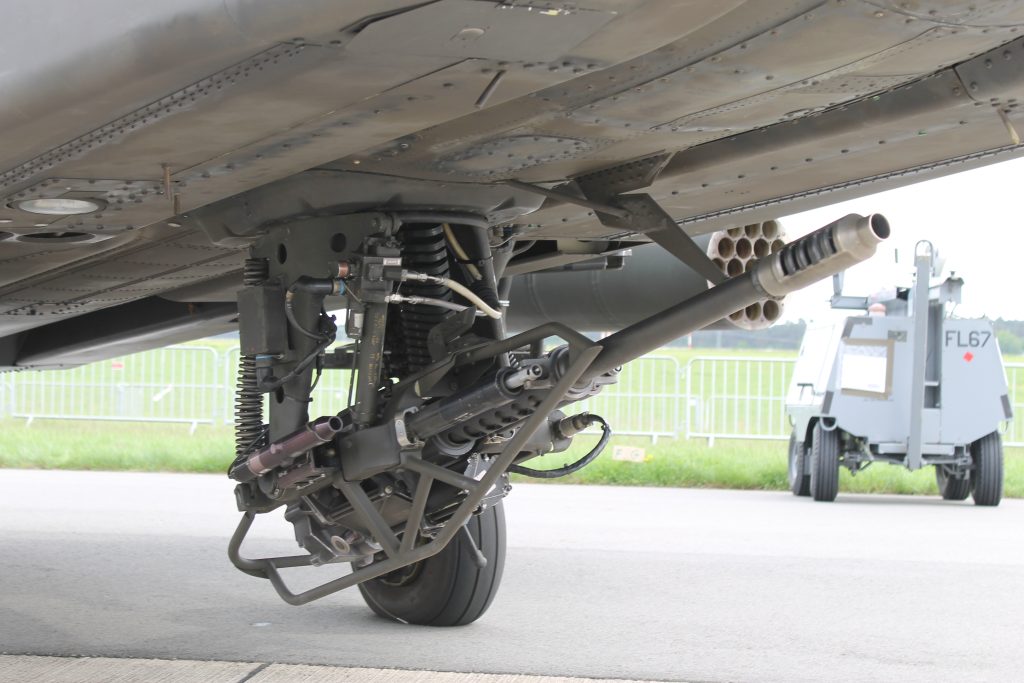
If they broke through within 300 meters, the crews shifted to the M230 chain gun with M789 high-explosive dual-purpose rounds. This is an inherently dangerous close-range solution, given the blast fragmentation warheads carried on most drones. It is crucial for immediate neutralization. Precision gunnery at low altitude requires great crew skill, particularly in turbulent or cluttered airspace.
6. Link 16 Networking: Building the Kill Web
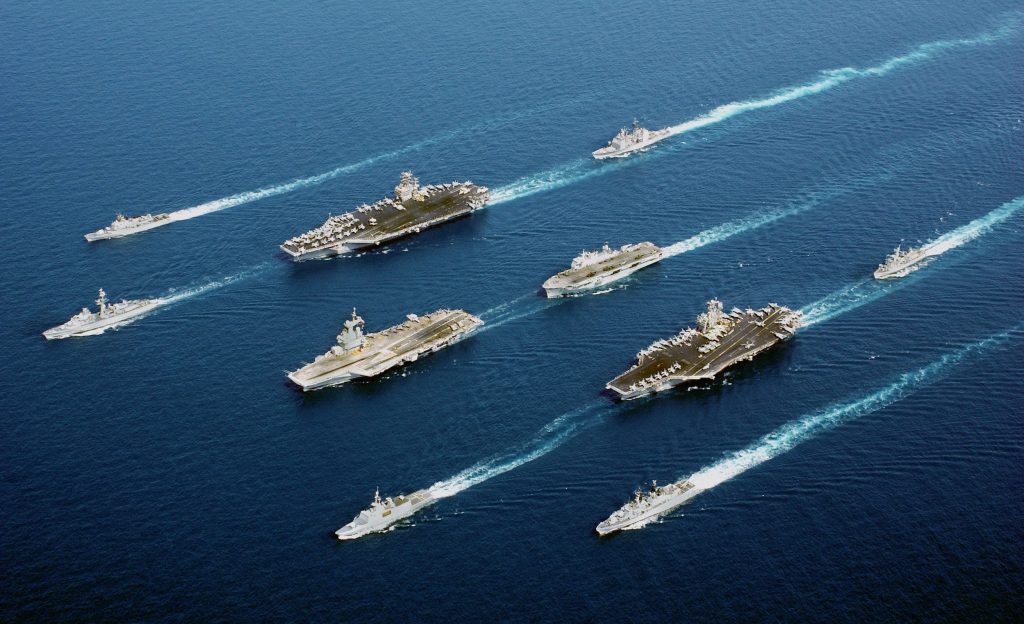
With Link 16 on, Apaches were receiving and transmitting drone tracks in seconds, cueing weapons for joint forces without lag. Networked targeting allows ground radars, the Marines, and Navy assets to flag the threats while the Apaches confirm and engage them. CW5 Joel Gooch called the platform a “true mobile air defense” filling gaps that ground systems cannot cover.
7. All‑Weather, Low‑Altitude Performance
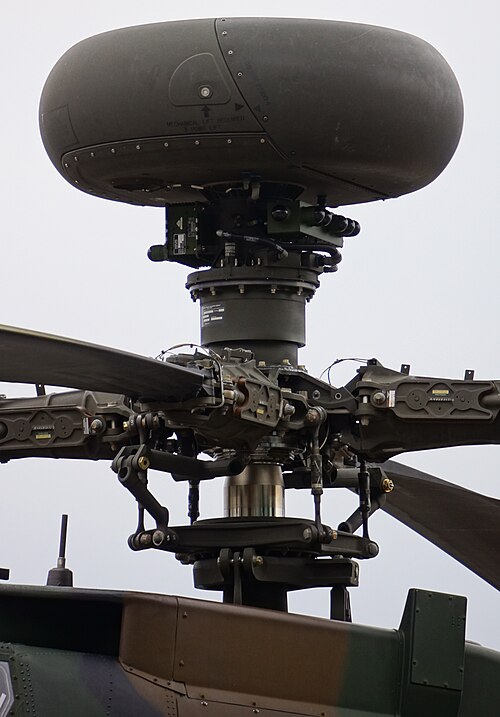
What Operation Flyswatter did demonstrate was capability of the Apache in poor weather and low altitude-particularly, a key weakness for so many air defense assets. Longbow radar can detect low-flying drones through ground clutter, extending coverage in bad conditions, cementing the helicopter as a versatile counter-UAS asset.
8. Joint and Allied Interoperability
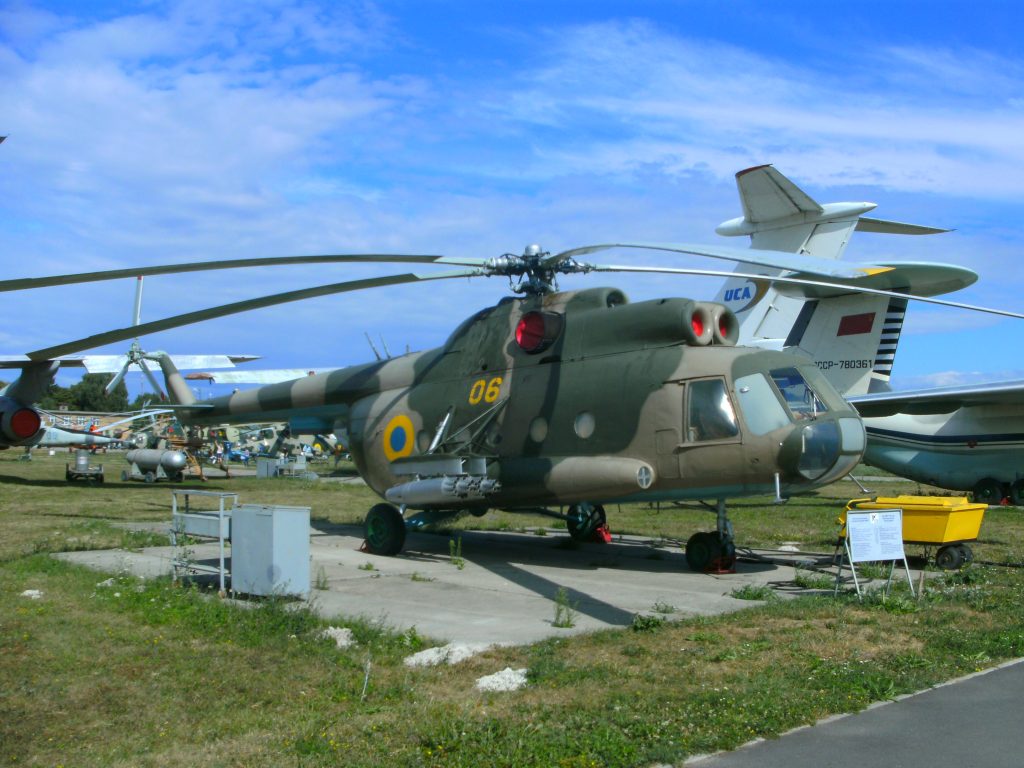
The joint nature of the exercise parallels real‑world operational demands: Army, National Guard, Marine Corps, Navy, and industry all came together. MAWTS‑1 Weapons and Tactics Instructors exercised with Army WTIs to ensure tactics align with bigger integrated air and missile defense concepts. There are international parallels. Israeli Apaches have intercepted Hezbollah drones, French Navy helicopters have downed Houthi drones, and Ukrainian Mi‑8s have engaged Shahed‑type threats.
9. Future Evolution: Air Launched Effects and Expanded Training
Following the success of Flyswatter, PM Apache recommended adding the Counter‑UAS Mission Essential Tasks to each battalion’s training and updating the AH‑64 Aircrew Training Manual with aerial counter‑UAS tactics. The added capabilities of planned upgrades, including dual‑mode APKWS guidance and teaming with Air Launched Effects, should enable quicker engagements and broader coverage. These moves solidify the Apache in its role within the U.S. Army’s layered air defense strategy. But the results of Operation Flyswatter did more than affirm the AH‑64E Apache as other than its legacy mission of anti‑armor.
With Version 6’s integrated sensors, networked data links, and versatile weapons suite, it emerged as a veritable mobile platform for counter‑drone operations. As unmanned threats continue to proliferate across all theaters, the Apache’s ability to detect, track, and destroy drones in support of joint operations in adverse conditions cements its status as a key combat asset in the evolving battlespace.


