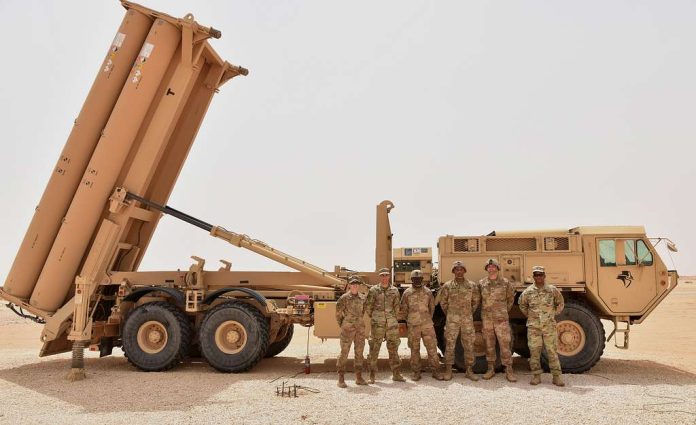
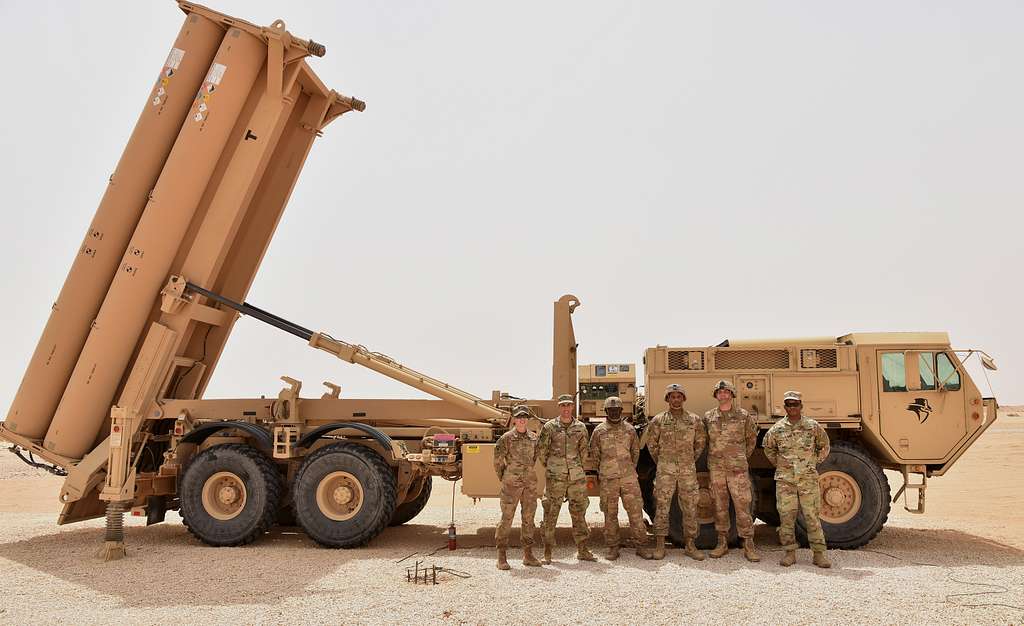
Chinese missile forces can now hold nearly every major U.S. air base in the Indo‑Pacific at risk, and the gap in hardened infrastructure between China and the United States is stark. Kadena Air Base in Okinawa, just 370 miles from Taiwan, sits at the forefront of this threat, making it a prime target in any cross‑strait conflict. Analysts warn that without rapid, large‑scale improvements, forward‑deployed American airpower could be crippled before it enters the fight.
For decades, U.S. forces relied on sanctuary bases to project airpower uncontested. That era is over. The People’s Liberation Army Rocket Force has accumulated thousands of ballistic and cruise missiles, many armed with submunitions designed to crater runways and destroy aircraft on the ground. In response, the U.S. Air Force is accelerating measures to harden, disperse, and repair its Indo‑Pacific bases under fire. The nine developments that follow put both the scope of the challenge and the urgent steps being taken into perspective.
1. Kadena’s Rapid Runway Repair Drills
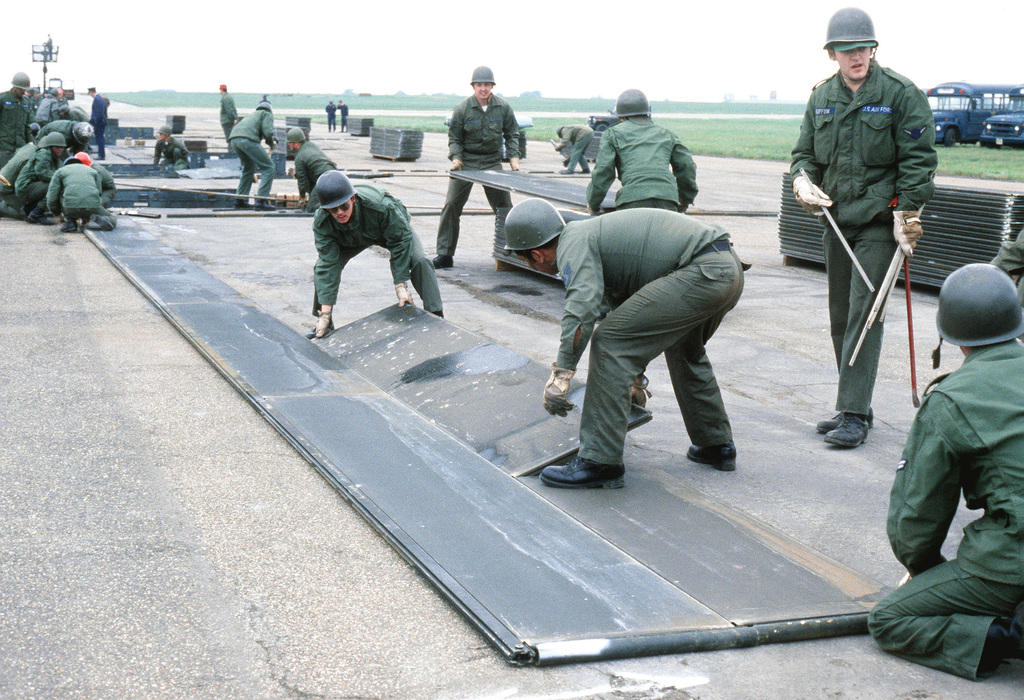
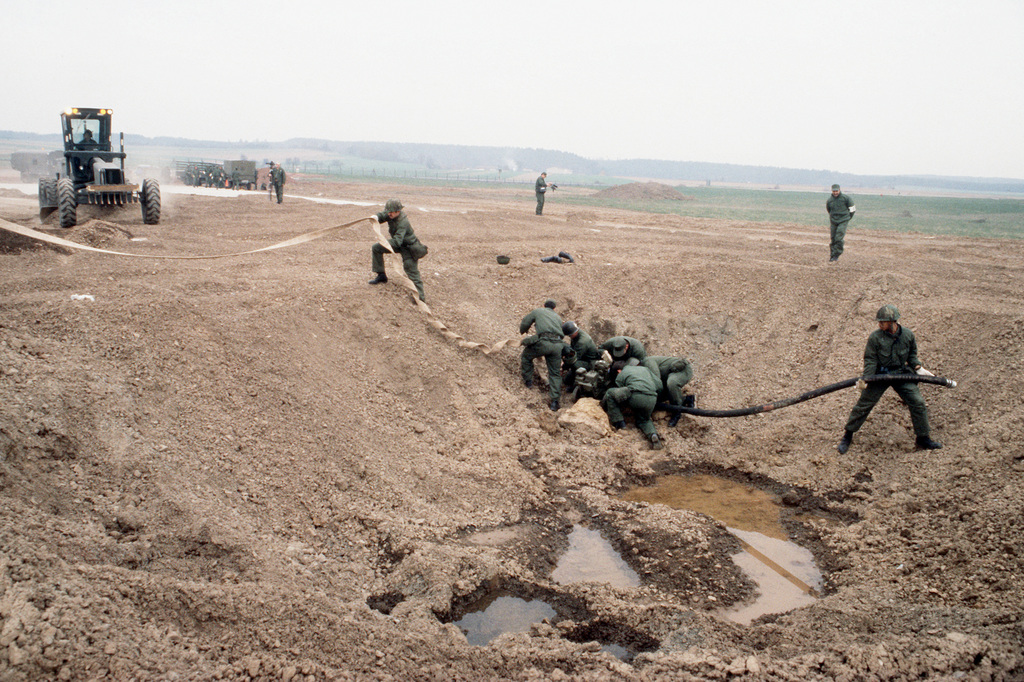
In November 2025, the 18th Civil Engineer Squadron at Kadena Air Base took part in extensive rapid airfield damage repair training as part of exercise Beverly High 26‑1. The engineers and EOD teams filled in craters, cleared debris, and put runway surfaces back into service to keep combat operations viable in a contested environment. “Every second counts in regard to airfield recovery,” said Senior Airman Seth Callahan, who emphasized that returning aircraft to service is the key.
2. China’s Growing Missile Repertoire
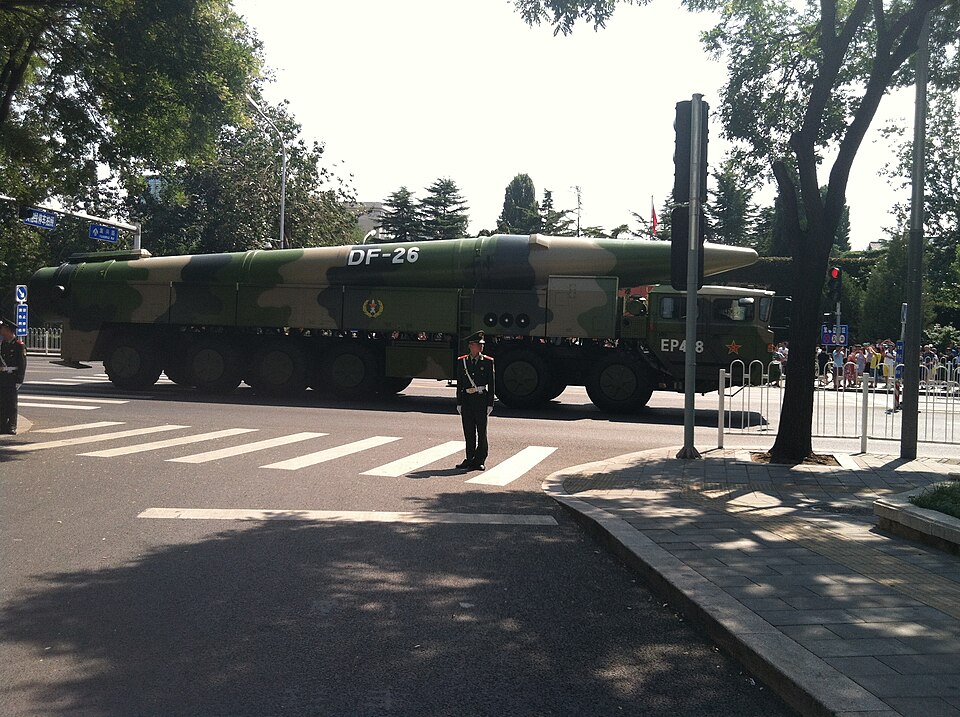
The Pentagon estimates that the PLARF possesses more than 1,300 medium‑range ballistic missiles, and hundreds of its intermediate‑range systems reportedly can reach Guam and beyond. Similarly, its inventory of short‑range and cruise missiles reaches over all of Japan and the Philippines. The DF‑17 with its hypersonic glide vehicle and the DF‑26 “Guam Killer” are representatives of Beijing’s drive for range, precision, and penetration against U.S. defenses.
3. Hardened Shelter Gap
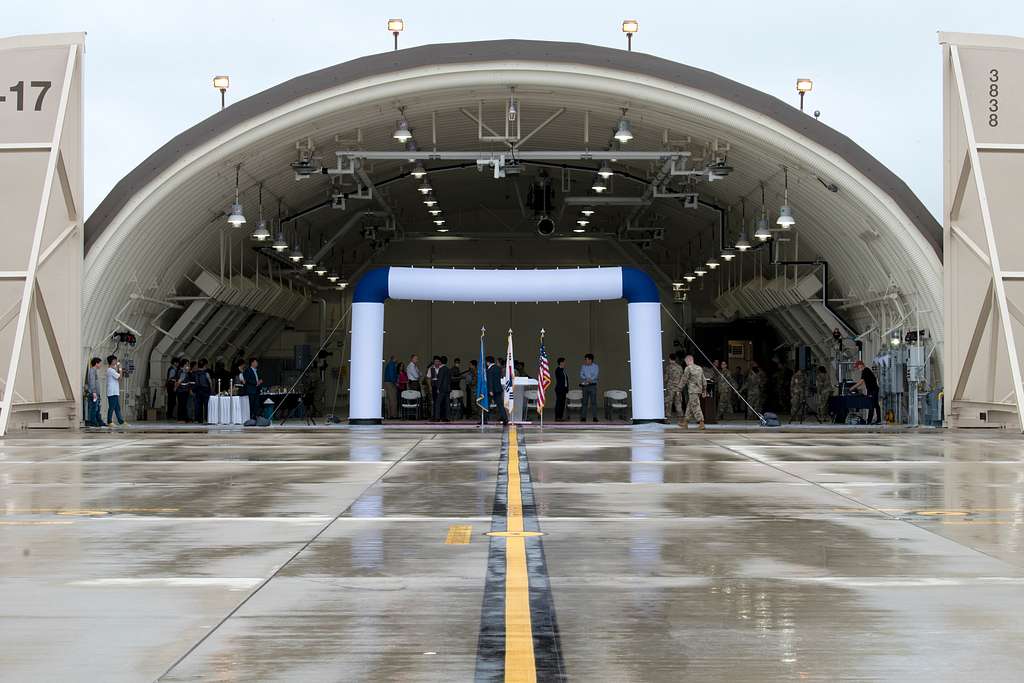
All told, according to the Hudson Institute’s analysis, China has constructed upwards of 650 hardened shelters and almost 2,000 non‑hardened shelters within 1,000 nautical miles of Taiwan, while the U.S. has built only two hardened and 41 non‑hardened shelters in the same zone since the early 2010s. This would mean that Chinese forces would need vastly fewer missiles to neutralize U.S. airfields than vice versa, thus incentivizing a first‑strike strategy.
4. Vulnerable Runways and Tanker Operations
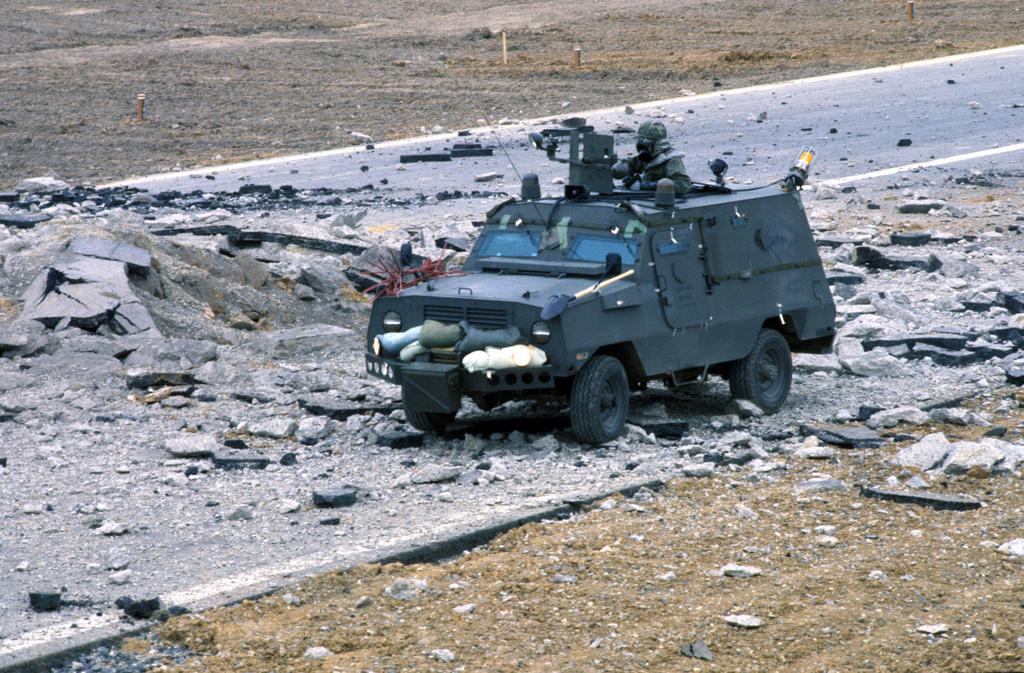
Studies by the Stimson Center and RAND estimate Chinese missile attacks could close runways at U.S. bases in Japan for about 12 days and deny tanker operations for over a month. Most U.S. fighters cannot reach targets in the Taiwan Strait or the South China Sea without aerial refueling. This greatly reduces sortie generation and, in turn, may give China a 30‑day window of air superiority.

5. Agile Combat Employment Dispersal
ACE doctrine shifts operations from centralized hubs to dispersed, often austere, locations in order to complicate enemy targeting. However, access constraints across both Southeast Asia and the Korean Peninsula will limit how many places forces can actually disperse to, leaving Japan, Guam, and a handful of Pacific islands as key operating sites. Unless political agreements allowing wider basing are forthcoming, analysts caution that the effectiveness of dispersal will be limited.
6. Innovations in Rapid Airfield Damage Recovery
The Air Force RADR program has replaced older mat‑based repairs with materials supporting thousands of sorties. Techniques include rapid‑setting cement and sand fills, high‑density foam that expands to fill large craters in minutes, and hot‑mix asphalt produced on‑site. These advances are intended to reopen runways in under four hours, but success depends upon the weather, availability of the repair material, and continuing attacks.
7. Passive Defense Measures Beyond Hardening
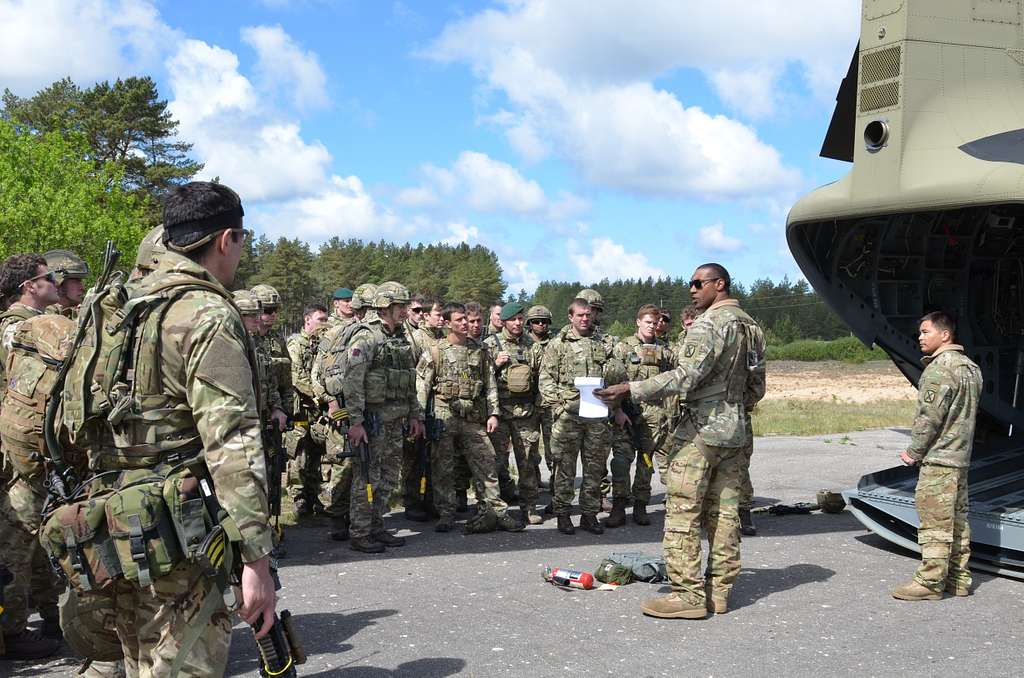
PACAF’s Strategy 2030 specifies that it needs camouflage, concealment, deception, and non‑kinetic defenses like electronic warfare and high‑powered microwaves. It also needs prepositioned fuel, munitions, and repair kits, and redundant infrastructure to sustain operations under missile fire. Funding for these measures, however, has lagged, averaging just $300 million a year in Pacific MILCONfar below requirements.
8. Political and Access Risks
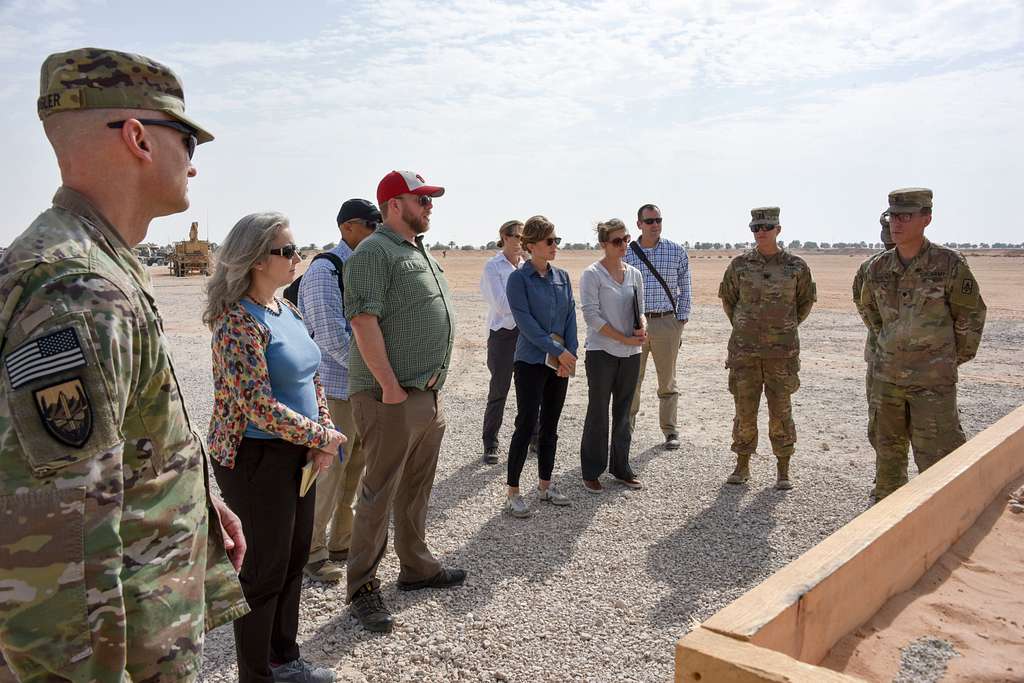
Host-nation politics represent a strategic vulnerability. While granting base access, the Philippines has ruled out offensive operations from its territory in a Taiwan scenario. Similarly, South Korea will likely restrict U.S. basing on its territory in an effort to prevent escalation with China and North Korea. These limits force greater reliance on fewer, more exposed facilities.
9. Integrating Allied Air Denial Strategies
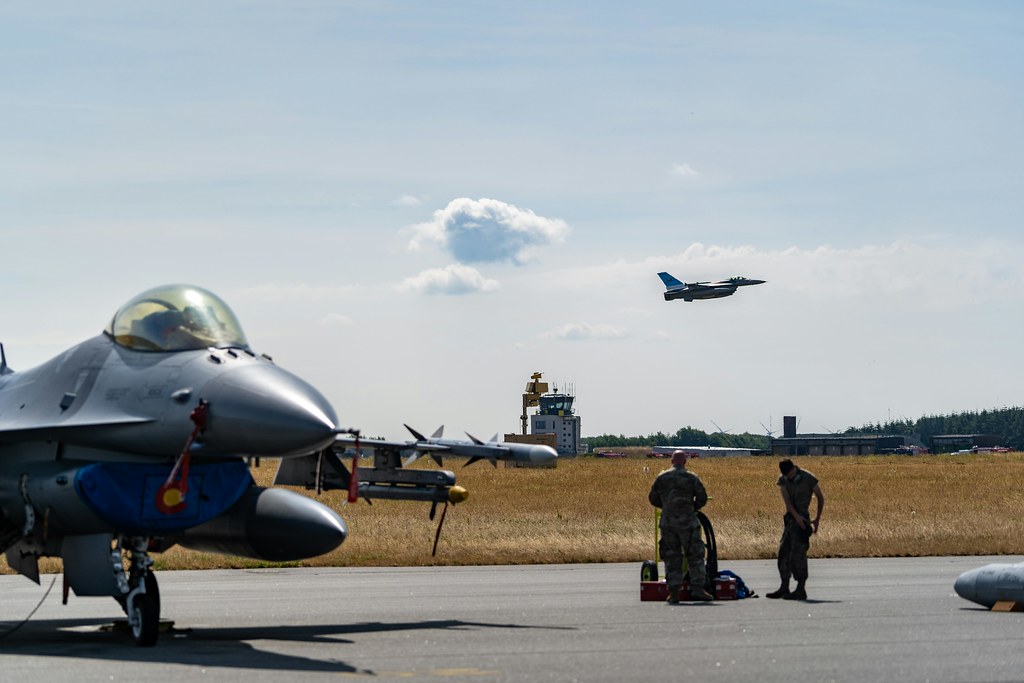
Some analysts argue that early‑war air control burdens should be shifted onto allies within the First Island Chain, using large numbers of drones and missiles to contest skies without a heavy U.S. fighter presence. This ‘inside air force’ concept would employ mobile, runway‑independent platforms, supported by U.S. bombers and palletized munitions from range, to blunt Chinese advances until forward bases recover.
The Indo‑Pacific’s forward air bases are no longer untouchable fortresses; they are fixed targets under the shadow of China’s precision strike arsenal. Closing this resilience gap will demand more than runway repairs; it requires hardened shelters, dispersed operations, political access, and integrated allied strategies. Without these, U.S. airpower risks being sidelined during the opening phase of conflict, leaving a dangerous window of opportunity for Beijing to act.


