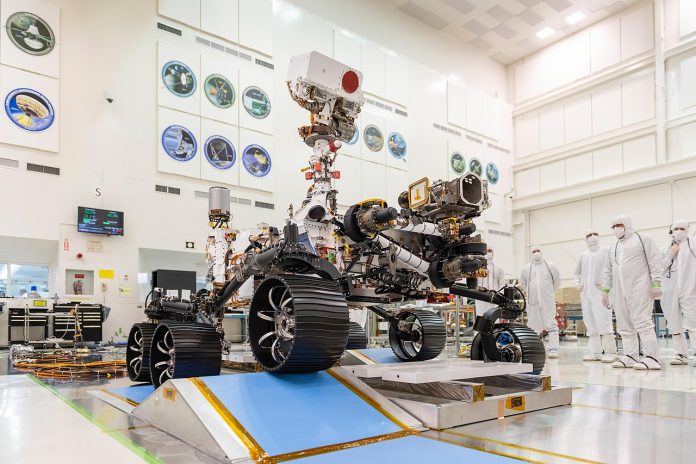
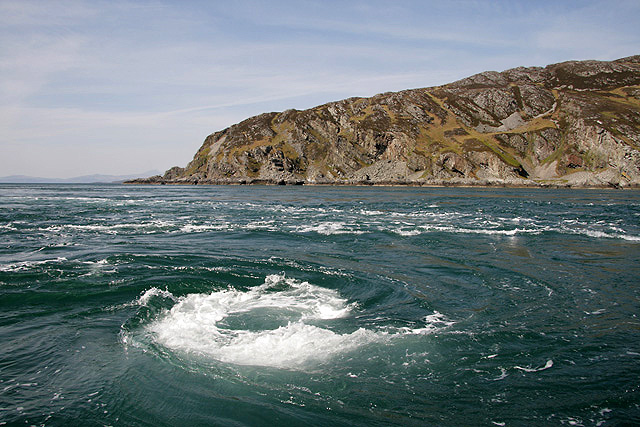
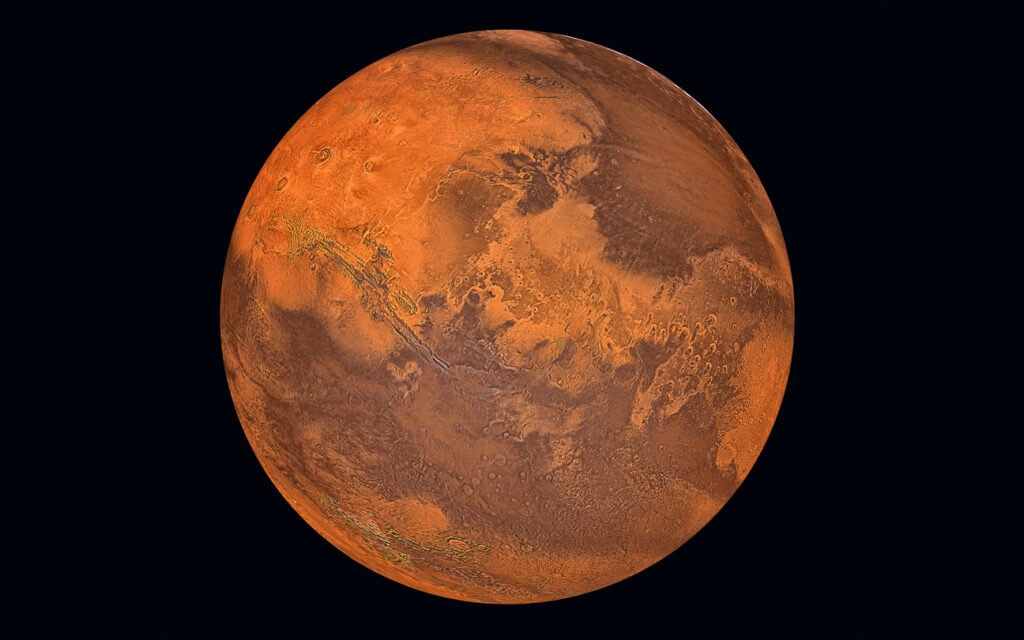
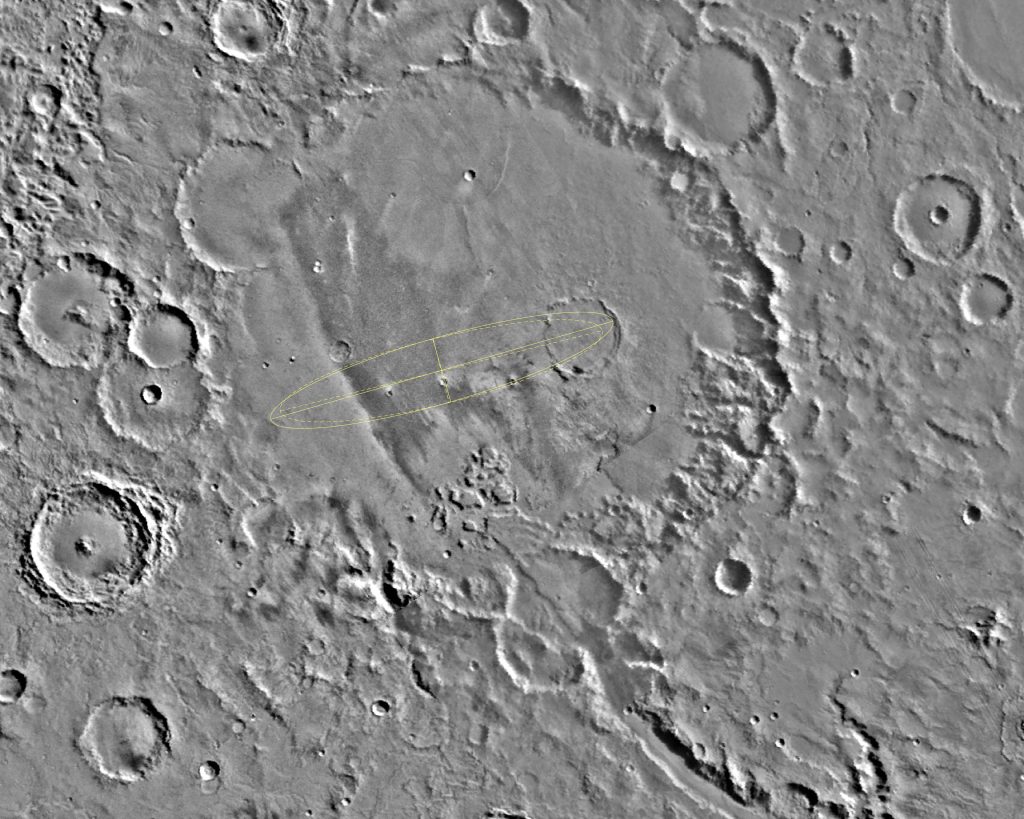
But Mars is not as still as it appears. In the tenuous, rust-hued atmosphere hovering above Jezero Crater, NASA’s Perseverance rover is tuning in, and it’s detected the sizzle of electricity. But not the kinds of lightning that flash across the sky on Earth, breaking free as powerful arcs. What Perseverance detected were miniature lightning strikes, some of them merely millimeters in size, generated in dust clouds and whirlpools. Such “mini-lightning” strikes serve more than a merely interesting purpose: They provide a fresh perspective on the Martian climate system, with immediate implications for its hunt for life.
1. Detecting Sparks with Sound
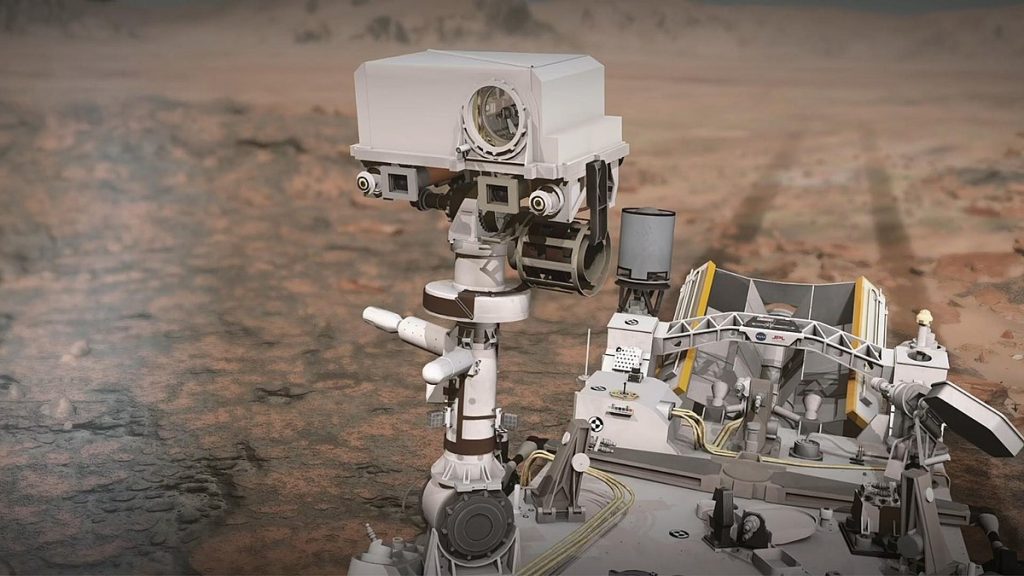
Planetary scientist Baptiste Chide and colleagues analyzed some 29 hours’ worth of recordings from Perseverance’s SuperCam microphone over two Martian years. They isolated a total of 55 electrical occurrences, which were mostly associated with the highest wind speeds or as dust devils passed close to the rover. Each incident consisted of a transient static spike that was merely under 40 microseconds, a necessary electromagnetic ‘overshoot’ detected through the SuperCam’s electronic microphone, followed by a subsequent 8-millisecond ‘decay.’
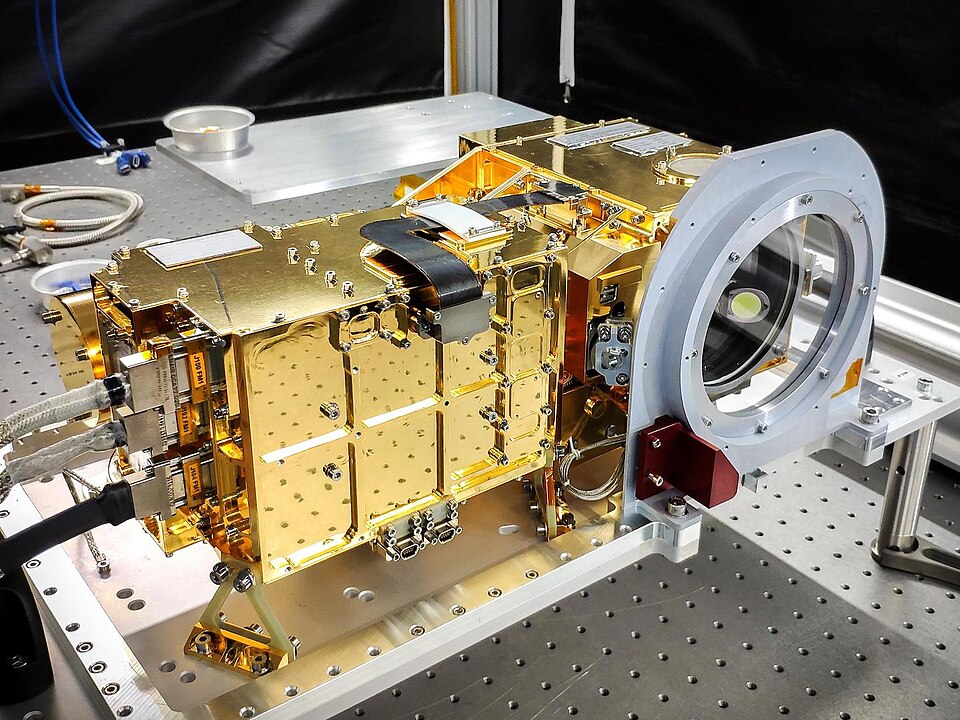
Following this was the real ‘acoustic pulse,’ which consisted of a strong spike with weaker ‘echoes’ that corresponded to the shock wave associated with the electrical discharge. These were as powerful as 40 millijoules, much weaker than a lightning bolt’s billion jolts on Earth, yet clearly electrical.
2. Physics in a Thin CO₂ Atmosphere
In contrast, lightning on Mars occurs not through water clouds, as on Earth, but through the frictional interaction between dust particles. In the planet’s low-pressure, mostly carbon dioxide environment, the dielectric breakdown strength, or the strength of the field required for discharge, is much weaker, only 15 kV/m, versus some 3 MV/m on Earth. Laboratory simulations under Martian conditions involving CO₂ demonstrate that triboelectric charge separation, with the subsequent transfer of electrons or ions, takes place through collisions of particles, depending on their size, chemical properties, and surface properties. Grains with higher mass will positively charge, with negative charges tending toward smaller particles.
3. Electric Fields Inside Dust Devils
Numerical models of vortices on Mars, taking into account particle size distribution and charge relaxation, show that the strength of the electric field may near or exceed breakdown levels under dusty conditions. During simulation, a dusty vortex may attain breakdown levels within 2,000 seconds, but for a low-dusty environment, this may take more than 10,000 seconds. Lower conductivities, from 5×10⁻¹² S/m down to 8×10⁻¹⁴ S/m, facilitate retention of charges, thus increasing the possibility of breakdown. Large relative velocities, with speeds of 0.8 m/s for 10 μm-sized versus 1 μm-sized particles, increase the rates of field buildup.
4. Chemical Consequences: Oxidants and Organ
Such sparks hold more than pure electrical charge: they fuel reactive chemistry. Lightning can yield oxidants such as hydrogen peroxide or perchlorates, shown elsewhere to break down organic molecules. With oxidants and ionizing radiation already problematic for preservation of biosignatures in the Martian near-surface environment, lightning-produced oxidants pose further difficulties. Perchlorates, experiementally shown elsewhere to decompose amino acids and other organics upon being exposed to electrical energies, complicate the search for life. Lightning can, alternatively, generate additional organics, as hypothesized for lightning in Earth’s early chemistry.
5. Implications for Biosignature Searches
Currently, astrobiologists must assess dust electrification as something that will impact their sites. An area that experiences intense dust devil activity, such as Gusev Crater, might see higher concentrations of oxidants, thus lowering the likelihood of finding unaltered biosignatures. An area that experiences low levels of dust devil activity, such as Elysium Planitia, might see better preservation of organics. However, preservation as a result of rapid mineralization, sedimentation, or phyllosilicate trapping might suppress the effects of degradation caused by oxidants.
6. Engineering for Electrostatic Hazards
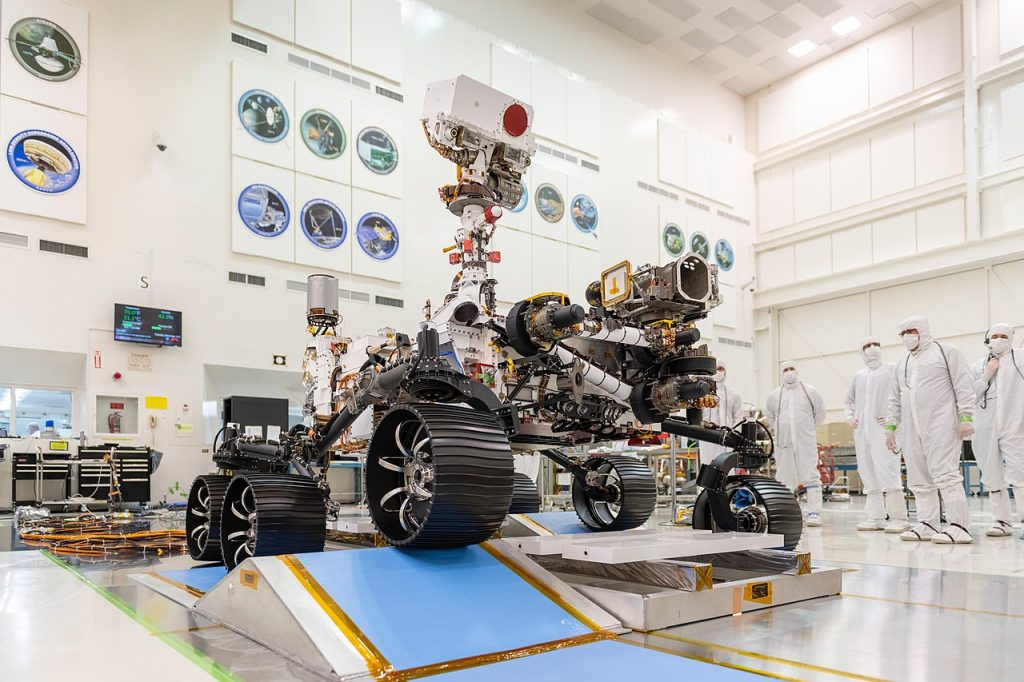
Future landers will benefit from the application of this information. Perseverance’s electronic components are protected, but previous failures, such as the Soviet Mars 3 lander that lived only 20 seconds in a dust storm, may be explained by electrical discharge. Given the new information about energy levels, electronic boards can be protected, electrostatic paint can be applied, as well as space suits that will resist shock levels of kilovolts. Sensors that allow detection of the strength of the electrical field, beyond sound, will be high-priority components on future landers and rovers.
7. Climate Feedback Loops
Electrification positively feedbacks into the Martian dust system as well. Lower wind speeds mean that positively charged particles can more easily be launched into the air, which helps fuel storms. Indeed, this system may be self-sustaining, as more dust translates into more charging, which in turn translates into easier dust lifting. Thousands of dust storms mean that extensive electrified storm fronts may be alight with lightning, sculpting the Martian atmospheric environment.
8. What’s Next: Seeing the Sparks
Attempts to record images of the phenomenon have been lacking. Laser sparks emit faintly, briefly, with some sparks being masked by dust, necessitating high-speed, high-resolution cameras that haven’t been used on the Martian planet. Future expeditions will be able to link optical flashes with sound and electromagnetic recordings, proving the type of flashes that happen. Mini lightning on Mars brings together weather, chemistry, and planetary exploration under one phenomenon.
From the blink of a microsecond of lightning in Perseverance’s microphone recordings to the planet’s atmospheric cycles of dust and oxidants, mini lightning on Mars shines a light on the ‘electric’ secrets of the Martian planet that pose challenges to its own discovery as a habitable planet.


