What if the fastest object that has ever been seen within our solar system was not just a comet? That provocative question has swirled through online forums and even academic circles since the arrival of comet 3I/ATLAS-the third confirmed interstellar visitor to grace our cosmic neighborhood. While speculation ranged from alien probes to engineered artifacts, what NASA’s fleet of spacecraft delivered instead was something far more tangible-the most detailed, multiangle examination of an extrasolar comet in history.
1. A Rare Interstellar Encounter
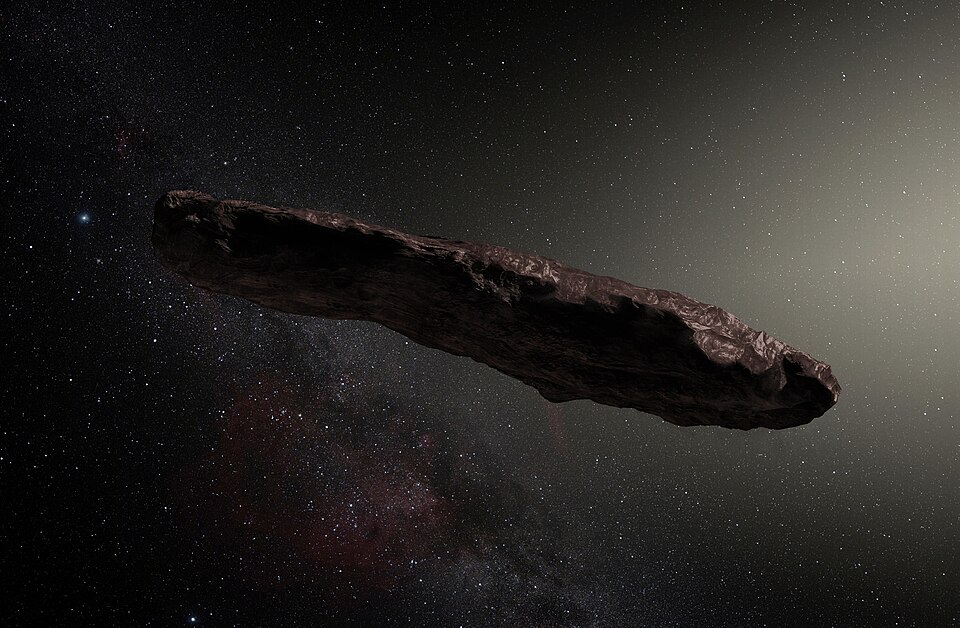
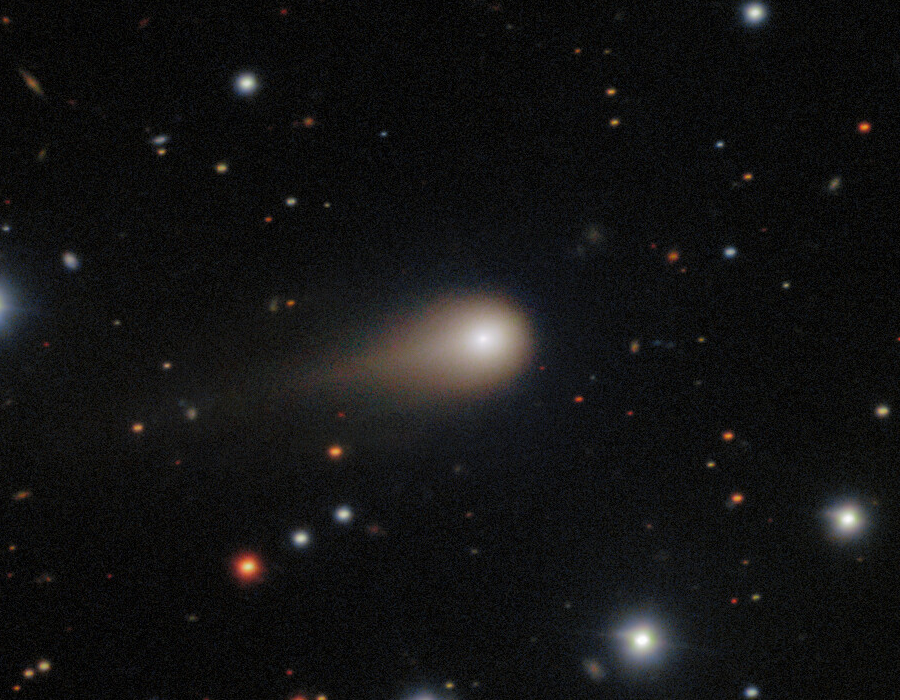
3I/ATLAS is a small icy body, its nucleus measuring between 320 meters and 5.6 kilometers, which was traveling at an astonishing 130,000 miles per hour and was discovered on July 1, 2025, by the NASA-funded Asteroid Terrestrial-impact Last Alert System (ATLAS) in Chile. Its trajectory, which follows a hyperbolic shape, confirms that it is unbound with respect to the Sun, likely ejected from an ancient planetary system and wandering the galaxy for billions of years before crossing ours. It makes this the third interstellar object detected after ‘Oumuamua and Borisov.
2. Mars as the Perfect Vantage Point
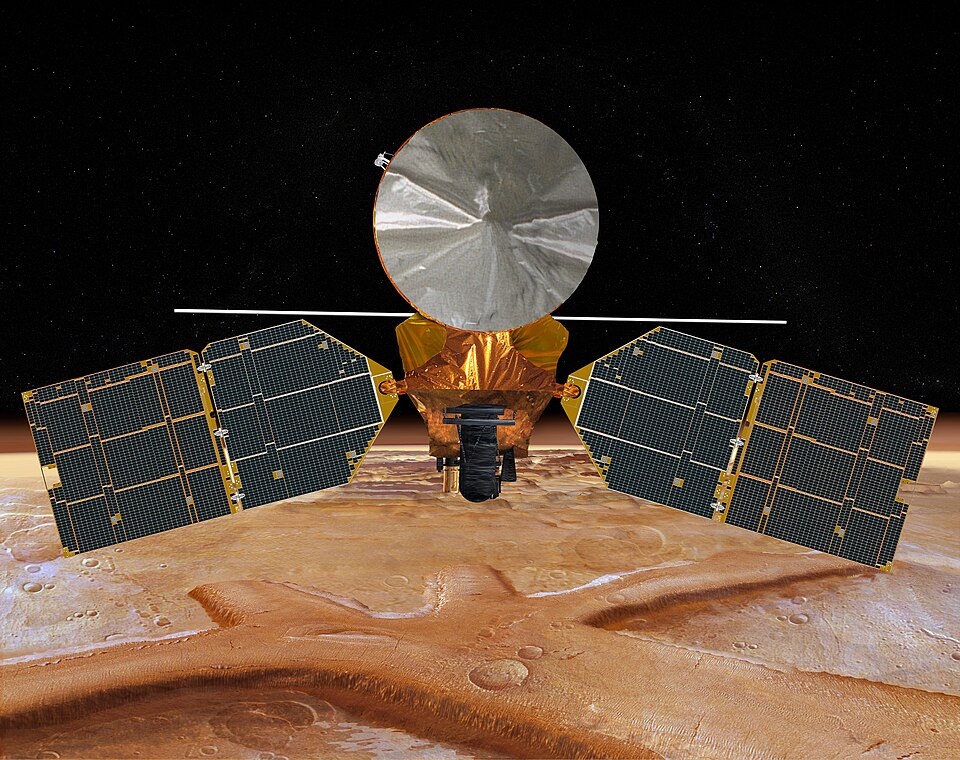
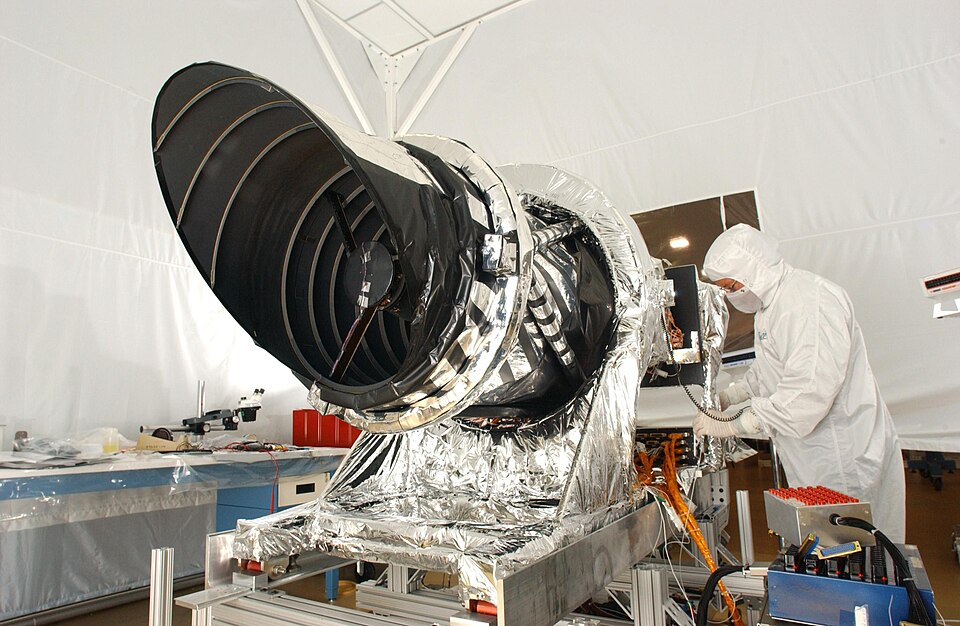
In early October 2025, 3I/ATLAS would pass within just 30 million kilometres from Mars-a closeness that would afford never-before imaging opportunities. The HiRISE camera on Mars Reconnaissance Orbiter is so keen it can achieve as high as 9 inches per pixel resolution on Martian ground. Now it had been repurposed to track the comet. HiRISE surmounted the difficulties of shooting a fast-moving target against an extremely bright background of stars, unmoved by the atmosphere, to take a pixelated yet enlightening view of its coma: a diffuse envelope of dust and ice that enveloped its 1,500-kilometre-diameter tiny nucleus.
3. Ultraviolet Spectroscopy Unlocks Chemistry
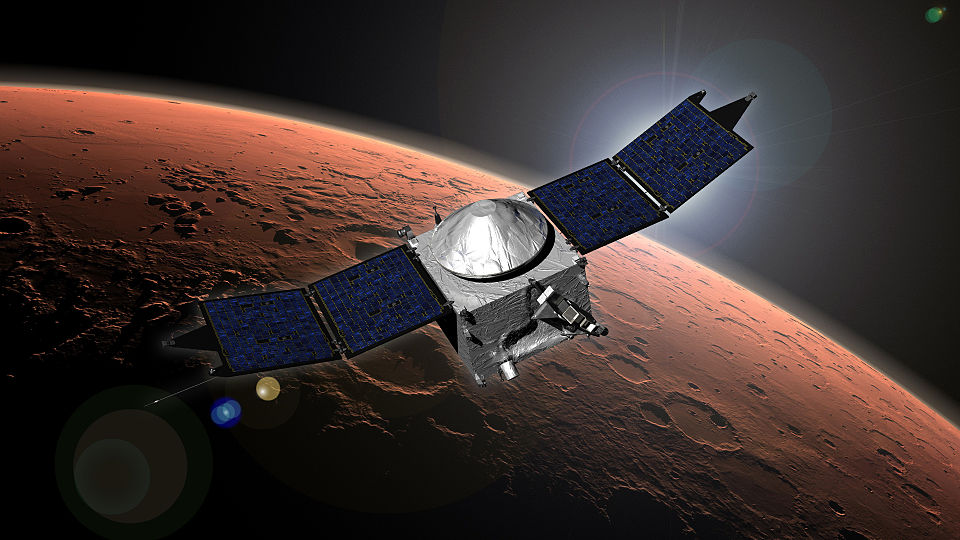
NASA’s MAVEN orbiter used its Imaging Ultraviolet Spectrograph to record the comet’s hydrogen emissions, separating them from hydrogen emanating within the Mars atmosphere and the interplanetary medium. Starting on Sept. 27 and continuing for more than ten days, MAVEN mapped distributions of hydrogen and hydroxyl molecules. Those mappings enabled researchers to determine the comet’s deuterium-to-hydrogen ratio, a fundamental tracer of its formation environment. “The detections we are seeing are significant, and we have only scratched the surface of our analysis,” said Dr. Shannon Curry, principal investigator for MAVEN.
4. A Solar System-Wide Observation Campaign
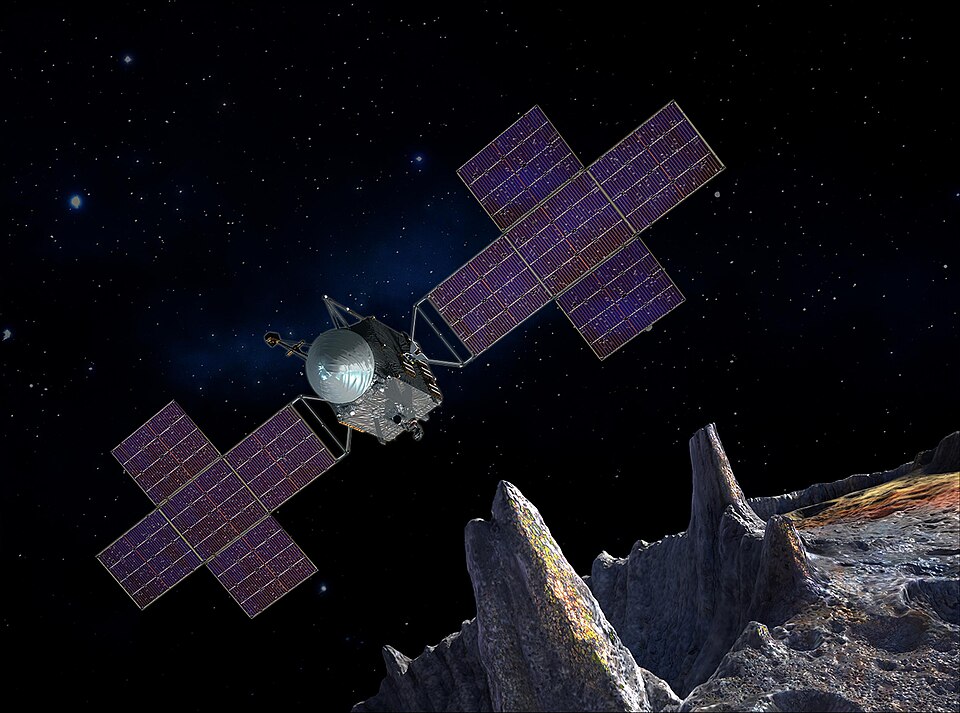
From the moment of its discovery, NASA coordinated more than 20 missions to track 3I/ATLAS from multiple vantage points. The Psyche spacecraft imaged it from 53 million kilometers away, refining its trajectory. Lucy, en route to Jupiter’s Trojan asteroids, captured its coma and tail from 240 million kilometers. The Hubble Space Telescope showed it with a teardrop-shaped dust plume. The James Webb Space Telescope detected an unusually high carbon dioxide-to-water ice ratio, which could suggest that it formed under more intense radiation than the typical comets of the solar system. Even heliophysics missions like STEREO and SOHO contributed to imaging this comet as it passed near the Sun.
5. Orbital Mechanics of a Galactic Nomad
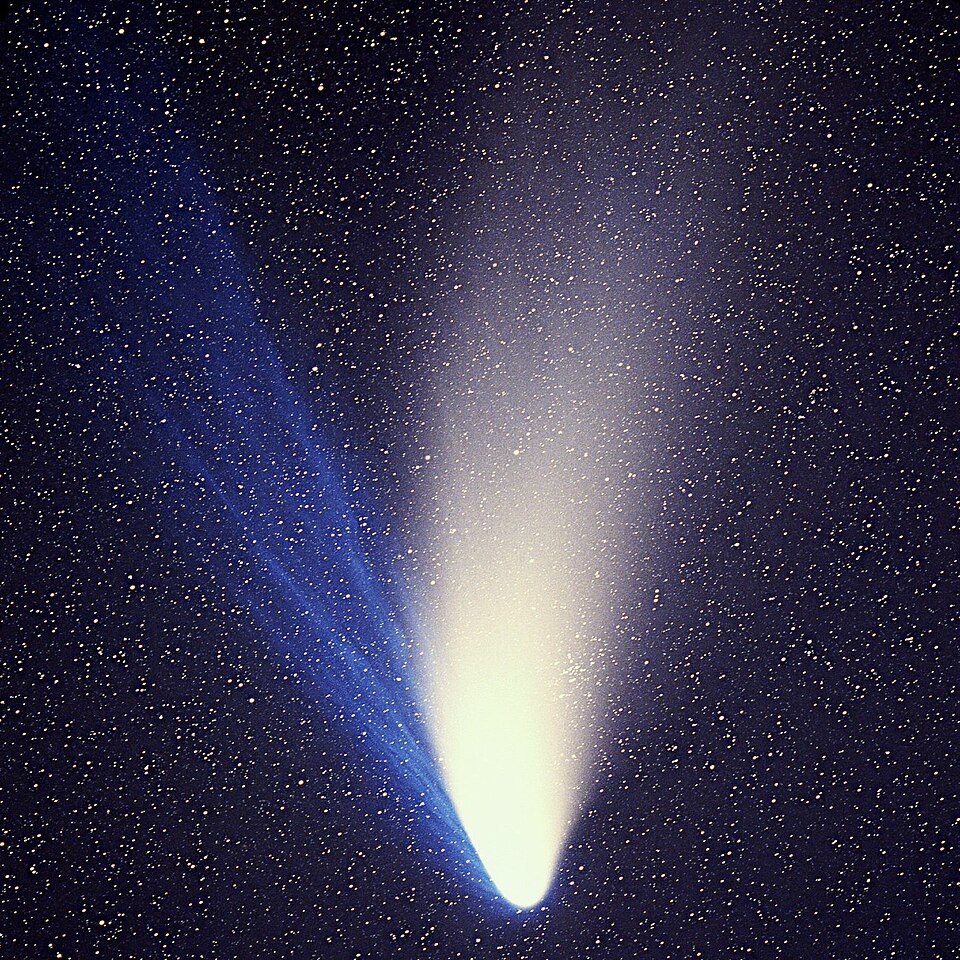
Its trajectory through the solar system is a classic hyperbolic path; perihelion is sufficiently close to initiate the sublimation of volatile ices but far from a course that would result in its collision with a planet. Thus, the investigators will have the chance to measure changes in its rotation rate-a phenomenon caused by asymmetric outgassing jets-before and after perihelion. Such observations enable further refinement of models of interstellar cometary evolution as a function of its encounters with diverse stellar environments.
6. Detection Technologies and Their Limits
The ATLAS system has four telescopes located across Hawaii, Chile, and South Africa and scans the sky several times every night. Capable of providing hours to weeks of warning for incoming asteroids, depending on size, its detection of 3I/ATLAS underlines the importance of wide-field automated surveys. Future facilities such as the Vera C. Rubin Observatory are expected to dramatically increase this rate of discoveries, which may reveal dozens more interstellar visitors in the next decade alone.
7. Scientific Significance Beyond the Spectacle
Chemical and physical data from 3I/ATLAS form a rare window into the composition of distant star systems. The gas surrounding it contains elevated nickel-to-iron ratios, while with unusual dust grain sizes, its anomalously high carbon dioxide abundance may reshape understanding about comet formation in varied galactic environments. “This object is a comet,” said Amit Kshatriya, NASA Associate Administrator. “It looks and behaves like a comet, and all evidence points to it being a comet. But this one came from outside the solar system, which makes it fascinating, exciting, and scientifically very important.”

8. Public Speculation and Scientific Rigor
Some figures, like Harvard astrophysicist Avi Loeb, have questioned NASA’s categorical identification of 3I/ATLAS, citing that the object has a clean structure with an unusual glow indicative of technological origin. Loeb insists that the debate will only be settled with further high-resolution imaging and compositional analysis. NASA counters that no technosignatures have been found, and all observed behaviors are consistent with natural cometary activity.
9. Engineering Challenges in Imaging a Fast-Moving Target
The 3I/ATLAS required very accurate spacecraft pointing and timing to avoid contamination due to the atmosphere of Mars and stray light. The engineers had to provide for the extreme velocity of the comet and for alignment with instruments mostly designed for stationary or slow-moving targets. Success under these conditions for HiRISE and MAVEN proves the flexibility of the existing space assets to unexpected scientific opportunities.
The comet will make its closest approach to Earth on December 19, 2025, at a safe 270 million kilometers before heading back to interstellar space. To the scientists, every photon collected from this icy traveler is a piece of a much larger cosmic puzzle, one that spans star systems, epochs, and the very origins of planetary water.


