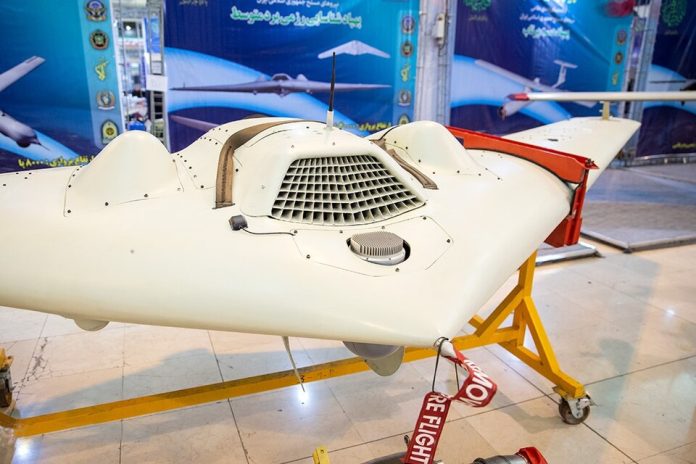
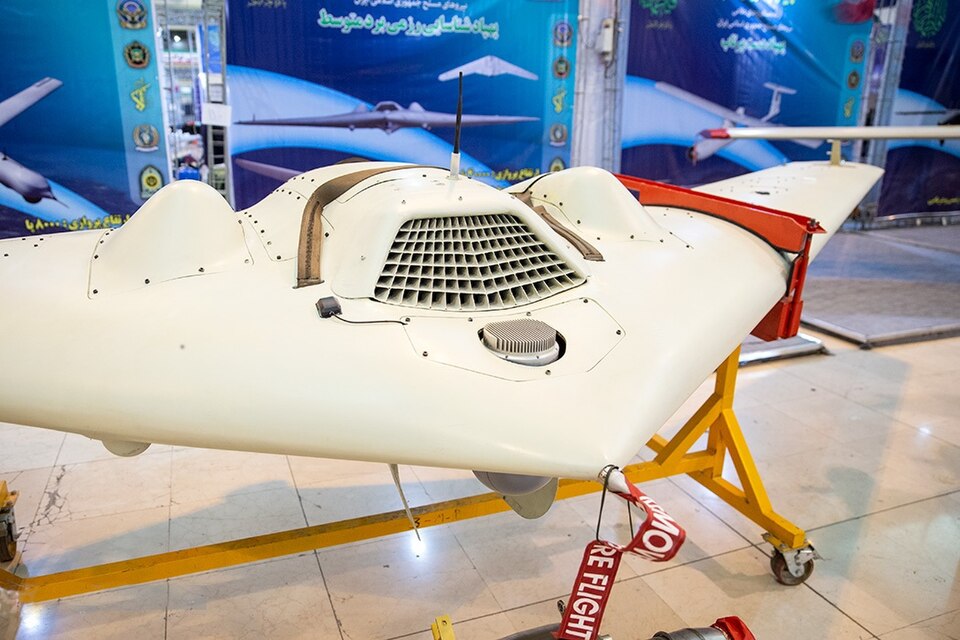
As has been realized, speed is not everything. Russia’s new Geran‑3 turbojet drones were meant to outrun Ukraine’s inexpensive interceptors, but Ukrainian units have already scored confirmed kills using domestically built Sting drones. That unexpected success challenged assumptions about cost-effective air defense and underlined the rapidly changing battlefield where innovation can flip the script overnight.
Above Ukraine, the drone war has turned into a proving ground for unmanned systems, where designs are iterated within weeks, not years. Mass-manufactured loitering munitions, swarms of decoys, and jet-powered kamikaze drones meet agile countermeasures-from volunteer-built quadcopters to NATO-backed joint development programs-in the sky. Here are nine compelling developments that shape Ukraine’s defense against Russia’s latest aerial threat
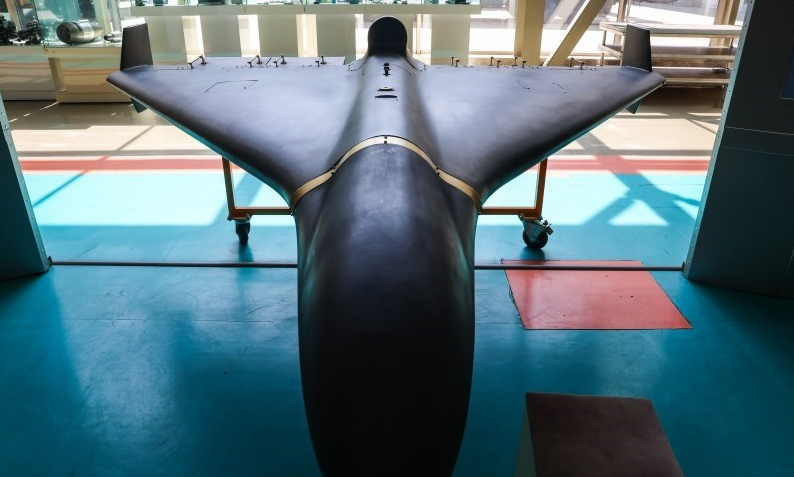
1. First Sting Interceptor Kill on a Geran‑3
Volunteer leader Serhii Sternenko reported that Ukrainian-made Sting drones destroyed several Russian Geran-3s in one night at the end of November 2025. The Geran-3 is Russia’s adaptation of the Iranian Shahed-238, boasting speeds up to 230 mph and improved satellite navigation for electronic warfare resistance. In turn, the Sting developed by Wild Hornets can reach roughly 215 mph and is guided via VR goggles to conduct direct impact strikes. That was the first documented interception of a jet-powered Shahed-proof that Ukraine’s low-cost interceptors can match the performance envelope of Russia’s newest loitering munitions.

2. Technical Leap of Geran‑3 over Geran‑2
It’s not just a name change from its forerunner: Russia’s Geran‑3 features an integrated 250–300 kg‑thrust turbojet engine, carries up to a 300 kg payload, and is capable of reaching altitudes as high as 9.1 km. The improved flying‑wing design offers better aerodynamics, while infrared sensors or passive radar guidance increase survivability. At the same time, though, the turbojet increases production cost and thermal visibility, reducing how many can be deployed compared to the much cheaper, mass‑produced Geran‑2s, at as low as $20,000 each, flying at around 115 mph.
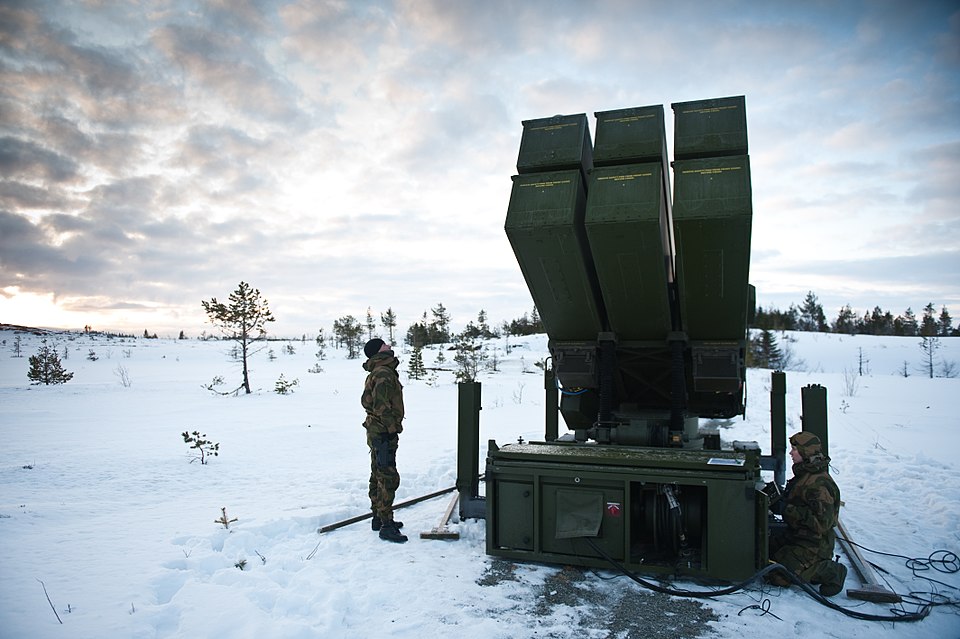
3. Cost-Driven Innovation in Ukrainian Air Defense
Interceptor drones usually cost in the range of 2,000 to 6,000 dollars, much cheaper than the 1 million dollars NASAMS missiles. The price tag for the Sting at 2,500 dollars was supposed to enable mass deployment without draining resources. That is economically important at a time when hundreds of drones are launched every night by Russia. In saving high-end missiles for cruise and ballistic threats, Ukraine preserves its layered defense while countering Shaheds with affordable, expendable assets.
4. Volunteer-Military Tech Collaboration
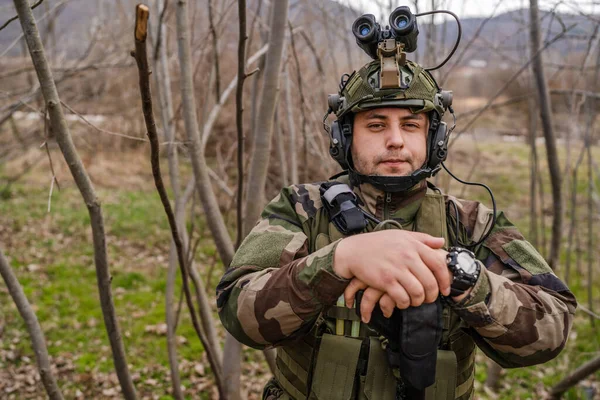
Building on Ukraine’s vibrant culture of innovation, private firms, civilian engineers, and frontline units have been able to co-develop combat-ready systems in a matter of months. Groups such as the Come Back Alive Foundation support scores of programs, including one called Dronefall that collaborates with 12 to 15 manufacturers to make interceptors that have downed more than 3,000 aerial targets. Contrasted with the centralized Russian production system, it is a bottom-up approach that delivers battlefield-tested solutions at speed.

5. NATO’s Interest in Hit‑to‑Kill Interceptors
Hit‑to‑kill interceptors are among the most promising defenses against mass drone attacks, according to NATO leaders such as Adm. Pierre Vandier. Wild Hornets’ Sting has been tested as far afield as over Danish airspace, as the alliance explores cheaper alternatives to fighter jets and Patriot missiles. The UK recently committed to co‑developing thousands of low‑cost interceptors with Ukraine in a move seen as a sign of growing Western commitment to scalable counter‑UAS technology.
6. Russian Drone Swarm Tactics and Decoys
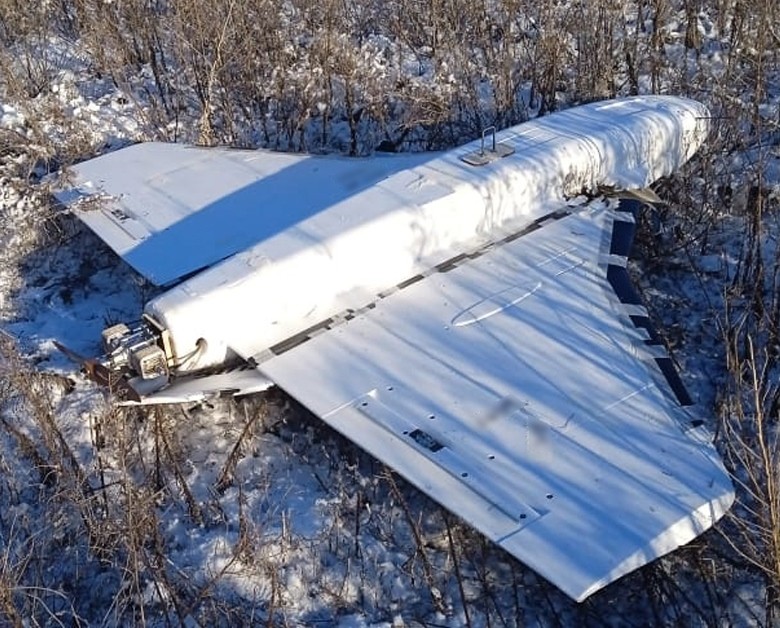
Russia often uses strike drones with decoys, such as Gerbera and Parodya, for the purposes of saturation of radar and mobile fire groups. Such foam or wood structures, fitted out with attached Luneburg lenses, present the same type of radar signature as real Shaheds. Such drones fly in swarms at various altitudes with the goal of confusing defenses and exposing firing positions. This requires Ukraine to provide dense multi‑layered coverage and accelerate interceptor deployment.
7. Operational Limits of Geran‑3
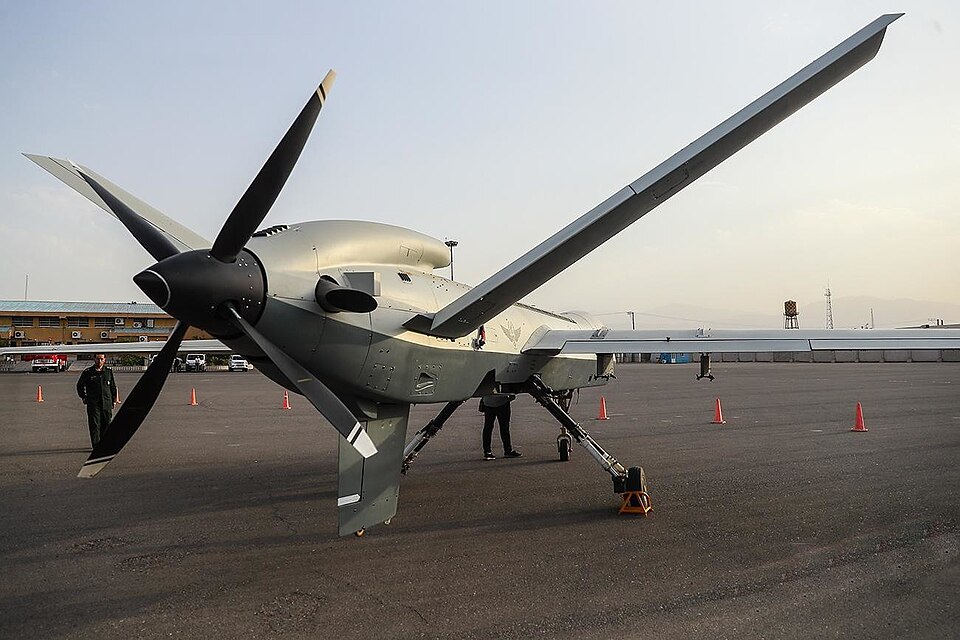
Though these drones are advertised at speeds of 550–600 km/h, Ukrainian forces have recorded Geran‑3 cruising at 300–350 km/h for most of its route and accelerating only near defenses. It is here that this fuel-burning sprint reduces the range and opens up interception windows for the fast quadcopters. Knowing this pattern allows Ukrainian crews to position assets for optimal engagement.

8. Training Challenges for Interceptor Pilots:
Flying interceptor drones is a job that requires an elite level of piloting. Yeti, lead instructor at Drone Fight Club in Kyiv, estimated that only several dozen of the 5,200 who have come through the company’s grueling boot camp have succeeded in its famously grueling exams, which have a 30% pass rate. Combat crews often rush training due to manpower shortages; this affects hit rates, ranging from 30% to 90%, depending on the experience of the pilot and the nature and timing of the intercept.
9. The Next Phase: Countering Faster Threats
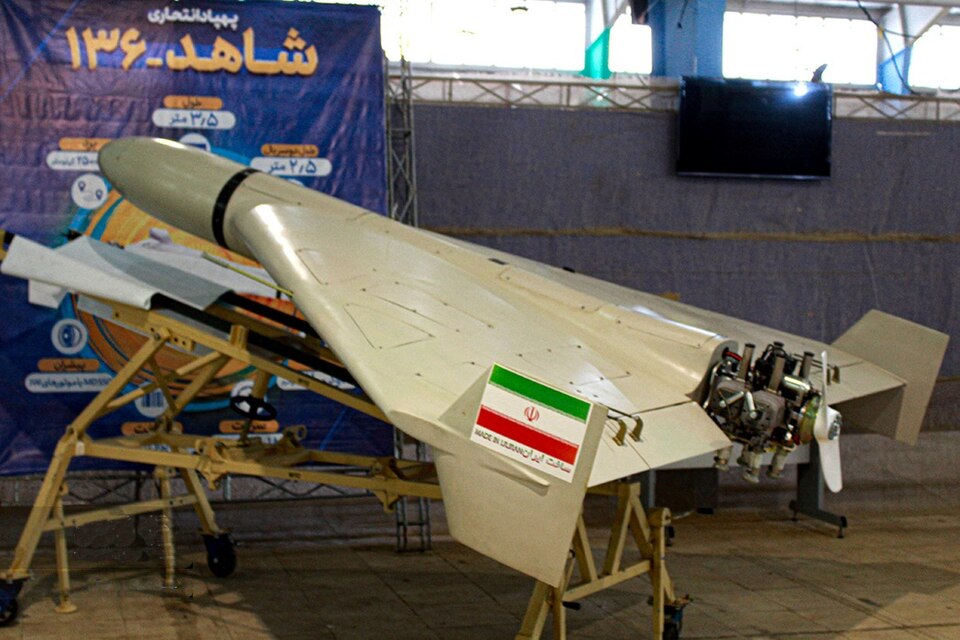
Russian sources say that Geran‑3 variants likely to reach 310 mph will outpace today’s interceptors. Ukrainian engineers are working on next‑generation systems; details are classified. In the words of Come Back Alive’s Taras Tymochko, “It’s going to be the next stage of the competition.”
And the cycle of adaptation means today’s breakthrough is tomorrow’s baseline. More than a tactical victory, the downing of Geran‑3s with Sting interceptors testifies that in many circumstances, agility, cost‑effectiveness, and rapid iteration can offset technological leaps by an adversary. As Russia refines its arsenal of drones and swarm tactics, Ukraine’s challenge will be how to sustain this pace of innovation, integrate lessons into a coherent defense system, and keep interceptors one step ahead in a war where seconds and meters decide survival.


