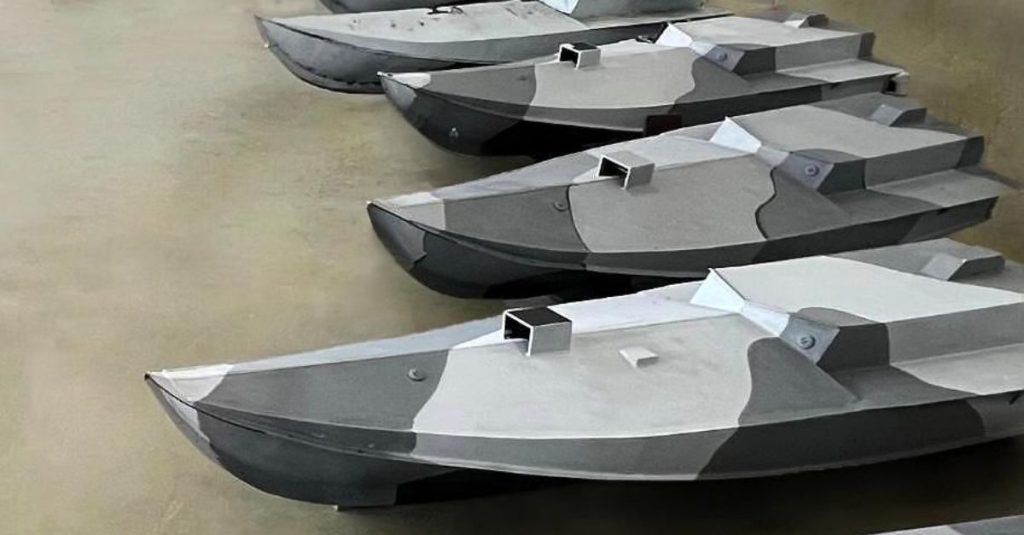
Towards the end of November in the year 2025, two Russian oil carriers that were believed to be part of the Russian shadow fleet working to evade sanctions imposed by Moscow’s adversaries were attacked by Ukrainian Sea Baby drones off the coast of Turkey’s Black Sea. Attacks were carried out on the Kairos and Virat, which had the capacity to transport oil valued at nearly $70 million. However, the two were disabled, with resultant fires breaking out, causing evacuations.
These strikes reflect the wider shift in naval conflict. Currently, the Security Service of Ukraine (SBU) has managed to transform its Sea BaBy project from being a single-use explosive boat to being a reusable, modular system that incorporates AI, heavy payloads, as well as multi-domain capabilities. Such changes not only impact the Black Sea theatre of operations but also interest the rest of the world’s militaries, as different countries examine the tactics, technologies, and strategic aspects involved in the use of unmanned surface vessels. Below are nine events that highlight the changes being witnessed through the use of Ukrainian naval drones.
1. Range of Operation and Payload Capability
“The most recent Sea Baby variant now boasts a strike radius of over 1,500 km, compared with its basic range of 1,000 km. Its carrying capacity has been doubled, with a new weight capacity of about 2,000 kg (4,400 lbs). According to comments from SBU Brig. Gen. Ivan Lukash evych, this will allow it ‘to deliver heavy armaments, such as multiple launchers, beyond the range of hostile fire.’ Such capabilities were recently exercised with strikes launched on November 28 that targeted areas much deeper than previous strikes within the Ukrainian Black Sea operation zone.”

2. AI-Assisted Targeting and Friend or Foe
The improved drones also come with AI-powered identification of friend or foe, increasing accuracy and minimizing the chances of errors in hostile areas. According to Lukashevych, such drones can further operate in conjunction with air drones launched from the aircraft for air reconnaissance as well as battle-damage assessment. Such drones would be useful in complex missions such as disabling ships’ propulsion, as proposed for the Kairos and Virat drones, as well as targeting infrastructure, such as the Crimea Bridge.
3. Modular, Multi-Role Weapon Integration
Sea Babies initially operate with modular design principles, which provide rapid reconfiguration capabilities for direct strikes, surveillance, or mine laying. Variants of Sea Babies have been equipped with stabilized machine gun turrets, Grad multiple launch rocket systems, as well as strike FPV drones. Such flexibility corresponds with the ‘platform + payload’ approach that foreign experts greatly praised, allowing quick adjustments in response to threats.
4. Swarming Strategy & asymetric Disavantages
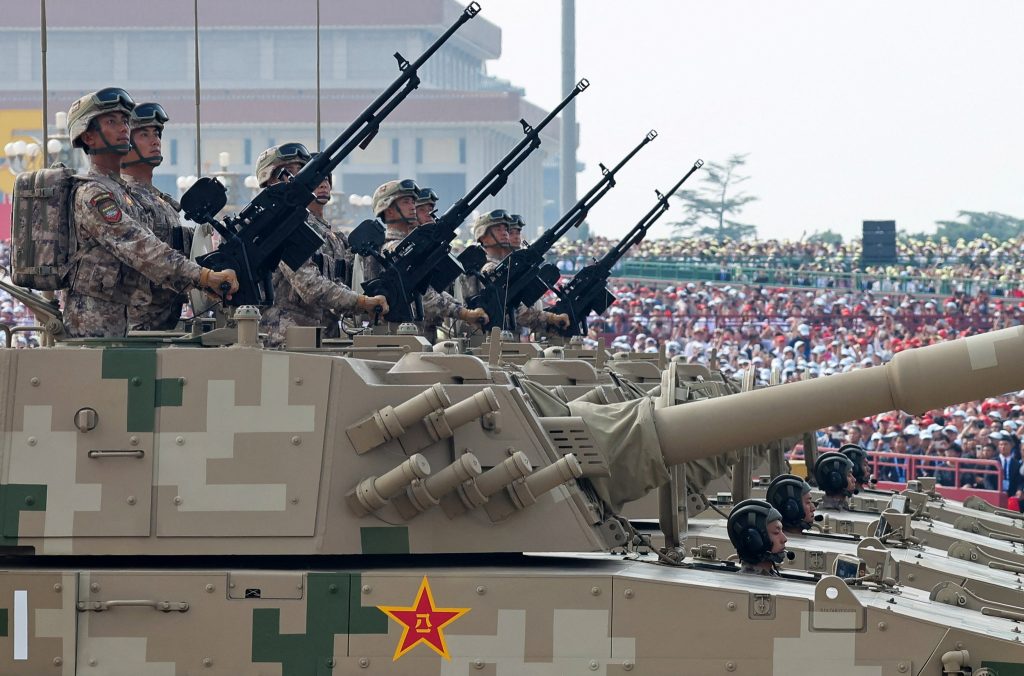
During this time, the Ukrainian forces perfected their “swarm” attack with multiple USVs launched together. This attack requires their enemies to shift their attention, thus exposing their weaknesses. PLA observers term such kinds of attack “countering the large and superior with the small and frugal” because this method is cost-effective. Such tactics enabled the Ukrainians to reclaim control of some of their Black Sea coast despite lacking a conventional navy.
5. Strategic Pressure on Russia’s Oil Infrastructure
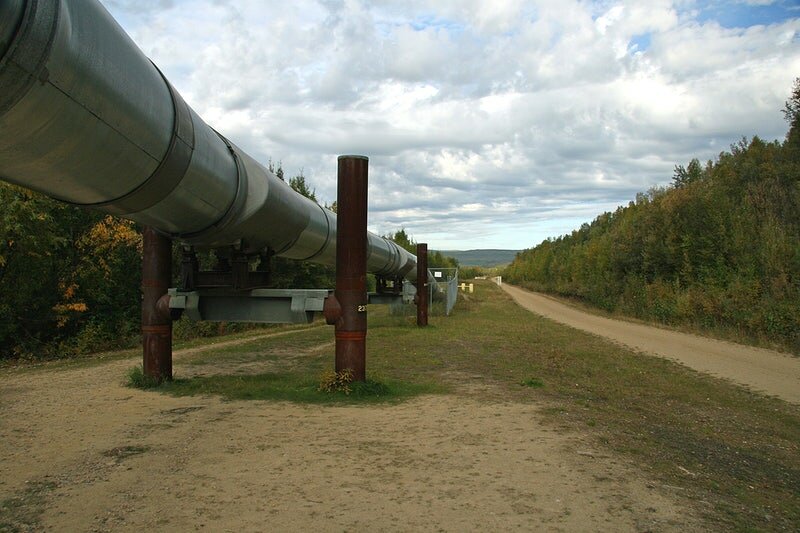
Attacks on oil tankers were a strategic attack that targeted oil transporters as well as oil reception facilities. Shortly after the attacks on the Kairos and Virat, Ukrainian drones damaged a mooring berth at the Caspian Pipeline Consortium oil terminal in Novorossiysk. By limiting the oil export capabilities of Russia, the Ukrainian war effort is working to undermine the regime’s main revenue source, worth $13.1 billion in October 2025, as estimated by the International Energy Agency.
6. Self-Destruct Mechanisms to Prevent Capture
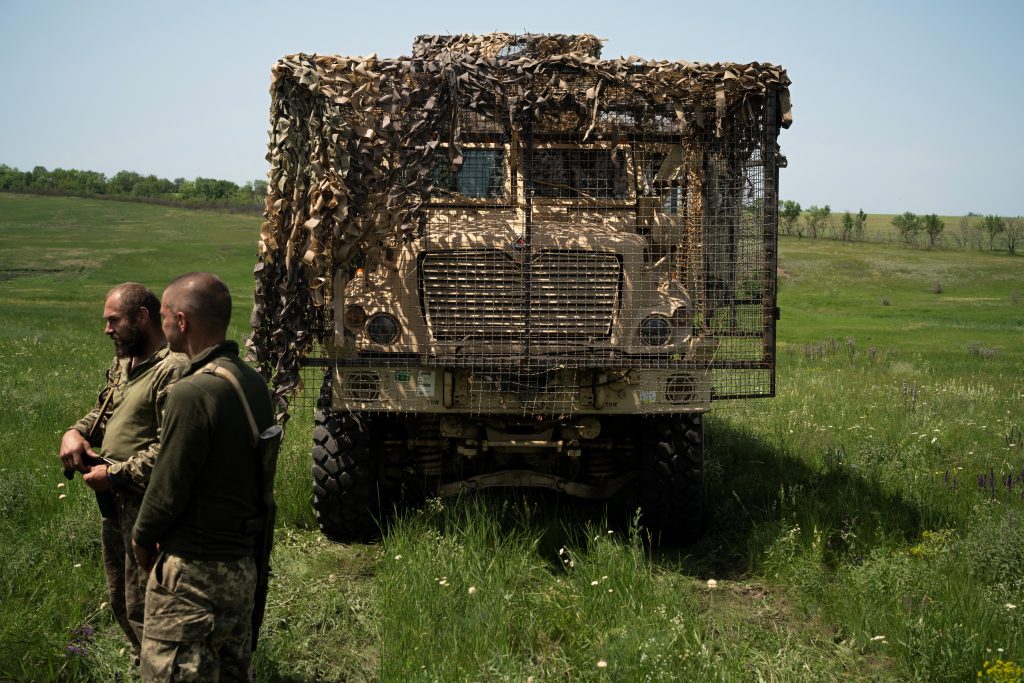
To protect sensitive technology, Sea Babies use self-destruct systems. Lukashevych explained that such systems activate in case of impending capture, thereby denying adversaries a chance to reverse engineer Ukrainian technology. This aspect showcases the level of importance involved in drone technology, as parity may soon be achieved if such technology were to fall into the hands of enemies.
7. International Interest and Potential Exports
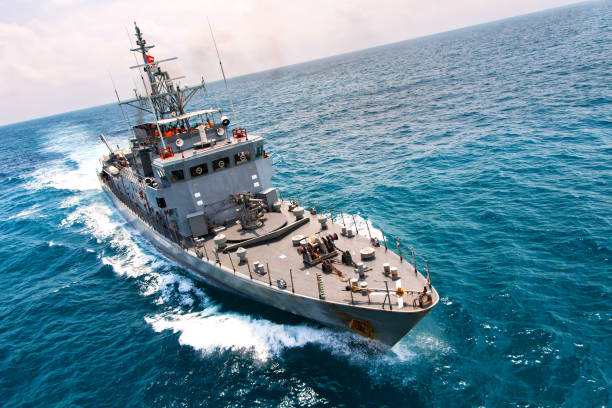
Ukrainian Leader Volodymyr Zelenskyy indicates that he will export as many as 2,000 drones designed for use on the high seas. With more than 200 Ukrainian manufacturers producing drones, most of which were field-tested, their use provides valuable capabilities that come at relatively low costs. According to Volodymyr Zelenskyy, protecting seaborne routes remains essential for international trade.
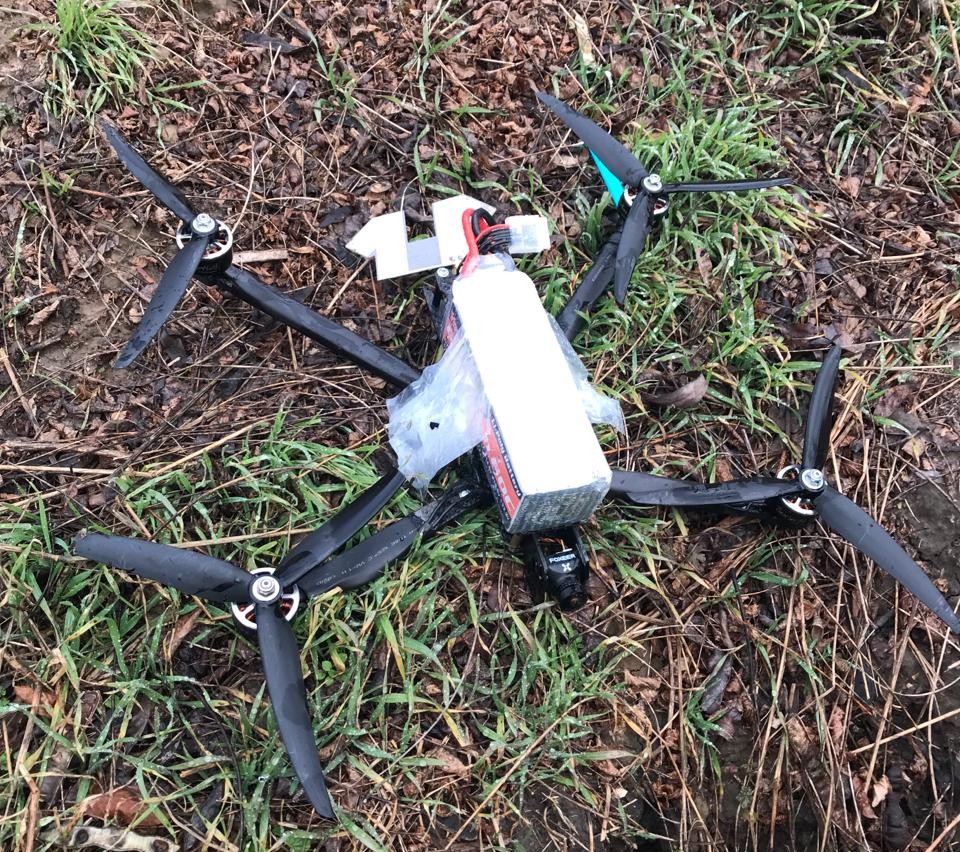
8. Concepte voor Defens
However, Ukraine is not alone in its innovation for USV technology. Its enemies, such as Russia, are trying to recreate Sea Baby models. To counter this, the SBU launched the development of “destroyers” based on USVs that would intercept and neutralize harmful drones. Experts such as Serhii Kuzan urge improvements in harbor protection with buoy barriers, as well as advance electronic warfare tools, given the impending escalation in drone-vs.-drone battles.
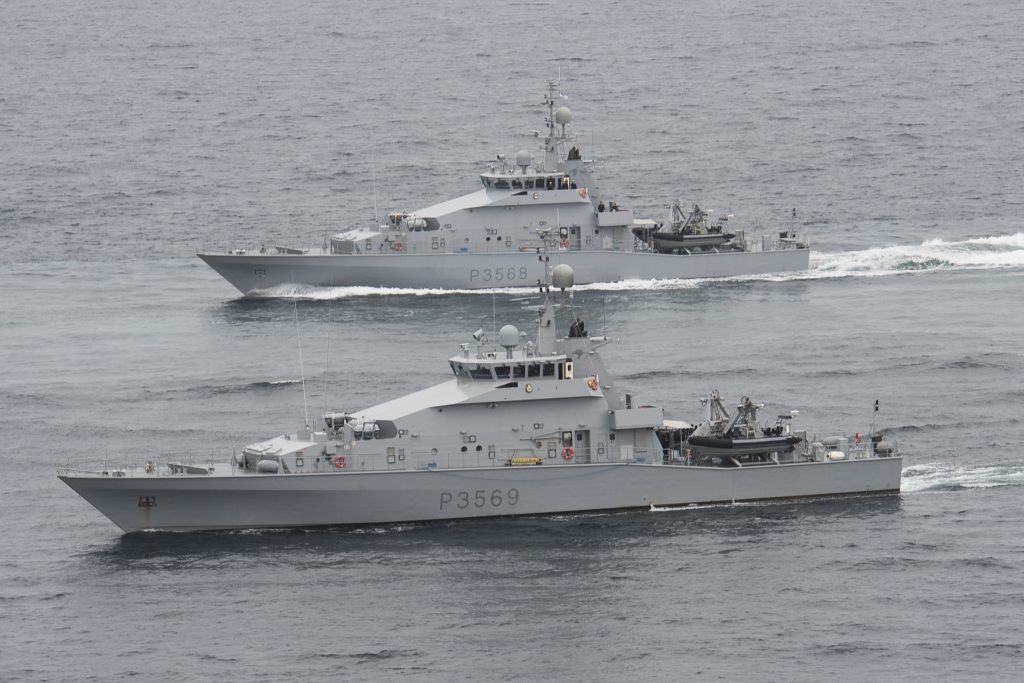
9. Worldwide Lessons in Naval Innovation
The Ukrainian experience has attracted probing interest from militaries across the globe, such as the People’s Liberation Army, with regards to USVs, as they see them as scalable, flexible, and stealthy assets for asymmetric purposes. In fact, Sea Baby is identified as representative of the use of unmanned technology to counter a superior force’s navy. Sea Baby, a Ukrainian unmanned system, exemplifies a marked evolution in Naval Warfare, merging ‘long-range,’ ‘serious payloads,’ ‘AI targeting,’ and ‘modular versatility’ with ‘reusability.’
Sea Baby’s battle achievements, starting with the destruction of warships through the targeting of oil exports, clearly indicate the value of USVs in contemporary warfare. Other countries taking note, the Black Sea itself will now serve as both ‘proving ground’ and ‘warning zone,’ as ‘maritime supremacy’ will pass along with ‘speed’ in this new ‘UAS Era.’


