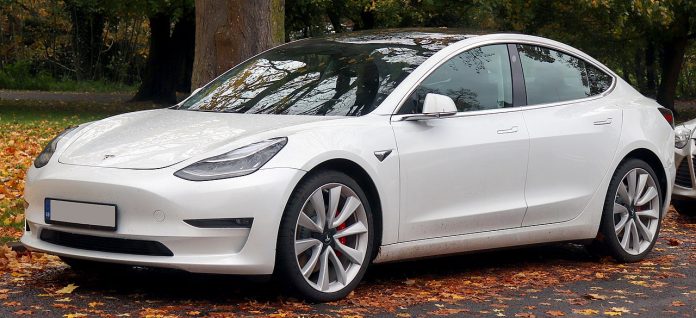
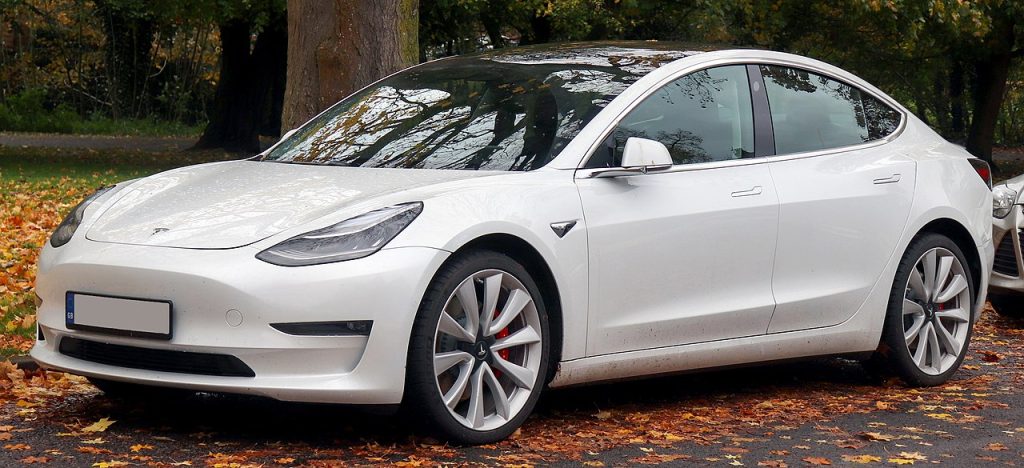
With compact EVs, passenger‑only autonomy trials, and AI‑powered edge devices converging, what does the future look like at Tesla? Sketched out as the company’s Master Plan Part 3, it is a shifting roadmap that brings together battery innovations with manufacturing scale and software-driven experiences in ways likely to redefine both mobility and personal computing.
1. Compact EV with 53 kWh LFP Battery
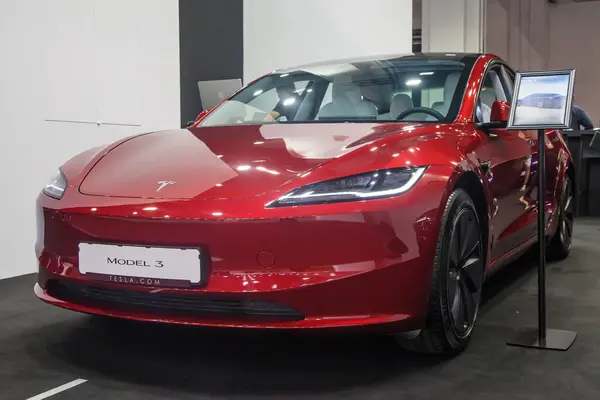
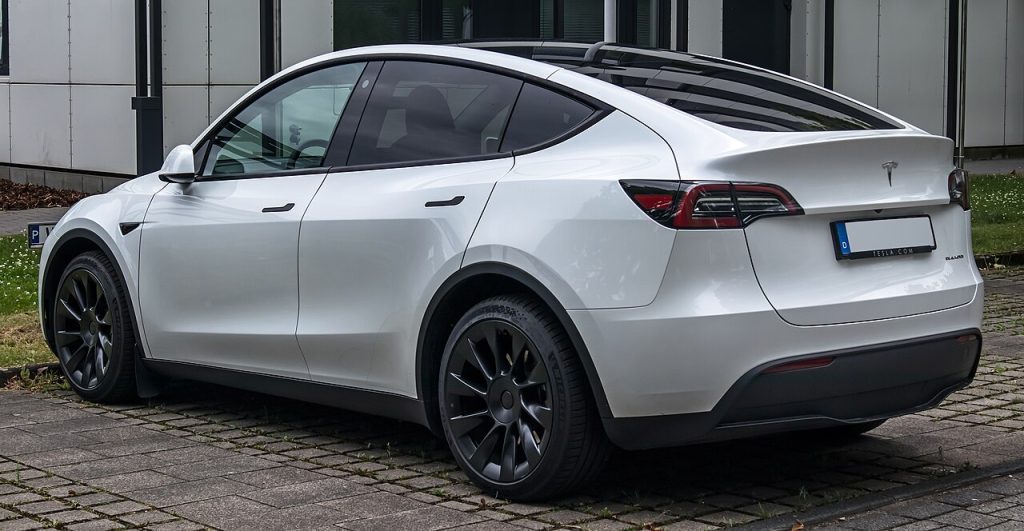
Tesla’s new compact car-presently internally named “Model Q” or “Project Redwood”-is designed around a 53 kWh lithium iron phosphate pack. Chemistry that is increasingly favored for standard‑range EVs trades some energy density for lower cost, exceptional thermal stability, and long cycle life. Tesla’s own projections put the vehicle’s starting price at about $25,000, placing it in the same class as the Volkswagen ID.2. The design comes in 15% shorter and 30% lighter than the Model 3, helping to offset LFP’s lower Wh/kg with efficiency gains. Tesla intends to produce up to 4 million units annually, a scale that would require mastery of its supply chain in LFP cell sourcing currently dominated by China’s CATL and BYD.
2. LFP vs. High‑Nickel Packs Across the Lineup
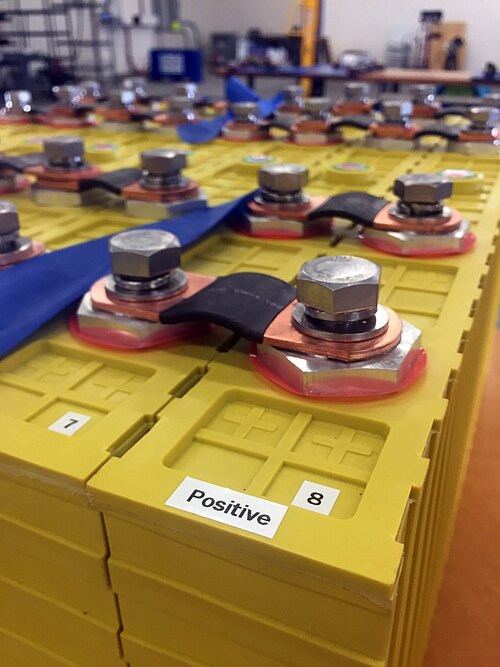
The Master Plan Part 3 fleshes out some battery specifications for future vans and buses, too: commercial/passenger vans get high-nickel 100 kWh packs for increased energy density and range; the bus has a 300 kWh LFP pack to assure durability and safety in high-cycle fleet use. For example, high-nickel chemistries like NMC offer 150–220 Wh/kg and enable much longer routes without growing pack size-but they require much more stringent thermal management. LFP offers 90–120 Wh/kg and can safely be charged to 100% every day-with minimal degradation-through typical predictable urban duty cycles.
3. Scaling Manufacturing to Mass Market
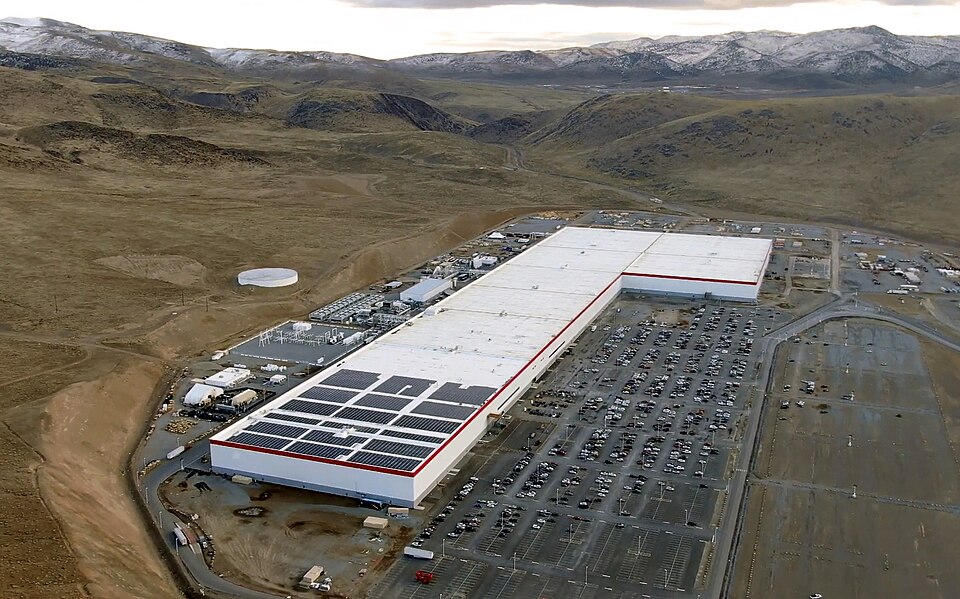
Tesla estimates replacing the world’s ICE fleet would take 112 TWh of battery capacity. To get there, production costs must be halved, investor presentations say, through innovations such as an “unboxed” assembly process-snapping together sub-assemblies to reduce complexity and time. For the Model Q, Tesla wants to make use of existing lines with minimal changes to avoid the delays inherent to completely new production systems. This is in line with efficiency gains during Model 3/Y ramp-ups, but at a much greater scale.
4. FSD Passenger‑Only Ride‑Along Program in Europe
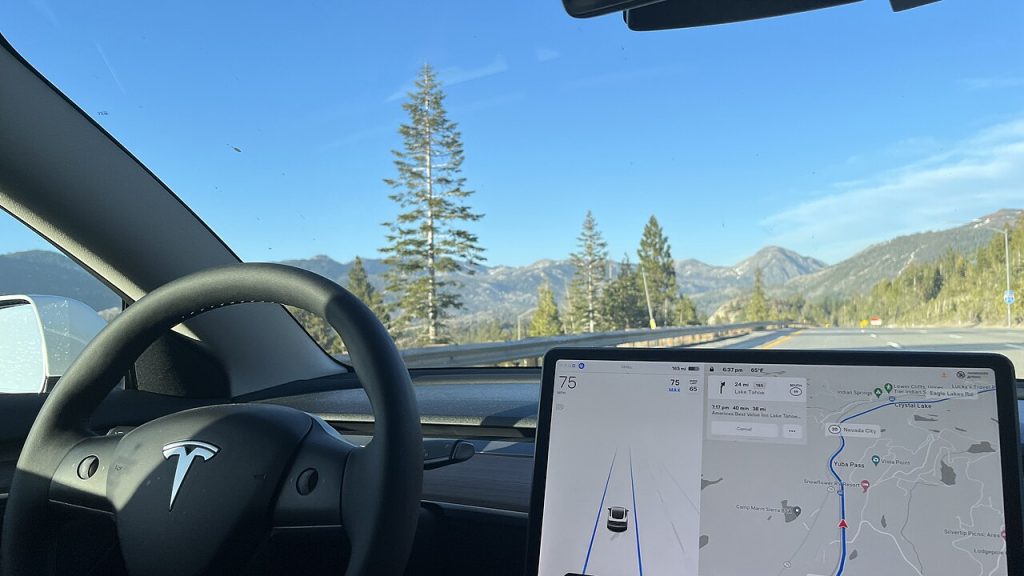
Tesla’s new Full Self‑Driving ride‑along program will put participants in the passenger seat, with a trained Tesla employee operating the vehicle. That aligns with European regulatory frameworks still in the process of reviewing and considering rules for autonomous driving. The idea is to gain public trust by demonstrating that FSD can manage complex local infrastructure-narrow streets and multi‑lane roundabouts-prior to approval. The Dutch RDW has targeted February 2026 as a possible clearance but warns that “it remains to be seen” if that timeline holds. Early demand is strong, with some locations reporting 200+ bookings with just one equipped vehicle.
5. Neural Networks and European Regulatory Hurdles
FSD Supervised is based on pure, end‑to‑end neural networks, which are trained on billions of fleet miles of data to predict trajectories without the need for any rule‑based code. European regulators require extensive local testing to ensure these networks adapt to region‑specific driving norms. Public Tesla demos aim to normalize the cultural concept of autonomy by working to overcome skepticism and, in turn, create grassroots pressure for approval. Here, Tesla’s strategy mimics its approach to deploying FSD in the U.S.: put “butts in seats” and turn curiosity into confidence.
6. Elon Musk’s AI Edge Node Vision
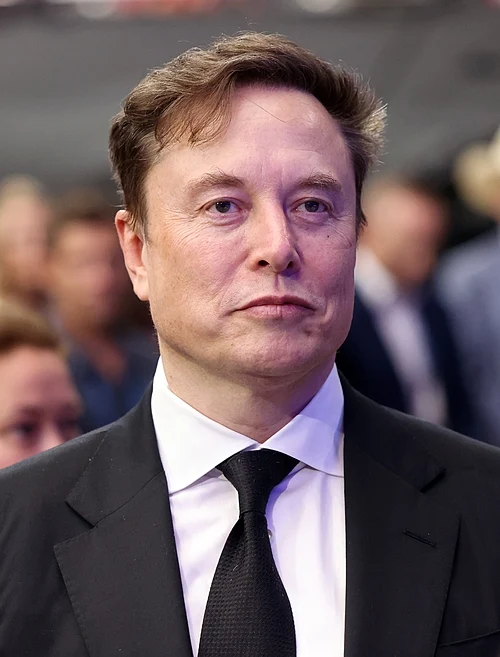
Musk has denied Tesla phone rumors in favor of a vision that involves personal devices as slimline AI edge nodes. Thin clients with radios, a display, speakers and some very light local compute to handle heavy inference tasks offloaded to cloud servers. “There won’t be operating systems. There won’t be apps in the future,” Musk said, placing emphasis on real‑time AI‑generated content streamed back to the device. This architecture is consistent with how FSD handles driver environment data—minimum capture on the device, maximum computation server‑side.
7. Integration Across Vehicles, Robots, and Neuralink
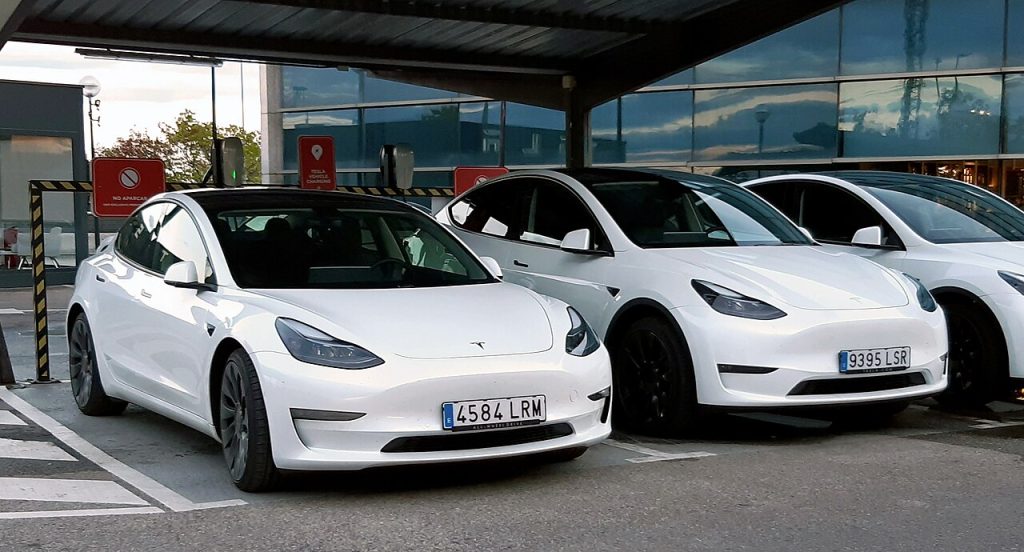
These would hail a Cybercab, show augmented reality route overlays, or connect with Optimus humanoid robots for mobile manipulation tasks. In Musk’s framing, Neuralink is the “ultimate edge node,” going screenless and directly into the brain. The hardware and software from Tesla knit together the ecosystem, bridging the principles of autonomy between cars to personal computing and robotics.

8. Technical and Cultural Challenges for Edge Nodes
Ultra‑low latency is key; a few milliseconds of lag will break any illusion in AI‑generated video or AR. Power efficiency needs to be on par with wearable limitations, ruling out large battery packs. And then there are the deep-seated cultural concerns about privacy: the idea of being under unblinking AI surveillance will make many people balk. Another big challenge: the possibility of error. Big models still “hallucinate” content-a problem further exacerbated as training data starts to include AI-generated material.
9. Battery Chemistry as Strategic Enabler
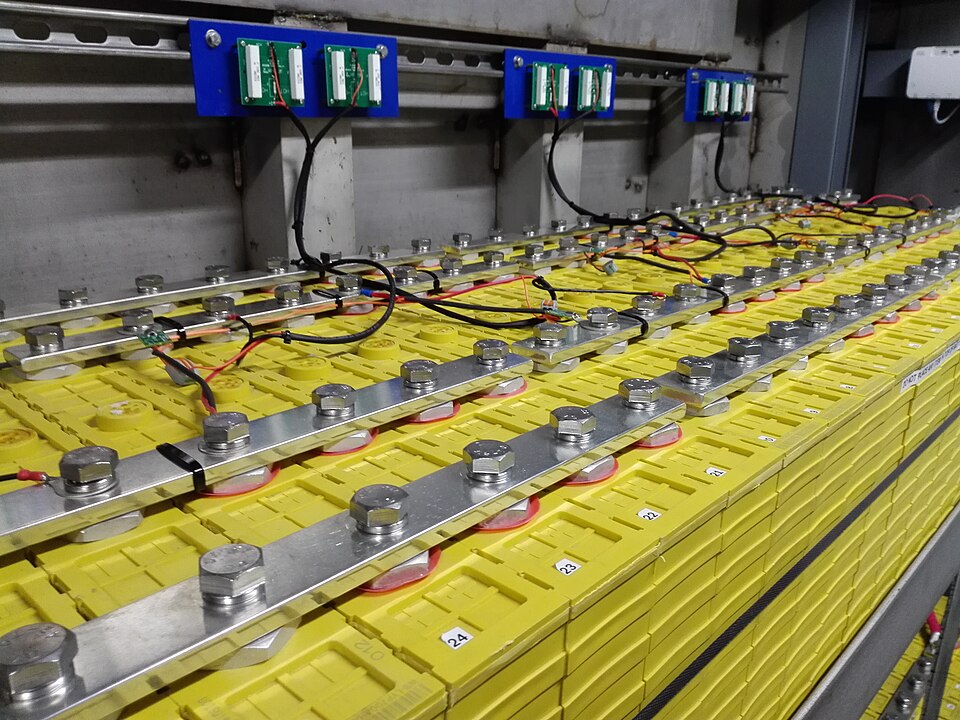
The choice of LFP for the Model Q is a consistency with Musk’s push on affordability and sustainability. LFP doesn’t use either cobalt or nickel, thus stabilizing costs and also bypassing ethical mining issues. Wherever a high-range or performance model is involved, high-nickel chemistries become necessary. The closest variants coming up are the LMFPs-Lithium Manganese Iron Phosphate-which promises about 15-20% higher energy density compared to LFP, while maintaining its safety, thus closing the gap with NMC.
Tesla’s trajectory now includes affordable EVs manufacturing at scale, unprecedented for the industry; autonomy designed to get cultural acceptance in regulatory-heavy markets; and the reimagining of personal devices into AI endpoints. Battery innovation, combined with efficiency in manufacturing and neural network deployment, will define how quickly this becomes a reality.


