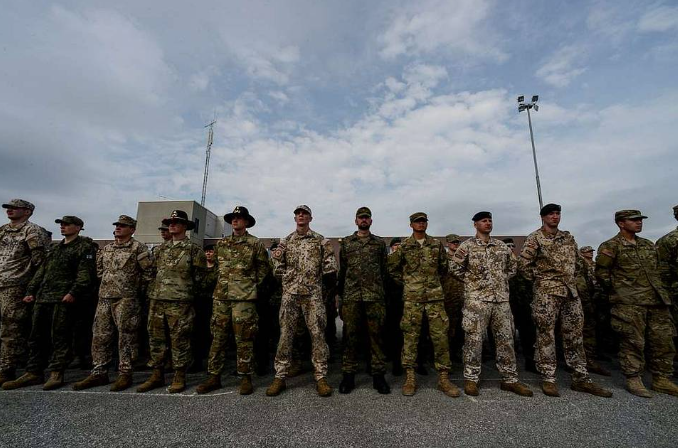
“It began on the windswept Baltic coast, where the US Army conducted one of its largest counter-drone trials yet in this domain. Over the course of about two weeks, Truppenübungsplatz Putlos in Germany became a ground for testing the technologies that can counter this ever-changing drone threat that has been transforming modern-day warfare.”
“Exercise Project FlyTrap 4.5” represented more than just a demonstration of technological prowess. It signified a live network integration exercise, it served as an informational rehearsal for a member of the North Atlantic Treaty Organization (NATO), and it depicted a testing ground for integrating experimental sensor systems, effectors, and “command and control” systems in a live operation. Challenges in this scenario were high, as “the Army aims to move from prototype to fielding in less than half the usual timeframe in a contesting electromagnetic spectrum.”
For those in the defense technology community and in military analysis circles, the trial provides insight into what this community can learn about adaptation based on Ukraine and Russia, and what characterizes the push for the US and its allies towards layered defenses, cost-effective intercepts, and rapid acquisition of those systems. Nine points to note in this important period are:
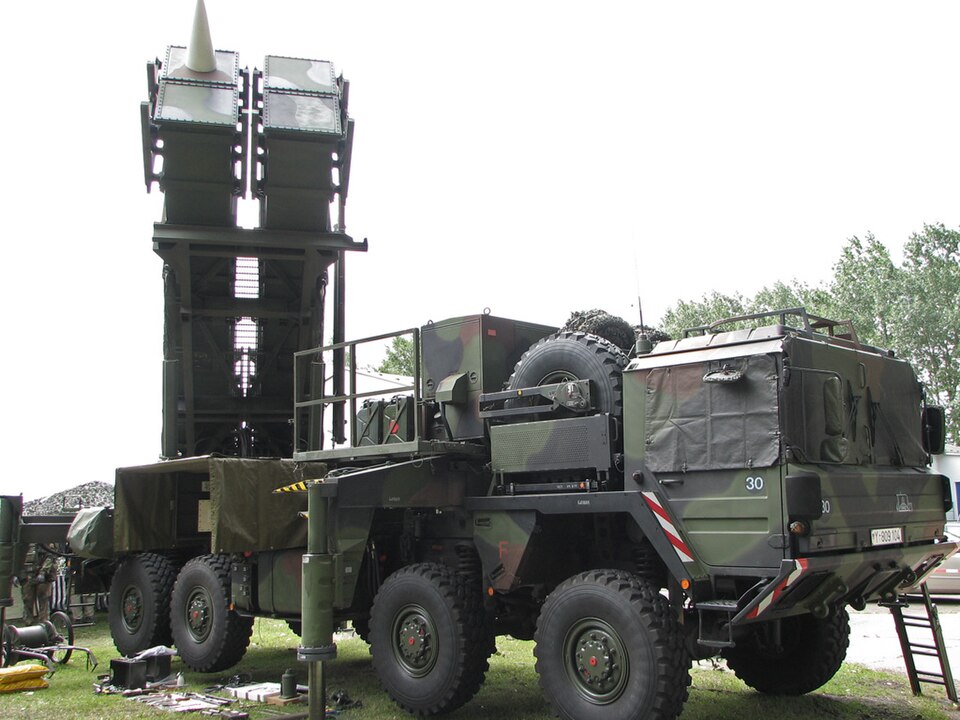
1. Live Integration into NATO Air Defense Networks
Another characteristic of FlyTrap 4.5 was the necessity for each participating system to be connected directly to the 52nd Air Defense Artillery Brigade forward command and control setup. “This network is part of the NATO Eastern Flank Deterrence Line, which extends from the Baltic to the Black Sea,” Brig. Gen. Curtis King explained. “Seamless integration in this challenging operating environment, in collaboration with V Corps and the 2nd Cavalry Regiment,proved that experimental counter-UAS tools can be immediately relevant, rather than in several years’ time.” “This is much more than just a demonstration this is an absolute necessity of future Baltic operations,” Brig. Gen. King added.
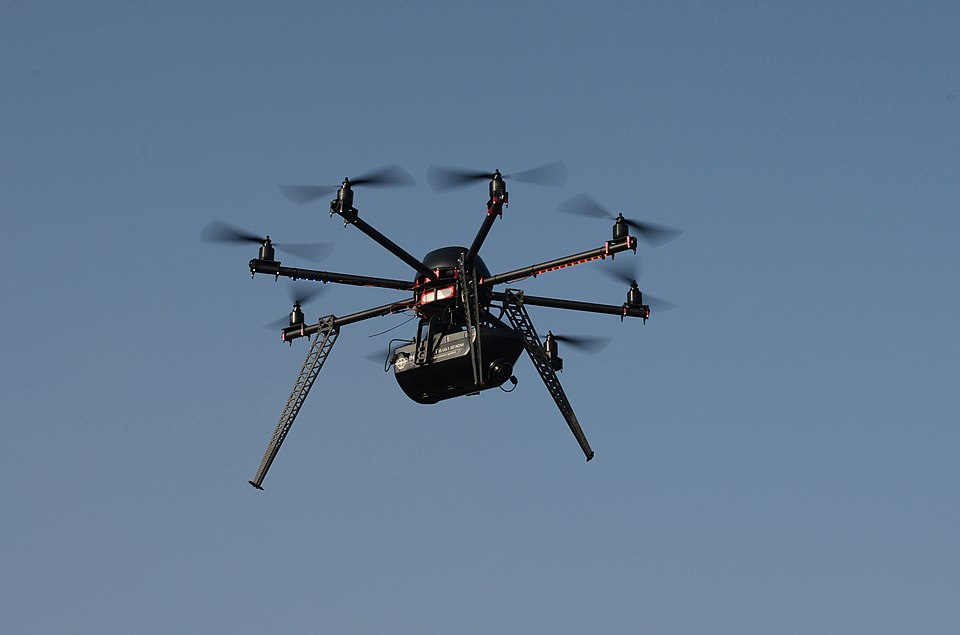
2. Rigorous Detection, Discrimination, and Defeat Trials
Systems had to operate in a disciplined assessment grid addressing detection, identification, and engagement. Active systems provided strong accuracy, yet betrayed their electromagnetic emission, while passive systems were stealthy at the expense of accuracy highly relevant for mobile air defenses. Defeat methods varied from traditional kinetic interceptors to non-kinetic means such as directed energy and electronic disruption. In non-kinetic systems that disable rotary-wing UAS swarms with less collateral damage and can be rapidly tested for possible acquisition, NATO had specific interest.
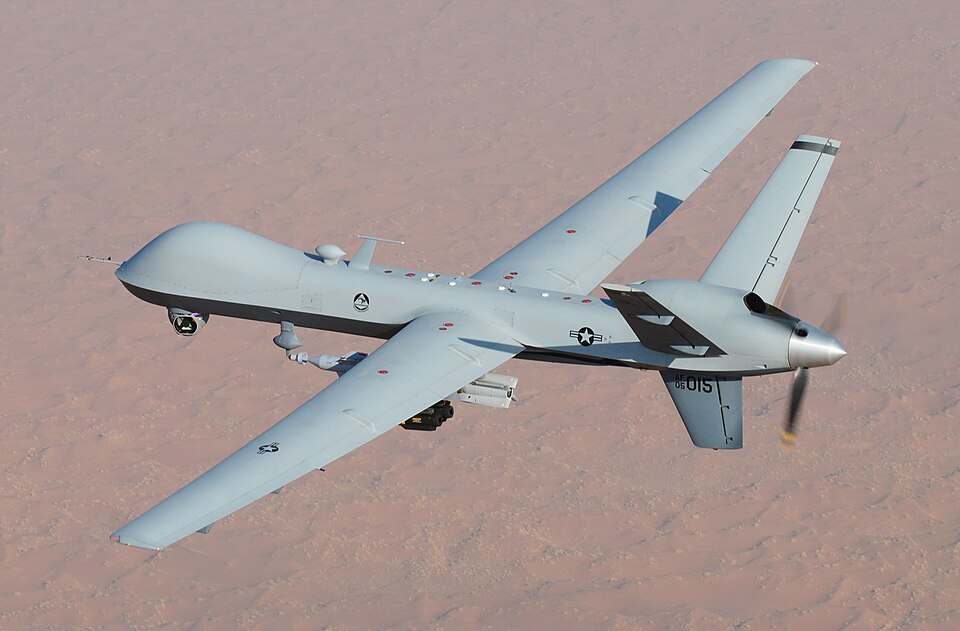
3. Merops Drone-on-Dr
Simultaneously, US, Polish, and Romanian forces were training on the American-developed “Merops” platform, incorporating AI-powered sensors in a fixed-wing “Surveyor” drone that attacks enemy UAVs by ramming them. Brig. Gen. King singled out the cost-effectiveness of this system: “at about $15,000 per interceptor, it lessens the cost of a Shahed-style drone by at least half and compares very favorably to missile intercepts.” Once joint training had gone on for ten days, the group conducted a live intercept operation, demonstrating the quick integration of Ukraine-vetted tactics into allied forces.

4. xTechCounterStrike Competition and Rapid Acquisition
FlyTrap 4.5 featured the Army xTechCounterStrike competition and encouraged companies to propose innovative counter-UAS solutions. In this contest, four winners were awarded $350,000 each and access to the Global Tactical Edge Acquisition Directorate (G-TEAD) Marketplace: AG3 Labs, Armaments Research Company, MatrixSpace, and Mountain Horse Solutions. According to Col. Christopher Hill, collaboration between businesses and soldiers facilitated better user interface and data flow in only 72 hours, otherwise taking several months in conventional acquisition.
5. Directed-Energy Weapons Enter the Fight
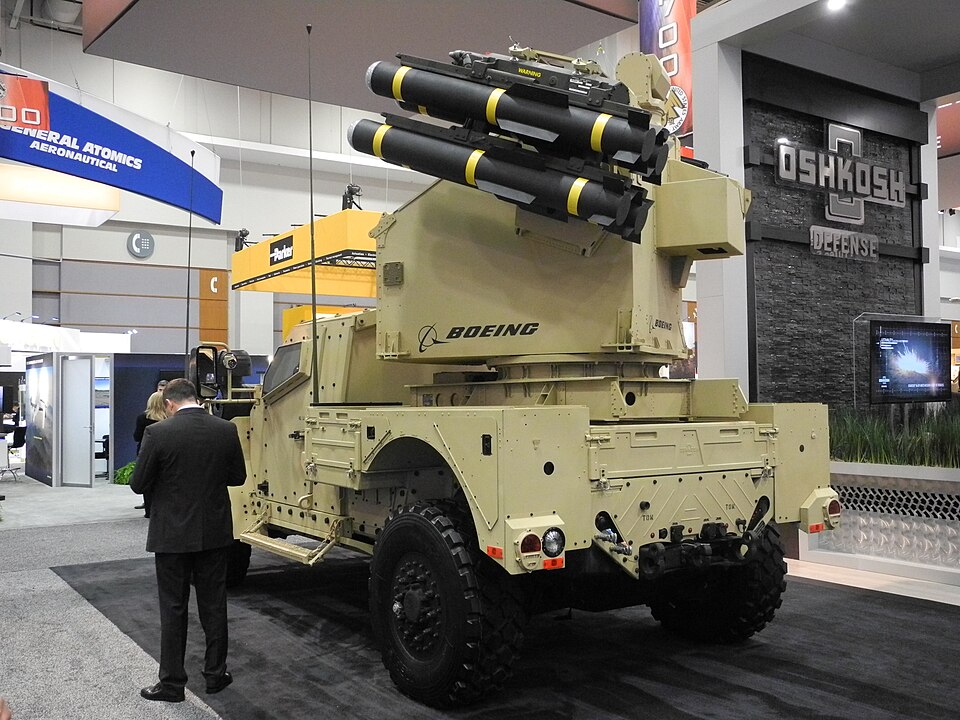
“The Army Rapid Capabilities and Critical Technologies office is pursuing the Enduring High Energy Laser (E-HEL), and the goal is to develop and field as many as 20 E-HELs that are capable of hard killing drones in Groups 1-3, including attack drones of the one-way type.” In live fire testing at the Fort Sill range, DE M-SHORAD systems were networked together and paired with kinetic M-SHORAD systems in order to develop better tactics for integrated defenses.
Lasers exhibit potential benefits of very large magazines, “speed-of-light” firings, and very low costs of individual rounds, whereas beam control and weather effects are still problematic
6. Apache Helicopters as Mobile Anti-UAS Platforms
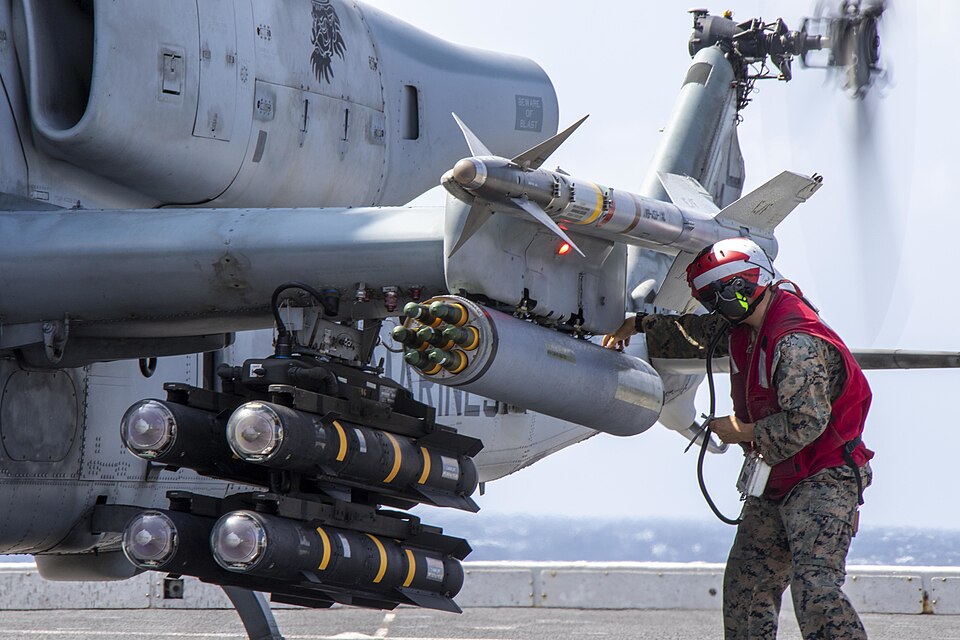
Operation Flyswatter at MCAS New River featured the use of AH-64E Apache aircraft in the V6 variant attacking drones employing missiles that included the AGM-179 JAGM and the Hellfire missile in addition to the use of other weapons like the APKWS and 30mm rounds. Link 16 connectivity facilitated short sensor-to-shooters timelines and joint engagement for aircraft. Chief Warrant Officer 5 Daniel York indicated “13 kills out of 14 engagements,” demonstrating the aircraft’s flexibility in addressing air defenses that cannot be achieved on the ground.
7. Preparing for Contested Electromagnetic Environments
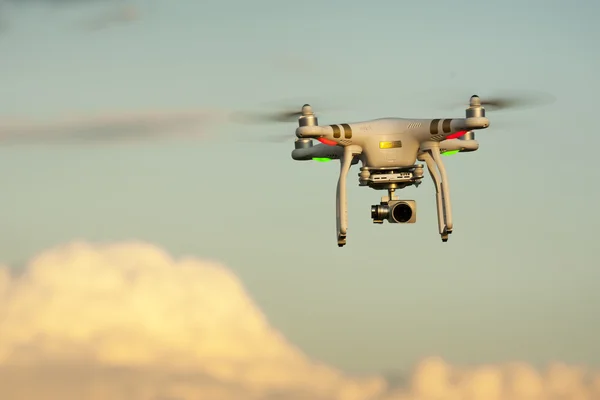
In preparation for the Joint Counter-sUAS Office’s upcoming demonstration, Demonstration 6, the systems will be tested in active jamming conditions within the range of 30–20,000 MHz. Detection of the jamming, autonomous operation in the frequencies, and the functionality of operation will be required in the platform. Other areas of operation will include low prob of det/intercept, beamforming, and frequency hopping. Lessons from Ukraine illustrate this area.
8. Cost-Curve Advantage and Sustainability
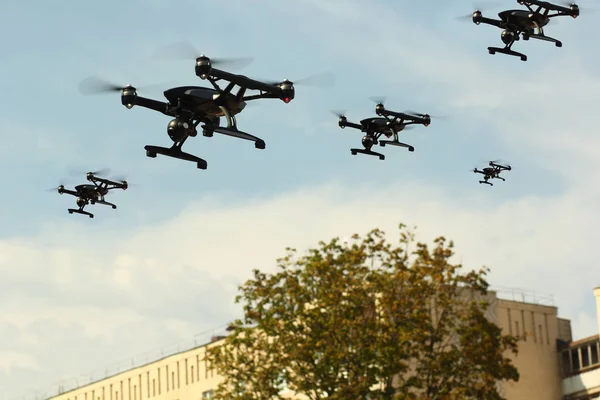
Another constantly repeated issue in this situation has been the need to turn the cost of drone defenses on its head. It just doesn’t work to spend millions of dollars on interceptors when you are confronted by relatively inexpensive drones. “To be effective in ahigh-intensity conflictover an extended period of timewhereyou face apersistent threat, you need to be able to employ lethal and cost-effective effectors on the battlefield.”

9. Global Expansion of the G-TEAD Model
GTEAD’s success in Europe will be replicated in the Indo-Pac in 2025, supporting US forces and partners in Australia, S. Korea, Japan, and beyond, as it seeks to “bring the Army acquisition enterprise to the tactical edge” around the world, delivering proven capabilitites in response to local threat profiles, Col. Hill highlighted in his statement. “Project FlyTrap 4.5 and such other initiatives demonstrate that the US Army and the broader NATO community are making a clear and strong statement about the future of counter-UAS operations.
By embracing live networking, rapid acquisition approaches, cost-effective effectors, and planning for challenging electromagnetic environments, such initiatives go well beyond what can be accomplished in separate and distinct counter-UAS defenses and can be seen as taking control of the counter-drone campaign and establishing it as core to deterrence in the modern era.”


