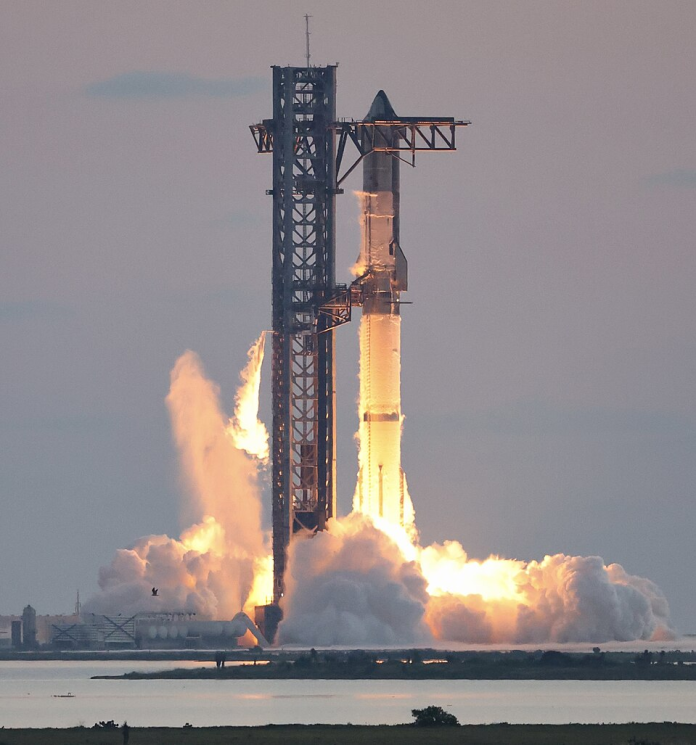
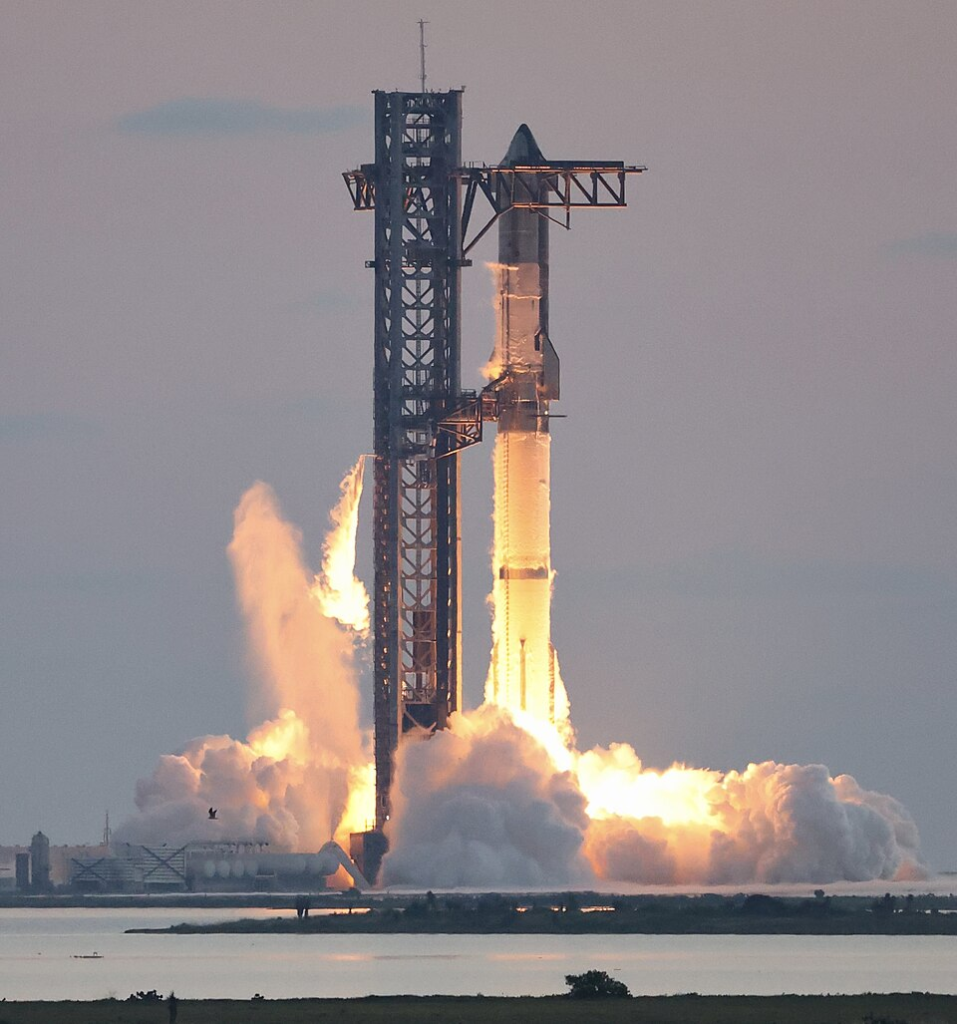
A week after a catastrophic test stand failure destroyed Starship Booster 18, the SpaceX production floor at Starbase is churning away at a tempo that would have been unimaginable in earlier phases of the program. In MegaBay 1, crews have stacked four giant aft sections of Booster 19 in just five days, taking the vehicle to 15 rings tall with only three aft sections left. Starbase tracker TankWatchers noted, “With 4 sections in just 5 days, this is shaping up to be the fastest booster stack ever.” It’s not merely symbolic-this is a direct demonstration of the manufacturing acceleration promised for the Block 3, or V3, Starship generation.
1. From Booster 18’s Rupture to Booster 19’s Surge
Booster 18’s demise came via a suspected COPV failure that tore open the liquid oxygen tank during a gas system pressure test at the Massey facility. SpaceX confirmed that no propellant was loaded, no engines were installed, and also that no personnel were injured. The incident also damaged hydraulic systems on the thrust simulator stand that will need repairs before the next cryogenic proof campaign. During past builds, the fastest booster completion has taken roughly three months; Booster 19’s schedule aims to compress that to as little as four weeks-a feat never before achieved in the Starship program.
2. Starship V3 Engineering Upgrades
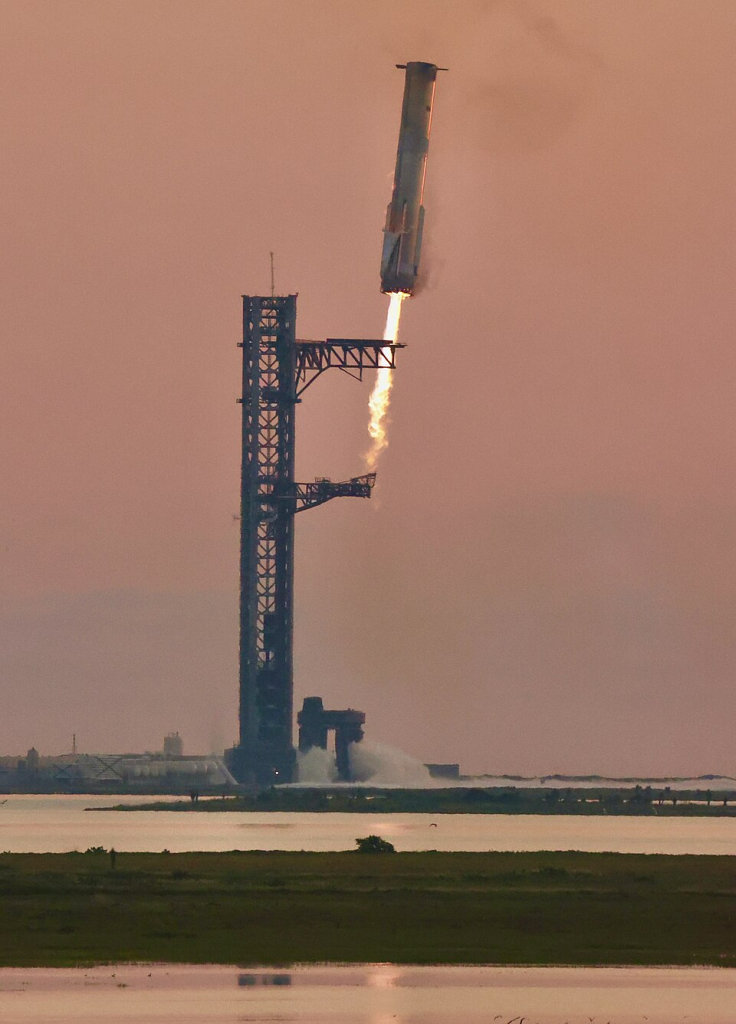
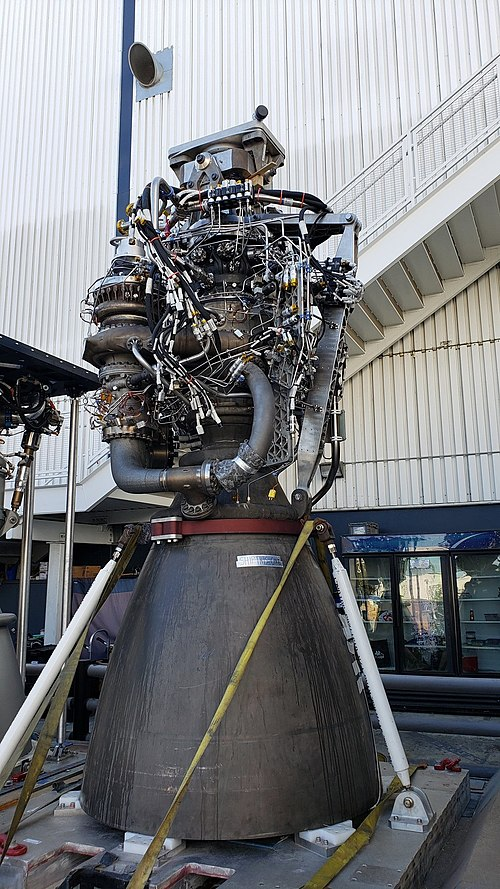
The V3 architecture features reinforcement in the tank structure, improvements in reliability for fast turnaround, and integration refinements to support tower‑catch operations better. The propulsion upgrades feature refined Raptor engine plumbing that reduces turnaround times, while structural changes in the common dome and transfer tubes address previous fatigue points. These are intended to support high‑frequency launch cadence without the wear‑related delays that plagued earlier Block 2 vehicles.
3. Regulatory Green Light for 76 Annual Launches
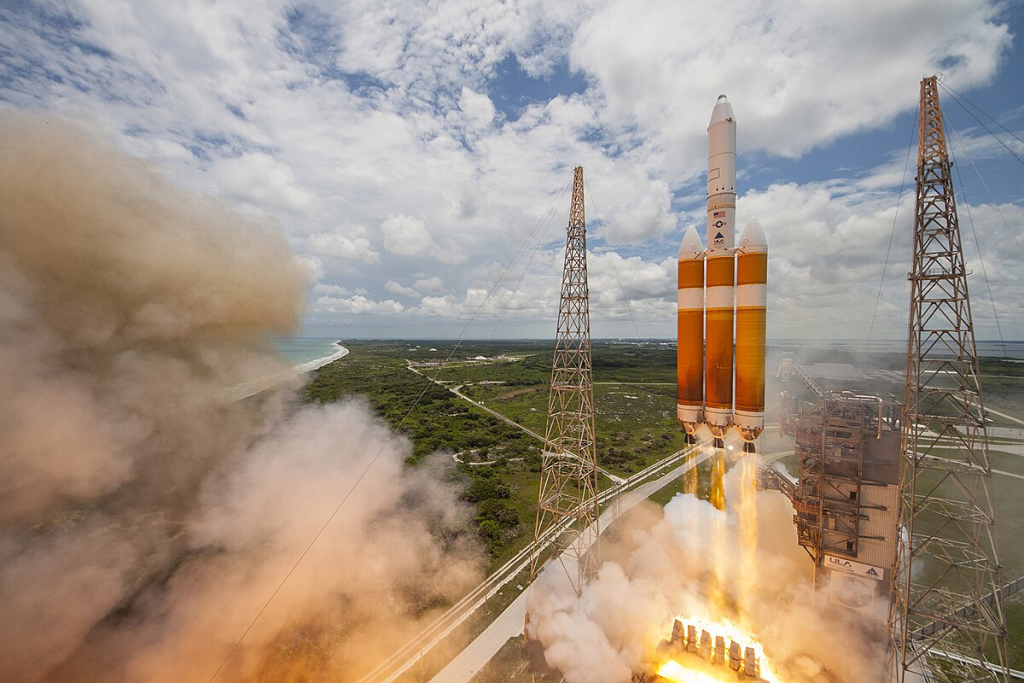
SpaceX’s V3 ambitions match the Department of the Air Force’s Final Environmental Impact Statement for operations at Cape Canaveral’s SLC‑37. The plan authorizes up to 76 Starship launches per year, with Super Heavy boosters returning to the pad roughly seven minutes after liftoff and Starship upper stages landing back on the same pad after missions lasting hours – or even years. The EIS treats multi‑year interplanetary returns as standard procedure, effectively defining SLC‑37 as a true interplanetary spaceport.
4. Acoustic and Emissions Engineering Challenges
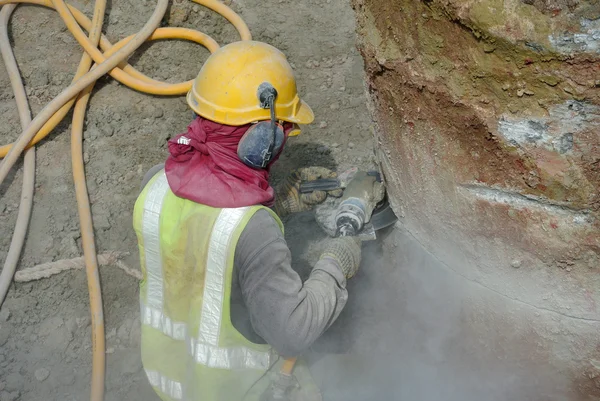
The EIS flagged sonic booms from booster and ship returns as a source of “significant community annoyance,” especially during nighttime operations. Maximum sound levels are forecast to reach 98 dBA at Cape Canaveral, equal to a chainsaw at close range, though exposure would last for no more than a few minutes. Nitrogen oxide emissions will exceed federal de minimis thresholds, so the Space Force will adopt an adaptive management plan that includes real‑time monitoring. Mitigation strategies will also include heavy sound suppression, public notifications, and habitat protections for species such as the southeastern beach mouse.
5. Musk’s self-replicating Optimus Vision
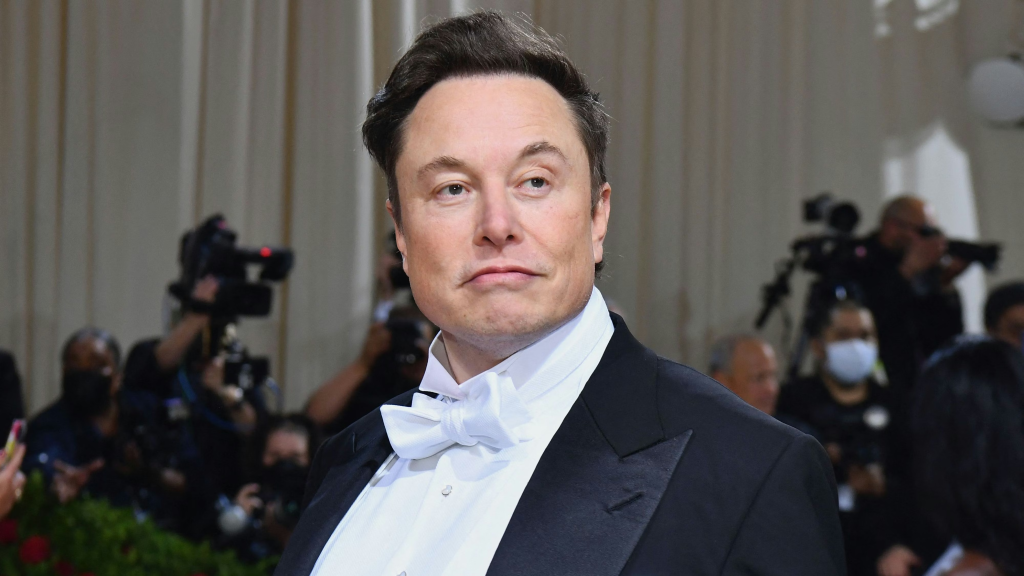
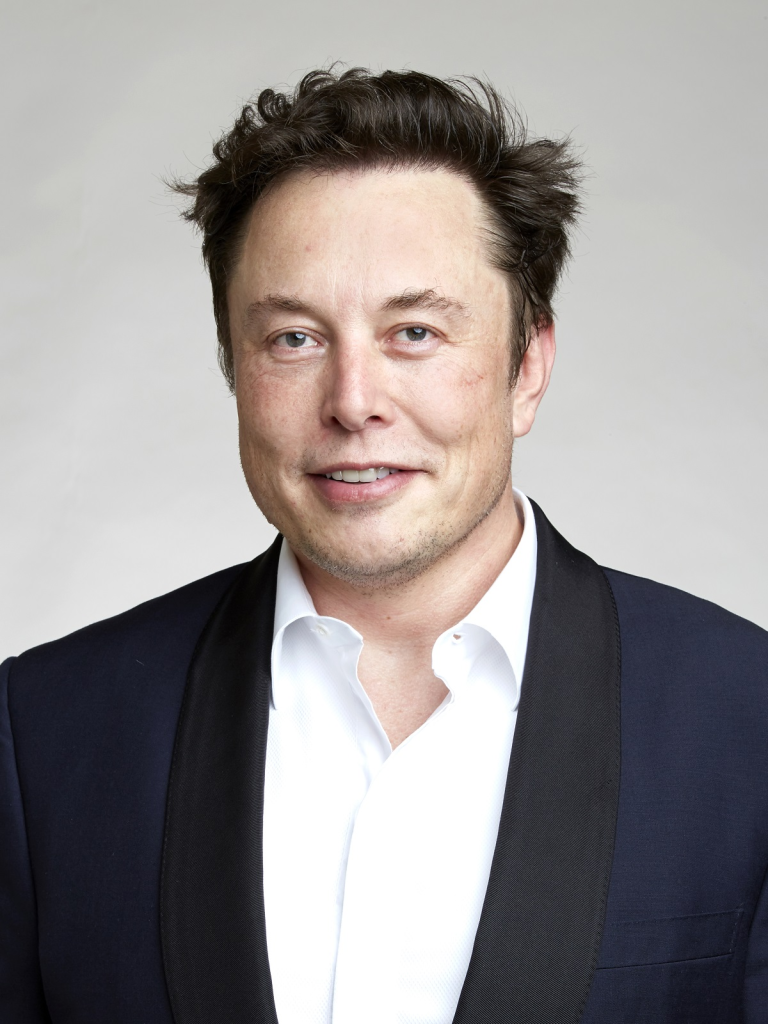
At Tesla’s 2025 Annual Shareholder Meeting, Elon Musk declared Optimus would see “the fastest production ramp of any large complex manufactured product ever,” starting with a one‑million‑unit‑per‑year line at Fremont, scaling to 10 million at Giga Texas, and possibly 100 million per year on Mars. Over the weekend, Musk tweeted, “Optimus will be the Von Neumann probe,” named for the self‑replicating spacecraft concept proposed by John von Neumann. In engineering parlance, this suggests Optimus units could mine resources, build factories, and manufacture more Optimus robots completely from local materials on Earth, Mars, or asteroids taking human labor out of the replication loop.
6. Technical Underpinnings of the Von Neumann Architecture
Such a theoretical probe would arrive in a new system, mine raw materials, fabricate copies of itself, and launch them onward. For humanoid robotics, it assumes competence in the autonomous extracting, refining, and manufacturing of resources. Optimus, fitted with the advanced AI Grok 6 or Grok XV, would be able to execute human-level tasks, ranging from mining to precision assembly. Along with transport by Starship, such a system could subsequently exponentially propagate infrastructure throughout planetary bodies at near-zero marginal cost.
7. Starlink’s Disaster‑Relief Engineering Deployment
SpaceX’s Starlink network has again proved its value as an emergency communications backbone. Following severe flooding in Indonesia’s Sumatra region and Cyclone Ditwah in Sri Lanka, Starlink activated free service for affected areas through year-end, rapidly deploying terminals in concert with local governments. “It would not be right to profit from misfortune,” Musk said. The engineering challenge is how to restore connectivity where terrestrial infrastructure is destroyed–which means portable, self-aligning phased-array terminals, plus satellite backhaul resilient to extreme weather.
8. Musk Companies’ Crisis‑Response Track Record
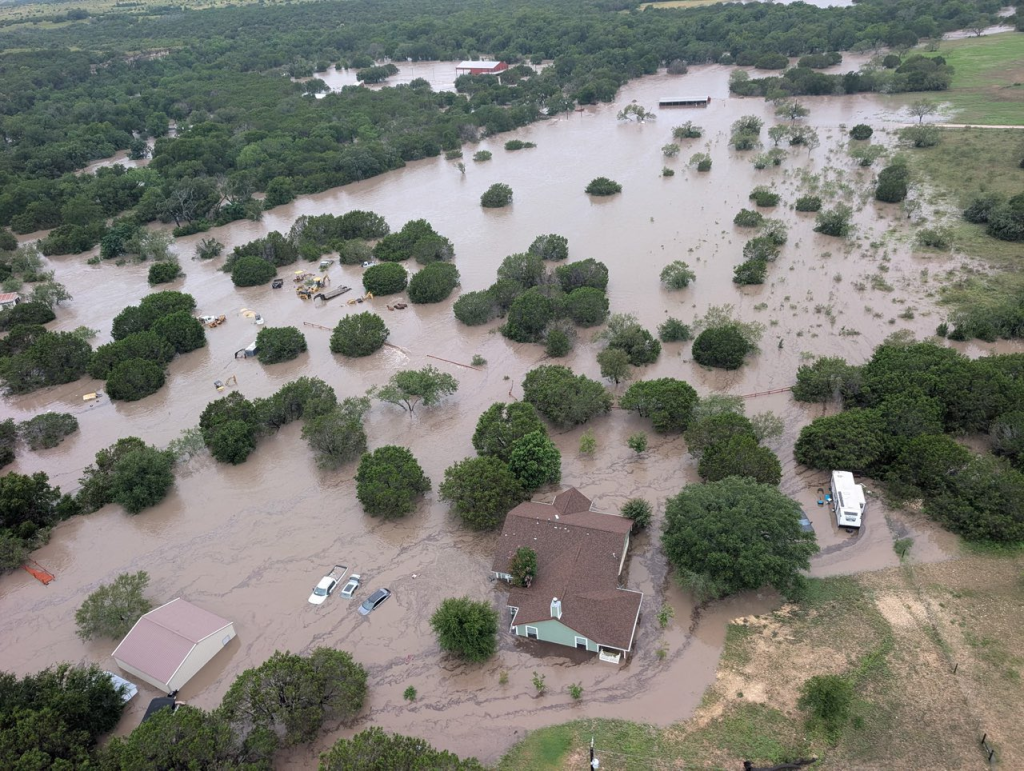
his is not a new policy; it builds on prior aid efforts: free Tesla Supercharging in Japan after a magnitude 7.6 earthquake, Starlink deployments for the Maui wildfires, Hurricane Helene, and Texas floods. Such interventions involve much more than the mere waiving of fees, having to do with rapid hardware logistics, network configuration, and integration with emergency coordination systems-engineering decisions that prioritize uptime and accessibility over commercial scheduling.
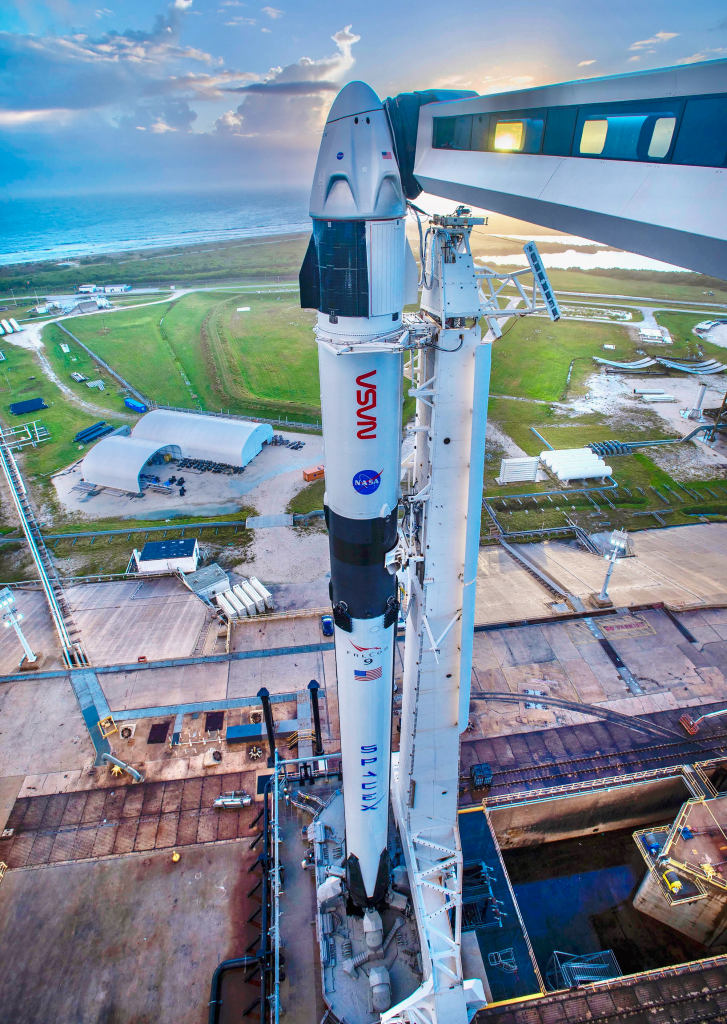
In this context, the rapid V3 manufacturing recovery at SpaceX, regulatory clearance for high-frequency interplanetary operations, the pursuit of self-replicating humanoid robotics at Tesla, and the engineered capability of Starlink for disaster relief all illustrate a singular approach: solving logistical and technical bottlenecks at scale, whether in the vacuum of space or amidst terrestrial crises.


