
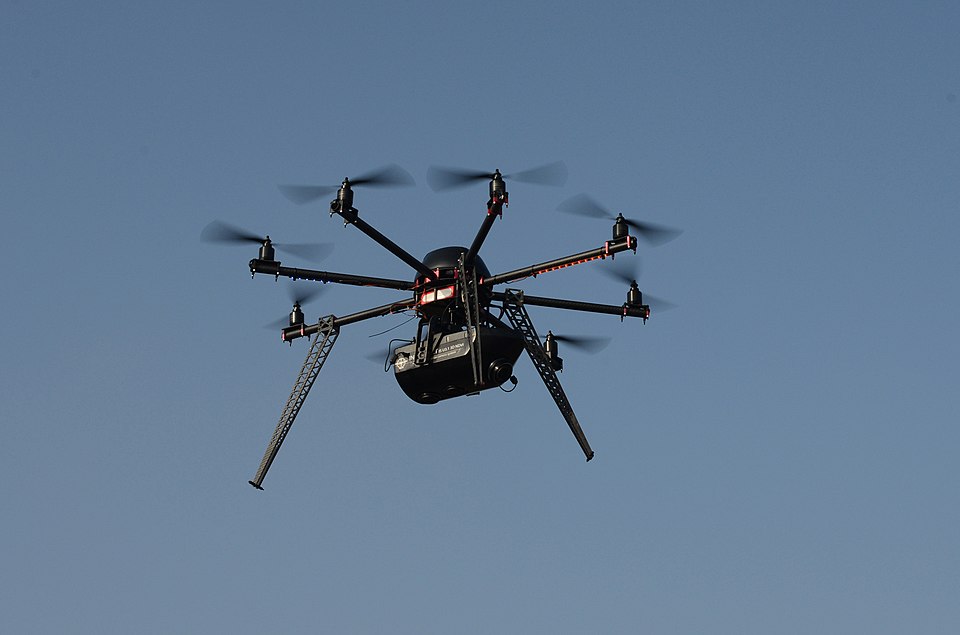
Cheap drones are now among the most disruptive threats in European airspace, shutting down airports, harassing military bases, and proving deadly on the battlefields of Ukraine. Yet the delivery of high‑end air‑defense systems can take years, leaving the armed forces exposed in the meantime.
The Netherlands is confronting this challenge head‑on. Faced with repeated incursions by unidentified drones-some suspected to be linked to hostile state actors-Dutch defense planners are deploying an improvised, mobile counter‑UAS capability years ahead of their planned Rheinmetall Skyranger 30 systems. This stop‑gap approach blends existing armored vehicles, remote‑controlled weapon stations, and battlefield software into a rapid‑response platform.
The following list outlines key elements of the Dutch strategy and technologies involved, set within a wider European and NATO context framing these urgent counter‑drone measures.
1. Improvised Shield Against Low‑Flying Threats
The Dutch Ministry of Defence is mounting remote‑controlled weapon stations onto wheeled armored vehicles, teaming them with combat‑management systems to take out drones before they can strike. This improvised system is designed to protect infantry units presently without any kinetic anti‑drone options. State Secretary for Defence Gijs Tuinman insisted that “the importance of counter‑UAS capabilities for combating unmanned systems is considerable,” referring to lessons from Ukraine’s battlefields.
Because the Netherlands is using military off‑the‑shelf components, these platforms can be fielded far faster than bespoke systems. The Defence Ministry has not disclosed unit numbers or delivery dates, citing operational security, but said that they will remain in service even beyond the arrival of the Skyranger 30.
2. Bridging the Gap to the Skyranger 30
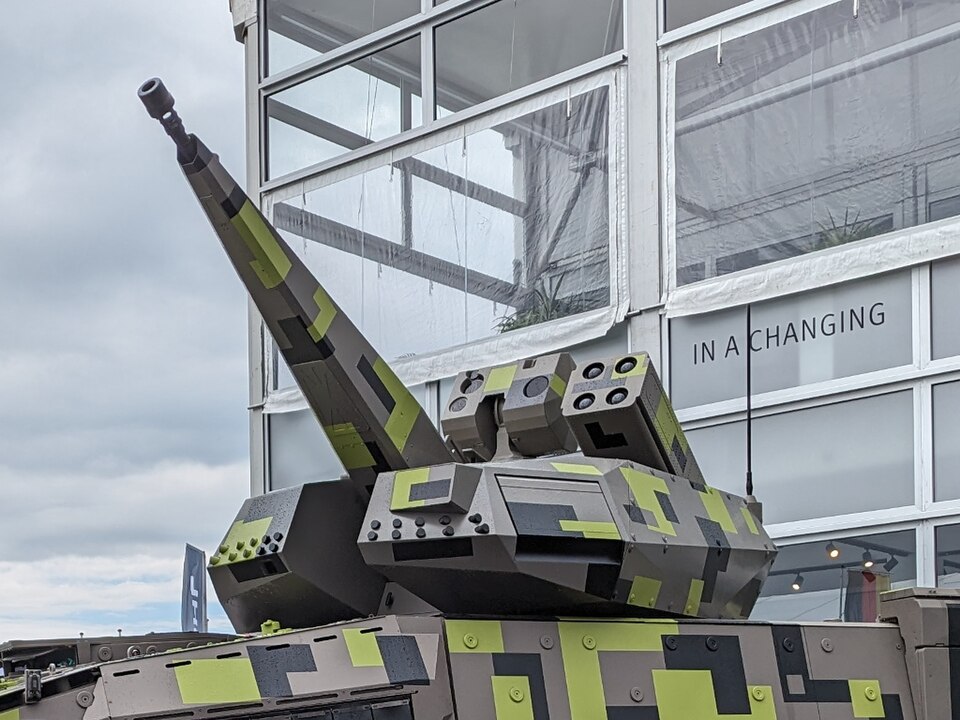
This tracked platform mounts a 30 mm Oerlikon cannon with airburst munitions and optional short‑range missiles. The long‑term Dutch mobile air‑defense solution is the Rheinmetall Skyranger 30. It is able to engage drones, helicopters, and low‑flying aircraft out to roughly 5 km. The Netherlands has ordered 22 units, with first deliveries planned for 2028.
Until then, the improvised wheeled-vehicle C-UAS platforms will fill a critical capability gap. These stop-gap systems ensure that Dutch ground forces have mobile kinetic counter-drone options during times when drone incursions are rising sharply.
3. Expanding Detection with New Radars
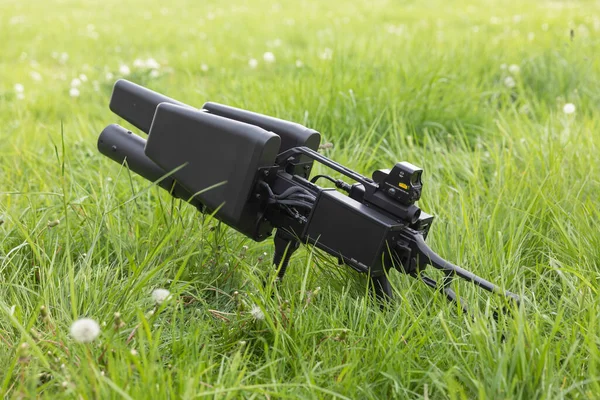
Detection is as essential as interception. The Netherlands has ordered 100 early‑warning radars from Robin Radar, able to differentiate between drones and birds and other clutter. The first units will be delivered immediately, the Defence Ministry said, adding that all will be in place by 2026.
These radars will be deployed with other planned sensors, including IRIS anti‑drone radar, in a layered detection network. This network is designed to spot both small commercial quadcopters and larger one‑way attack drones before they reach sensitive sites.

4. Naval Hard‑Kill Investments
The threats from drones are not limited to land only. Kamikaze drones have already forced changes in naval operations, dispersing the fleets into individual defenses. Currently, the Dutch Navy heavily relies on soft‑kill measures like jamming, but Tuinman has warned of a “capability gap” against medium‑range unmanned threats.
To this end, the Netherlands is set to spend €250 million to €1 billion on hard‑kill naval C‑UAS systems by 2026. These will sit between short‑range close‑in weapons and expensive long‑range missiles, increasing the survivability of both warships and merchant vessels in contested waters.
5. Lessons from Ukraine’s Drone War
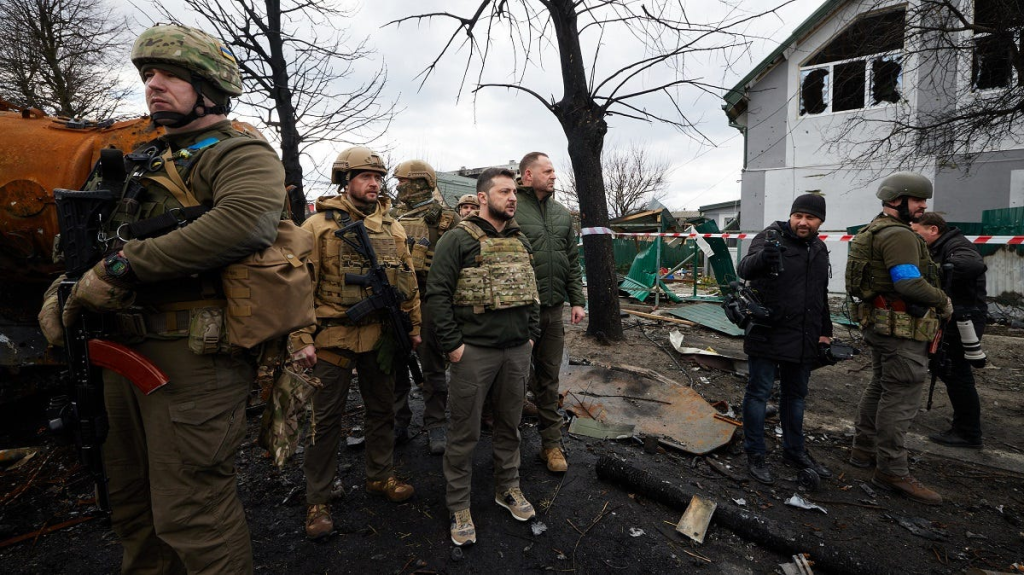
The war in Ukraine has demonstrated that drones now comprise the majority of frontline casualties. Both sides have deployed everything from commercially available quadcopters to loitering munitions. The cost‑exchange ratio is stark: using a million‑euro missile to down a €400 quadcopter is unsustainable.
The Ukraine experience of integrating drones into a combined arms network with rapid targeting software, electronic warfare, and layered defenses has informed Dutch planning. The emphasis is on cost‑effective, scalable defenses that can counter both massed cheap drones and more sophisticated unmanned systems.
6. European Cooperation and the Drone Defence Initiative
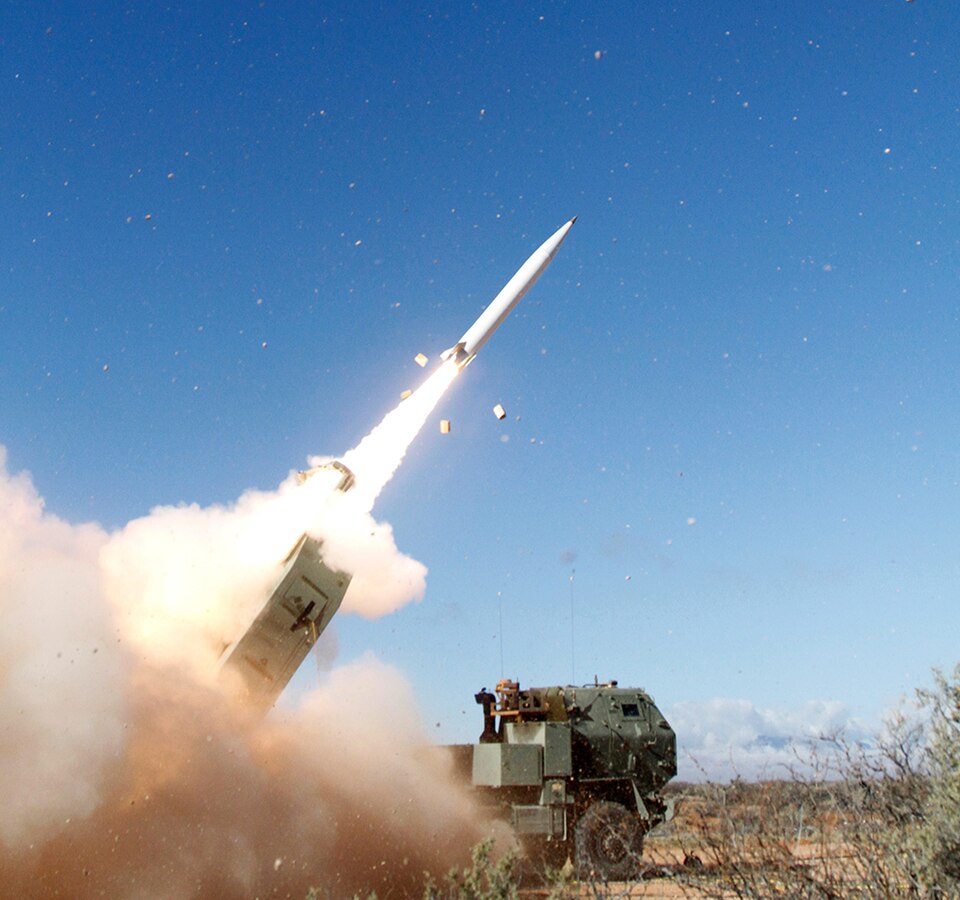
The European Commission’s proposed European Drone Defence Initiative will establish a multilayered, interoperable counter-drone network across EU member states. It would capitalize on Ukraine’s battlefield experience and connect with NATO efforts.
The detection, tracking, neutralisation, and even precision strike using drone technology are some of the planned capabilities. It will assure safety for infrastructure and borders, while being versatile enough for civilian or military use.
7. NATO’s Rapid C‑UAS
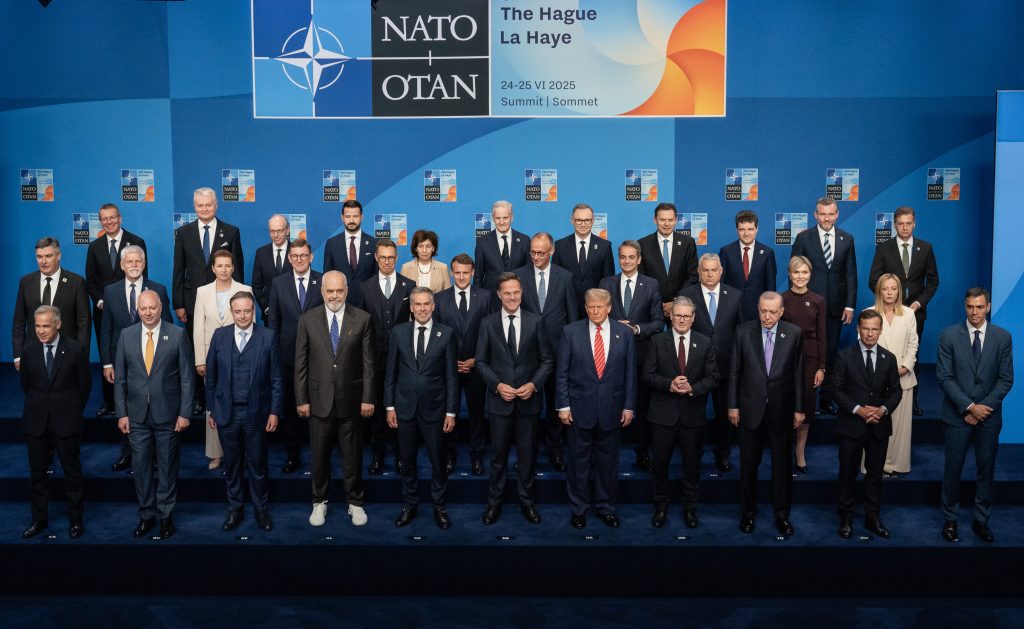
Experimentation Exercises, such as Project Flytrap 4.5 in Germany, have checked a range of counter‑drone systems against simulated small‑ and medium‑sized threats. Brig. Gen. Curtis King, US 10th Army Air and Missile Defense Command, emphasized the goal of defeating an adversary’s “one‑way attack drones” with cost‑effective means. The winning systems included AI‑enabled sensors, advanced radars, and both kinetic and non‑kinetic effectors. Such trials accelerate fielding by allowing soldiers to provide immediate feedback, with industry making software and interface updates in days rather than months.
8. Political Pressure After Domestic Incidents
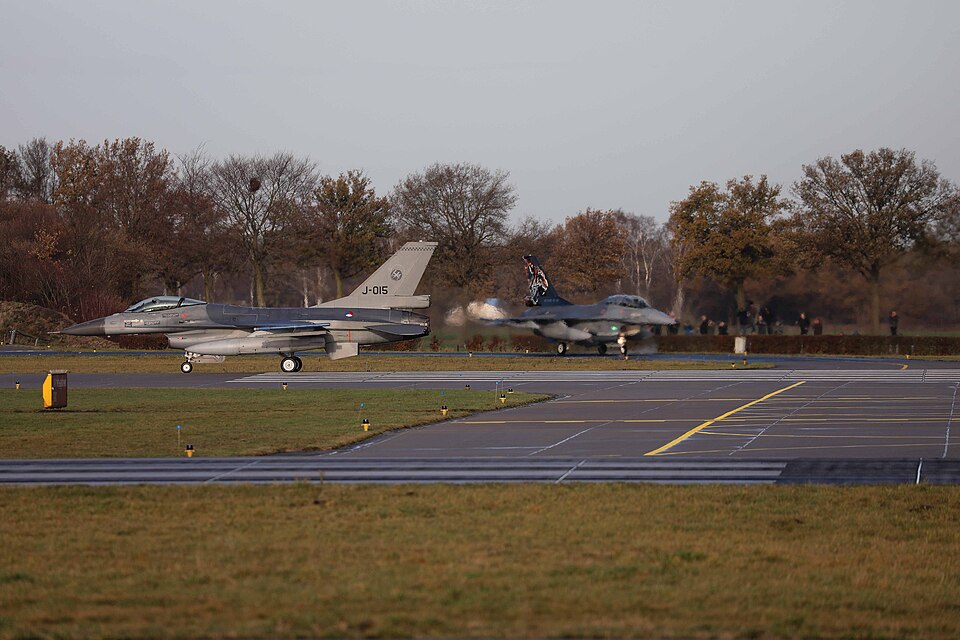
Sightings of unidentified drones around Volkel Air Base, Eindhoven Airport, and other sensitive sites have raised the level of political urgency. In some cases, Dutch forces have used both electronic countermeasures and live weapons to engage drones. Lawmakers have pressed for speedier procurement, warning that low cost drones are ideal tools for adversaries to cause disruption. The interim mobile C‑UAS program is a direct response to this pressure, ensuring visible progress before long-term systems arrive.

9. Toward a Multi‑Layered National Defense
C‑UAS expansion in the Netherlands covers mobile platforms, radars, man‑portable systems, interceptor drones, and naval defenses. The layered approach thus corresponds to NATO recommendations on defense from the tactical edge to strategic depth. The Netherlands is blending ad hoc, improvised stop‑gap measures with larger-scale procurement programs to set up a multilayered approach against the broad and evolving spectrum of unmanned threats that range from hobbyist quadcopters to AI‑enabled swarms.
Improvised mobile anti‑drone systems are more than a quick fix for the Netherlands; they’re a bridge to a future where counter‑UAS capabilities will be embedded across all domains. By acting now, and aligning with European and NATO initiatives, Dutch forces are ensuring they can meet the drone threat head‑on today and in the years to come.


