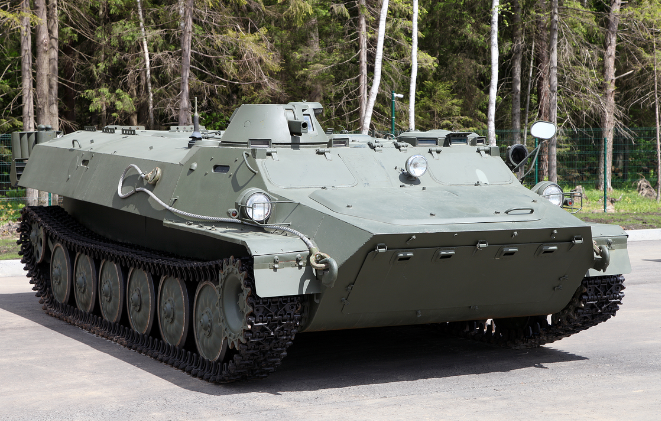
What happens when a century‑old weapon meets cutting‑edge robotics on the front line? In Ukraine, the answer came in the form of a point‑blank, night‑time engagement between a machine‑gun‑armed ground drone and a Russian MT‑LB armored vehicle. The encounter, captured on video, was more than a battlefield curiosity-it was a glimpse into the accelerating fusion of legacy firepower with autonomous mobility. Ukraine’s war is fast becoming a proving ground for UGVs in roles until recently the preserve of infantry and armor, as such systems are adapted, weaponized, and tested under the most demanding combat conditions from logistics to direct fire support.
The clash on November 30 was unusual in terms of proximity and audacity, but it forms part of a wider trend-the rapid militarization of ground robotics within a conflict characterized by technological improvisation. The nine developments below underline precisely how the Ukrainian ground‑drone revolution is unfolding and why militaries worldwide are watching intently:
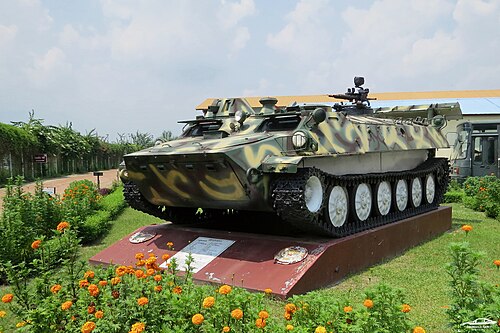
1. Point‑Blank Firefight with a Russian MT‑LB
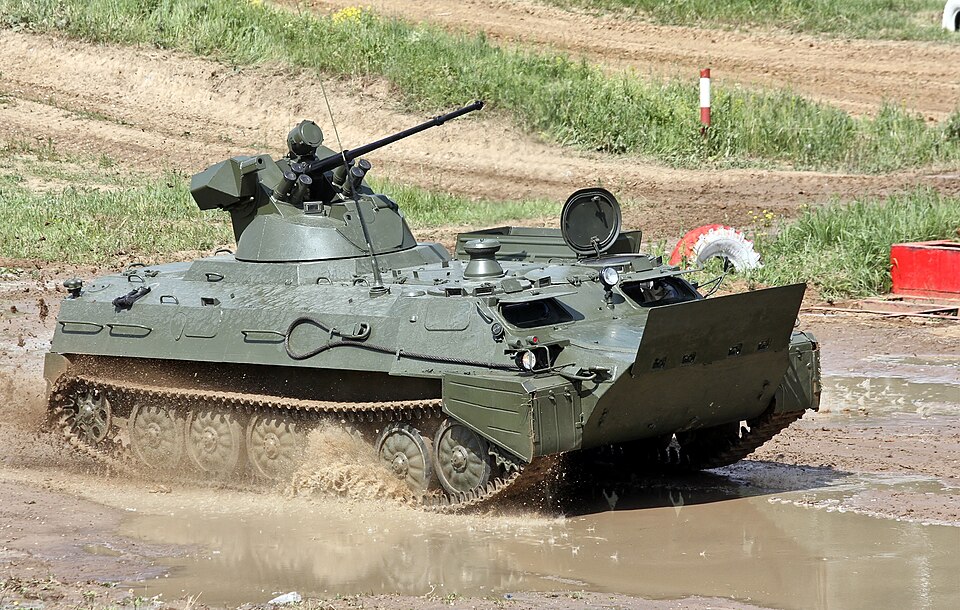
During night trials near the contact line, the robotic platform of Ukraine’s 5th Separate Assault Brigade, fitted with a Browning M2 heavy machine gun, came upon a Russian MT‑LB. The thin armor of that Soviet‑era vehicle approximately 14 mm front, 7 mm sides could not withstand the armor‑piercing M2 rounds capable of piercing 25 mm of steel at 500 meters. At point‑blank range, the firepower likely was decisive. Equipped with extra anti‑drone protection, the MT‑LB nonetheless let the robot reposition and continue firing after its passage, which reveals the agility and resilience of modern UGVs in real combat.
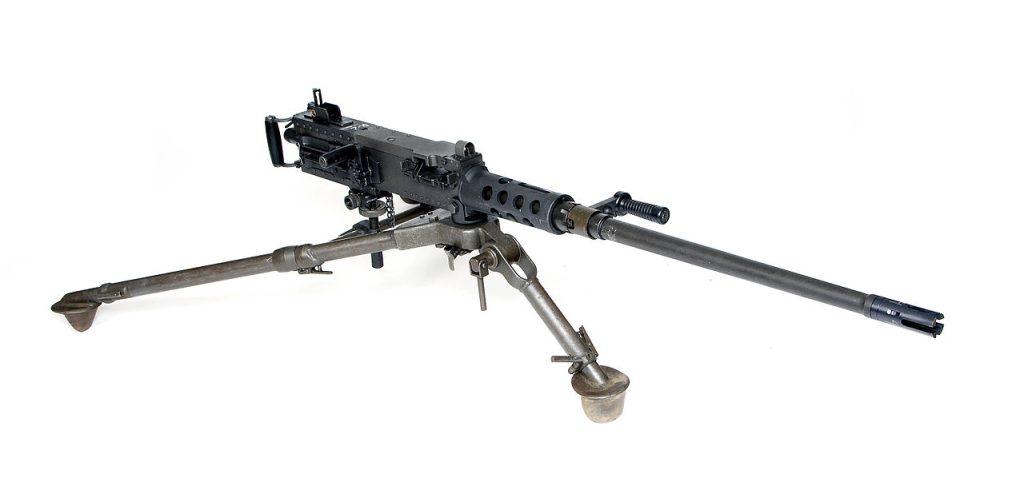
2. The Browning M2’s Robotic Renaissance
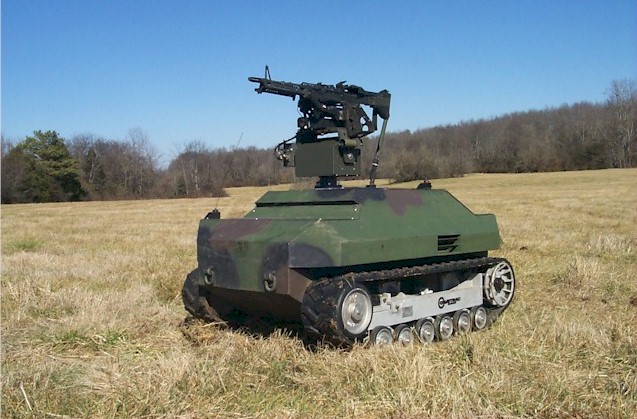
Designed in 1918, the .50‑caliber M2 Browning is still in service around the world and has found a new lease on life mounted on AI‑enabled Ukrainian robots. FRDM Group and DevDroid are among the companies fitting it to tracked platforms such as the D‑21‑12, marrying battlefield‑proven reliability to modern targeting systems. FRDM’s product manager Ihor Kulakevych said the M2’s widespread availability in the arsenals of Western countries and its dependable performance were key reasons for its adoption. These robots can serve dual roles evacuating wounded soldiers or delivering suppressive fire reflecting a shift toward multi‑mission, modular designs.
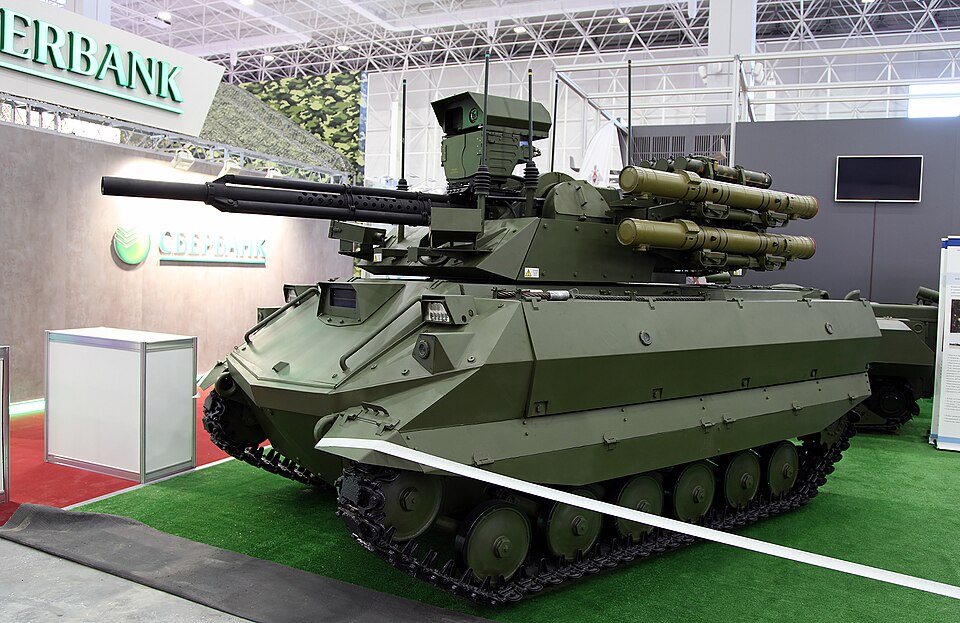
3. From Logistics to Direct Combat Roles
While at first focused on logistics-delivering supplies, evacuating casualties-the combat roles of UGVs in Ukraine are expanding. Systems such as Liut, Termit, and D‑21‑12R today mount heavy weapons for patrol, fire support, and engaging lightly armored targets. The Ukrainian military’s Brave‑1 trials this April tested over 70 UGVs in terms of load capacity, mobility, and jamming resistance, accelerating the trend toward armed deployment. These trials are helping to shape doctrine for the integration of ground robots into both offensive and defensive operations.
4. AI-Augmented Targeting and Autonomy
Ukrainian developers combine heavy weapons with AI-driven targeting. An example is that the Sky Sentinel turret is able to detect, track, and automatically fire at an aerial threat, Shahed drones. AI modules on ground robots can retain effectiveness in GPS-denied or -jammed environments by delivering strikes and re-identifying targets without continuous operator inputs. Although the majority of the UGVs are still being remotely operated, the integration of autonomy aims to reduce workload for operators to alleviate manpower shortage problems – a key factor given Russia’s advantage in recruitment each month.
5. Specialty Platforms for High‑Risk Missions
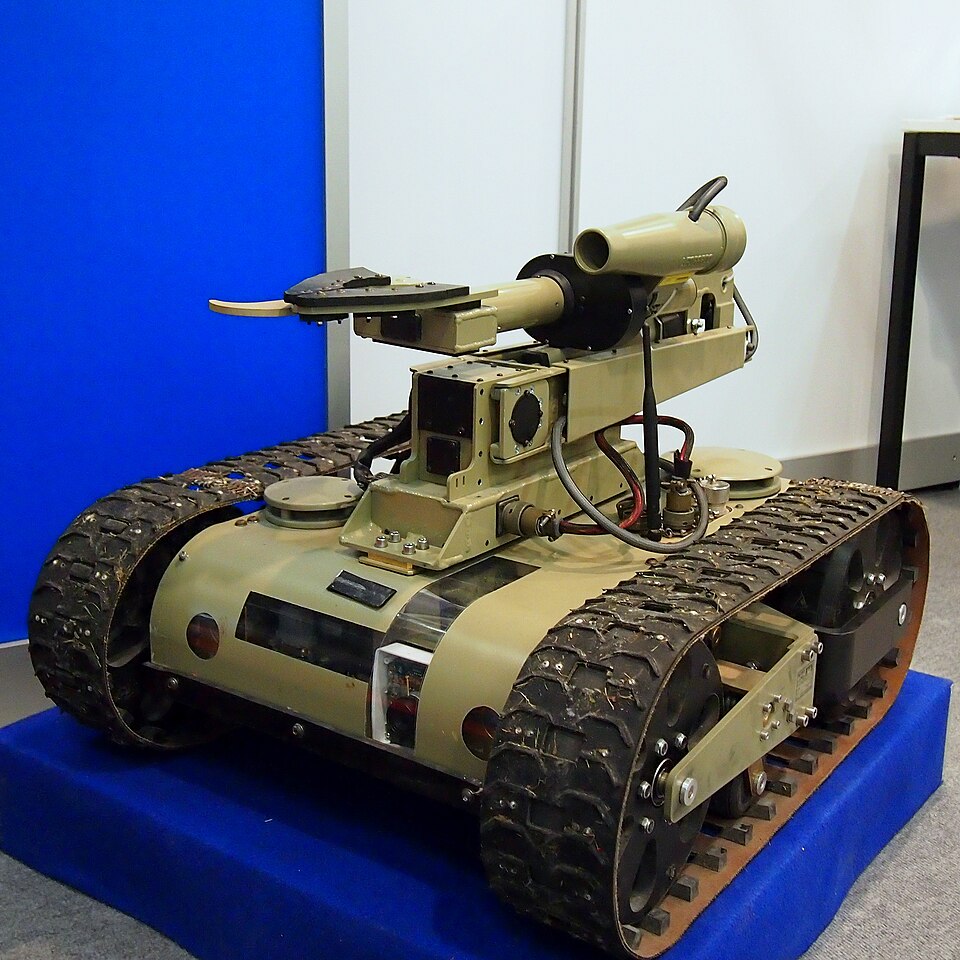
But most striking, perhaps, is the diversity of UGVs in Ukrainian service. The ‘Zmiy’ demining robot can clear 2.5 hectares per hour and survive multiple anti‑tank mine detonations. The ‘Ratel H’ evacuates two wounded soldiers under fire. Heavy haulers like the TOR 1000 can carry 800 kg and have survived direct FPV drone strikes. While each platform corresponds to a particular niche-mine clearance, casualty evacuation, or logistics in kill zones-all seek the same end: taking soldiers out of tasks that are most dangerous.
6. Scaling Production for a Robotic Frontline
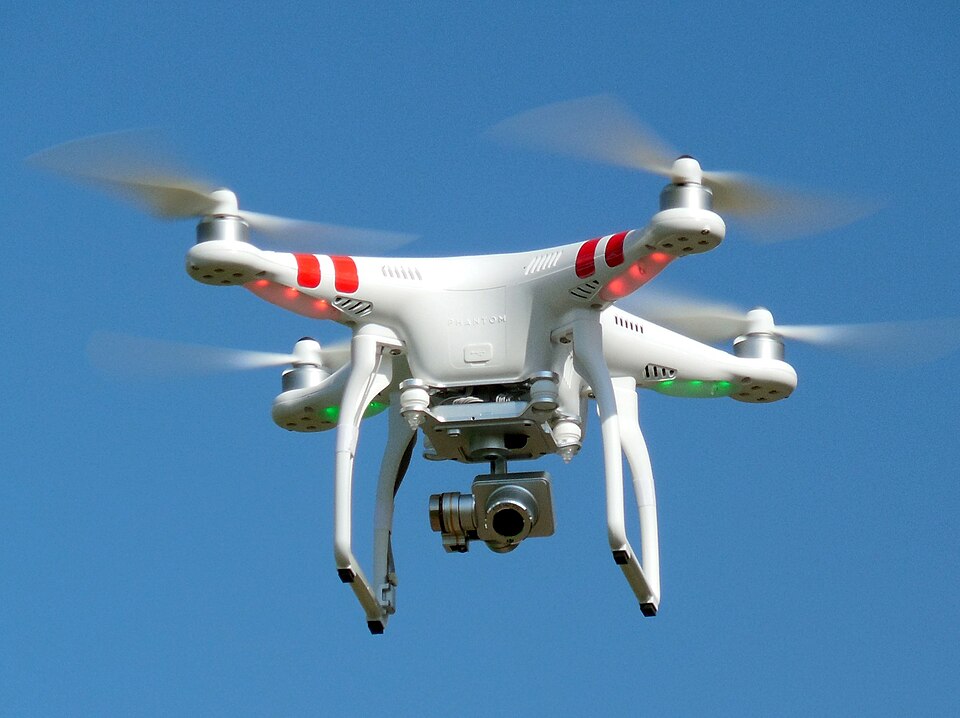
From zero domestic ground‑robot manufacturers in 2022, Ukraine now counts over 100 companies in the sector. Government initiatives, such as the Unmanned Systems Forces and Brave‑1, are smoothing the process of procurement and certification, seeking to deliver 15,000 ground robots by the end of 2025. This scale echoes that of the previous aerial‑drone surge and reflects a belief, voiced by Cmdr. Robert Brovdi, that UGVs are “not the future it is the routine reality of how we wage our war.”
7. Synergy between Counter‑Drone and Vehicle Protection
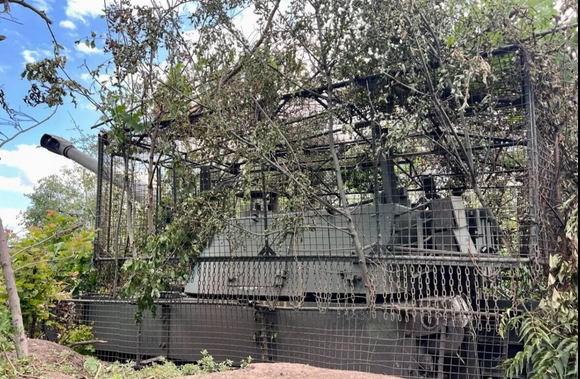
The MT‑LB in the November ambush carried anti‑drone add‑ons, part of the wider trend in Ukraine of physical defenses like mesh cages and netting. Experts caution that these are last‑resort measures, as their effectiveness drops with successive strikes. Meanwhile, Ukrainian engineers work on armor kits such as Tower 1 for Bradleys to defeat the FPV drones by bringing together passive defenses with active robotic countermeasures to keep vehicles and crews alive in a drone-saturated battlefield.
8. Lessons for Western Militaries
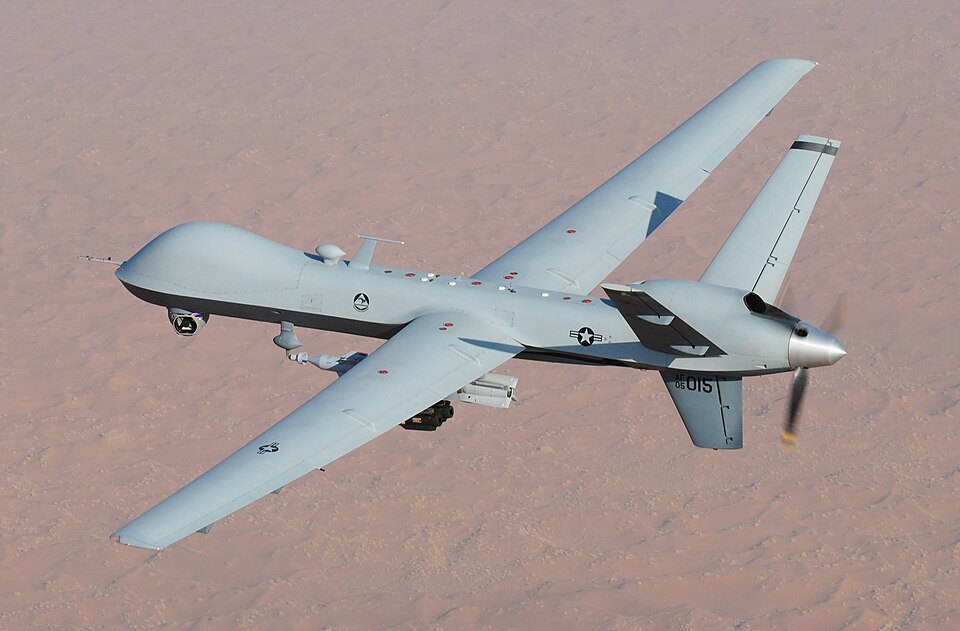
For U.S. and NATO observers, Ukraine has become a live laboratory for unmanned systems. The 173rd Airborne Infantry Brigade is already adapting Ukrainian tactics, testing expendable robots for breaching operations. The U.S. Army’s portfolio‑based budgeting reforms are designed to accelerate funding shifts into counter‑UAS, drone swarms, among other areas, inspired by Ukraine’s fast iteration cycles. Lt. Gen. Curtis Buzzard called it “the ultimate battle lab” for proving what works-and discarding what doesn’t-under fire.
9. The Tactical and Strategic Boundaries
So far, drones and UGVs have not provided a strategic breakthrough in Ukraine despite their impact. But they have extended the kill zone 6–9 miles from the front and made concealment almost impossible. Their real power is in tactical disruption, cognitive pressure, and cost‑effective lethality. As countermeasures continuously improve within weeks, the key to success rests in adaptabilityin software, tactics, and productionrather than in any single technological leap forward.
The point‑blank MT‑LB ambush was a vivid demonstration of how far Ukraine’s ground‑drone capabilities have come-and how quickly they are evolving. From repurposed century‑old weapons to AI-enhanced targeting, these systems are redefining risk, reach, and resilience on the battlefield. For militaries watching from afar, the lesson is clear: the ground‑drone revolution is no longer experimental. It is here, it is scalable, and it is rewriting the rules of close‑range combat.


