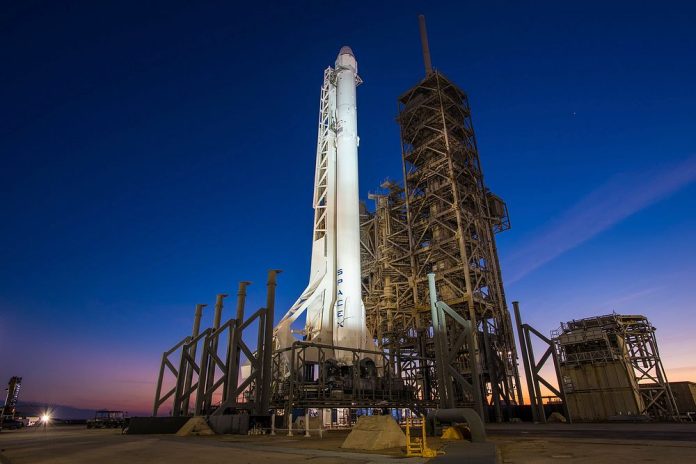
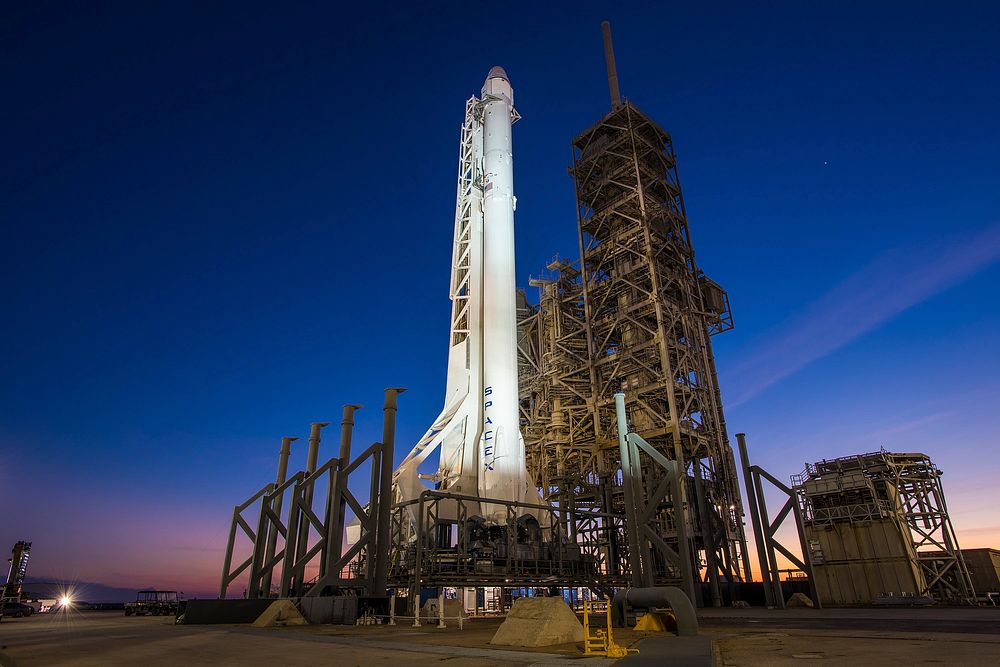
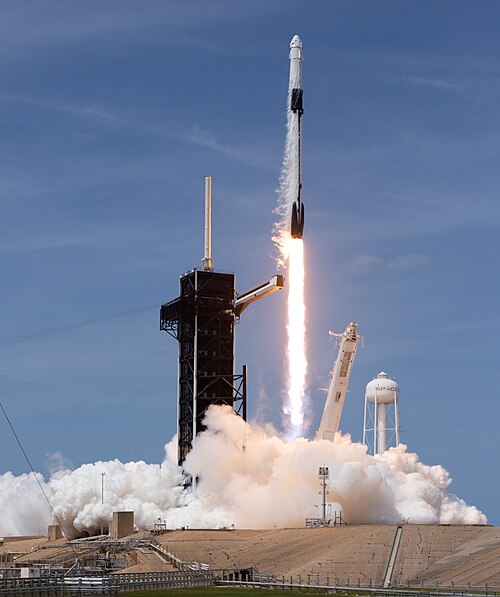
For one thing, by the look of things, China’s rapid march toward reusable rocket capability isn’t some sort of dream of the future but very much a reality unfolding in real time, with several commercial and state-backed contenders preparing hardware that could match-and on several metrics outperform-SpaceX’s Falcon 9. As recently as October, even Elon Musk himself said Chinese designs have “added aspects of Starship to a Falcon 9 architecture” and could well “beat Falcon 9” in only a few years. It is a competition not only at the level of payload figures but also a meeting place for propulsion innovation, manufacturing advances, and national strategy for the purpose of reshaping the economics of space launch.
1. Methane Engines and the Zhuque‑3 Advantage
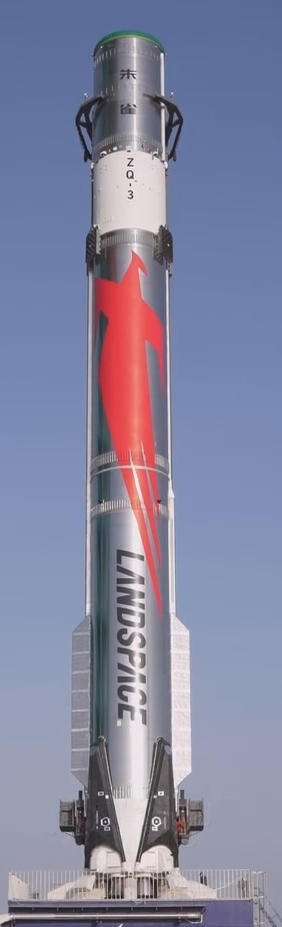
Beijing-based LandSpace’s Zhuque‑3 is leading the charge for reusable rockets from China. The stainless-steel two-stage vehicle stands 76.6 m tall, with a 4.5 m diameter and a liftoff mass of about 660 t. The nine Tianque‑12B engines burning liquid methane and liquid oxygen – or methalox – are chilled below boiling points to boost thrust. Methane offers cleaner combustion than hydrocarbon propellants, reduced coking in turbopumps, and suitability for reuse cycles compared with RP‑1 kerosene used in Falcon 9. In expendable mode, Zhuque‑3 is reportedly able to loft 21,000 kg to LEO with downrange recovery, it is rated for 18,300 kg. A September 10 km vertical takeoff, vertical landing hop validated avionics, grid fins, and in‑flight engine relight, proving critical systems for booster return.
2. Tianlong‑3 : Matching Falcon 9’s Lift
The Space Pioneer Tianlong‑3 stands 72 m tall and 3.8 m in diameter, and is designed to carry 17–18 t to LEO, directly competing with the Falcon 9 payload class. Nine Tianhuo‑12 methalox engines generated 1,102 t of thrust in full‑scale ground tests, burning staged combustion cycles that lower turbine inlet temperatures with the aim of extending hardware life. When operational, the company is targeting more than 30 launches a year, supporting China’s Guowang and Qianfan broadband constellations each planned to number more than 13,000 satellites.
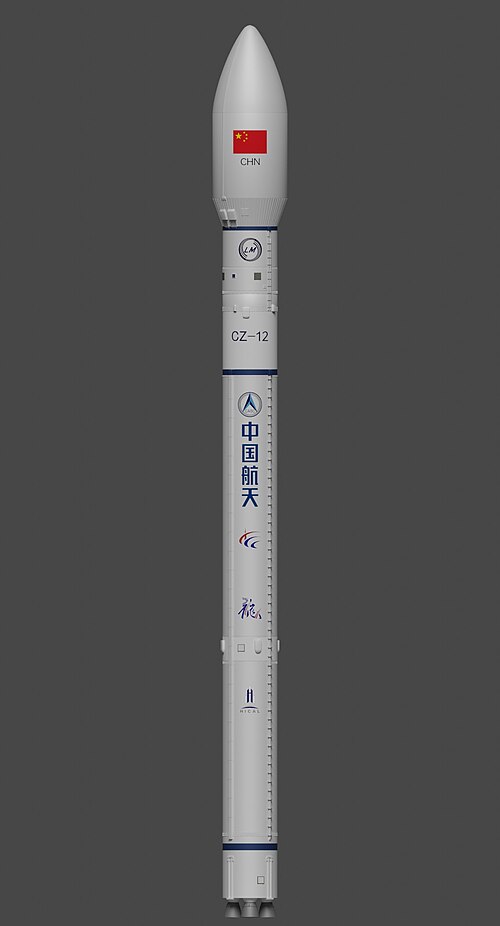
3. Long March 12A : State‑Backed Reusability
The Long March 12A of the China Academy of Launch Vehicle Technology is an adaptation of the expendable LM‑12 to a reusable first‑stage capability, with a possible incorporation of methalox engines. A planned 75 km VTVL test will simulate stage return profiles. Payload figures remain classified, but engineering parallels to commercial designs indicate medium-lift performance.
4. Engineering Challenges in Reuse Cycles
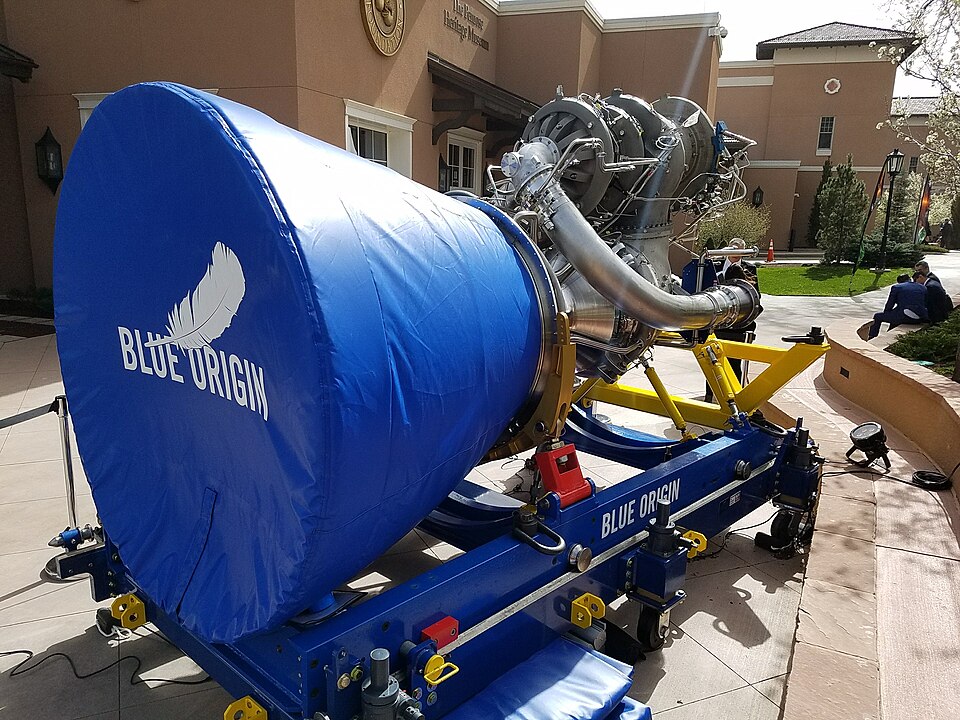
Reentry imposes extreme aero-thermal loads on the reusable boosters, while the engines and turbopumps see repeat mechanical stresses. And oxygen-rich staged combustion cycles-like those in BE-4 and some of the Chinese designs-threaten metal fires and particle impact ignition, says MIT’s Zack Cordero. His lab is developing oxygen-compatible alloys through additive manufacturing and toughened ceramic coatings with embedded ductile phases so they will resist delamination under sudden thermal transients. Such materials could extend engine operating lives to hundreds of hot cycles, greatly reducing refurbishment costs.
5. Advantages of Methalox Propulsion Cycle
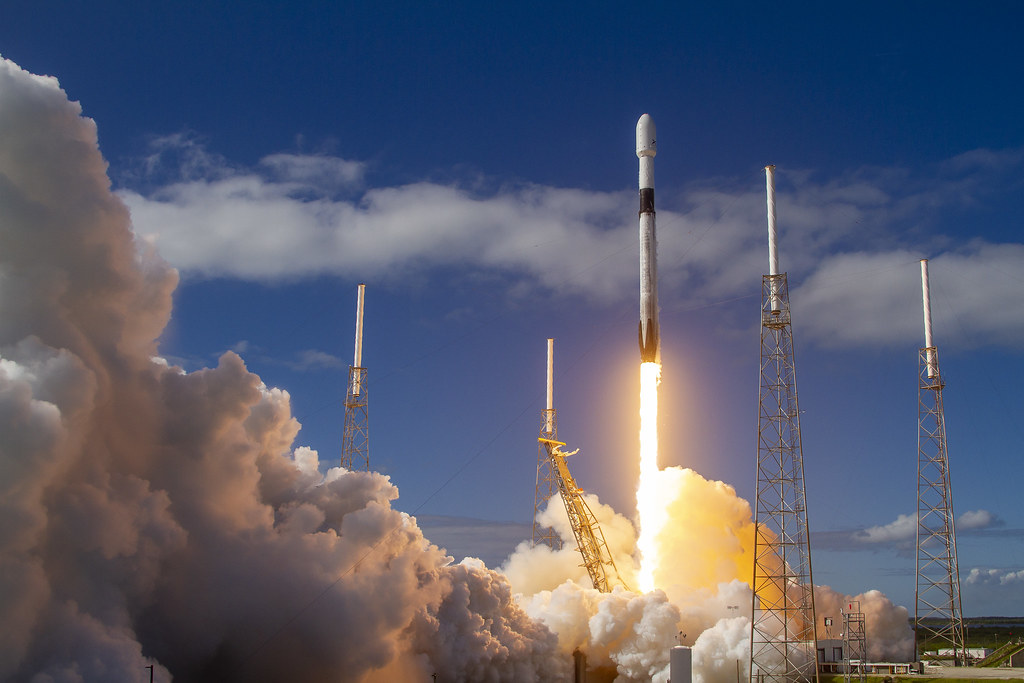
Methalox engines, like the Tianque‑12B and Tianhuo‑12, run at a higher specific impulse compared to their kerolox cousins, increasing the payload fraction. Methane cryogenic storage temperature is the same as LOX, making tank insulation easier. Its cleaner burn reduces carbon deposits, easing turnaround between flights-one of the key factors in achieving rapid reuse akin to SpaceX’s sub‑month booster cycles.
6. Infrastructure and Launch Cadence
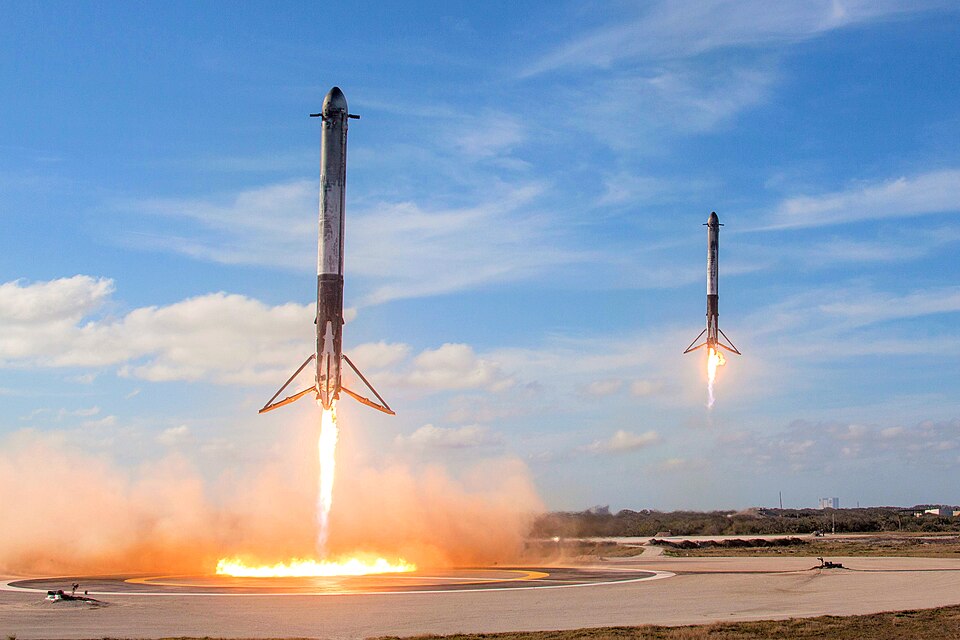
Commercial spaceports such as the Wenchang facility in Hainan and the Jiuquan Dongfeng Commercial Space Innovation Test Area are raising the number of launchpads and transport erector systems in preparation for high‑frequency launches. This is the infrastructure needed to underpin ambitions for 100+ annual launches that is critical for mega‑constellation deployment. The current national cadence stands at 68 launches in 2024, well behind SpaceX’s cadence, but reusable systems promise to close that gap by reducing per‑launch cost and turn-around time.
7. Cost‑Per‑Kilogram and Market Dynamics
Reusable rockets have driven Falcon 9’s launch price to US$ 2,700–3,000/kg to LEO, from US$ 10,000/kg for expendables. Fully reusable systems could drive this down below US$ 100/kg. Chinese operators aim for similar economics and can compete internationally for payloads. More broadly, the global launch market is trending towards cost-per-kilogram efficiency, with reusable medium-lift vehicles better positioned to capture demand from domestic constellations and foreign contracts. Geopolitical barriers will likely keep demand limited coming from Western customers.
8. Strategic Investment and Policy Support
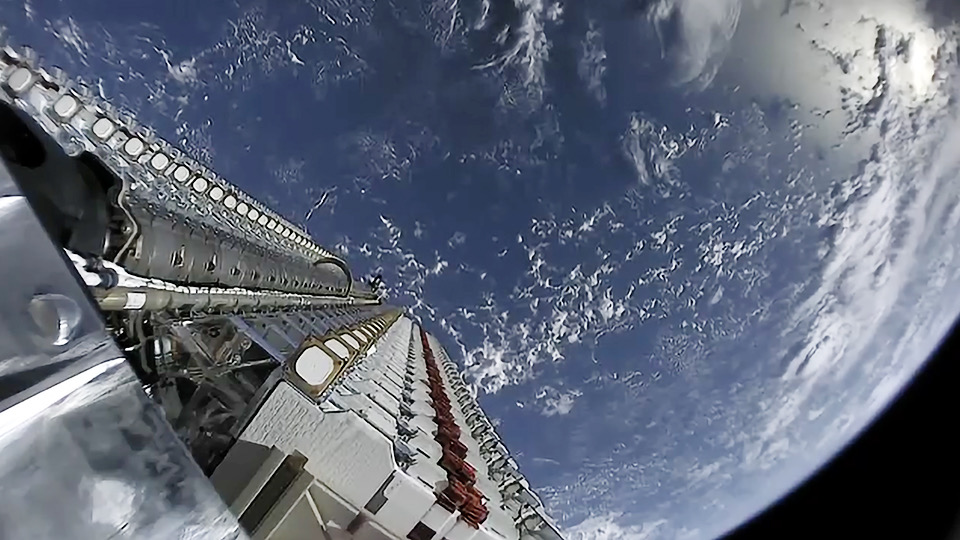
Since 2014’s “Document 60,″ China opened its space sector to private capital, combining local government subsidies with venture funding and state‑backed loans. In 2023, it designated commercial space as a “strategic emerging industry″ and hastened funding, as provincial clusters competed to host launch firms. This policy environment, in effect, echoes the US model of leveraging private innovation for national objectives but with tighter integration into state planning.
9. Geopolitical Implications
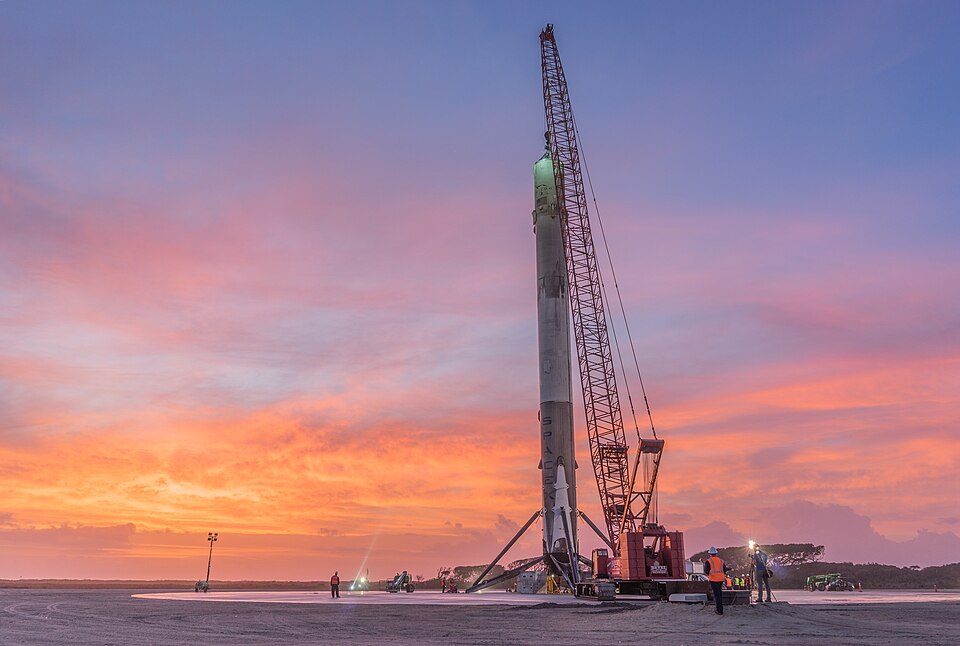
Reusable launch capability is a dual‑use asset. Lower costs and higher cadence benefit civilian broadband projects but also enable rapid deployment of military satellites and responsive launch in conflict scenarios. As China’s commercial sector matures, the US will see a shrinking technological gap in medium‑lift reusability-a domain once dominated by Falcon
China’s reusable rocket race will be a fusion of propulsion engineering, materials science, and national strategy. But with Zhuque‑3, Tianlong‑3, and Long March 12A nearing flight readiness, the contest with SpaceX is beginning to shift from aspiration to execution. The result will redefine the competitive baselines in orbital launch for the next decade.


