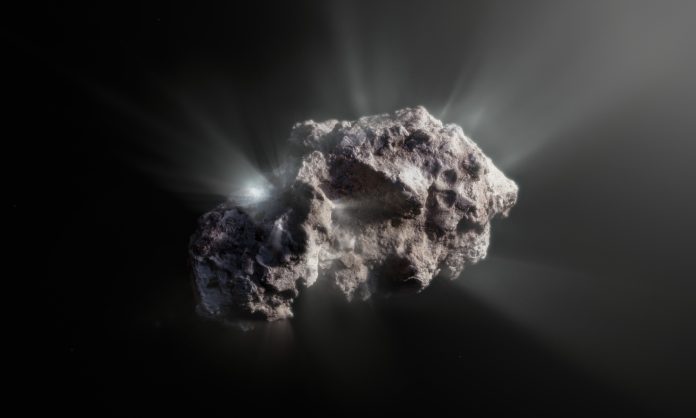
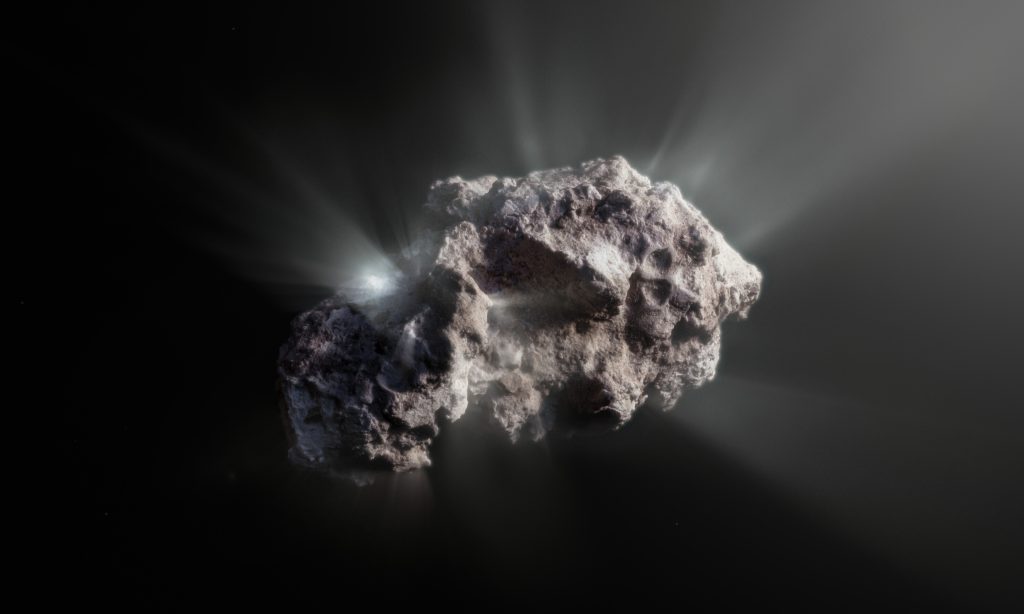
What does it mean when a comet carries the chemistry of another star system into our own? For astronomers tracking 3I/ATLAS, only the third confirmed interstellar comet, the answer lies in a fusion of high-precision trajectory modeling, cutting-edge spectroscopy, and multi-mission coordination across the solar system. This rare visitor is offering an unparalleled opportunity to study the materials and dynamics of bodies formed far beyond the Sun’s gravitational reach.

1. A Unique Interstellar Visitor
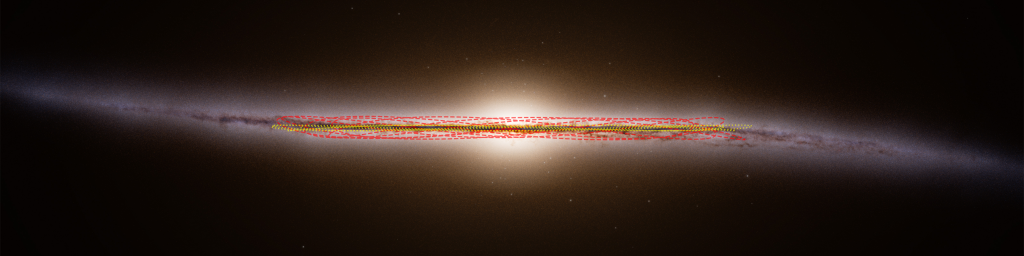
3I/ATLAS was discovered on July 1, 2025, by the NASA-funded Asteroid Terrestrial-impact Last Alert System (ATLAS) in Chile and was promptly recognized as interstellar because it had a hyperbolic orbit and was traveling at over 210,000 km/h. Unlike Oort Cloud comets bound to the Sun, its trajectory traces back toward the Milky Way’s thin disk, indicating an origin in a distant planetary system. Its closest approach to the Sun occurred on October 30, 2025, at 1.4 AU, just inside Mars’s orbit, before it started its outbound journey.

2. Multi-Mission Tracking Across the Solar System
NASA and ESA have marshaled an unprecedented armada to track 3I/ATLAS. In addition to Earth-based telescopes, the Hubble, James Webb, TESS, and SPHEREx in space, and interplanetary spacecraft Psyche, Lucy, MAVEN, and Mars Reconnaissance Orbiter imaged this object from up to millions of kilometers closer to the comet than Earth. ESA’s ExoMars Trace Gas Orbiter, stationed at Mars a distance of 29 million km from Earth, achieved an up-to-tenfold improvement in trajectory predictions by triangulating its observations with Earth-based observations-a first in planetary defense techniques.
3. Spectroscopic Insights into Exotic Chemistry
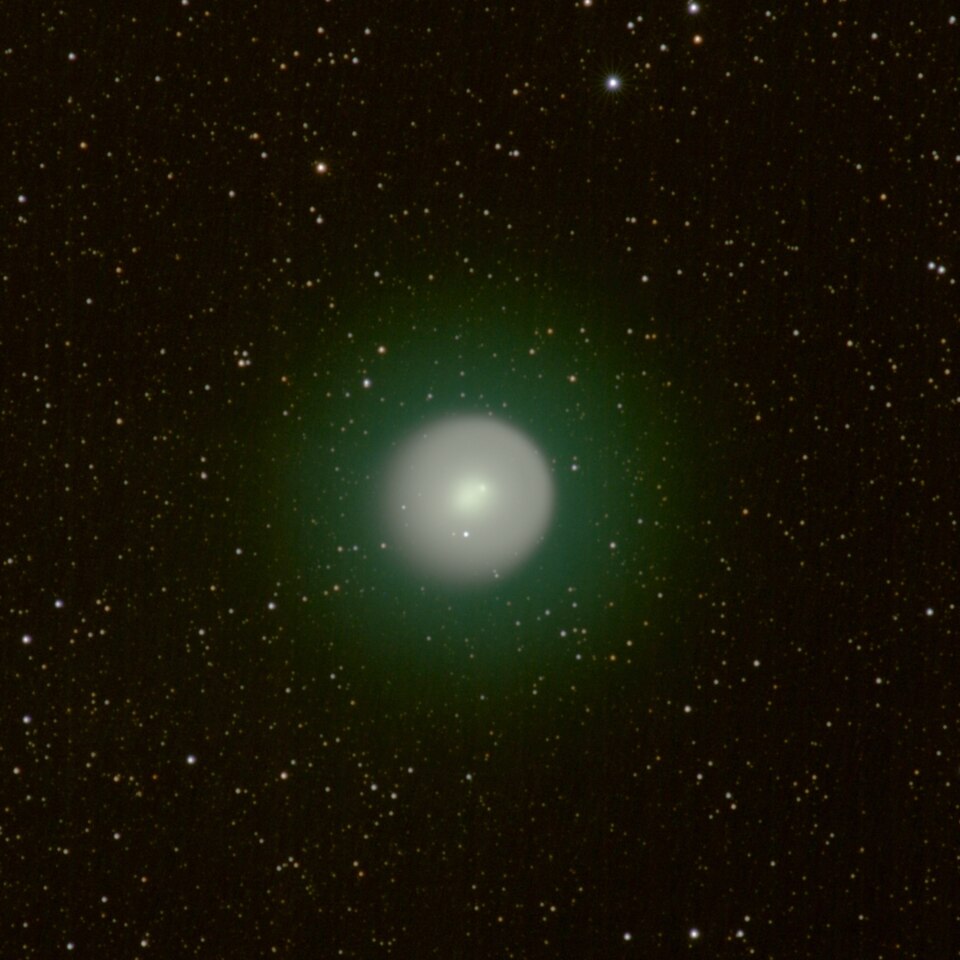
Spectroscopic analysis has shown an extremely high CO₂-to-water ratio in this comet’s coma-one of the highest ever measured for any comet. The Very Large Telescope detected nickel without accompanying iron, hinting at novel chemical pathways possibly involving nickel tetracarbonyl. These volatile compounds may be responsible for strong activity even at 3 AU from the Sun, since they break down under UV light. Such findings suggest formation beyond the CO₂ ice line in its protoplanetary disk, preserving pristine ices for billions of years.
4. Material Science Implications
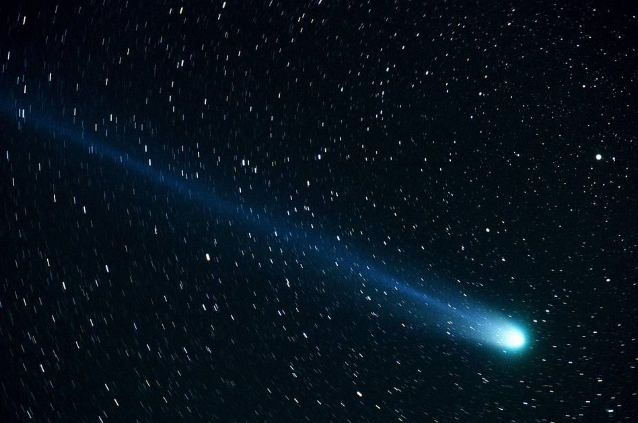
The comet’s surface may have formed a “cooked shell” by long-term cosmic ray exposure, with CO₂-rich layers that now ventilate to space. The study of such radiation-modified materials feeds into the design of radiation-resistant composites for spaceflight applications and habitats. Dust dynamics, the jets streaming sunward and being blown back by the solar wind, provide an Earth-free test bed for adaptive materials technology capable of self-alteration in an extreme environment.
5. Precision Dynamics and Gravitational Modeling
Gravitational modeling of 3I/ATLAS’s path was required to take into consideration its high velocity and the unique vantage points of observing spacecraft. Ephemeris refinements by ESA with Mars-based data reduced positional uncertainty by orders of magnitude, enabling spectroscopic campaigns that could use targeted observations. Subtle trajectory shifts near perihelion matched predictions from solar radiation pressure and gravity, a validation of models critical for intercept missions.

6. Future Commercial Space Exploration Potential
Interstellar comets could hold volatiles and organics that are rare and of high value for in-space manufacturing or propulsion. Detection of abundant CO₂ and complex organics in 3I/ATLAS fuels interest in missions to harvest such materials. Firms pioneering nuclear propulsion systems and cryogenic fluid transfer systems see them as testbeds for long-duration extraction of resources, while AI-driven navigation systems refine autonomous targeting of fast-moving interstellar bodies.

7. Citizen Science and Public Engagement
Despite its faintness-currently about magnitude +10.9-citizen scientists using networks like UNISTELLAR have contributed stacked optical images, following its brightening and tail evolution. For the time being, the comet is visible in the constellation Virgo before dawn, affording amateur astronomers the rare opportunity to see an interstellar object, its coma and ion tail resolvable with small telescopes.
8. Preparing for the Next Interstellar Encounter
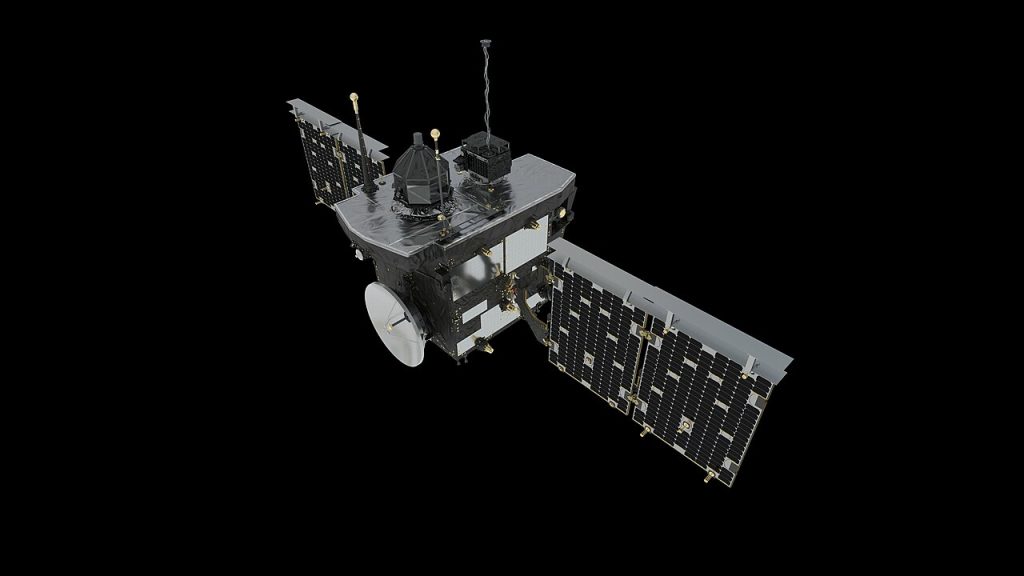
The ephemeral character of visitors such as these underpins the necessity of rapid-response missions. ESA’s future Comet Interceptor will be aimed at newly discovered targets, with the possibility of capturing another interstellar object in situ. Lessons from 3I/ATLAS its trajectory refinement, spectroscopic profiling, and multi-mission coordination are shaping readiness for future encounters.

As 3I/ATLAS recedes toward the edge of the solar system, it leaves behind a treasure trove of data on chemistry, dynamics, and materials science. To space enthusiasts and scientists alike, this comet is more than just a rare spectacle it is a messenger from the other star system, carrying with it the story of planetary formation across the galaxy.


