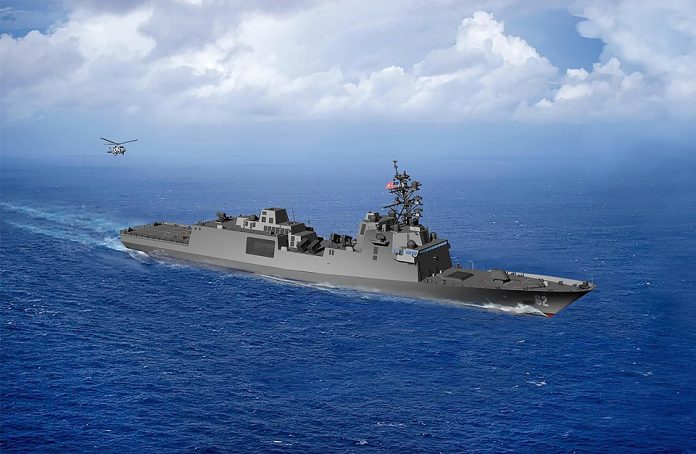
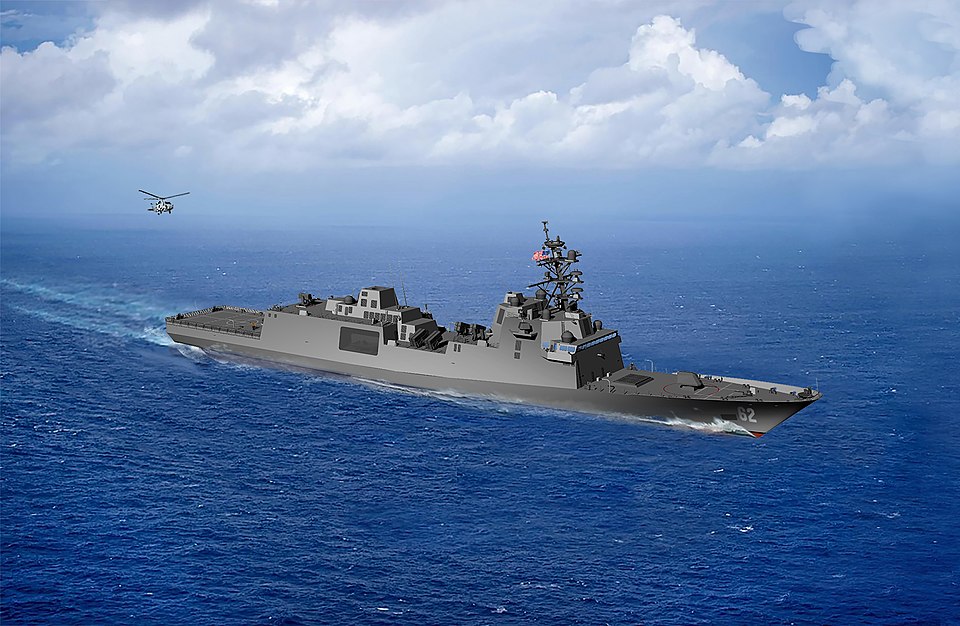
The move by the U.S. Navy to cancel four Constellation-class frigates before construction started marks a dramatic course change in its fleet expansion strategy, one coming amid spiraling delays and costs and a growing race with China’s fast-expanding navy. Once key to reaching its goal of a 355-ship fleet, the program is emblematic of broader challenges in American naval procurement.
This move is far more than about one troubled class of ships; it speaks to a deeper reckoning with industrial capacity, design discipline, and fielding combat power at a pace matching the threat environment. While China’s shipyards churn out warships at an unprecedented speed, the U.S. Navy is rethinking how it builds, what it builds, and how fast it can adapt.

1. A Program Built on a Flawed Foundation
The Constellation-class frigate program-which promised rapid production from the outset by leveraging the Italian FREMM design-was touted initially to have as much as 85% commonality with its European counterpart; however, subsequent U.S.-only design modifications dropped the figure to just 15%. A Government Accountability Office report said the Navy’s decision to begin construction before completing the design was “inconsistent with leading ship design practices,” which has produced a program now three years behind schedule and only 70% complete.
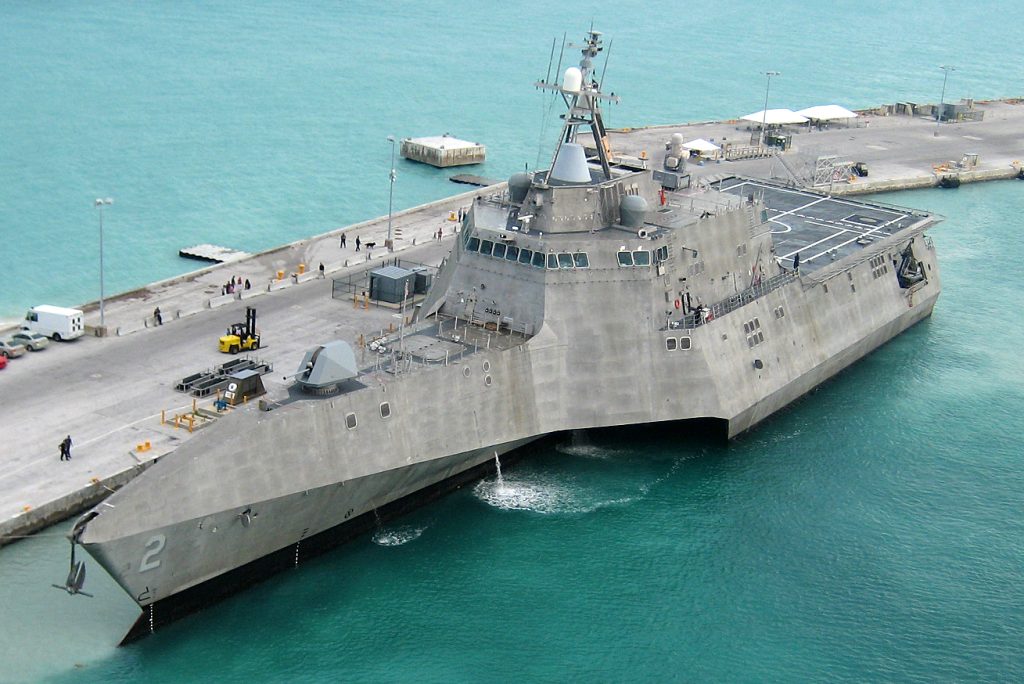
The erosion of design discipline here echoes past procurement missteps-from the Littoral Combat Ship program, where ambitious timelines collided with evolving requirements and produced costly delays and underperforming vessels.
2. Mounting Delays and Cost Overruns
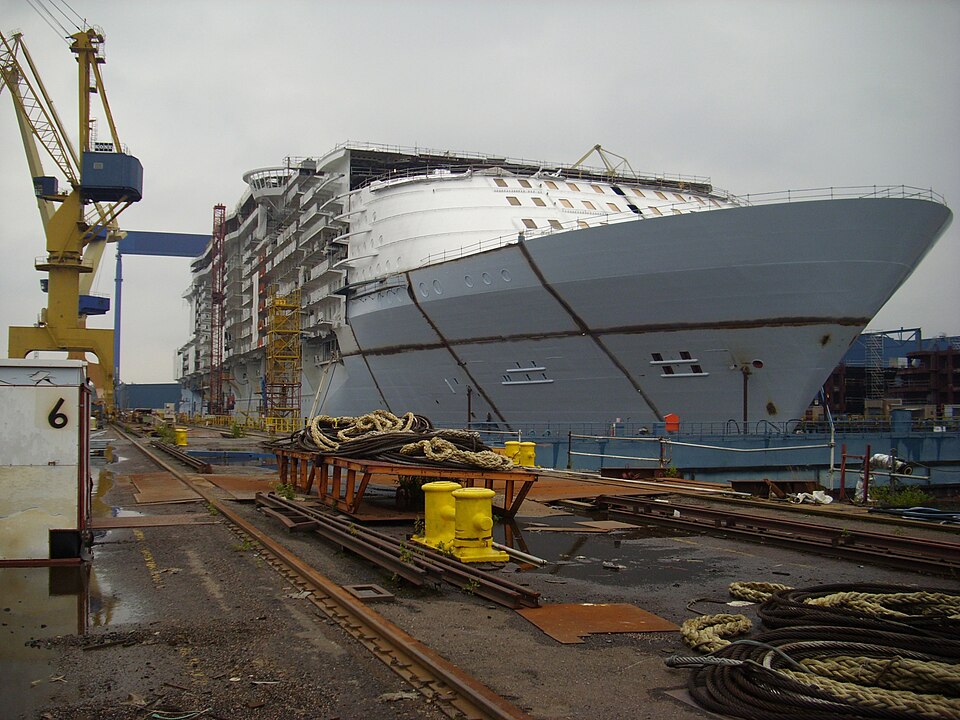
It was initially expected to deliver the lead ship, USS Constellation (FFG-62), in April 2026. It now comes in April 2029-36 months late. Its costs have ballooned from early estimates where the $22 billion program saw some scrutiny from lawmakers and defense analysts alike. The GAO blamed these overruns on weight growth above tolerances, forcing consideration to reduce speed requirements.
These delays are not unique but, instead, are part of a pattern found within the Navy’s larger shipbuilding portfolio, where multiple programs are running years behind schedule and more than 50% over budget, underlining deeper industrial and management challenges.
3. Strategic Shift to Faster Alternatives
Secretary of the Navy John Phelan framed the cancellation as part of a “strategic shift” to grow the fleet faster. “I won’t spend a dollar if it doesn’t strengthen readiness or our ability to win,” he said. The new framework aims to redirect resources towards the classes of ships which can be built more quickly, including small surface combatants and unmanned systems.
The pivot reflects recognition that, against the backdrop of China’s accelerating naval build-up, the U.S. cannot afford multi-year delays in delivering combat-ready hulls.

4. Maintaining the Industrial Base
While terminating four contracts, the Navy reached a global settlement with Fincantieri Marinette Marine that covers reimbursement for economic commitments and transitioning projects to amphibious, icebreaking and special mission vessels. Fincantieri’s United States operations employ 3,750 workers at four shipyards and have received $800 million in recent investment.
This “critical workforce” is a reason it’s important to keep them. The agreement leaves the facilities ready for future naval projects by assuring continuity of work and not allowing mass layoffs.
5. Dominance in Shipbuilding by China
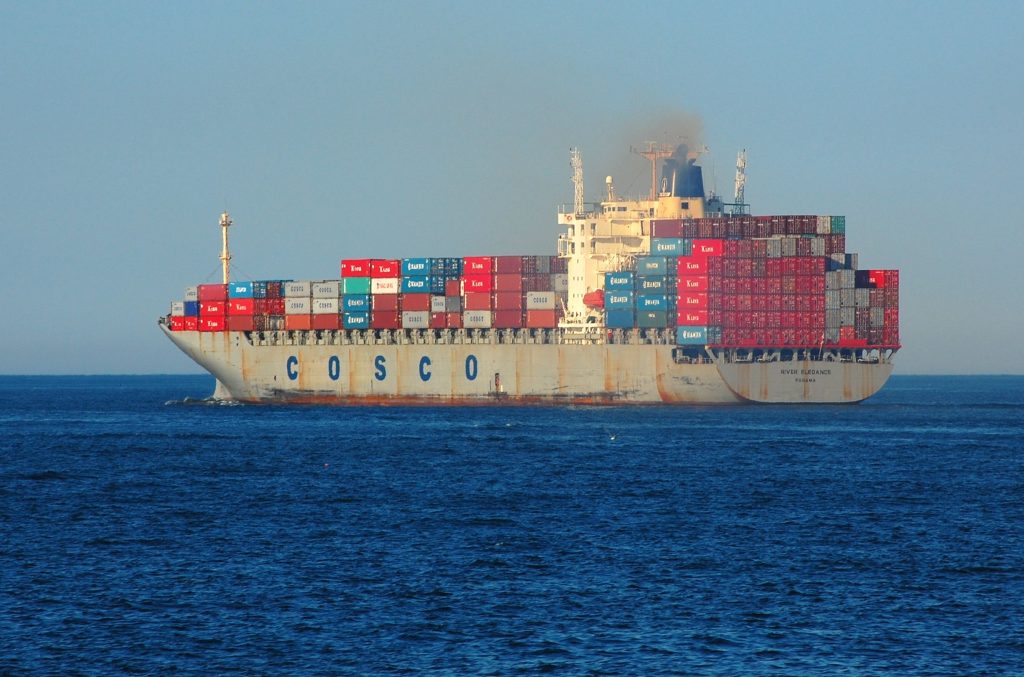
Chinese shipyards are producing in one year more tonnage than the entire U.S. shipbuilding industry has built since World War II. The Center for Strategic and International Studies warns that Beijing’s “military-civil fusion” blurs commercial and military production, funneling foreign payments into warship construction.
The resulting productive advantage of the PLAN, at 234 warships to America’s 219, and with 70% of Chinese vessels launched after 2010, creates a long-term strategic problem. Clearly, U.S. planners will have to assume continued Chinese expansion in numbers, size and firepower.

6. The Fleet Size Crisis
The Navy is retiring more ships than it is building. That drives down fleet numbers at a time when the PLAN could reach 400 hulls by year’s end. History shows that larger fleets win most wars; 25 out of 28 in one study. Sen. Roger Wicker has called the surface fleet “in a near-death spiral,” and advocates for rapid expansion through smaller, more affordable combatants and uncrewed platforms.
7. The Case for Smaller Combatants
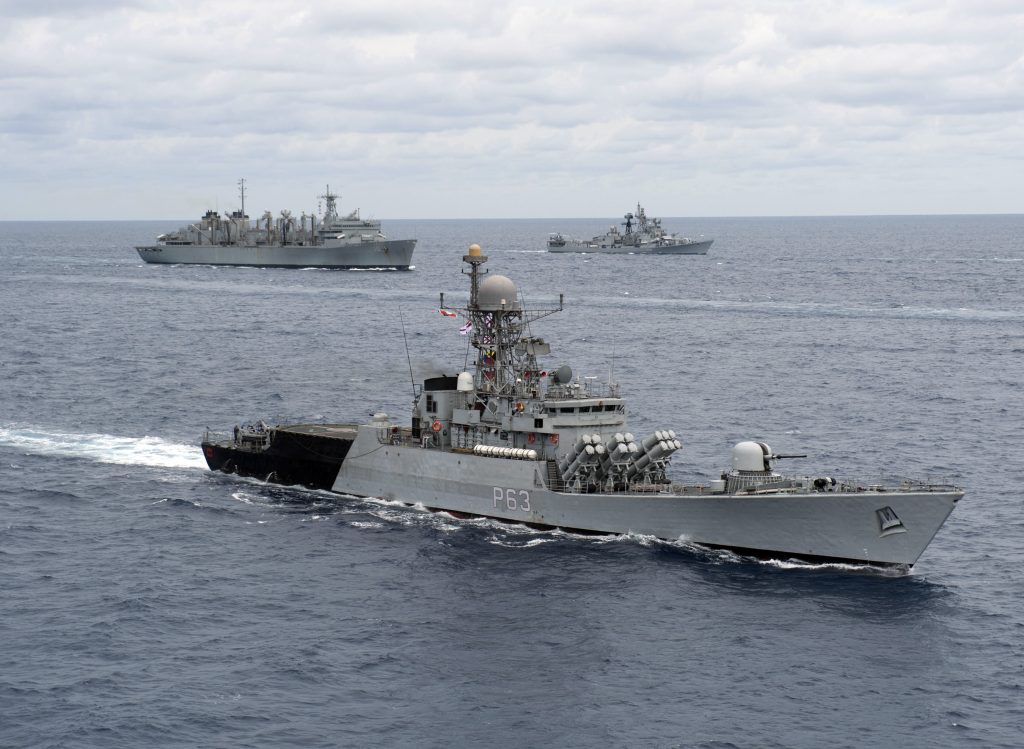
Analysts believe smaller missile corvettes are an effective means of distributing firepower at lower costs. These could be produced more quickly than frigates or destroyers to provide more flexibility in contested littoral waters. Wicker advocates for designs “armed to the teeth” with precision missiles, producible in quantity.
Such platforms would complement larger ships, providing survivability through dispersion rather than reliance on a few high-value assets, such as aircraft carriers.
8. Unmanned Systems on the Rise
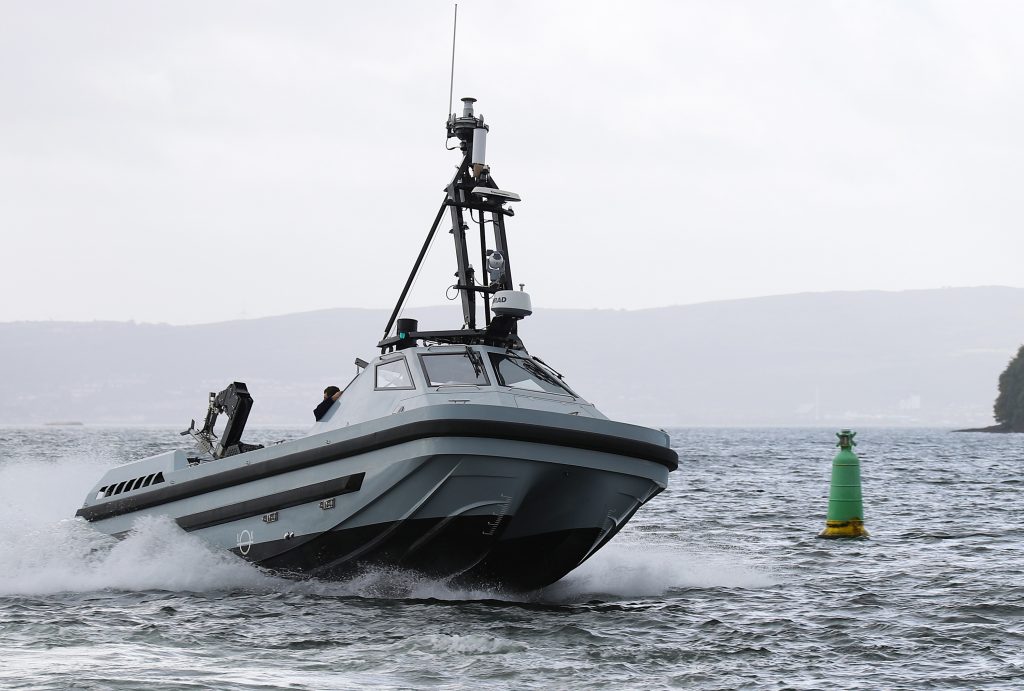
The Navy is converging its medium and large unmanned surface vessel concepts on a single-sized platform, such as the Modular Attack Surface Craft (MASC). As Capt. Garrett Miller stated with no ambiguity, “We definitely want unmanned. Period.” These unmanned vessels would serve either as adjunct magazines or as offboard sensors, extending the reach of manned ships.
A new enlisted robotics rating is being developed, as is a dedicated SWO-Unmanned career path, each of which indicates that unmanned operations will be mainstreamed into fleet doctrine.
9. Industrial Capacity and Workforce Challenges
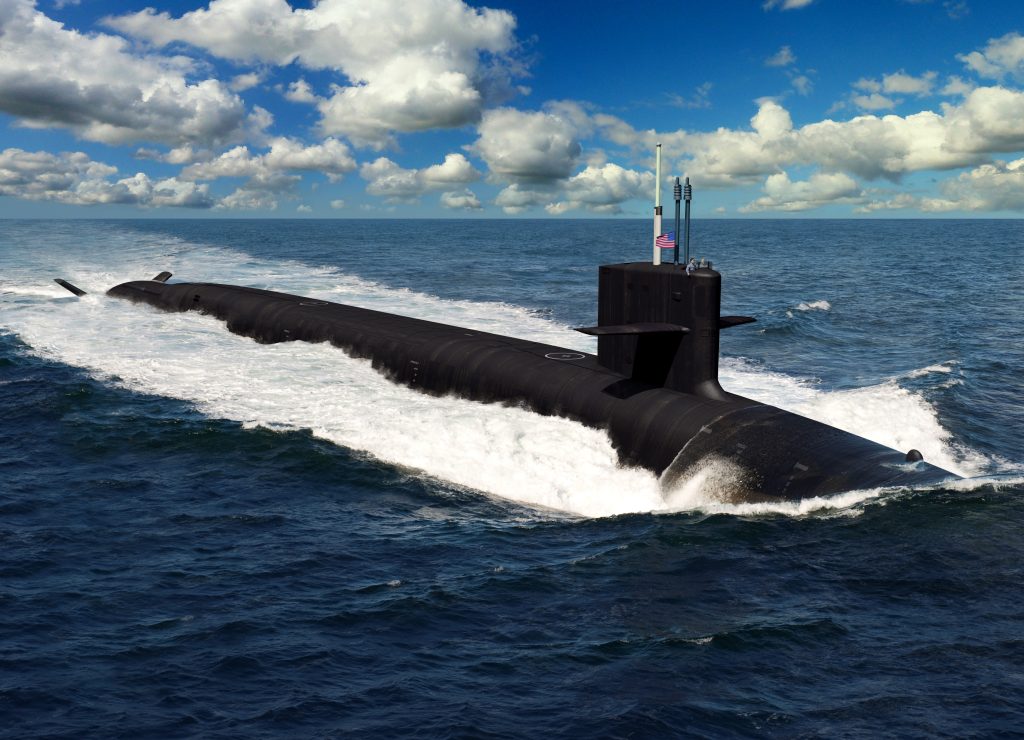
Despite billions invested in the industry, U.S. shipyards face physical space constraints, aging infrastructure, and shortages of skilled labor. The GAO found the Navy often plans for fleet growth that surpasses what industry can deliver without fully considering whether investments improve capacity. Examples include the over-budget and behind-schedule Virginia-class Block V and Columbia-class submarine programs. These illustrate the need to align procurement goals with realistic industrial output.
More than a program cut, cancellation of the Constellation class represents a signal that the Navy is revising its approach to fleet building amidst industrial constraints and a quickly changing strategic environment. Whether that pivot leads to a more agile and resilient force-or simply trades one set of challenges for another-will depend upon disciplined design, industrial investment, and the ability to outpace adversaries in both innovation and production.


