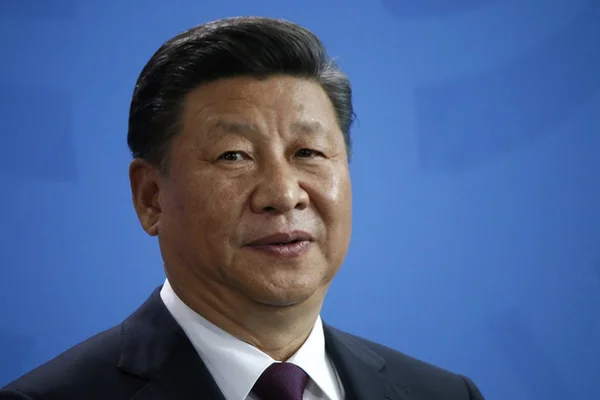
How many times can the airspace of a country be breached before it stops becoming news? For Taiwan, the number for 2024 was an astonishing 3,075 incursions-all a reminder of Beijing’s sustained pressure campaign. The figures are not an isolated incident but part of a greater geopolitical shift. The latest report from the U.S.-China Economic and Security Review Commission warns that Xi Jinping is working to build an “alternative world order” anchored in Beijing and supported by anti-democratic allies such as Russia and North Korea.
It’s an emerging alignment, not a set of loose friendships but a network with potential to reshape global power balances. From military cooperation and economic ties through technological integration to coordinated political warfare, it spans every domain. For Washington and its allies, the challenge is multidimensional, from countering Beijing’s advances in space to deterring “grey zone” aggression, and from managing flashpoints across the South China Sea to those on the Korean Peninsula. The ten fronts below help to illustrate how China’s strategy is unfolding and why it demands urgent attention.
1. Beijing’s Strategic Bloc-Building
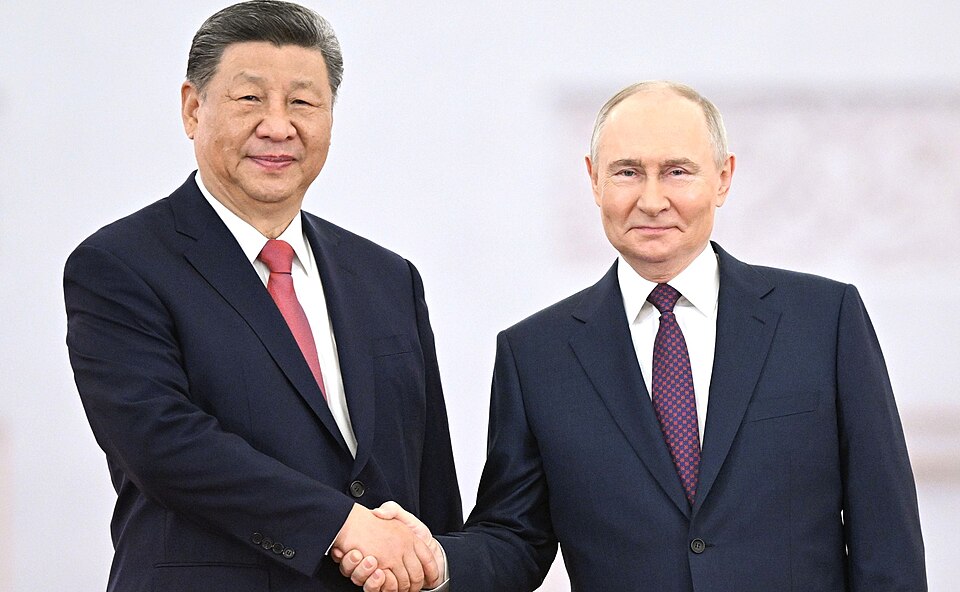
The Commission’s report makes the point that China’s partnership with Russia, Iran, and North Korea has tightened since 2022 on the basis of mutual resistance to Western influence. Without formal integration, as in the alliances of the Cold War, these ties are increasingly functional in character. In actuality, Moscow receives economic and technological support for its war in Ukraine, Pyongyang gets political cover and trade lifelines, while Tehran benefits from selective cooperation. The cohesion of this bloc might be limited, but there is an emerging collective capacity to disrupt the interests of the United States. Chinese leaders “believe their position in this rivalry is getting stronger,” Commissioner Aaron Friedberg told Axios.
2. For Russia’s War Machine
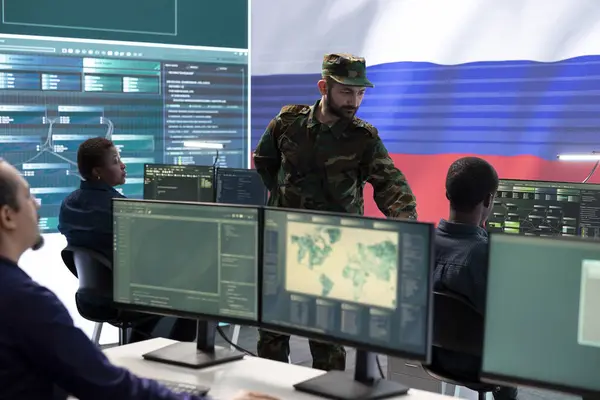
China’s aid to Russia extends well beyond trade. The Commission urges detailed research on Beijing’s economic, technological, intelligence, and cyber support to Moscow with widespread dissemination. Such support includes dual-use goods, machine tools, and possibly advanced technologies. Although Beijing avoids overt violations of sanctions, its role in sustaining Russia’s defense industrial base is significant. A collapse in Russia, warns the report, would change the balance of power in the world, weakening the strategic position of China.
3. Militarization of Space
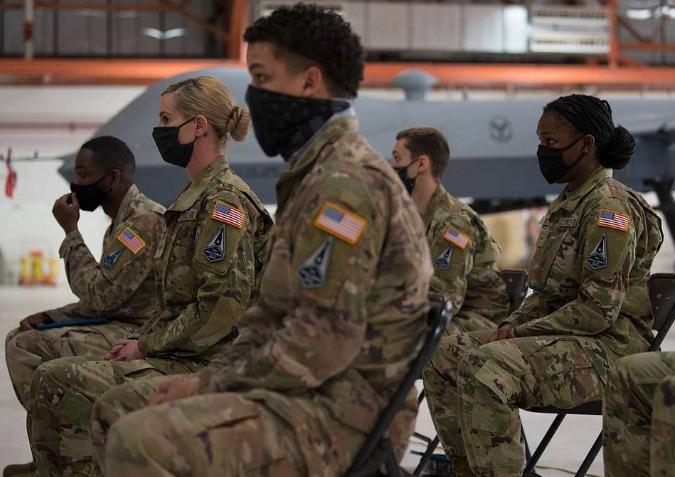
The report urges more funding to be allocated to the U.S. Space Force against an expanding anti-satellite arsenal from China. “If we agree that space is a warfighting domain, then we have to make sure we have the infrastructure so that our Guardians are able to operate in that space,” Commissioner Michael Kuiken said to Axios. Ahead of such orbital conflict scenarios, Space Force Commander Gen. Chance Saltzman suggested sending up “aggressor” satellites that would simulate adversary actions in training.

4. Taiwan Under Relentless Pressure
The number of PLA incursions into Taiwan’s Air Defense Identification Zone, according to Taiwan’s Ministry of National Defense, reached 3,075 in 2024, a large increase above the total for the preceding two years. Many such flights cross the median line of the Taiwan Strait. The flights are part of a broad coercion campaign that also features maritime patrols, undersea cable sabotage, and disinformation. Taiwanese Ambassador Alexander Yui said in October that Beijing “is trying to find excuses to ramp up aggression against Taiwan.”
5. Grey Zone Tactics in the South China Sea
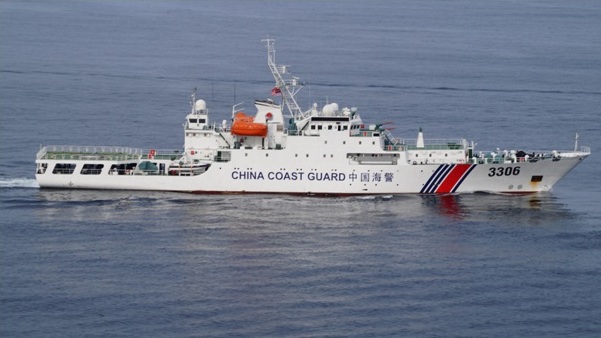
Grey zone operations by China target both Taiwan and the Philippines. This past August, a China Coast Guard cutter collided with a PLA Navy destroyer while chasing other ships near Scarborough Shoal, an extremely rare incident between two Chinese vessels. Manila has faced swarming tactics, ramming, and laser harassment. Thus far, the military of the Philippines has taken a four-pronged approach: active presence, leveraging allies, transparency initiatives, and a whole-of-nation approach to counter illegal, coercive, aggressive, and deceptive activities.
6. Campaigns of Diplomatic Isolation
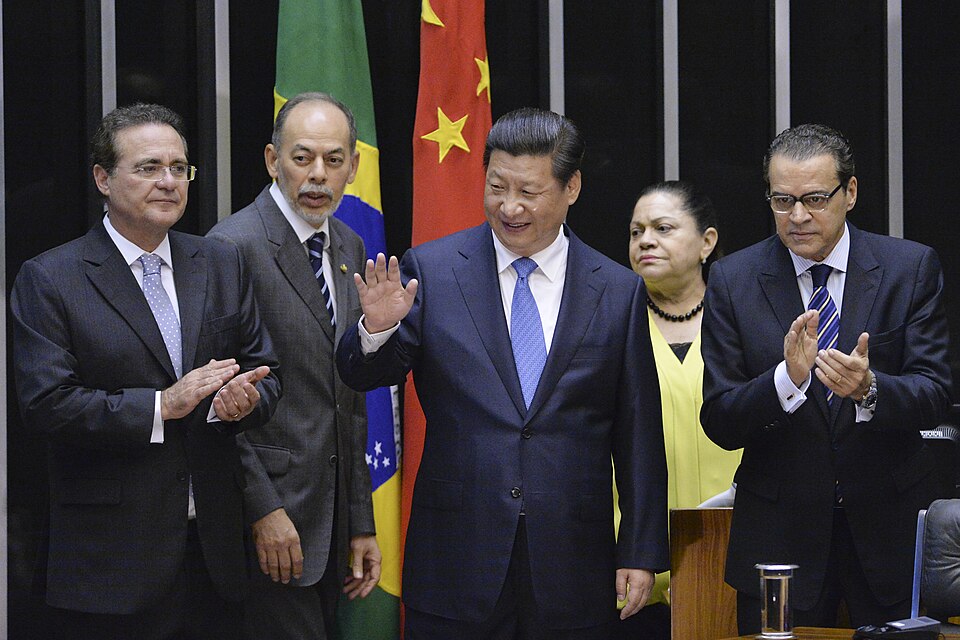
So far, Beijing has tried to bar lawmakers from at least six countries from forums hosted by Taiwan, including the summit of the Inter-Parliamentary Alliance on China. In response, it promoted the “2758 Initiative” against the distortion of UN Resolution 2758 that China uses to argue against Taiwan’s participation in international bodies. PRC diplomats have directly pressured foreign lawmakers, reflecting a sustained effort to degrade Taiwan’s legitimacy on the world stage.

7. Integrating AI in Military Services
China is rapidly moving toward “intelligentization” through such AI platforms as DeepSeek, the PLA’s objective of integrating AI into cognitive warfare and decision-making. Procurement records connect DeepSeek with more than 150 military-related projects, including generating simulated combat scenarios. According to US officials, it is seeking to bypass export controls on advanced semiconductors through shell companies in Southeast Asia that could give Beijing access to US-made chips for military AI development.
8. Expanding Claims of Maritime Jurisdiction
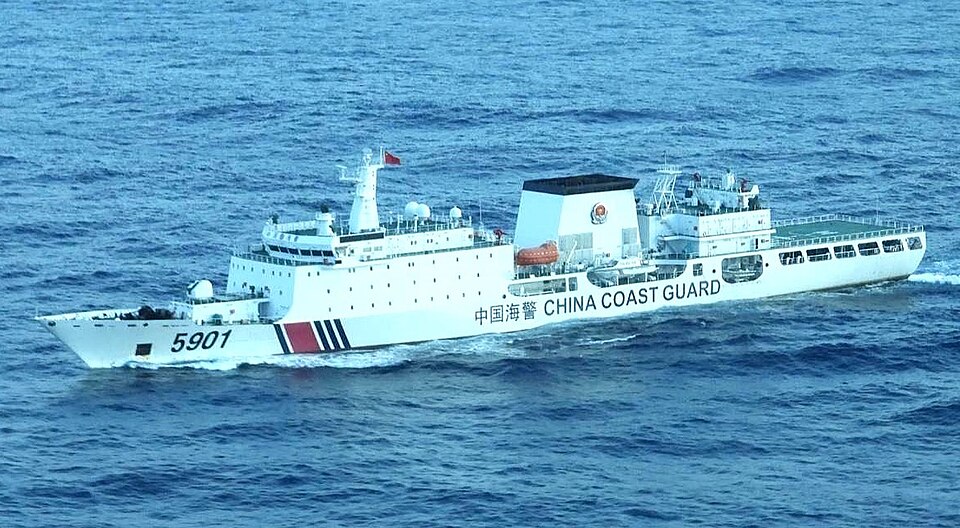
The “Kinmen model” of regular China Coast Guard patrols in Taiwan-administered waters is now expanding to Pratas Island. Ship-tracking data show CCG vessels circling Pratas in 24-hour patrols, a pattern never seen previously before 2025. This operation normalizes PRC law enforcement jurisdiction and could set conditions for blockades or seizures. Such tactics incorporate legal warfare into strategic positioning.

9. North Korea – Russia Military Nexus
Pyongyang has supplied millions of artillery shells and ballistic missiles to Moscow, reportedly in exchange for food aid, energy assistance, and military technology. The mutual defense treaty signed by the two states in June 2024 pledges each to “military and other assistance” if attacked. Although vague, it provides evidence of intent to deepen cooperation, which could further complicate U.S. and allied military planning vis-à-vis Northeast Asia.

10. Countering China’s Narrative Warfare
Beijing often uses its global messaging to portray itself as acting defensively while U.S. alliances are the cause of destabilization. PRC Foreign Minister Wang Yi accused both Washington and Tokyo of “inciting a new Cold War” and called upon ASEAN states to refuse “external interference”. These narratives, in concert with disinformation campaigns, serve to shape perceptions across the Global South and undermine sentiment regarding U.S.-led coalitions. China’s multi-front strategy-which intersperses the application of military pressure, economic leverage, and technological integration with political warfare-constitutes a long-term bid to remake the global order.
While that roster is far from coalescing into a cohesive bloc of allies, a growing convergence of interests among Beijing, Moscow, Pyongyang, and Tehran is slowly whittling away at the strategic advantages enjoyed by the United States and its allies. Meeting these challenges will require sustained investments in deterrence, sharper intelligence regarding China’s enablers, and the will to contest Beijing’s narratives as vigorously as its behaviors.


