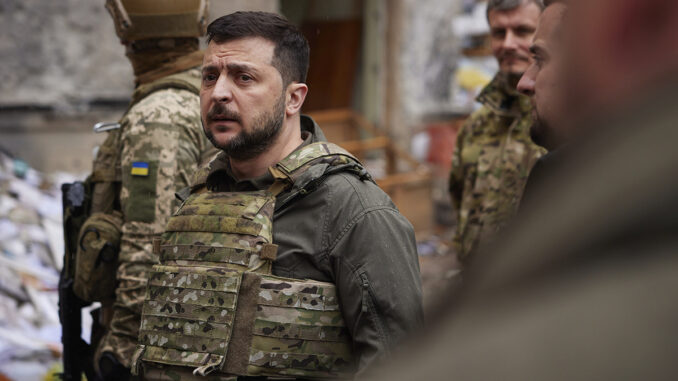
The night sky over Kyiv again blazed. In one of the most intense Russian missile and drone barrages to pound Ukraine in months, at least seven people were killed and at least 21 injured in the country’s capital before the hours of dawn in an attack targeting energy systems, residential blocks, and a fragile sense of safety in a city already bracing for winter. It was no coincidence in terms of timing. As US‑brokered peace negotiations were underway in Abu Dhabi, Moscow’s war machine fired off 22 missiles, including four hypersonic Kinzhals, along with more than 460 drones, which declared that battlefield pressure will not abate as long as diplomacy is underway.
The strikes also spilled over into NATO and EU airspace, underscoring the war’s increasing risks From sophisticated electronic warfare countermeasures to the change in patterns of Russia’s industrially-driven strike campaigns, events from November 25 carry critical military, humanitarian, and geopolitical dimensions. Here are nine urgent takeaways.
1. Powerful Multi‑Wave Strike against Kyiv’s Energy Grid
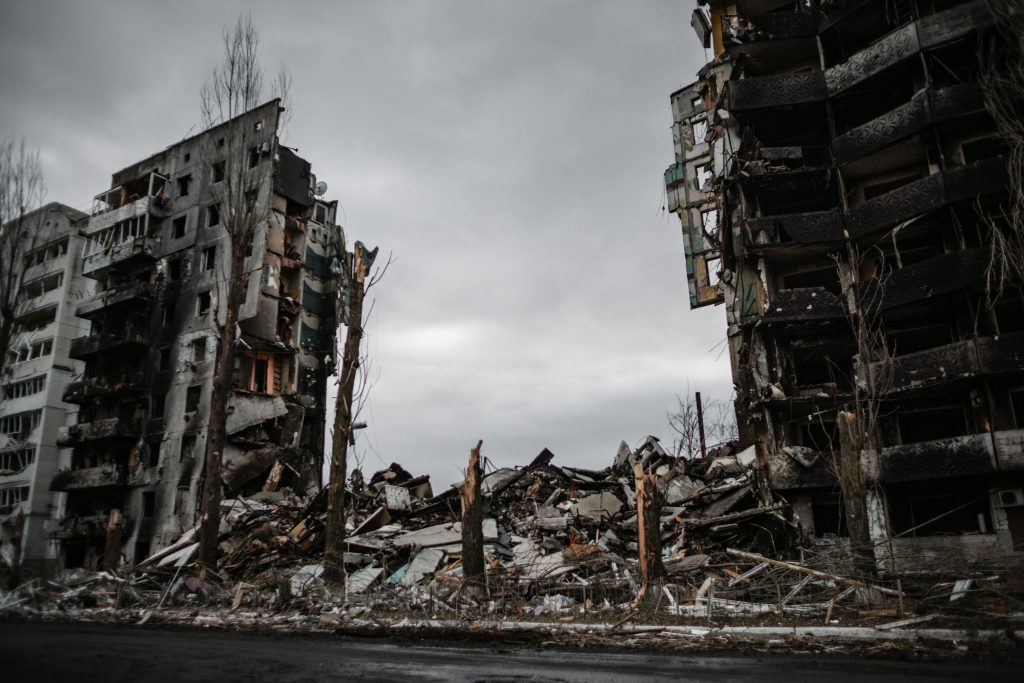
It came in two waves, shortly after 1 a.m. and about 7 a.m., targeting residential districts and critical energy infrastructure. President Volodymyr Zelensky described the strikes as focused on “energy and everything that ensures normal life.” The state energy operator Ukrenergo introduced emergency power cuts, leaving more than 102,000 people without electricity across five regions, and heating systems were shut off in part of Kyiv. Strikes hit a 22‑storey apartment block in the Pechersk neighborhood, burning out four floors, while a supermarket warehouse was destroyed in the Sviatoshynskyi district, killing four drivers.
2. Civilian Casualties and Personal Losses
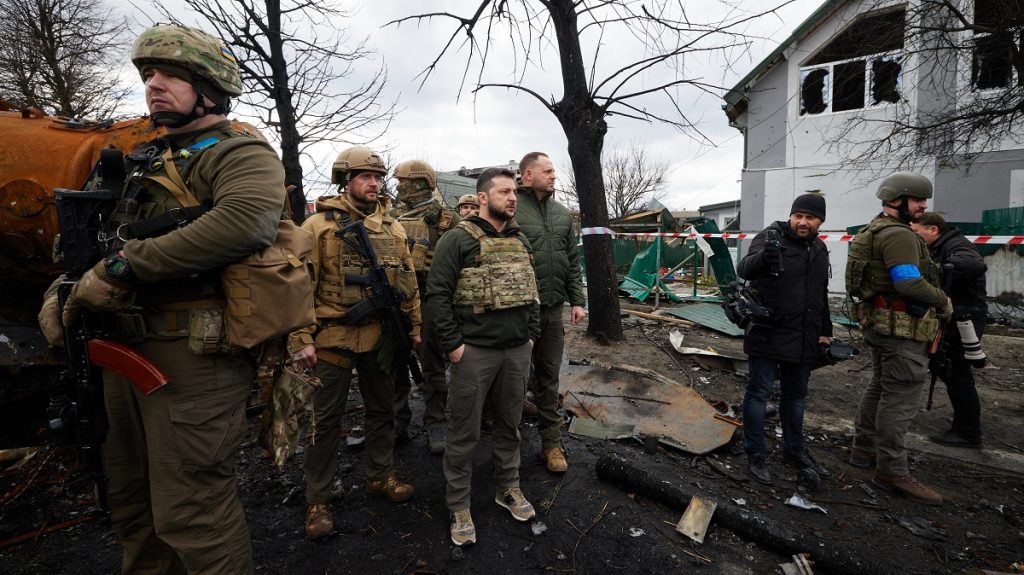
Those killed included 65‑year‑old actor and set‑builder Vadym Tupchiy, whose son identified his body after rescue teams found it. Survivors said apartments were left shattered and showered in glass. “Absolutely everything” in her home was destroyed, said Liubov Petrivna, 90. A nine‑storey building in the Dniprovskyi district caught fire, leaving two dead, including an 86‑year‑old woman. At least 21 people were injured, including children.
3. Russian Drones Breach NATO Airspace
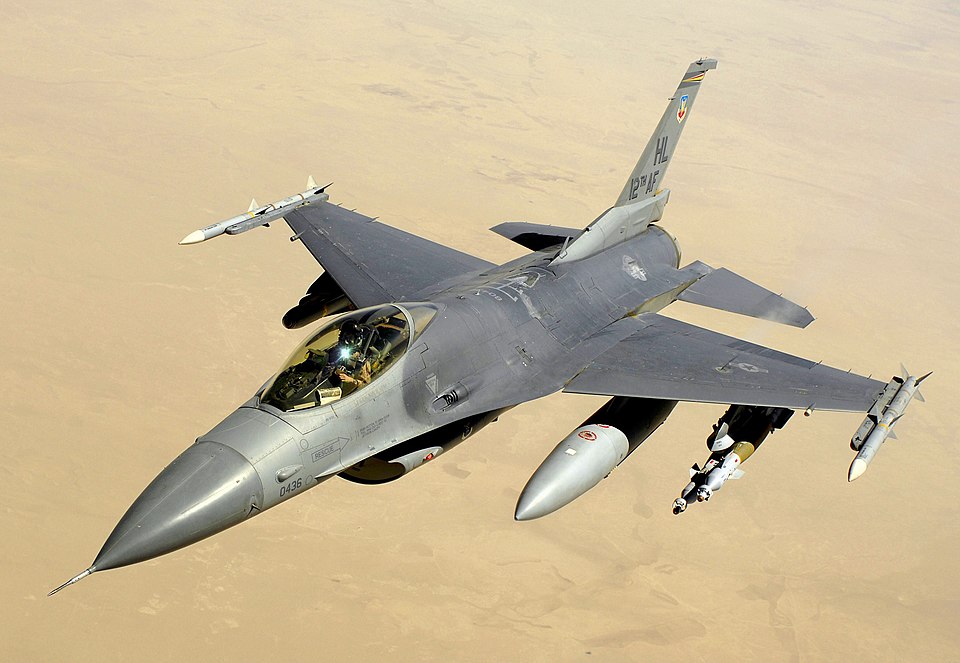
The attack saw four drones come into Moldova and Romania. Romania went on to send two German Typhoon and two Romanian F‑16 jets to intercept targets near Tulcea and Galați. The first drone fell in the locality of Puiești, 70 miles from Ukraine, while another reversed the course and entered back into Ukrainian airspace. Meanwhile, Moldova said it suffered six incursions – including an unarmed Gerbera decoy with a Russian Z symbol. They were the first daylight incursion into Romania since the outbreak of war.
4. Industrial‑Driven Strike Patterns in Russia
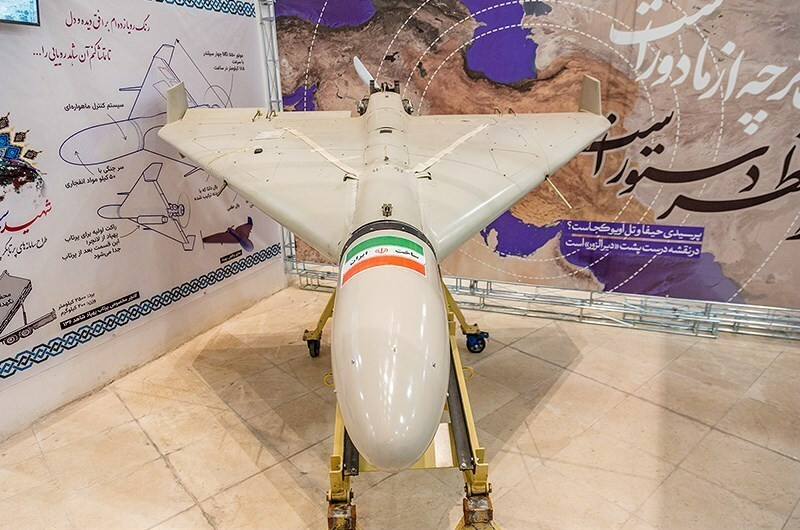
Over the last few months, the air campaign of Moscow has evolved from coherent mass strikes to fragmented, production-cycle-driven launches. In October 2025, Russia fired around 5,300 Shahed UAVs, 74 cruise missiles, and 148 ballistic missiles-the greatest ballistic salvo since the war began. It is a saturation strategy that is driving Shahed hit rates to almost 20%, while ballistic launches are quadrupled year-over-year. The decoupling of drone, cruise, and ballistic patterns reflects a resource-driven model that demands Ukraine’s air defences adapt to unpredictable salvos.
5. Ukrainian Electronic Warfare Spoofing Kinzhals
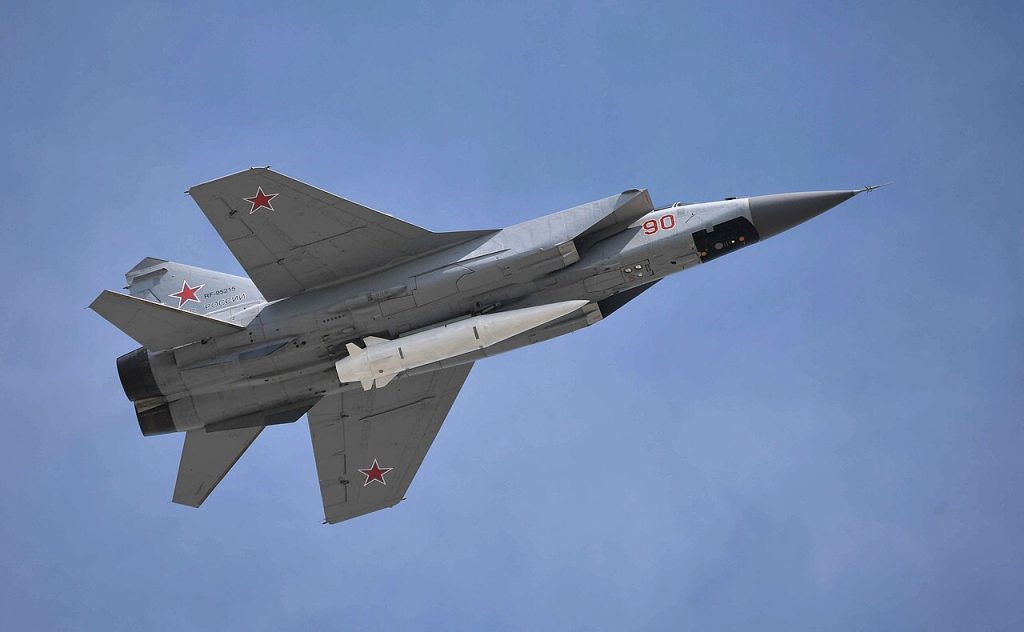
Lima electronic warfare systems reportedly have been used by Ukraine’s Night Watch unit to divert 21 Kinzhal hypersonic missiles. It works by spoofing Russia’s GLONASS satellite navigation to lure missiles off‑course, sometimes by hundreds of kilometres, it is reported. Satellite images released by Russian bloggers have revealed craters up to 144 metres from intended targets. This tactic has also misdirected other missile types, but experts warn that the cat‑and‑mouse nature of electronic warfare means Russia will seek spoof‑resistant guidance.
6. Rubicon: Russia’s Elite Drone Warfare Unit
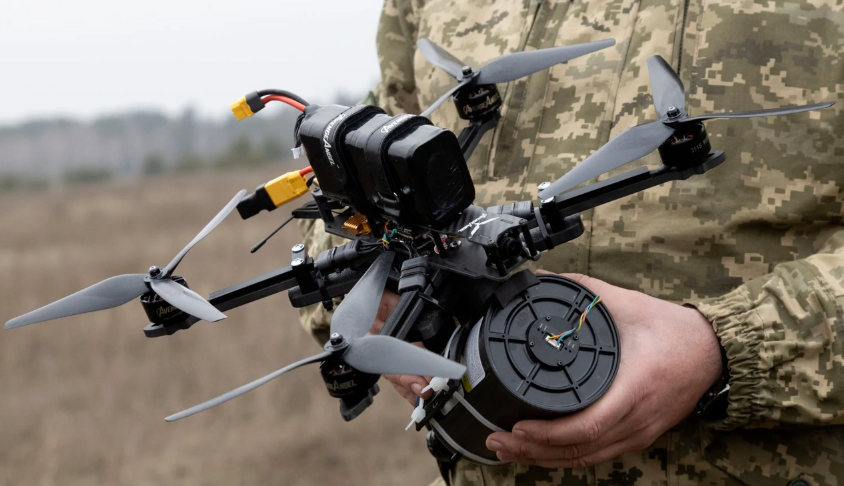
The Rubicon Center for Advanced Unmanned Technologies has transformed Russian drone operations; equipped with fibre-optic, jamming-resistant drones, its units have cut Ukrainian supply lines while hunting drone operators, integrated into brigades in Donetsk. Their Molniya drones act as motherships to FPV munitions striking deep behind front lines. But Ukrainian forces have repeatedly struck at Rubicon bases; analysts say the fact that Russia now has embraced innovation by a start-up makes it “a more dangerous adversary” with swarming autonomous systems.

7. Peace Talks Under Fire
As the missiles pounded Kyiv, US Army Secretary Dan Driscoll was in Abu Dhabi meeting with Russian officials working off a revised 28‑point proposal for peace. Ukrainian negotiators, led by Rustem Umerov, signaled agreement on core terms, saying sensitive issues remain. The plan is said to include security assurances, similar to NATO’s Article 5, though contentious points like territorial concessions are unresolved. European leaders such as Emmanuel Macron warn against any deal amounting to “capitulation” for Ukraine.
8. Humanitarian Strain in Border Communities
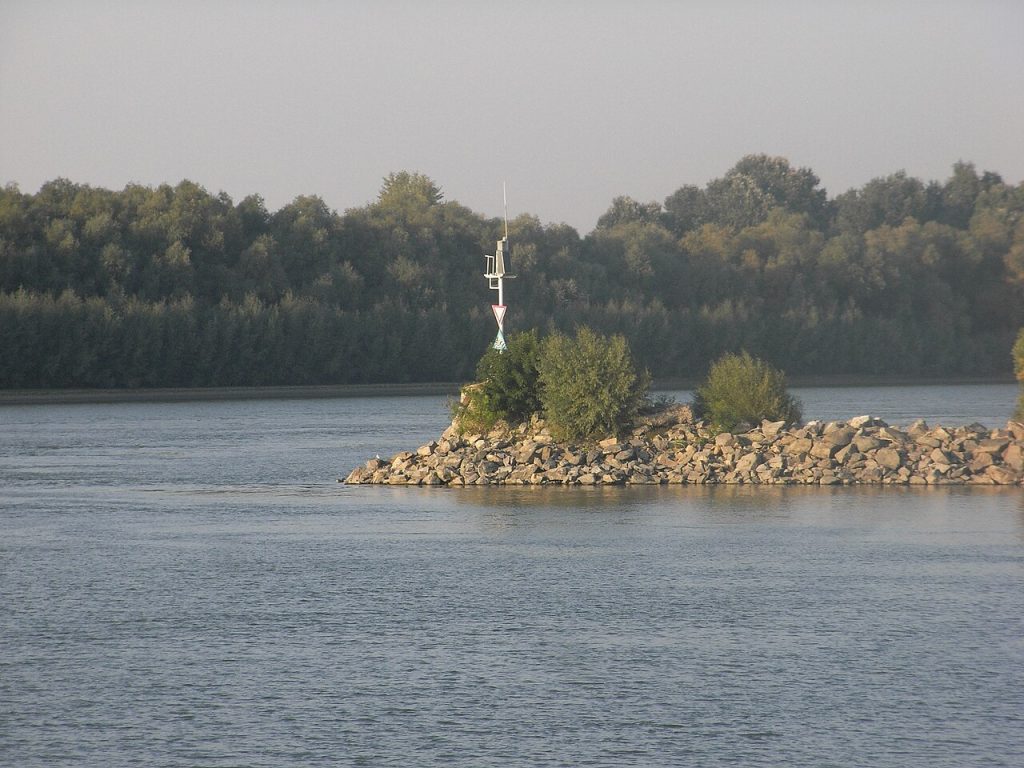
Ceatalchioi and Plauru are two villages in Romania, lying just across the Danube from Ukraine’s Izmail port, that are under constant threat. Residents were evacuated after drone strikes hit close to the village, and for some, leaving for good is not out of the question. “If the bombings escalate, I think we might leave,” said Daniela Tanase. Dogs and humans have grown accustomed to the hum of drones, though the fear remains constant amidst NATO presence and newly built shelters.
9.Nuclear‑Linked Infrastructure Targets
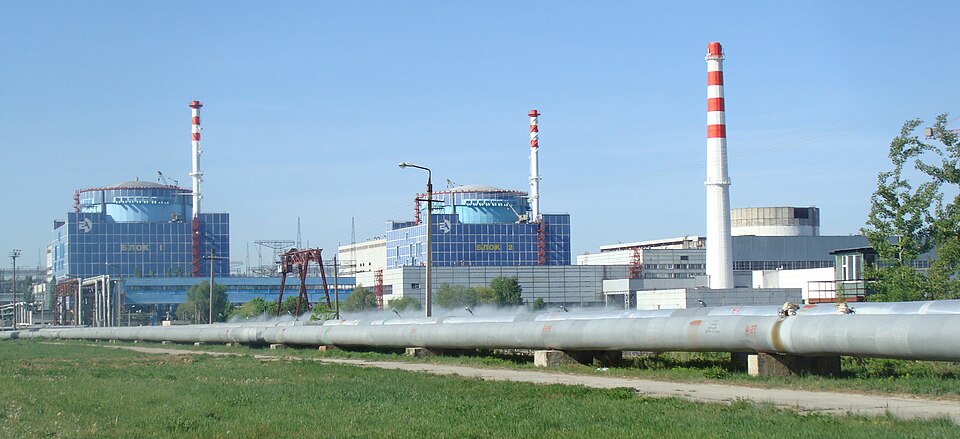
Earlier in November, Russia attacked substations serving the Khmelnytskyi and Rivne nuclear power plants, which Foreign Minister Andrii Sybiha labelled “deliberately endangering nuclear safety in Europe.” Energy Minister Svitlana Hrynchuk said all generating capacity at Tsentrenergo plants in Kyiv and Kharkiv was stopped, leaving “generation at zero.” Zelenskyy urged increased sanctions on Russian energy, warning that winter attacks on heating and power systems are aimed at breaking civilian resilience.
The strikes on Kyiv on November 25 were more than just another episode in a long war; they were a concentrated display of Russia’s evolving strike capacity and disregard for ongoing diplomacy, as well as a willingness to breach NATO airspace. From hypersonic missile spoofing to industrial‑driven launch rhythms, the conflict’s technological and strategic dimensions are sharpening. For Ukraine, survival depends on adapting air defences, sustaining energy resilience, and navigating peace talks under fire while its allies face up to the reality that the war’s front lines are no longer confined to Ukraine’s borders.


