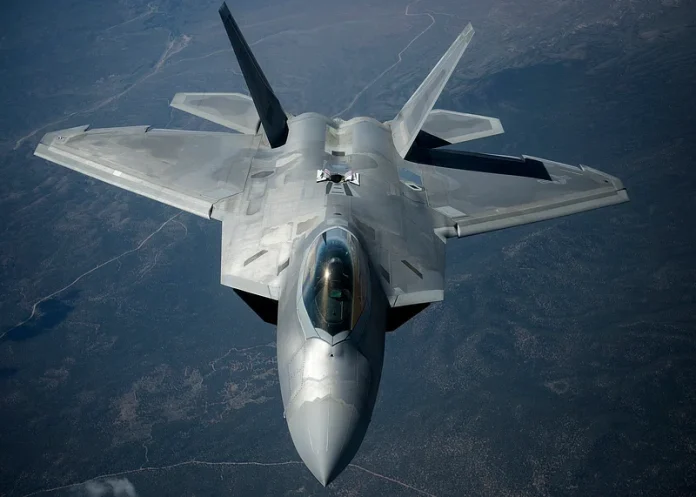
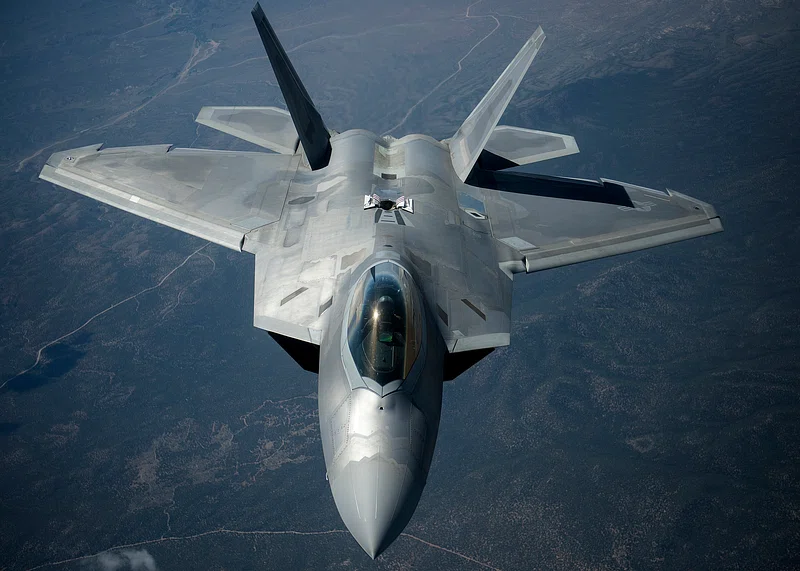
What if America’s most formidable air-superiority fighter had been built in numbers to match its original ambition? The U.S. Air Force had envisioned a fleet of 750 F-22 Raptors back in the early 1990s-enough to replace the F-15C on a near one-for-one basis and station large portions overseas. Budget cuts, shifting strategic priorities, and the post-Cold War peace dividend slashed that plan to fewer than 200 aircraft. The result was a jewel-box fleet unmatched in the skies but scarce, costly, and limited in flexibility.
This is a story about much more than the raw numbers four times as many Raptors would have meant a radically different basing doctrine, sortie generation, and balance between air dominance and multirole capability. Difficult trade‑offs in funding, interoperability, and logistics-especially over the vast Indo‑Pacific distances-would have ensued. Here are nine dimensions of how such a fleet might have changed U.S. air power.
1. Overwhelming Air‑to‑Air Dominance
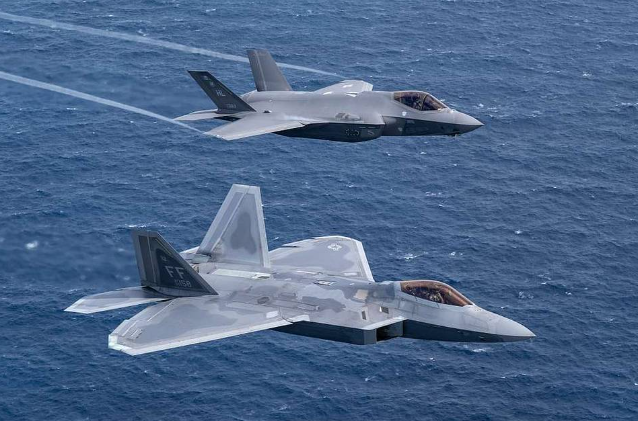
The ability to generate a force of 750 Raptors would have made contested skies far easier to hold. With stealth, supercruise, and unmatched kinematics, the F‑22 is the premier air‑superiority platform quadrupling its numbers would enable sustained forward deployment, absorb attrition, and maintain persistent control over peer adversaries. Follow‑on operations ISR, strike, suppression of enemy air defenses would benefit from that umbrella. More Raptors simply increase the odds of winning any air‑to‑air engagement.
2. The Cost to Multirole Flexibility
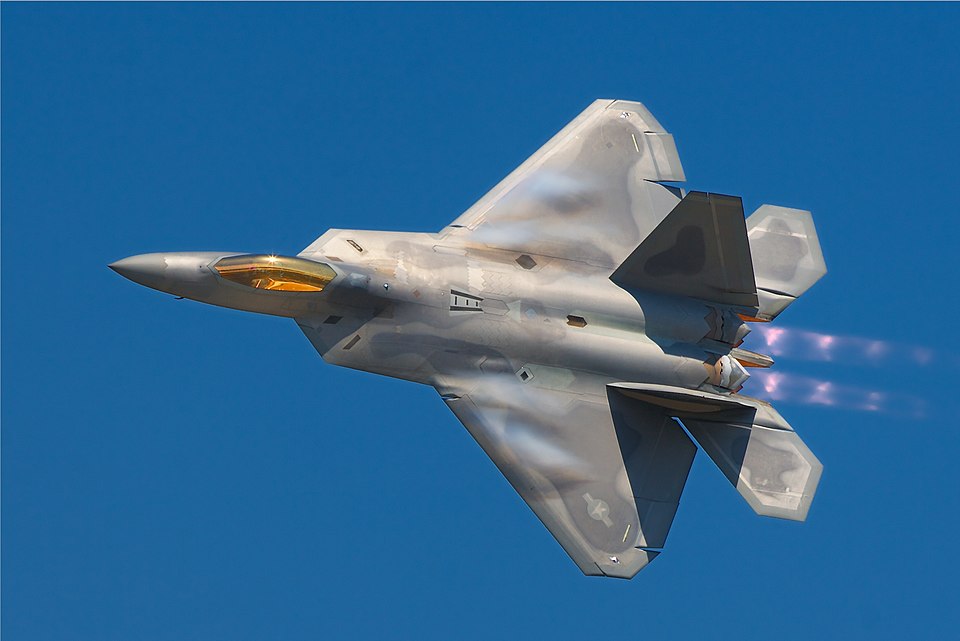
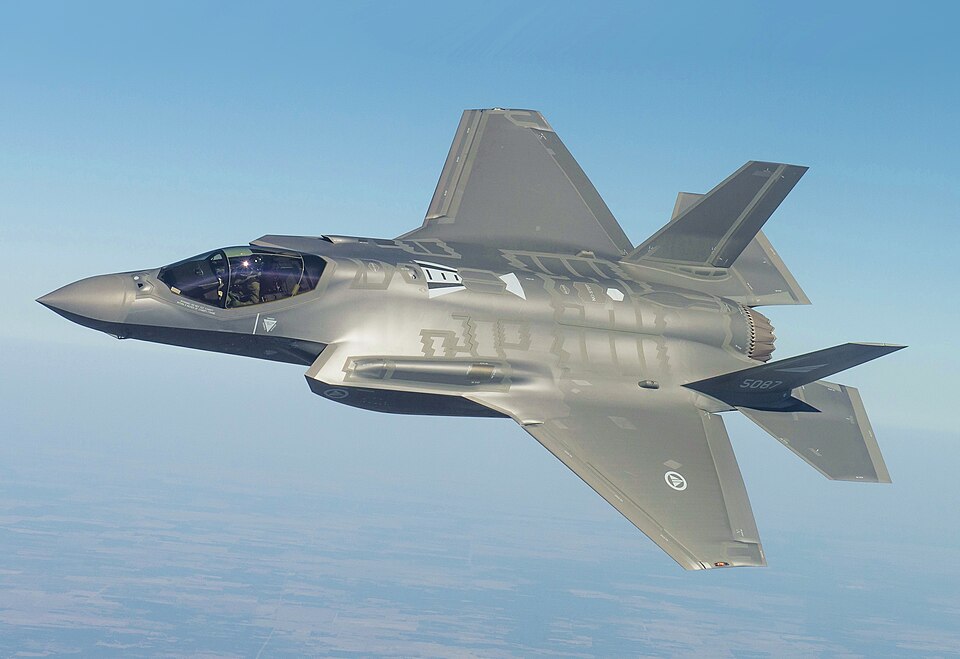
There are costs to such dominance. The F‑22 was never designed for deep networking, electronic warfare, or distributed strike. Systems like the F‑35 act as nodes in a vast sensor web, transmitting information to allies and across domains. A Raptor‑heavy force would be narrower in scope, weakening interoperability and burden‑sharing. Funding the larger fleet may crowd out investments in multirole assets, ISR platforms, and next‑generation teaming concepts like the F‑47 NGAD.
3. Indo‑Pacific Range and Tanker Strain
The F‑22 combat radius of about 460 nautical miles pales into insignificance compared with the vast Indo‑Pacific distances. Every sortie burns more fuel than an F‑35, and supercruise magnifies tanker dependence. A large fleet of Raptors would be tightly tethered to aerial refueling, stretching the capacity of the KC‑46 and KC‑135 fleets and exposing tankers to greater risk. In a China contingency, that logistical strain could prove a strategic vulnerability.
4. Shifting Doctrinal Foundations
Initial plans for hundreds of Raptors featured large wings at multiple bases, including overseas. With fewer than 200 jets, the Air Force consolidated into smaller units constraining sortie generation. A 750‑jet fleet would favor high‑capacity wings focused on persistent air control and would represent a contrast with today’s more dispersed F‑35 basing. Larger squadrons tend to yield better availability rates, maintenance efficiencies, and sortie output compared with thinly spread units in service today.
5. Availability and Maintenance Realities
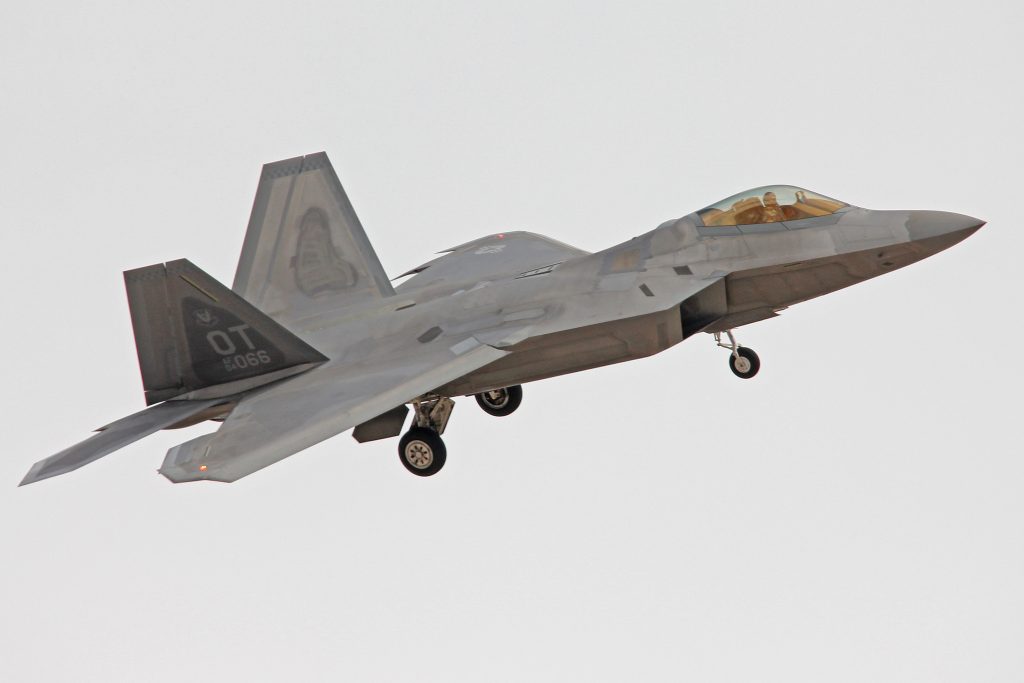
Even with more aircraft, F‑22 availability rates have lagged, reaching just 50.81 percent in FY2021, well behind that of fourth‑generation fighters. Low‑observable coatings, supply‑chain gaps, and small unit sizes all constrain readiness. While some of these issues could be mitigated with larger squadrons, without climate‑controlled hangars and robust spares, the fleet’s combat‑coded strength would remain short of paper totals.
6. Training Burden & Pilot Readiness
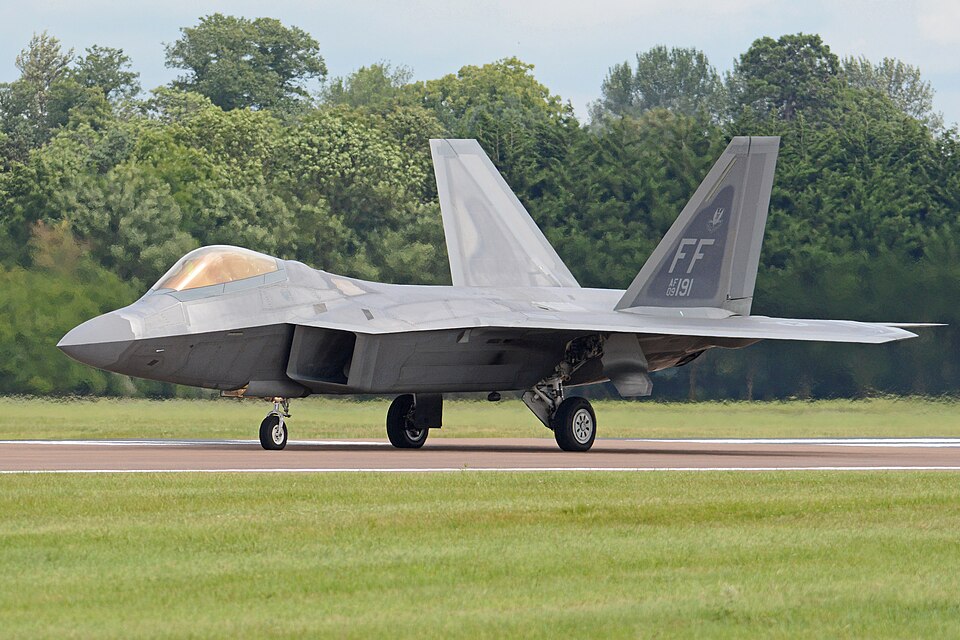
The Government Accountability Office has warned that limited aircraft availability reduces high‑end training opportunities. F‑22 pilots need far more adversary‑air sorties than their fourth‑generation equivalents, but shortages force the F‑22s to fly low‑value missions or serve as simulated adversaries. A larger fleet would ease some of the training squeeze, provided management prioritizes air‑superiority skillsets over deployments that don’t exploit the Raptor’s unique strengths.
7. The FB‑22 Strike Variant That Never Was
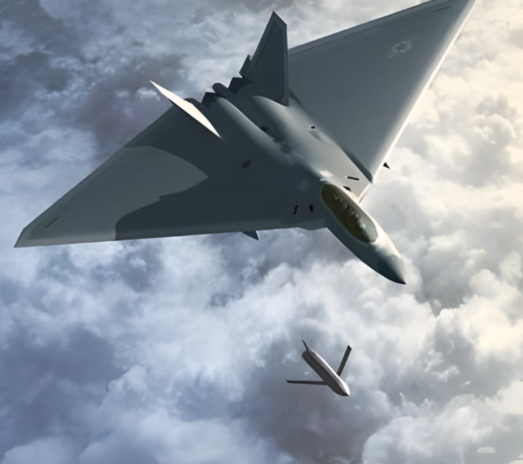
Two decades ago, Lockheed Martin proposed the FB‑22 a long‑range stealthy strike derivative with larger wings, more fuel, and a deeper internal weapons bay. The FB‑22 promised “day‑one” penetration and massed precision effects without relying on scarce bombers. Budget priorities and risk aversion killed the concept, but in a 750‑Raptor world, a strike-optimized subset might have added range, magazine depth, and versatility, especially in the Indo‑Pacific.
8. Export Ban and Allied Capability Gap:
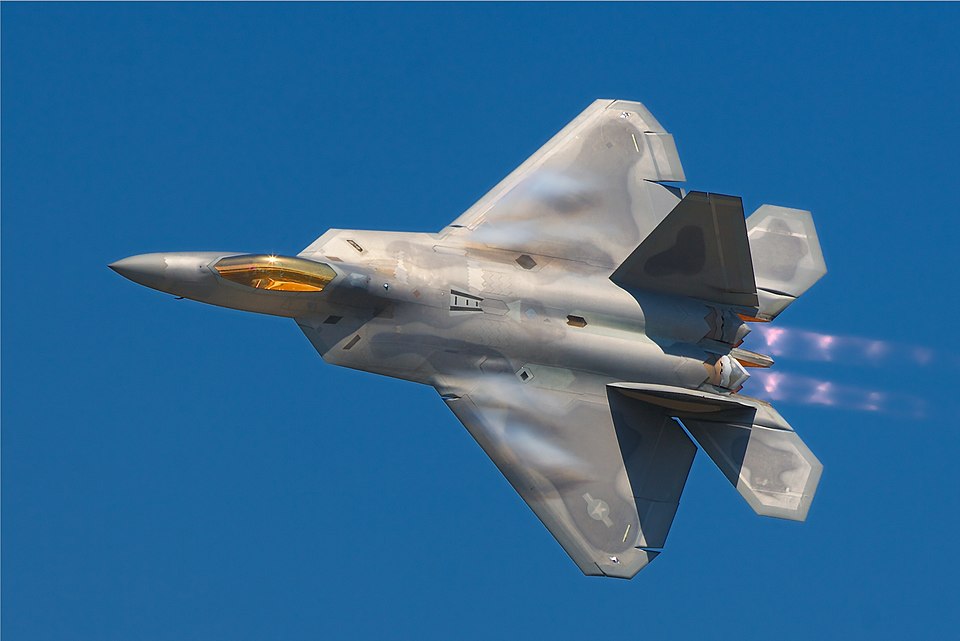
The 1998 Obey Amendment banned exports of the F‑22, even to close allies. Without that, Japan, Australia, and South Korea might be flying Raptors today, reinforcing coalition air dominance. Instead, those allies are taking the F‑35, which exchanges some of its aerodynamic performance for multirole versatility. The capability gap with adversaries might well have narrowed significantly if a larger U.S. fleet had kept the production lines open long enough to allow allied purchases.
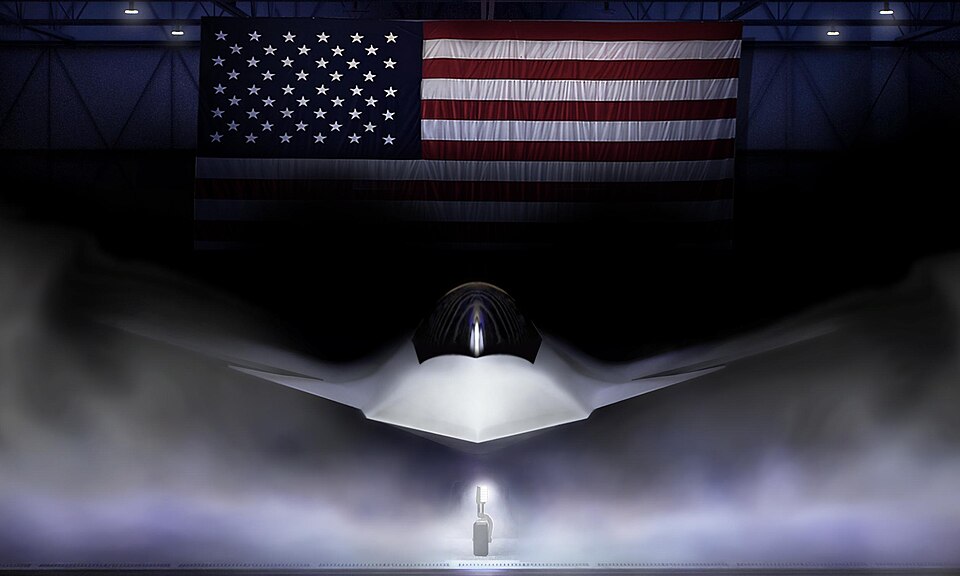
9. NGAD and the F‑47’s Different Path:
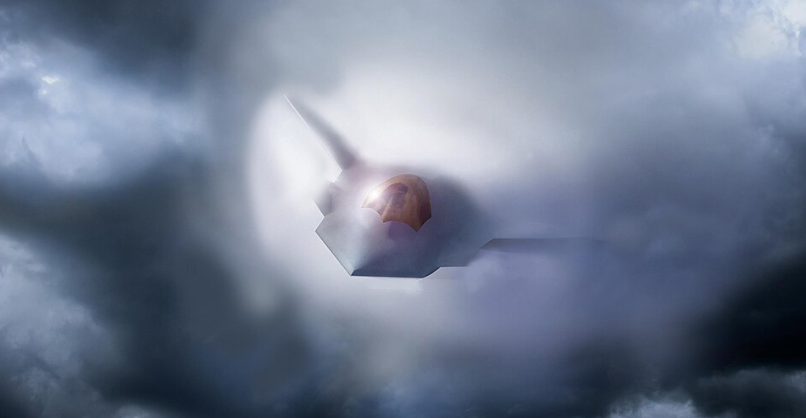
Truncation of the F‑22 freed resources for the Joint Strike Fighter and, over time, NGAD. The future F‑47 will marry deep‑penetration stealth, long range, and manned‑unmanned teaming. If 750 Raptors were entering service, NGAD’s demands might have looked very different–less need for pure air superiority, more emphasis on networking and flexibility. Without that Raptor force, NGAD’s air‑superiority mission has remained front and center. A fleet of 750 Raptors would have been a blunt instrument of air dominance–decisive in the skies but less adaptable across the spectrum of modern warfare.
The real lesson from this virtual history is not that numbers do not matter but that numbers alone do not define combat power. Balance among specialized superiority fighters, multirole platforms, and next‑generation systems shapes a force’s resilience and reach. By choosing fewer Raptors, the Air Force traded some dominance for versatility, a compromise that frames U.S. air‑power debates to this day.


