
It was once said that “history doesn’t repeat itself, but it often rhymes.” For those tracking the artificial intelligence build‑out, the rhyme is starting to sound uncomfortably familiar. The capital pouring into AI infrastructure today echoes the dot‑com era’s feverish fiber‑optic expansion-only this time, the numbers are exponentially larger, the financing more convoluted, and the technological stakes far higher.
1. Spending on an Unprecedented Scale
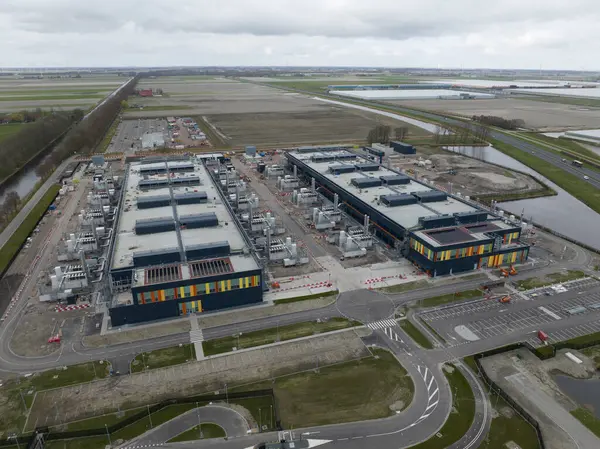
OpenAI, Microsoft, Meta, Amazon, Google, and other hyperscalers are collectively on pace to invest approximately $400 billion in AI infrastructure this year alone, with estimates from Morgan Stanley at $3 trillion through 2028. OpenAI’s own roadmap calls for $1.4 trillion of data center investment over eight years, with a bet on revenue growth from $20 billion annually to levels that would justify such capacity. Yet, research shows only 3% of consumers pay for AI services, and most enterprises have yet to see measurable bottom‑line impact from chatbots or generative models.
2. Circular Financing and “Round‑Tripping” Capital
Sam Altman has been candid on the subject: “What really drives a lot of progress is when people also figure out how to innovate on the financial model.” That innovation increasingly takes the form of circular deals. Microsoft’s $13 billion in funding to OpenAI largely flowed back to Microsoft in cloud service payments. Nvidia’s $100 billion commitment to OpenAI will be spent on Nvidia GPUs, subsidizing its own sales. CoreWeave’s multi‑billion‑dollar contracts with OpenAI involve payments partly in CoreWeave stock, which OpenAI can then use to pay CoreWeave. These arrangements blur the line between genuine market demand and artificially inflated consumption.
3. Special Purpose Vehicles: Debt Off the Balance Sheet
Hyperscalers are relying on SPVs to avoid loading corporate balance sheets with debt. Meta’s $30 billion Hyperion data center in Louisiana is financed via an SPV majority‑owned by Blue Owl Capital, with Meta holding 20% of it. The SPV carries the debt, which is secured by Meta’s lease payments, while the loan – $27 billion in this case – never shows up on Meta’s books. To analyst Gil Luria, SPVs call to mind the off‑balance‑sheet structures of the Enron era, now openly deployed in AI infrastructure.
4. Expanding Role of Private Credit
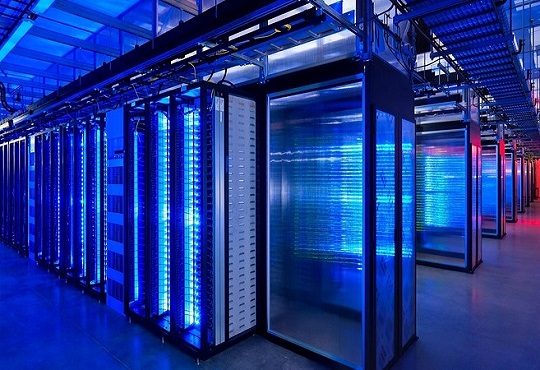
The AI build‑out is heavily financed through private credit-a largely unregulated sector whose assets under management reached $1.6 trillion earlier this year. Funds like Blue Owl have hundreds of billions deployed, often into AI data centers. These debt instruments are rated by specialized agencies under assumptions of bulletproof tenant payments. Yet Blue Owl recently blocked investor redemptions, triggering automatic 20% losses-an unsettling move in a supposedly safe asset class.
5. Supply Chain Constraints and Rapid Depreciation
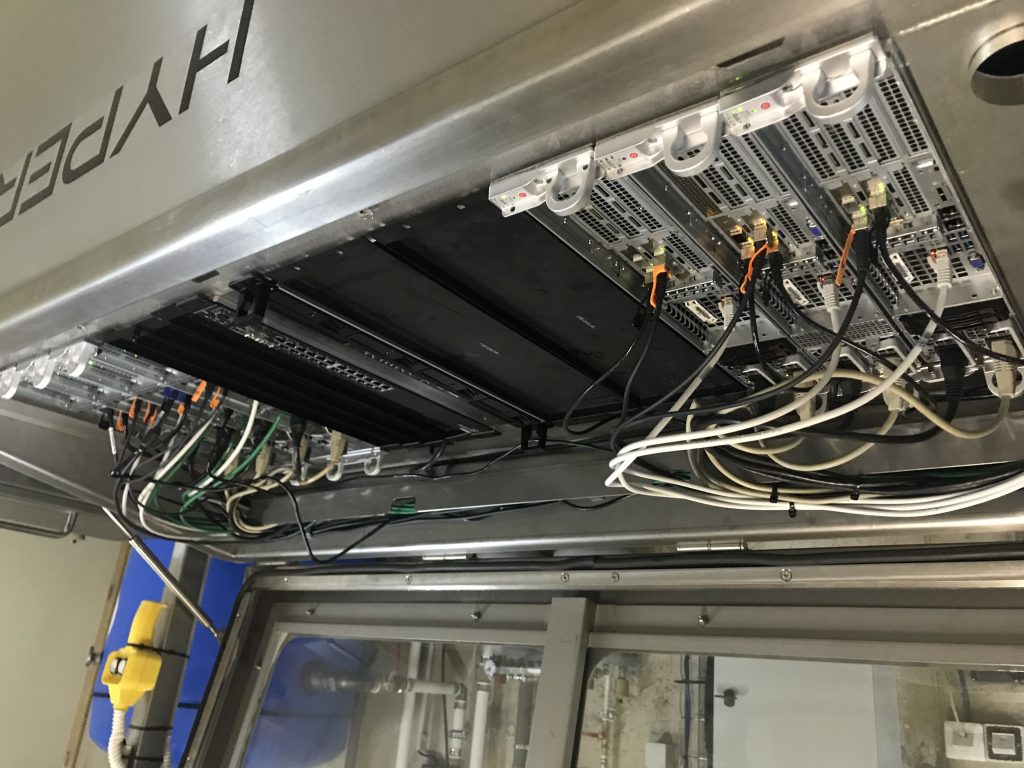
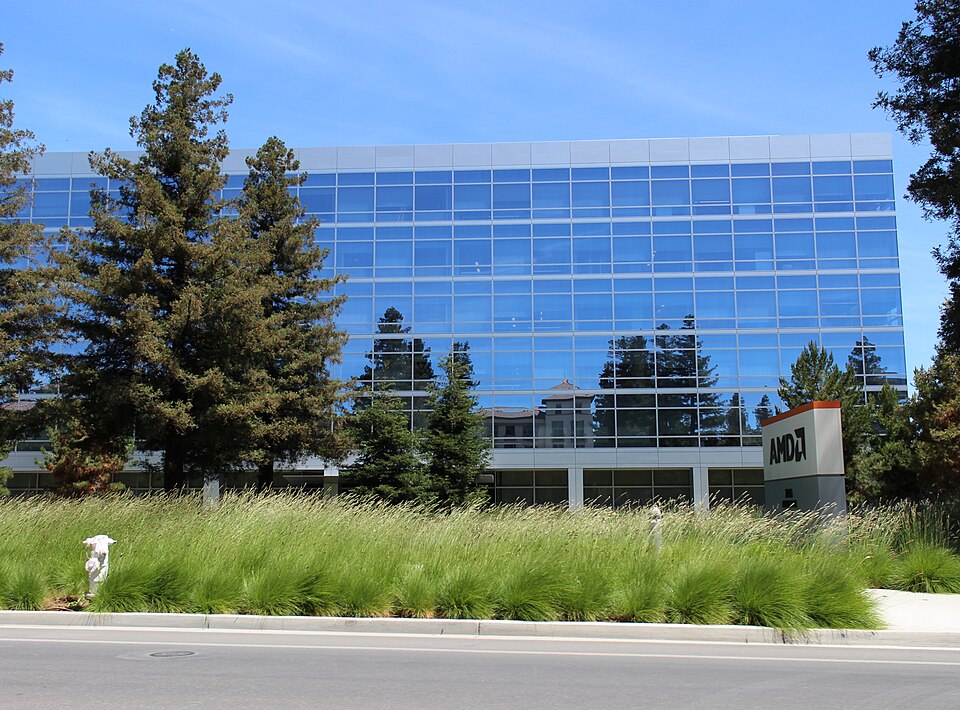
The supply chain for AI accelerator chips is stressed to its limits. Operational lifespans for large language model training GPUs could be below two years for firms under heavy loads, yet firms are extending the depreciation schedules in order to improve reported earnings. That mismatch means that ongoing replacement costs are understated and loans backed by rapidly aging hardware could sour in a hurry. Nvidia and AMD have hedged their exposure by retaining options to reduce funding if AI market growth slows.
6. Energy Demand and Grid Impact
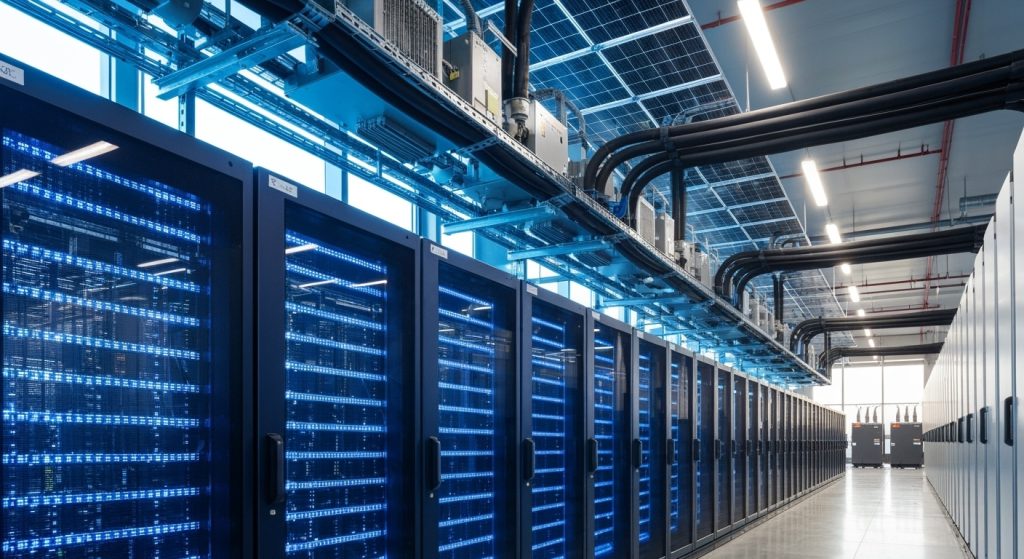
Hyperscale AI data centers are expected to consume gigawatt‑scale power per site. Oracle’s $300 billion data center program for OpenAI spans Texas, New Mexico, Michigan and Wisconsin, each location demanding dedicated energy infrastructure. Such concentrated loads risk straining regional grids, forcing utilities into costly upgrades that may become stranded assets if AI demand plateaus.
7. Valuation Patterns Echoing Past Bubbles
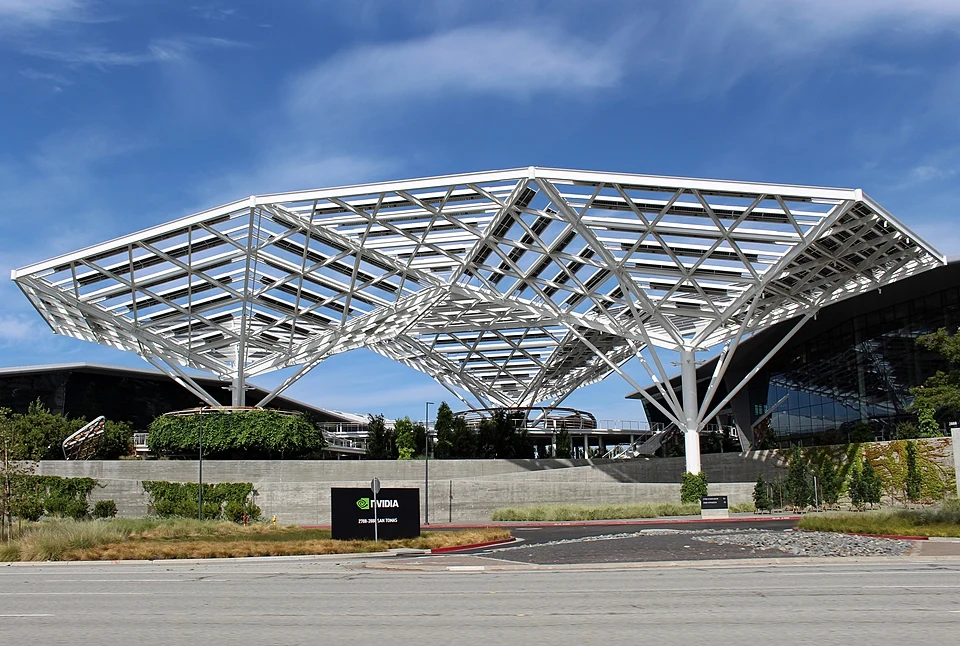
Nvidia’s market capitalization has tripled in two years to rival the GDP of whole continents, on a trajectory that seems eerily reminiscent of the late‑1990s internet boom, in which infrastructure spending ran well ahead of sustainable demand. Analysts say that if AI revenue growth merely stabilizes, the overbuilt capacity will leave much of the debt worthless, in a repeat of the fiber‑optic glut that helped trigger the dot‑com crash.

8. Global Concentration and Uneven Development
The AI market, according to UNCTAD projections, might reach $4.8 trillion by 2033, quadrupling its share in frontier technologies. Yet, 100 companies, mainly in the US and China, dominate 40% of global R&D. This concentration increases systemic risk: should a few players go down, the web of AI infrastructure across the globe could collapse.

9. Investor Sentiment Turning Cautious
High-profile investors are raising alarm. Peter Thiel dumped his stake in Nvidia that had been worth $100 million, SoftBank offloaded almost $6 billion, and Michael Burry is shorting Nvidia calling AI demand “ridiculously small” and driven by dealer-funded customers. Even Google’s Sundar Pichai acknowledges “there are elements of irrationality” in the market.
The technological marvel of the AI build-out is enriched with the hallmarks of speculative excess in its financing architecture: layered with private credit, SPVs, and circular capital flows. The engineering challenge of deploying trillions in chips, data centers, and energy infrastructure is matched only by the financial engineering keeping the boom alive.


