
On July 1, 2025, the ATLAS telescope in Chile flagged a faint, fast-moving blur, and astronomers knew they were seeing something incredibly rare: the third confirmed interstellar object ever detected, 3I/ATLAS. Within weeks, a cascade of observations from ground and space telescopes revealed an object on a hyperbolic escape trajectory traveling at roughly 60 km/s relative to the Sun and with a perihelion just inside Mars orbit. But as the data poured in, so did the anomalies-thirteen cataloged by Harvard astrophysicist Avi Loeb-culminating in a claim that the object’s non-gravitational acceleration had fine-tuned its course to skim the edge of Jupiter’s Hill sphere in March 2026.
1. A Dusty, CO₂‑Rich Coma
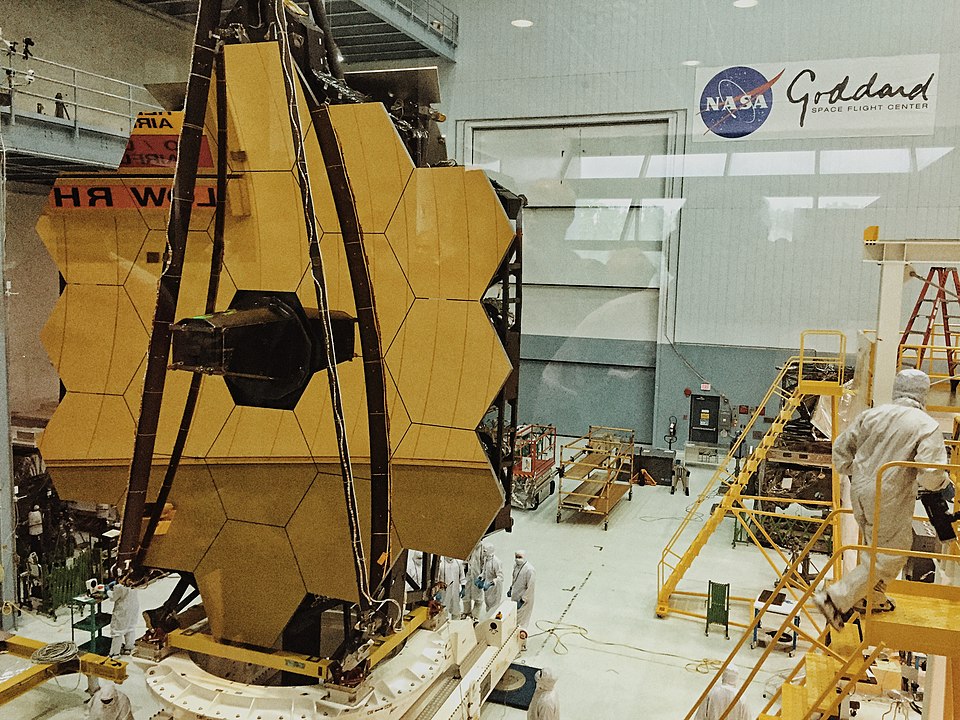
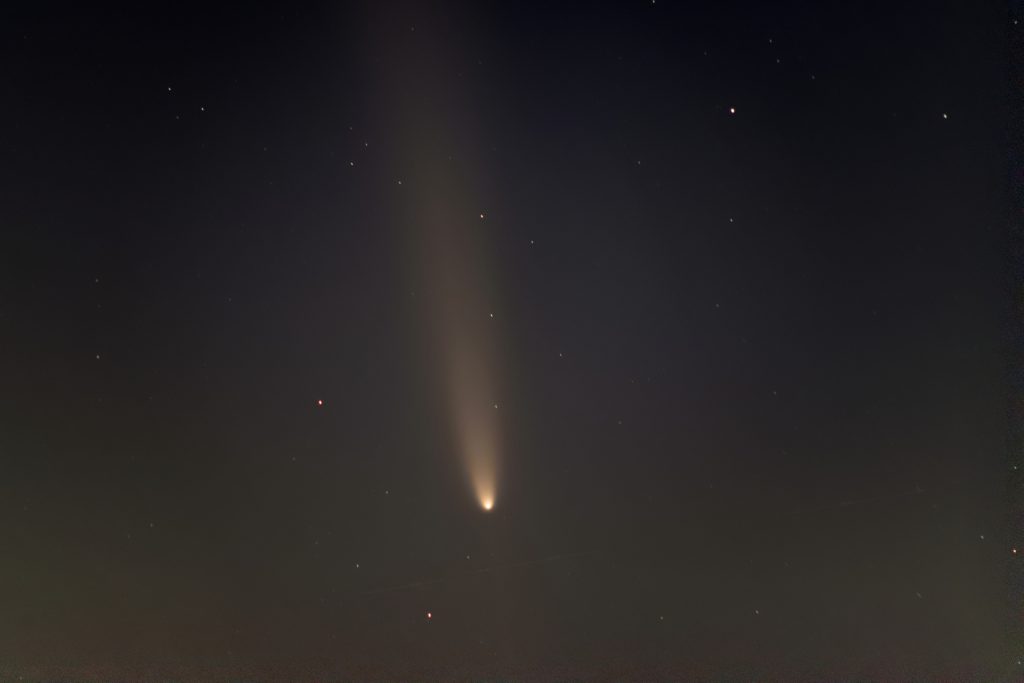
Hubble images from July 21 showed a teardrop‑shaped dust cocoon enveloping a nucleus possibly as large as 5.6 km. The James Webb Space Telescope’s NIRSpec instrument, observing on August 6, detected a coma with only 4% water by mass but nearly eight times more CO₂ than H₂O a ratio unprecedented among Solar System comets. “I have never seen such a strong CO₂ peak in a comet spectrum,” says Martin Cordiner of NASA Goddard. This composition hints at formation in a frigid outer disk of another star system, or at long term cosmic ray processing in interstellar space.
2. Jets, Anti‑Tails, and Non‑Gravitational Forces
In November, high resolution images showed needle-straight jets and a sunward-pointing anti tail. Loeb noted that the measured non-gravitational acceleration of 5 × 10⁻⁷ AU/day² near perihelion, while the comet was hidden from Earth behind the Sun, had changed its post-perihelion trajectory just enough to cross Jupiter’s Hill radius of 53.5 million km. The precision of this agreement, to within 0.06 million km, is statistically remarkable, roughly one in 26,000.
3. Hill Sphere & Capture Dynamics of Jupiter
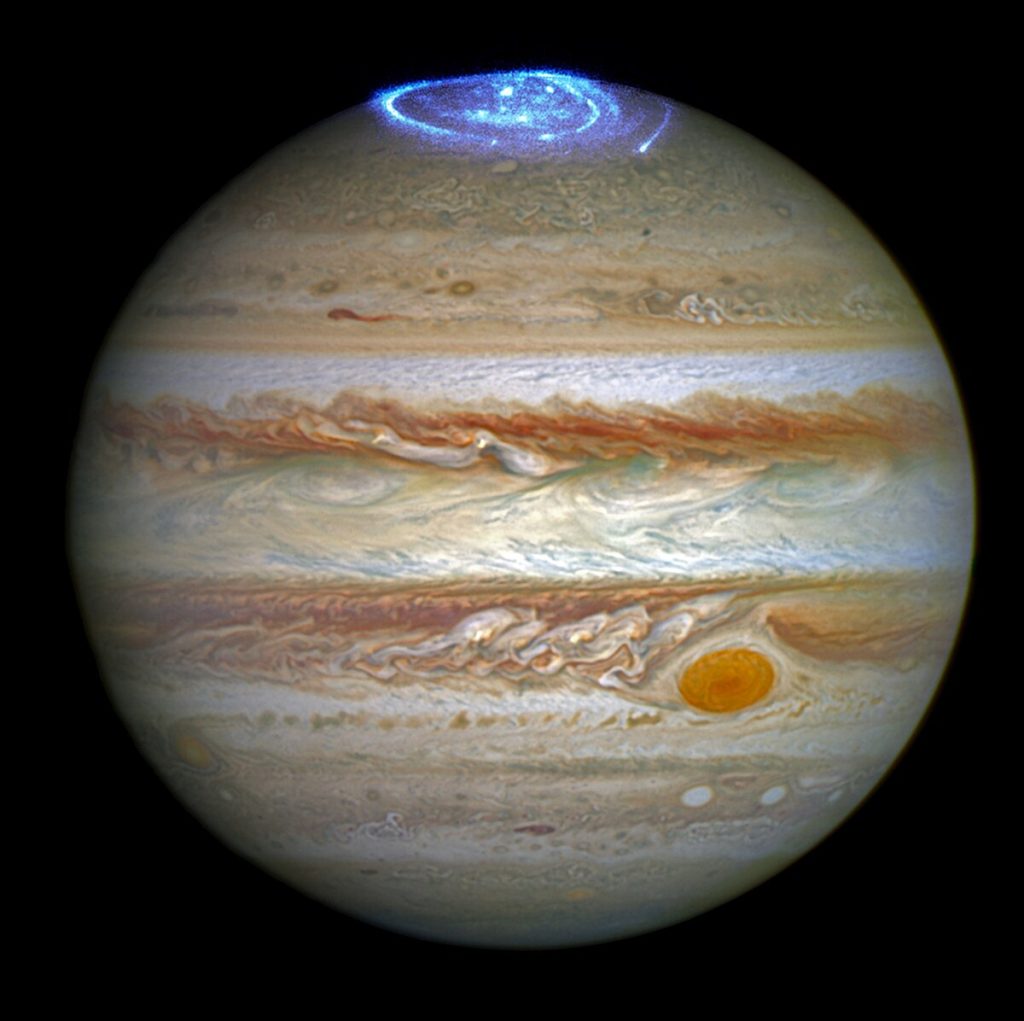
The Hill sphere marks the region within which the gravity of Jupiter dominantly overshadows that of the Sun. At its boundary, the escape velocity is as low as 2.2 km/s and thus it would be an ideal place for long‑lived satellites, natural or artificial. Loeb speculates that if 3I/ATLAS is technological, it may deploy probes here; any such devices may be detectable by Juno or future Jovian missions.
4. The Oberth Maneuver Hypothesis
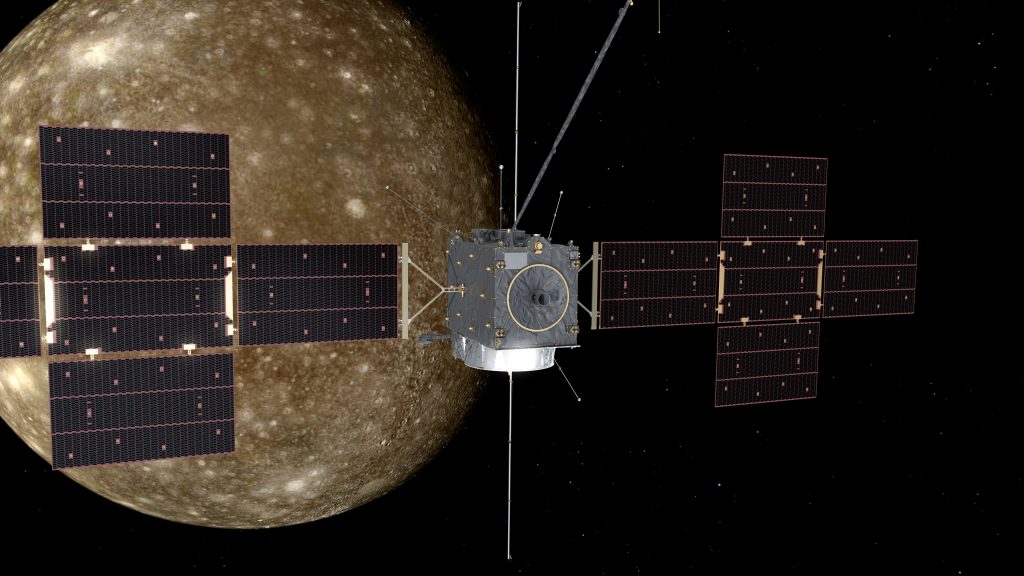
Loeb and co-authors modelled, in a paper at Harvard from July 2025, a “Jupiter Oberth manoeuvre” scenario: a high-thrust burn near perihelion, leveraging the Sun’s gravity to change velocity efficiently, followed by a Jupiter flyby inserting into Jovian orbit with ΔV of ~5 km/s. This is a standard interplanetary navigation principle: thrusting at maximum orbital speed maximizes the kinetic energy change and thus could be used by advanced probes to minimize fuel use.
5. Natural Explanations and Comet Physics
The response of planetary scientists is that CO₂-driven outgassing, asymmetric jets, and apparent course corrections all are consistent with the physics of comets. Long lasting nongravitational forces can be generated by outgassing, and the anti tails are an effect of dust particle dynamics under the action of solar radiation pressure. In the words of one critic, “Comets are like cats. They have tails, and they do exactly what they please.” The unusual gas ratios and polarization values claimed detected are intriguing but within the wide range of behaviors exhibited by comets.
6. Comparative Context: 1I/’Oumuamua and 2I/Borisov
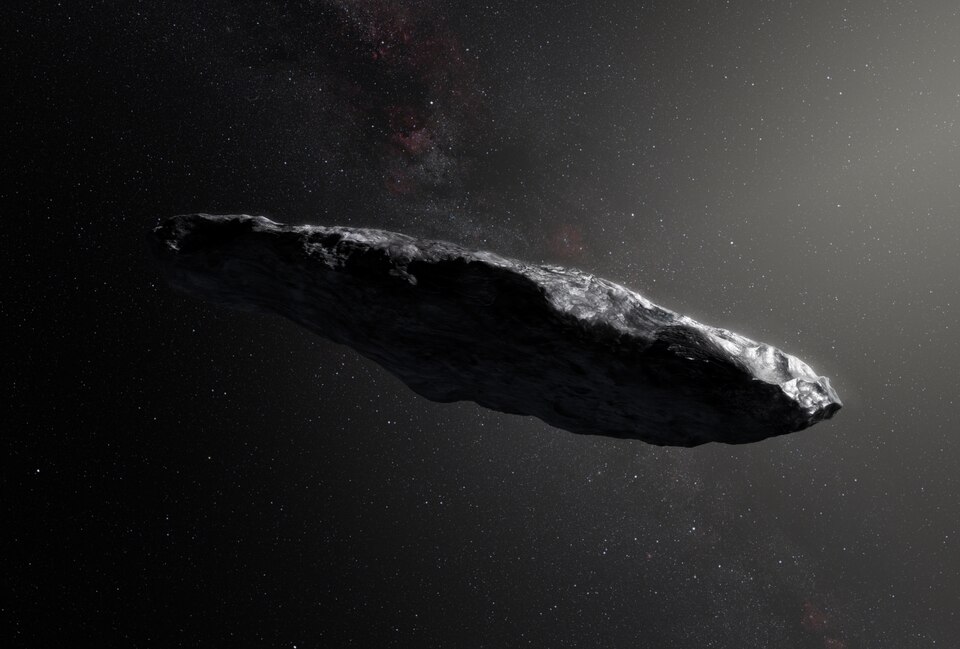
Where ʻOumuamua, discovered in 2017, never developed a coma and demonstrated unexplained acceleration, encouraging early “light sail” hypotheses. In contrast, 2I/Borisov in 2019 was a textbook comet. 3I/ATLAS seems intermediate: dust rich and gas poor at large distances but highly active near perihelion. This diversity underlines the fact that ISOs likely sample a wide range of planetary system chemistries and histories.
7. Detection Technology and the Rubin Observatory
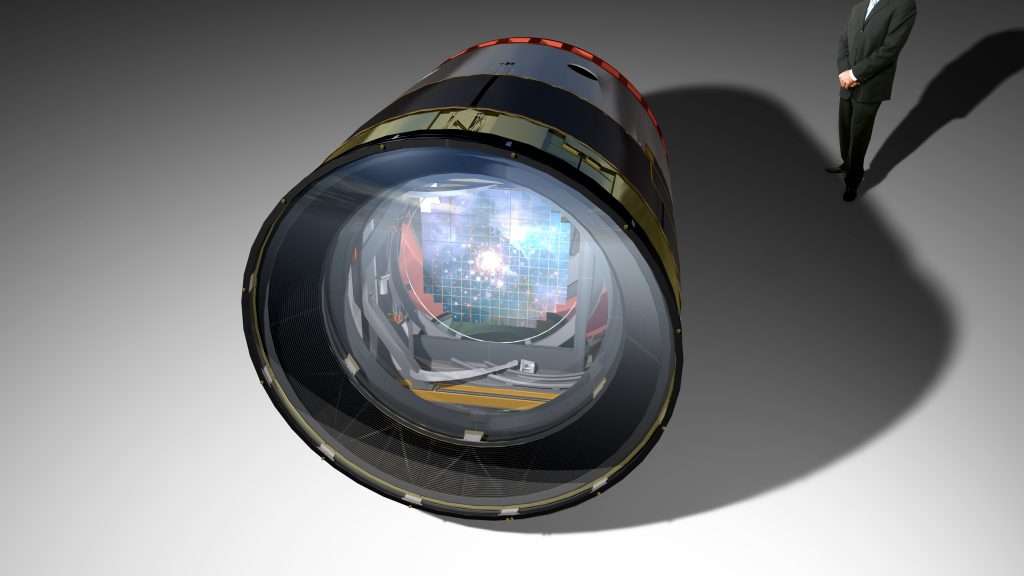
Discovery so far has depended first on ATLAS, and more recently on the Zwicky Transient Facility, but the Vera C. Rubin Observatory will completely change the landscape for the detection of ISOs: its 3.2‑gigapixel LSST camera will survey the southern sky every few nights, enabling the discovery of faint fast movers like 3I/ATLAS routinely perhaps 1-2 per year, or more in optimistic models. In this way, studies of ISOs will move from being studies of rare events into statistical population science.

8. The Juno Intercept Proposal
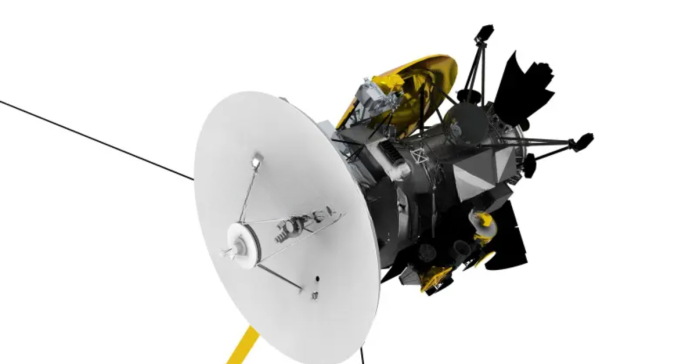
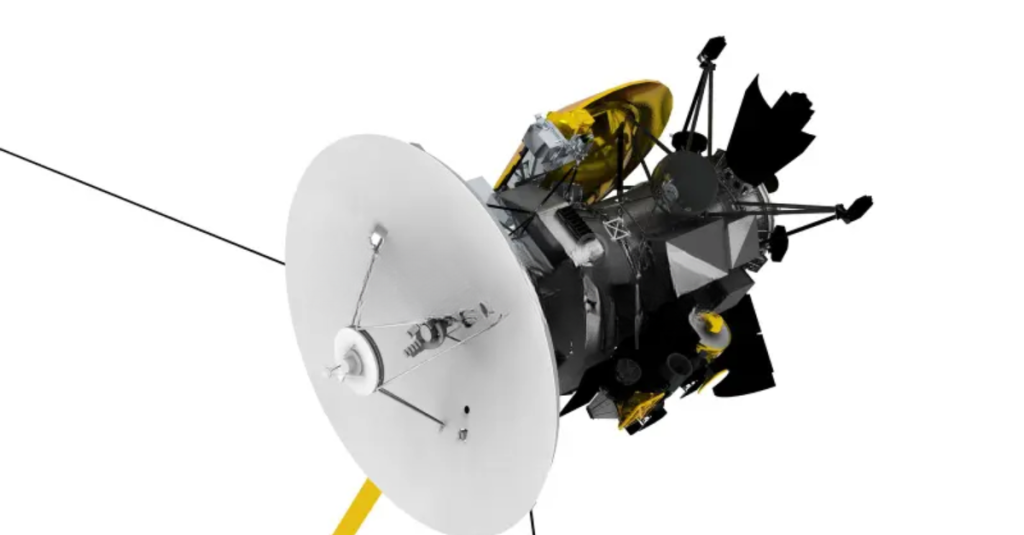
Loeb et al. pursued the possibility of re-purposing NASA’s Juno spacecraft to intercept 3I/ATLAS on its March 2026 Jupiter approach. With a 2.6755 km/s ΔV in September 2025, Juno would close to ~27 million km of the object, within range to directly probe composition, jet morphology, and dust properties data unavailable from Earth using instruments such as its magnetometer, microwave radiometer, and UV spectrograph.
9. Engineering the Debate
From an engineering viewpoint, the “artificial probe” hypothesis does depend on whether the observed accelerations require propulsion beyond sublimation physics. Calculations indicate that a reflective sail with areal density < 7.8 g/m² could, in principle, match the acceleration values measured achievable with human made materials. However, no direct evidence of sail like structure exists, and the mass, size, and dust environment are consistent with a natural nucleus.
10. Implications for Planetary Defense and SETI If 3I/ATLAS were artificial, it would represent a very rare example of interstellar navigation to a given planetary system and an extremely valuable data point in the search for extraterrestrial intelligence. Even as a natural body, its study refines models for nongravitational forces, volatile composition, and ISO frequency that inform both planetary defense and mission design of rapid response interceptors. The next several months will be telling. As 3I/ATLAS arcs toward its March 2026 Jupiter encounter, telescopes and perhaps spacecraft will track its behavior. Whether it proves to be a comet with quirks or a craft with a mission, it’s already reshaping how scientists think about interstellar visitors and the engineering needed to meet them.


