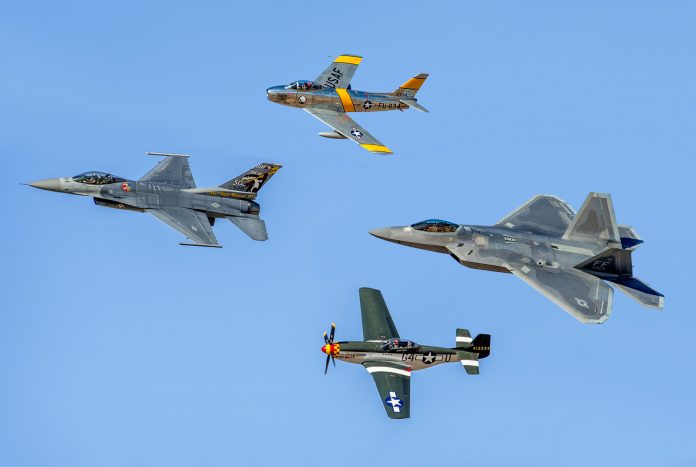
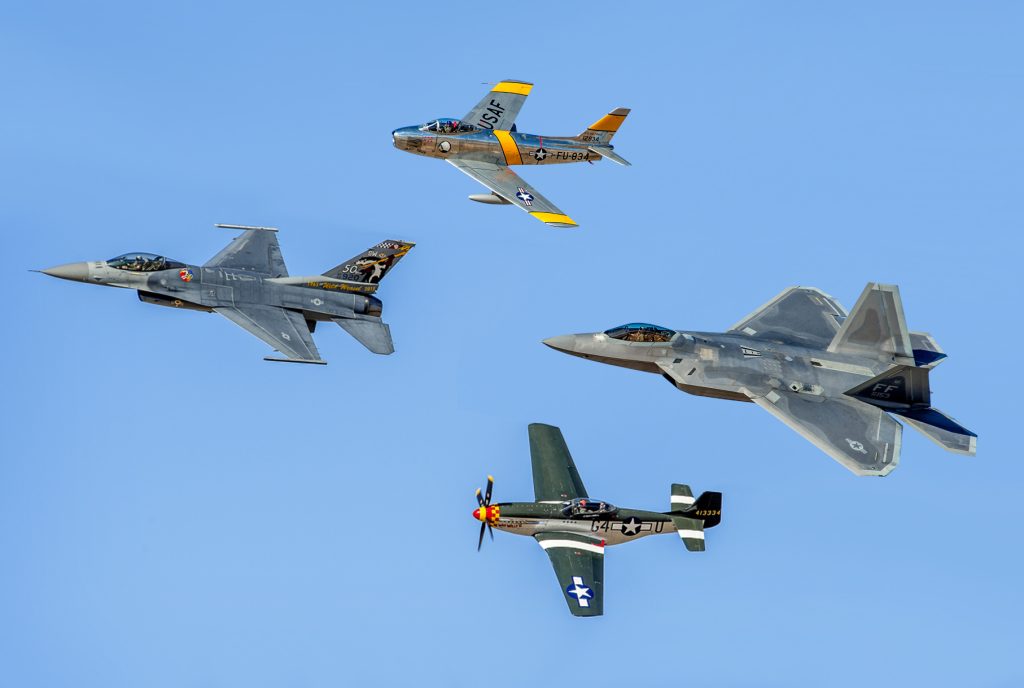
What’s faster than a speeding bullet? In the world of fighter jets, that is not a rhetorical question, but one of engineering pride and battlefield advantage. As stealth and sensors have become the preeminent design philosophy in modern times, raw speed nonetheless commands respect among the military aviation cognoscenti. The Cold War may have birthed many of these speed demons, but their legacies and capabilities continue to impress even in 2025.
From the variable sweep wings to the supercruise engines, these machines epitomize decades of both aerodynamic innovation and tactical thinking. The following list describes the fastest operational fighters of today, blending historic icons with modernized platforms, along with engineering secrets behind their blistering velocities.
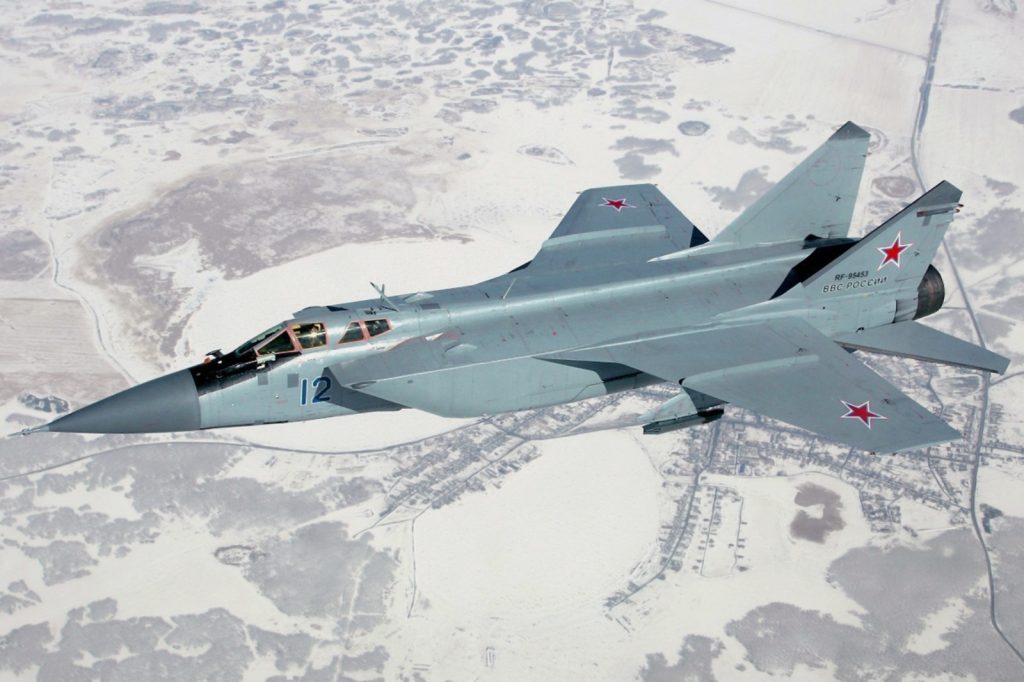
1. MiG‑31 Foxhound – Mach 2.83
The MiG‑31 Foxhound remains the principal Russian high‑speed interceptor, a direct descendant from the MiG‑25 with improved low‑altitude handling and avionics. Designed in the 1970s, it introduced the world’s first phased array radar, which allowed simultaneous tracking of multiple targets.
Its twin D‑30F6 engines propel it to Mach 2.83, though Russian officials say the speed is normally operationally limited to Mach 1.5 because of limitations in cockpit glass. Nevertheless, modernized variants retain long range interception capability, adding ground targeting capability as well, making the Foxhound a rare blend of speed and versatility.
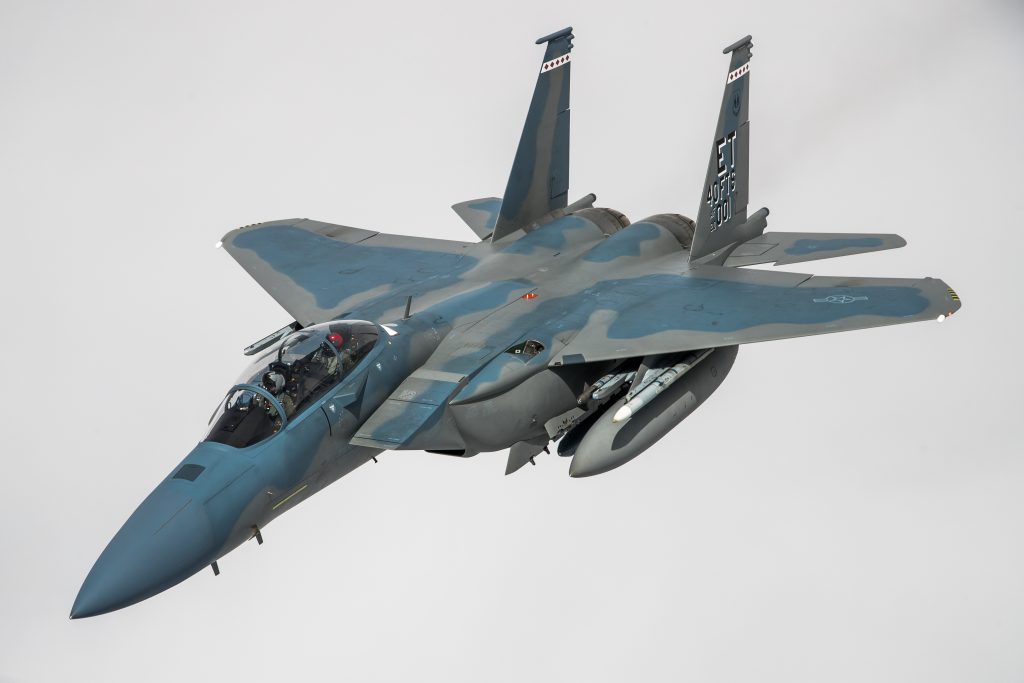
2. F‑15EX Eagle II – Mach 2.5
Boeing’s latest iteration of the F‑15 platform is a marriage between brute force and modern systems. Powered by twin GE F110‑GE‑229s churning out 29,500 pounds of thrust apiece, the Eagle II can hit Mach 2.5 in combat configuration and nearly Mach 2.9 in a clean setup.
With a payload capacity of up to 22 air‑to‑air missiles, an advanced EPAWSS electronic warfare suite, and a 20,000‑hour service life airframe, it provides a cost‑effective complement to the stealth fighters. Former USAF test pilot Rob Novotny remarked, “It’s fast… with the two big GE‑229 engines, it’s putting out 29,500 pounds of thrust per side,” highlighting its raw acceleration.
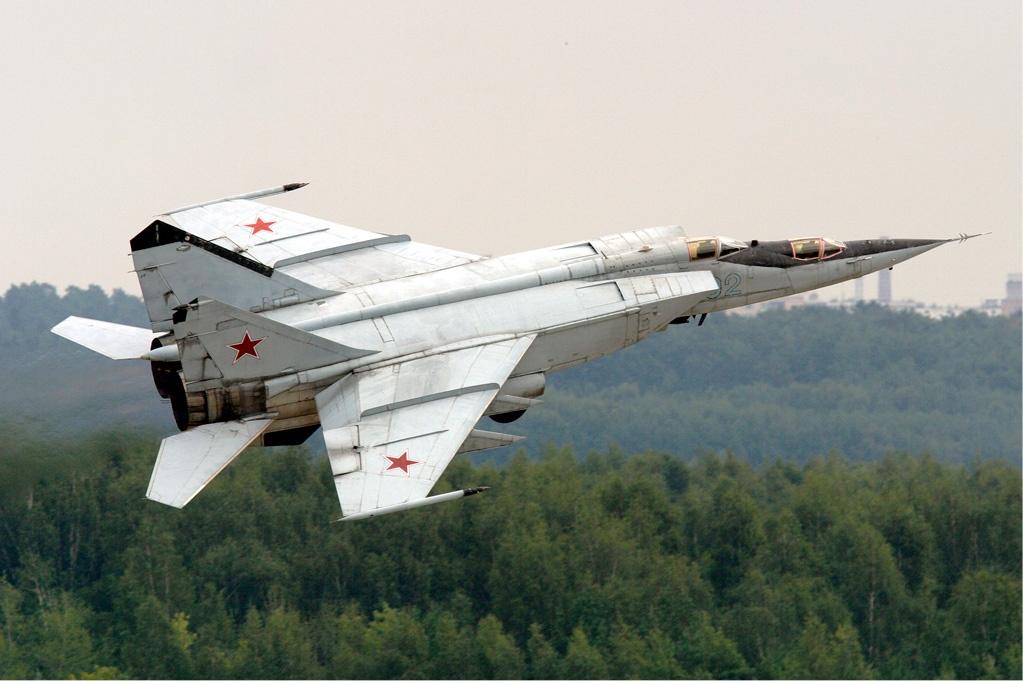
3. MiG‑25 Foxbat – Mach 2.83
The MiG‑25 was a response to high‑altitude threats like the XB‑70 Valkyrie and the SR‑71 Blackbird. Its Tumansky R‑15 turbojets pump out more than 33,000 pounds of thrust, providing its Mach 2.8 cruise without damage.
With a service ceiling at 67,000 ft and radar that could detect targets out to 75 miles, it was the stuff of nightmares for Cold War Western planners. It sacrificed agility for its speed, while the very limited range of about 186 miles in combat restricted flexibility in its operational use. Nevertheless, it remains one of the fastest fighters ever fielded.
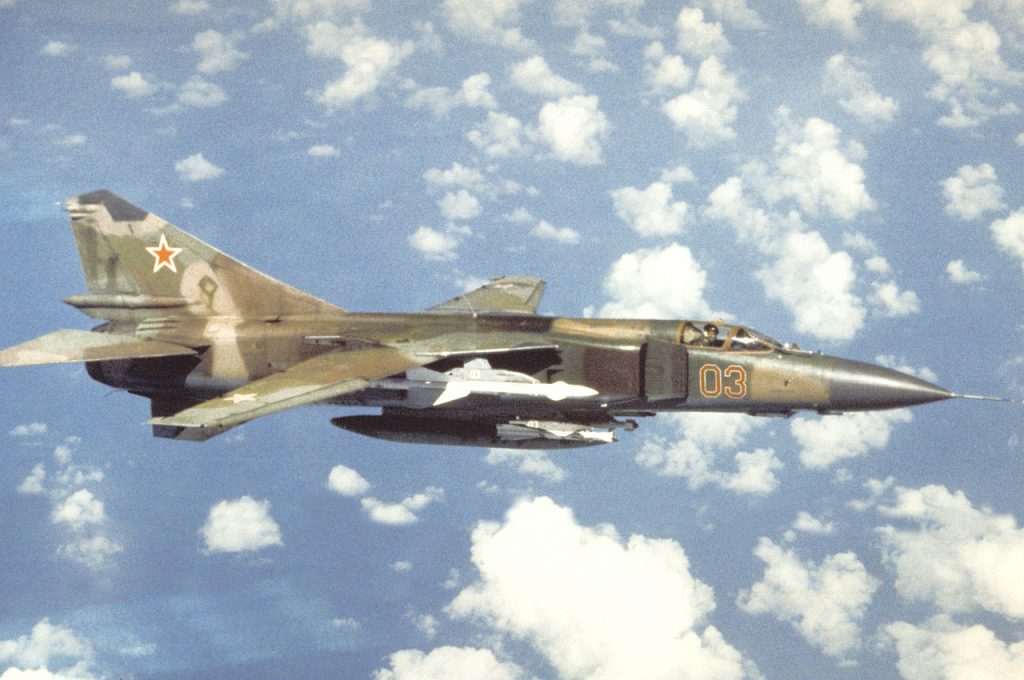
4. MiG‑23 Flogger – Mach 2.35
The MiG‑23 introduced the concept of variable‑sweep wings to Soviet fighter design, which allowed optimization for both takeoff and high‑speed flight. Powered by a Tumansky R‑29‑300 turbojet rated at ~27,500 pounds of thrust, it reached Mach 2.35 at altitude.
Its look-down/shoot-down radar and beyond visual range missile capability marked a leap in Soviet air combat technology. More than 5,000 units were built, serving globally. While notorious for poor low-altitude handling, it excelled as a bomber interceptor-a role that defined its operational history.
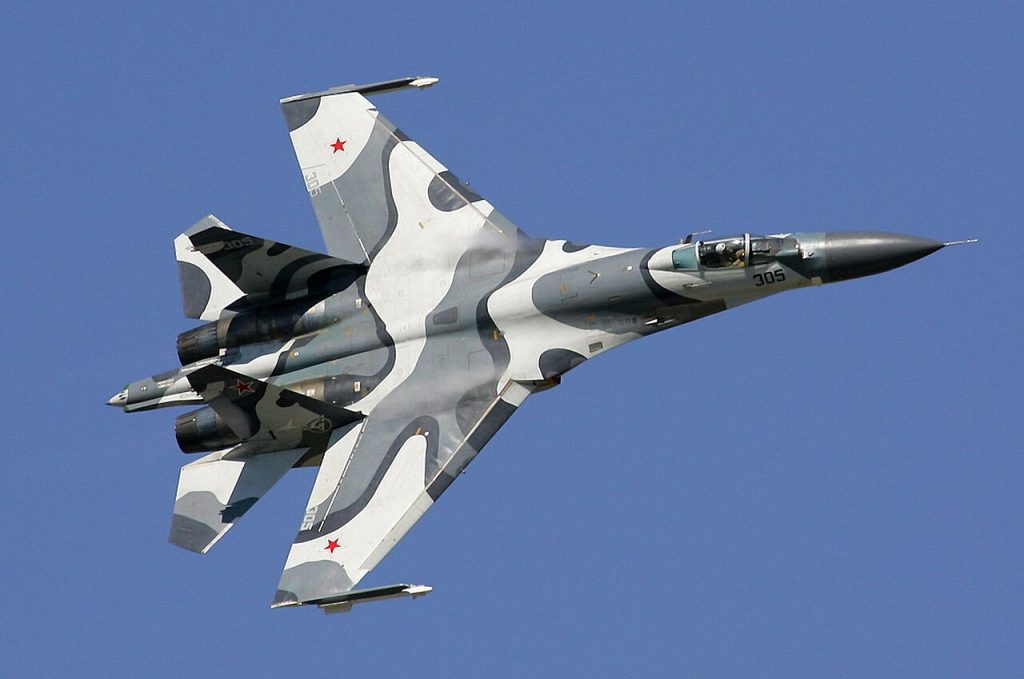
5. Su‑27 Flanker – Mach 2.35
The Sukhoi Su‑27 was developed as a long‑range air superiority fighter to counter the F‑15. It balances speed, maneuverability, and payload. This aircraft is capable of attaining Mach 2.35 at altitude.
Equipped with powerful AL‑31F engines and an aerodynamic design, the Flanker spawned a family of derivatives: Su‑30 and Su‑35, and Chinese J‑11/J‑16 variants. Though speed with external ordnance drops, the blend of range and agility has kept the Flanker relevant in modern air forces.
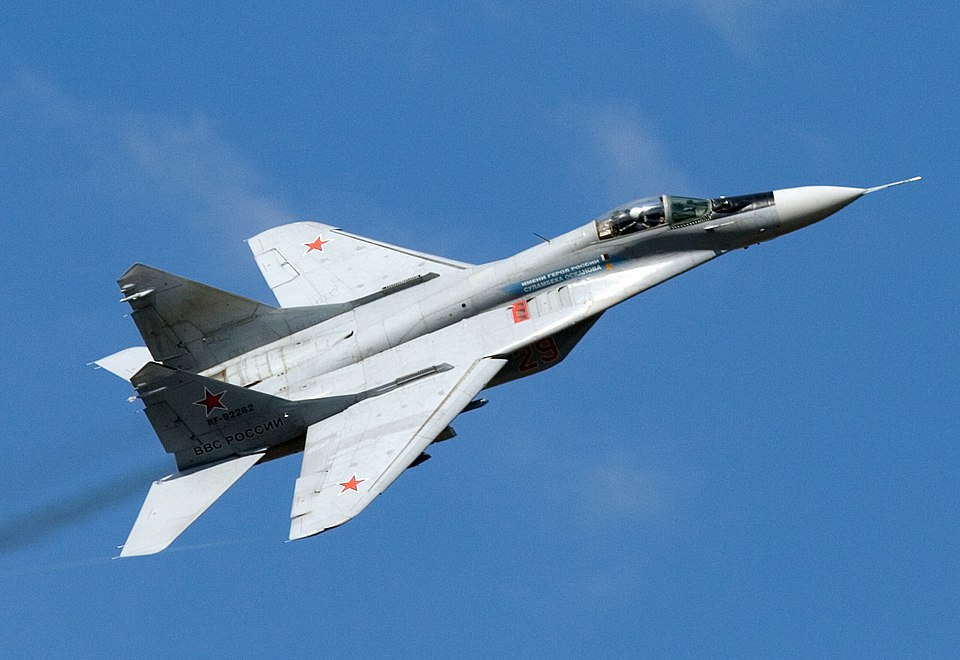
6. MiG‑29 Fulcrum – Mach 2.3
The MiG‑29 was designed as an agile partner for the Su‑27, with a great deal of emphasis on rapid interception: its widely‑spaced RD‑33 engines provide excellent acceleration and maneuverability, making the fighter strong in close‑quarters combat.
It is capable of Mach 2.3 in clean configuration; when carrying external fuel tanks, its supersonic capability is lost – a common trade‑off for all specialized interceptors. Agility and climb rate remain its standout attributes.
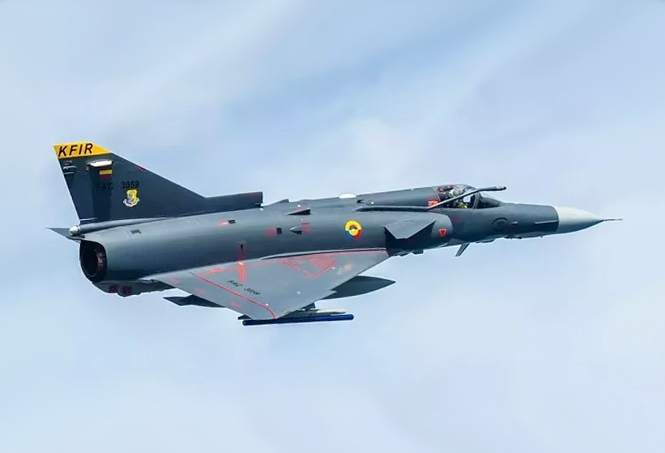
7. Kfir – Mach 2.3
The Kfir is an Israeli-made, heavily modified Dassault Mirage 5 with a General Electric J79‑J1E turbojet, the same powerplant used in the F‑4 Phantom II. With the swap in powerplants, thrust was increased to enable the Kfir to achieve Mach 2.3. Although service today is limited, with Colombia operating them, plus ATAC flying the remaining airframes, it is truly a testament to how strategic upgrades can mold a capable fighter into a speed specialist.
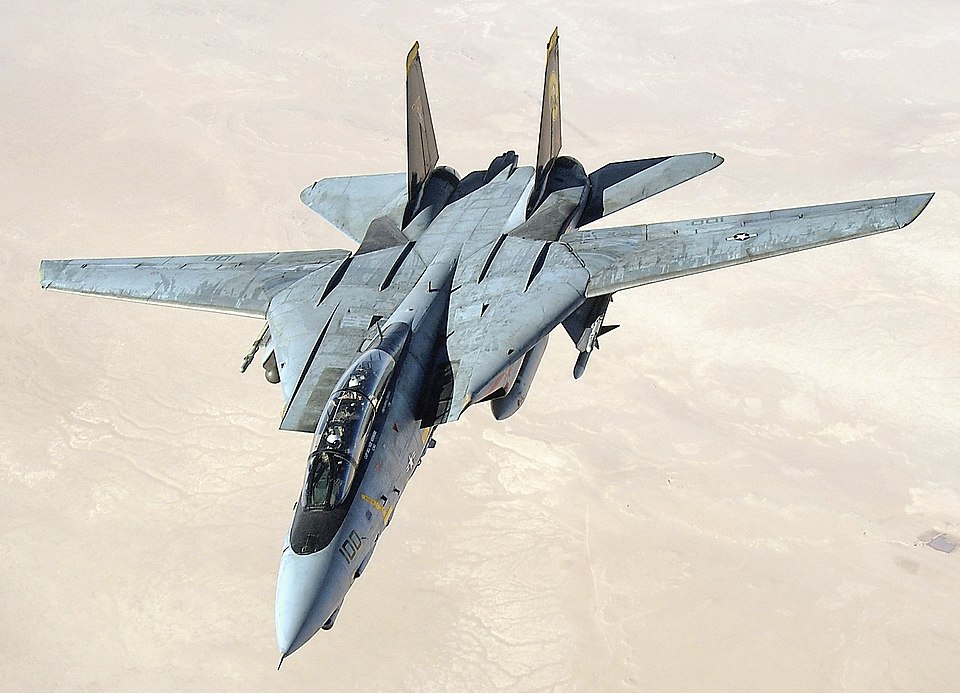
8. F‑14 Tomcat – Mach 2.3
The F‑14 was the first fourth‑generation fighter and introduced variable‑sweep wings to carrier aviation; twin Pratt & Whitney TF30 engines gave it an ability to reach Mach 2.3 even fully loaded, although some pilots claim clean configurations could exceed Mach 2.5. Its mix of speed, radar reach, and long‑range AIM‑54 Phoenix missiles turned the Tomcat into the dominant fleet defender as noted during the Iran‑Iraq War.
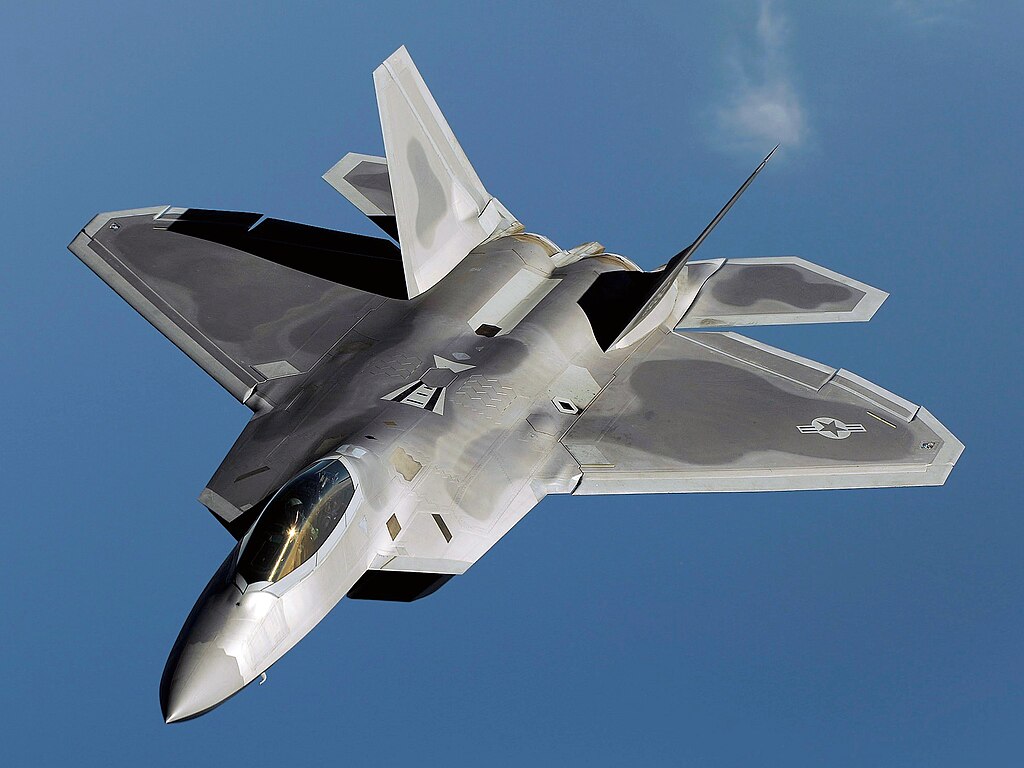
9. F‑22 Raptor – Mach 2.25
The Lockheed Martin F‑22 combines stealth, supercruise above Mach 1.5, and thrust‑vector agility. Powered by twin Pratt & Whitney F119‑PW‑100 engines, each capable of ~35,000 pounds of thrust, high performance is achieved over a very wide altitude range. With internal bays eliminating drag penalties, it sustains speed while armed. Production ended at 187 units, but modernization programs-most notably, the integration of AIM‑260 and advanced electronic protection-keep it at the leading edge of air dominance.
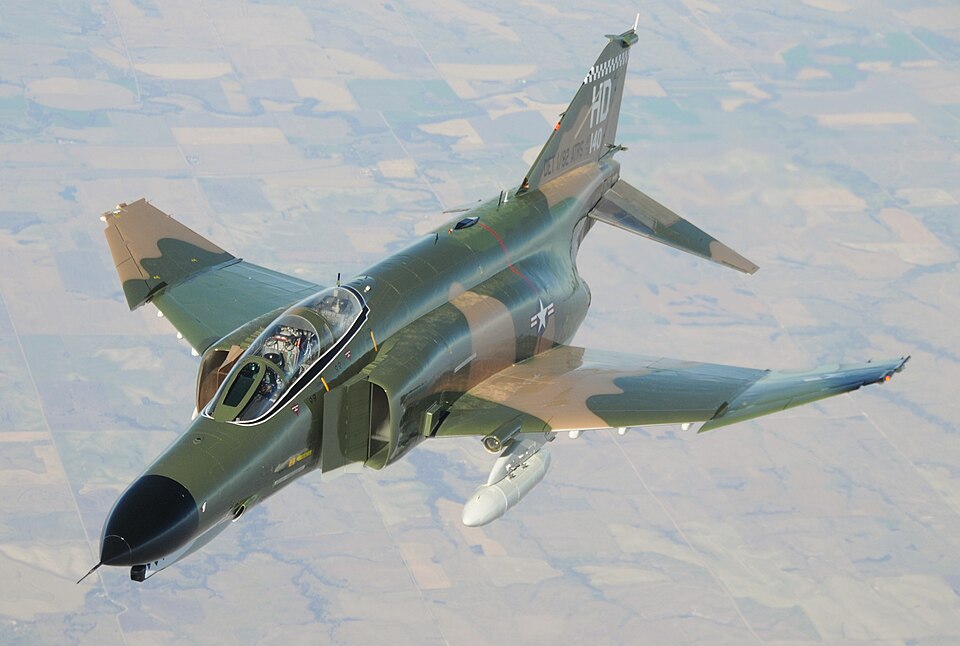
10. F‑4 Phantom II – Mach 2.23
The F‑4 Phantom II was a Cold War workhorse, powered by twin General Electric J79 engines in service across multiple nations. Initially built without an internal gun, experience in combat over Vietnam led to the addition of external gun pods. Its unusual configuration and the ability to load a variety of different weapons helped it stay relevant for decades. Still faster than most modern fighters at Mach 2.23, it’s a holdover from an age when speed was king.
Of these jets, most are Cold War babies, yet their speed figures remain unsurpassed in modern service. Today, the buzzwords of fighter design are stealth, sensors, and multirole flexibility; combat rarely reaches over Mach 1.2. But to the aviation enthusiast, these machines have come to represent that enduring appeal of speed-the attribute that, in 2025, will still stop traffic at air bases and speak volumes about the engineering genius behind their builders.


