
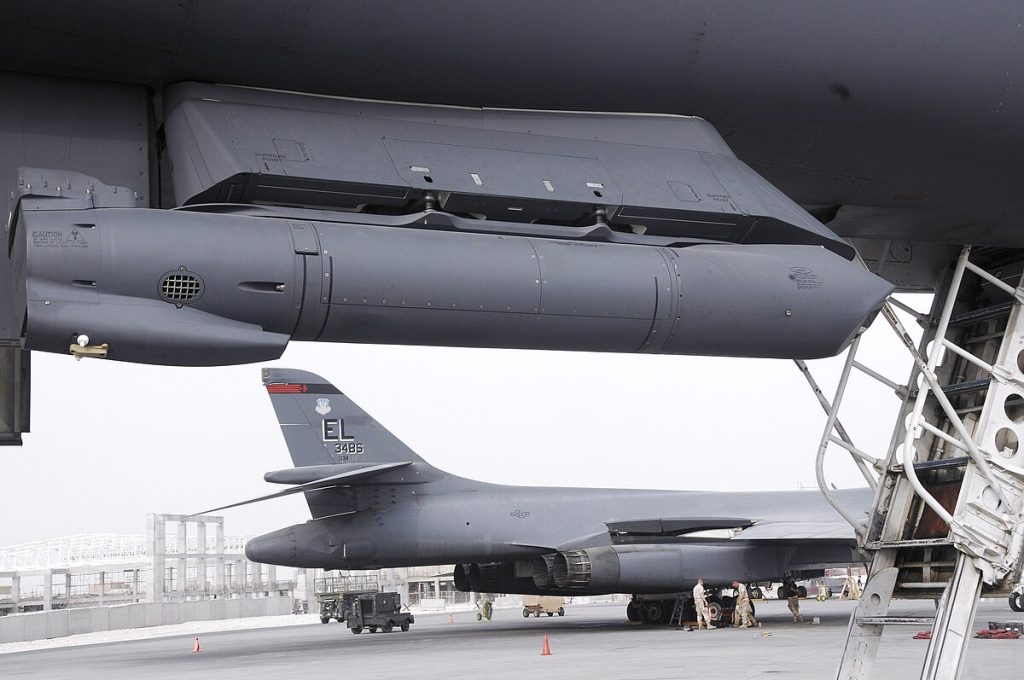
“Victory in future combat will depend less on individual capabilities and more on the integrated strengths of a connected network,” said former USAF Chief of Staff Gen. David Goldfein. That’s a statement that rings much truer today as Lockheed Martin introduces the Sniper Networked Targeting Pod, a capability aimed squarely at closing the gap between fourth- and fifth-generation aircraft.
For decades, targeting pods have been about precision strike and ISR. Now, they are evolving into airborne communications nodes, capable of linking fighters, ground units, ships, and even satellites in real time. The Sniper NTP’s integration of a Hybrid Base Station enables the pod to transform from a sensor into a critical network asset, offering secure, high-speed data exchange without costly aircraft modifications.
This listicle examines nine key improvements in Sniper NTP and its operational context, from MADL interoperability to dynamic targeting handoffs; it shows how such a system could redefine joint fires and multi-domain operations.
1. Hybrid Base Station: Turning Pods into Network Nodes
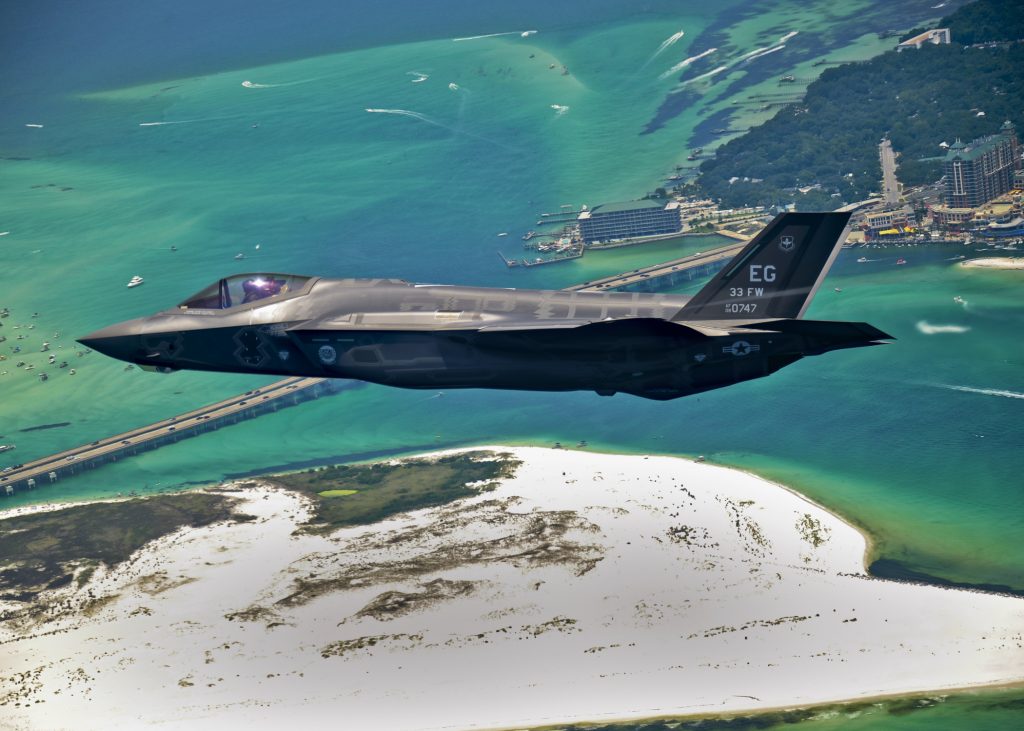
At the core of the Sniper NTP is the Hybrid Base Station: a multi-datalink, multi-processor module embedded into the pod’s architecture. This HBS supports both the Multifunction Advanced Datalink for F-35 interoperability, as well as the MANET radios for mesh networking. By doing so, it provides fourth-generation aircraft with the capability to receive and act on sensor data from fifth-generation platforms while preserving their stealth signatures.
The design philosophy here, at least from Lockheed Martin, is clear: deliver secure 5G+ speed communications in a plug-and-play package that avoids intrusive avionics changes. The HBS effectively turns the pod into an edge-computing node, capable of processing and routing targeting-quality data across domains, linking fighters, ground stations, naval vessels, and satellites.
2. MADL Access for Non-Stealth Aircraft
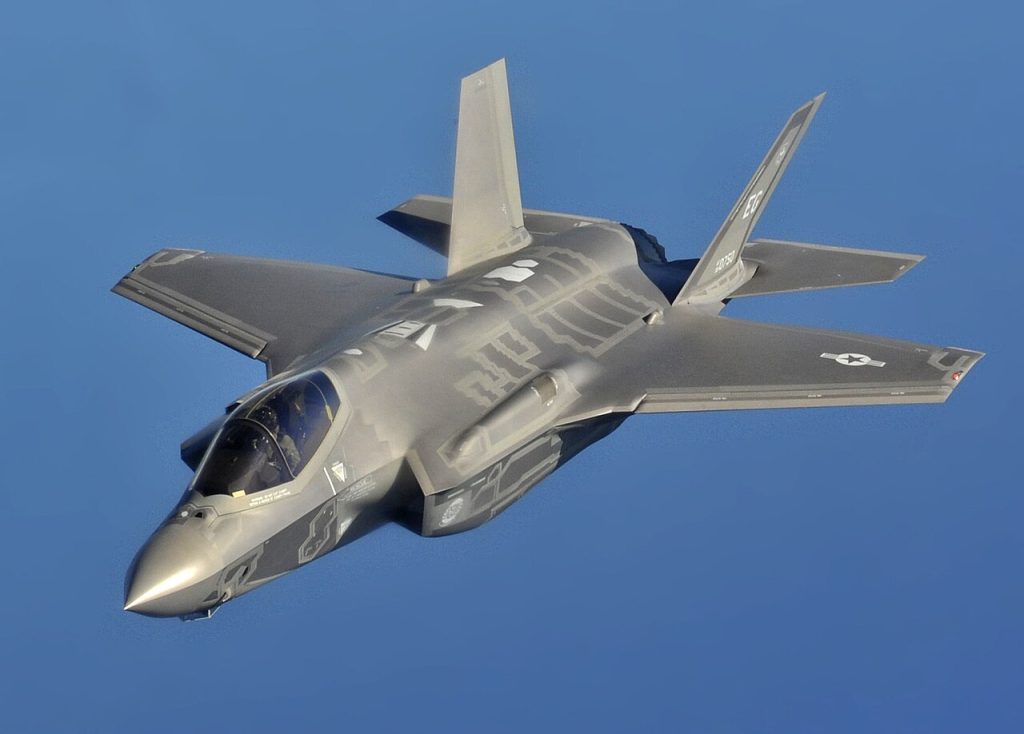
Until now, MADL has been limited to low-observable aircraft like the F-35, permitting them to share threat data with each other without compromising stealth. Sniper NTPs change that by acting as an external node on the MADL network, allowing non-stealthy aircraft to tap into the secure network.
Lockheed makes this operational consequence concrete with a scenario: an F-35 detects a target in silence, passing precise coordinates via the pod to an F-16 for a long-range engagement that doesn’t expose the F-35. This capability will directly underpin NATO-style coalition operations where mixed fleets have to act as a coherent strike force.

3. MANET Radios for Resilient Mesh Networking
Coupled with MADL, HBS also integrates MANET radios, which enable aircraft to create resilient mesh networks in contested environments. These networks allow multiple nodes-aircraft, ground units, and maritime assets-to share data when traditional links are degraded or jammed.
MANET’s self-healing topology ensures that if one node is lost, the network reroutes traffic automatically. For Sniper NTP-equipped aircraft, this means maintaining connectivity for targeting and situational awareness even under electronic attack.
4. Cost-Effective Upgrade Path for Mixed Fleets
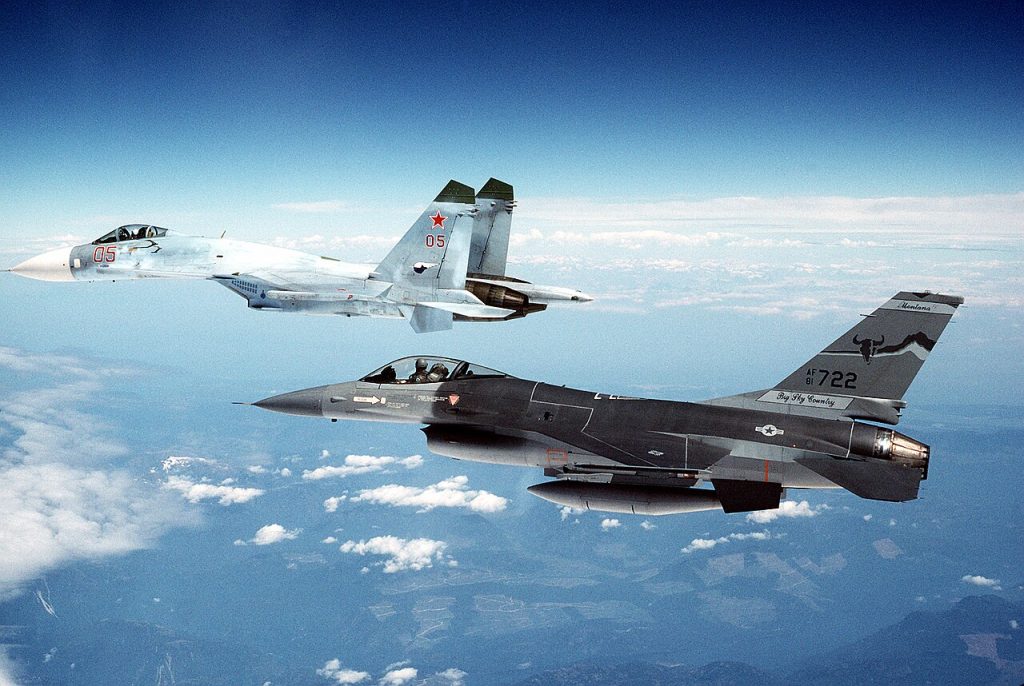
Lockheed Martin positions the Sniper NTP as a low-cost, high-impact modernization option for allied air forces. With more than 1,650 Sniper pods already delivered and over five million operational hours logged, the upgrade makes use of an existing installed base.
This approach is geared toward air forces that are modernizing selectively, rather than replacing entire fleets. By adding networking capability to proven targeting hardware, operators can extend the mission relevance of fourth-generation aircraft well into the era of fifth-generation dominance.

5. Onboard and Offboard Intelligence Fusion
The Sniper NTP brings together its advanced EO/IR sensor suite and offboard intelligence feeds to provide pilots with a more comprehensive and up-to-date tactical picture. This fusion enables faster identification of targets and faster decision-making, hence reducing detection-to-engagement time.
Advanced image processing and automated tracking algorithms reduce pilot workload, enabling stable tracking of moving targets during high-speed maneuvers. This makes the pod not only a strike asset but also a valuable non-traditional ISR tool.

6. Dynamic Targeting Handoffs
Future demonstrations will show dynamic targeting handoffs where aircraft can hand off engagement responsibilities in mid-mission. This mirrors proven concepts akin to those employed by systems such as the ATTACKS kill-chain automation, which shortens the sensor-to-shooter timeline.
By automating these handoffs, Sniper NTP could enable a stealth platform to cue a strike asset or even pass coordinates to ground-based fires like HIMARS without manual relay delays.

7. Cross-Platform Video Sharing
Security Lockheed intends to demonstrate the secure sharing of video between aircraft and other nodes. This would allow full-motion video with metadata to be forwarded in real time to ground controllers, command centers, or other aircraft. Such a capability enhances coordination in dynamic environments, enabling ground units to receive overhead surveillance feeds directly from airborne assets and improving both targeting accuracy and force protection.
8. Integration with Joint All-Domain Command and Control
The networking functions of Sniper NTP are in line with the Department of Defense’s vision for JADC2 a globally connected network that ties together sensors and shooters across all domains. The pod can enable machine to machine data transfer at high speeds, thereby removing many of the bottlenecks in existing command-and-control structures. Such synchronization translates into faster dissemination of targeting data, reduced operator error, and greater lethality in joint fires scenarios qualities already demonstrated in ATTACKS enabled operations in the Korean Theater.
9. Extending Relevance of Fourth-Generation Fighters
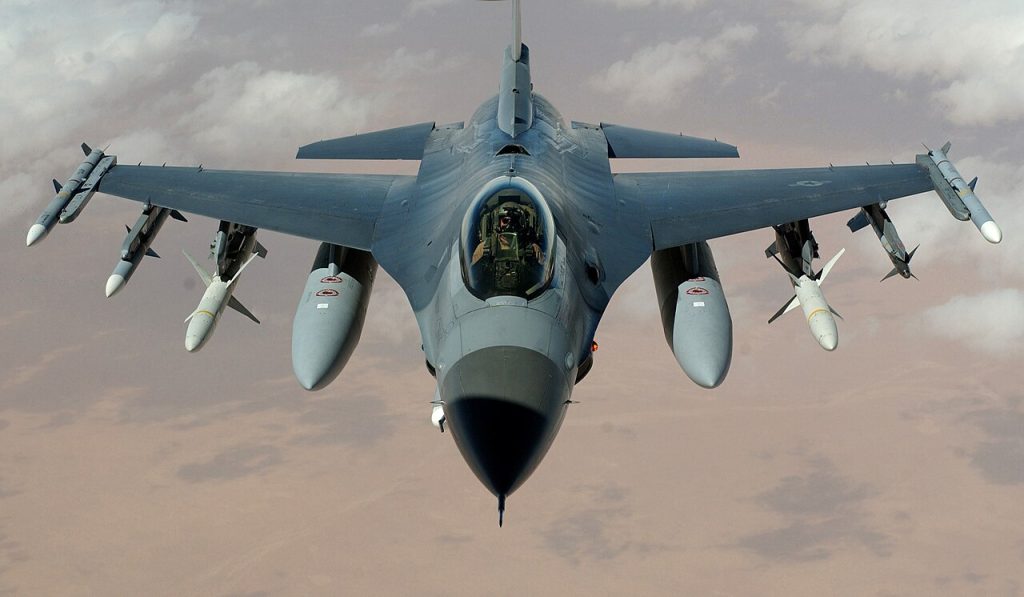
Fourth-generation fighters are numerous in allied inventories in this era of great power competition. Sniper NTP offers a way to keep these aircraft operationally relevant by integrating them into the same digital battlespace as stealth fighters. The resulting capability fosters coalition interoperability by permitting legacy platforms to perform high-end missions like deep interdiction, precision strike, and network-enabled ISR without compromising survivability.
The Sniper NTP represents more than an incremental upgrade; it’s a shift in how targeting pods are conceived and employed. Melding advanced sensors with high-speed, multi-domain networking, Lockheed Martin has created a tool that not only finds and designates targets but also connects disparate platforms into a cohesive combat network. For the defense professional and analyst, it will mean shortening kill-chains, enhancing coalition interoperability, and keeping legacy aircraft in the fight against modern threats.


