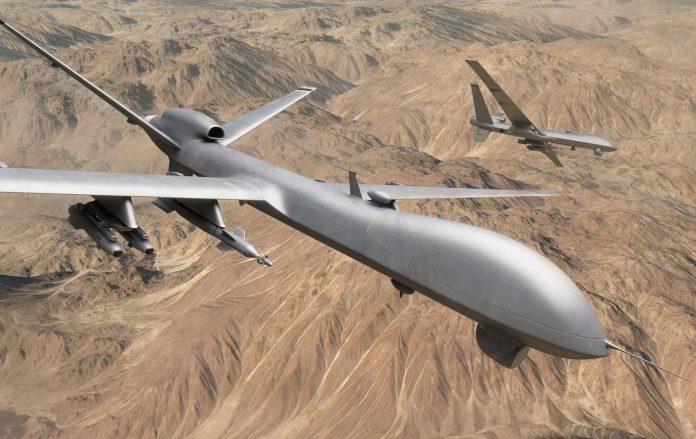
“Just a year ago, our troops weren’t so saturated with drones of all types,” Russian Col. Sergei Ishtuganov told kp.ru in late 2025. That statement marks a startling shift in the balance of aerial warfare over Ukraine. What began as Kyiv’s technological edge has, in many sectors, turned into a vulnerability under relentless Russian adaptation.
At the heart of this transformation is the Rubicon Center for Advanced Unmanned Technologies-a once-obscure Moscow-based unit now deployed across the front. Rubicon’s rise reflects Russia’s broader pivot from rigid doctrine to agile, tech-driven battlefield innovation. Its methods marry industrial-scale production to novel platforms like fiber-optic drones and integrate these with infiltration tactics that undermine Ukraine’s so-called “drone wall.”
Drawing from frontline accounts, defense analysis, and emerging technology trends, this listicle outlines 10 critical aspects of the operations at Rubicon and their impact on the war. With each section, learn how this elite unit is changing the rules of engagement in a conflict that is increasingly defined by unmanned systems.
1. Centralizing Russia’s Drone Command
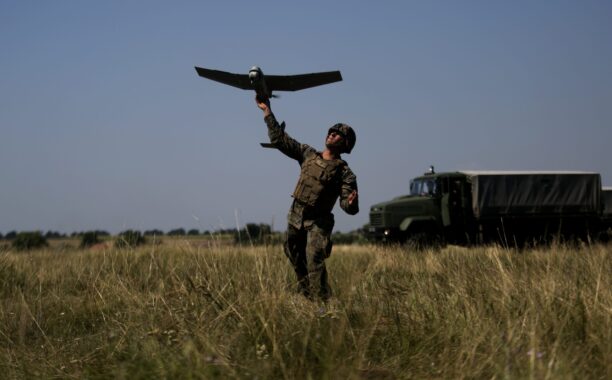
Until late 2025, the establishment of a dedicated unmanned systems branch formalized Rubicon’s place within the military hierarchy. The Ukraine’s Unmanned Systems Forces retained much of its decentralized character for innovation, while in Moscow, many informal detachments were dissolved in favor of state-controlled units. The stated goals behind such restructuring include equal drone capabilities along the front, releasing assault manpower, and introducing training on a uniform basis. However, centralization carries the risks of slowing innovation cycles and losing much of the flexibility that battlefield adaptation requires.

2. Fiber‑Optic Drones: The Unjammable Threat
Rubicon pioneered the battlefield use of fibre‑optic drones platforms tethered to operators by spools of cable, immune to conventional jamming. The resulting systems provide secure, real‑time video and can fly at low altitudes to conduct precision strikes. According to Ukrainian commander Vyacheslav, Russia is now outproducing Ukraine in such drones, enabling deep strikes on logistics nodes and command posts. Capable of reaching distances of up to 30 km, they have become central to the Russian infiltration tactics, forcing Ukrainian units to reroute supply lines and bury headquarters underground.
3. Integrating Drones with Battlefield Air Interdiction
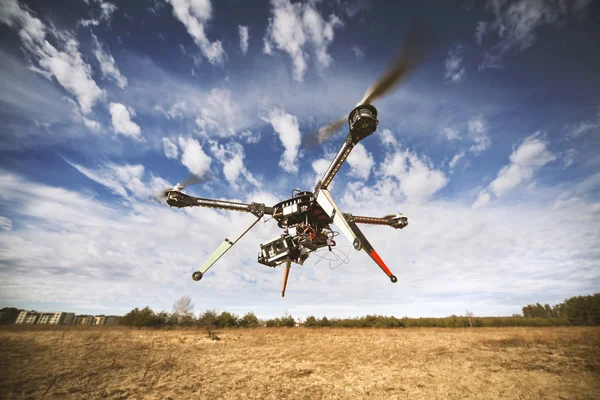
Rubicon’s drones play a central role in the partial Russian BAI campaigns against Ukrainian GLOCs in the near rear. Attacks on vehicles, unmanned resupply craft, and fortified overwatch positions erode the Ukrainian military’s capability to reinforce the front lines. This, in turn, creates a more porous defense that is then exploited through small assault groups. Persistent strikes have rendered vehicle movement within 15 km of the front largely impossible, forcing infantrymen to conduct long, fatigue-inducing marches under constant aerial observation.
4. Hunting Ukrainian drone operators
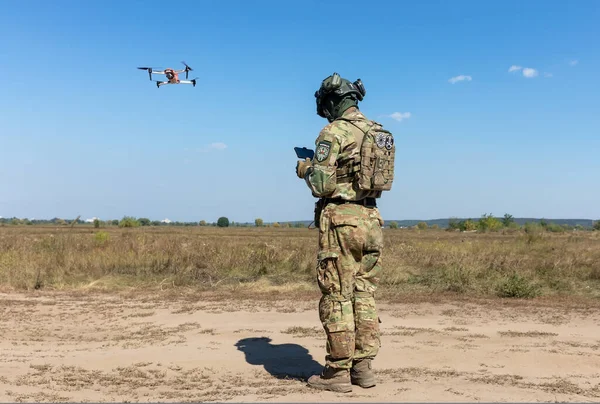
Attacking hostile drone crews has become a Rubicon specialty. Using all available assets, including coordination with the Russian Aerospace Forces, Rubicon finds and destroys Ukrainian launch points, antennas, and signal systems. This tactic disrupts Kyiv’s “drone wall” by removing the human element that sustains it. Operators now work from deeper underground, rotate frequently, and relocate immediately after launches to reduce sortie rates and operational tempo.
5. The Molniya ‘Mothership’ Drone
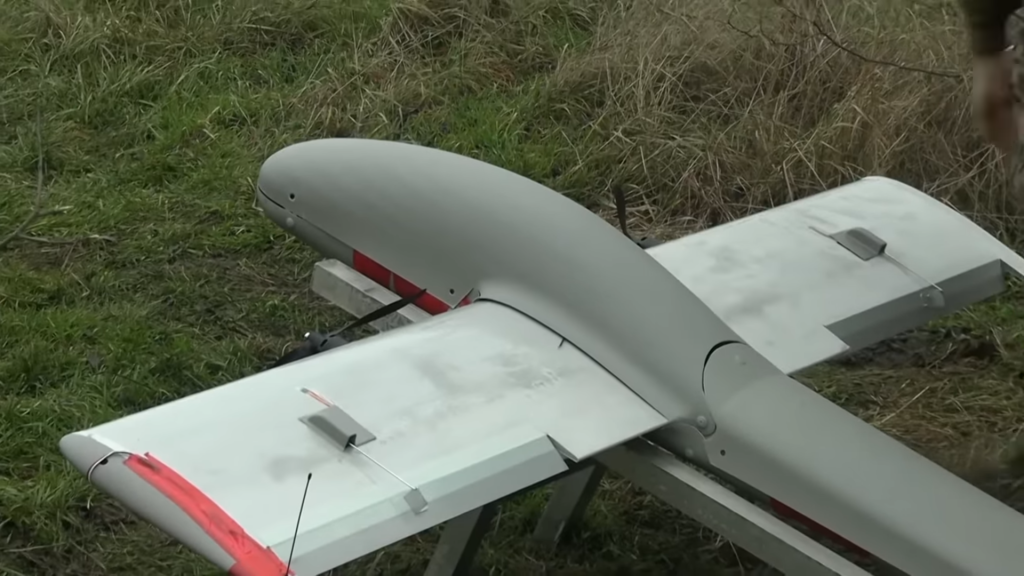
The plywood‑and‑aluminum Molniya is a low‑cost fixed‑wing FPV platform able to carry 7 kg payloads and launch two smaller munitions mid‑flight. Rubicon’s second‑generation Molniya extends reach over 30 km, making it ideal for deep interdiction. The Ukrainians have captured and reverse‑engineered Molniyas to manufacture improved variants, such as the FP‑2, that strike Rubicon command centers up to 20 km from the front. This iterative design battle underlines the rapid adaptation cycle in drone warfare.
6. Disrupting Heavy UAV and Ground Vehicle Logistics
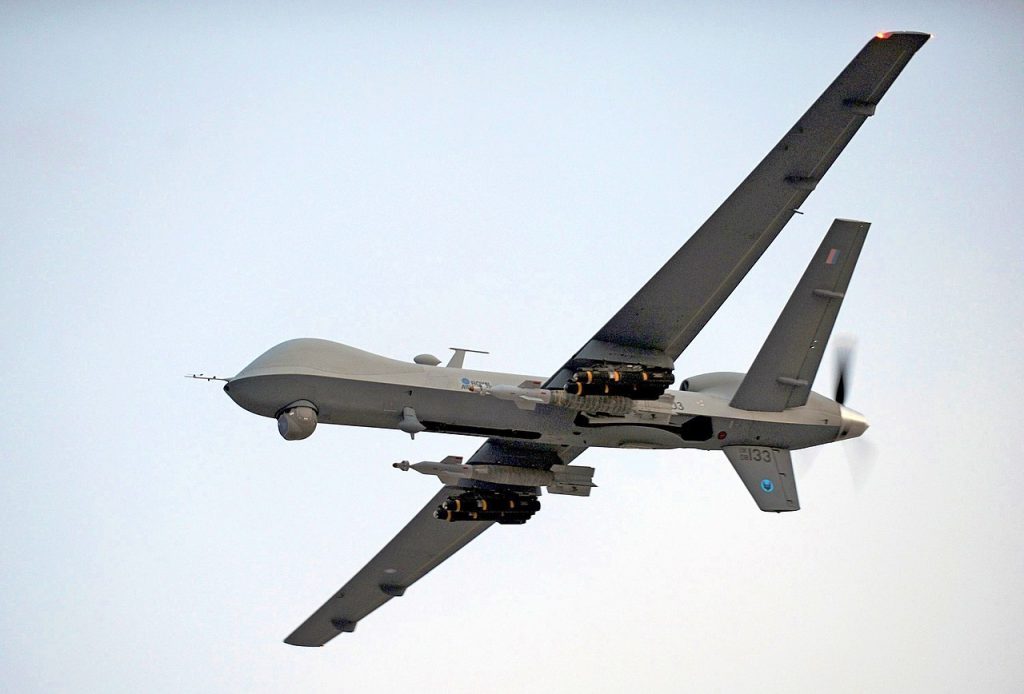
Rubicon intercepts Ukrainian heavy bomber UAVs, such as Vampire and Nemesis, and UGVs used for resupply and casualty evacuation. Fiber‑optic drones provide for interception against even EW‑protected platforms. Brigades report losing close to half their UGV capacity in some sectors, which has forced them to resort to riskier manned transport. Rubicon claims more than 11,000 strikes in 2025, of which over a third target UAVs and UGVs.
7. Naval drone operations
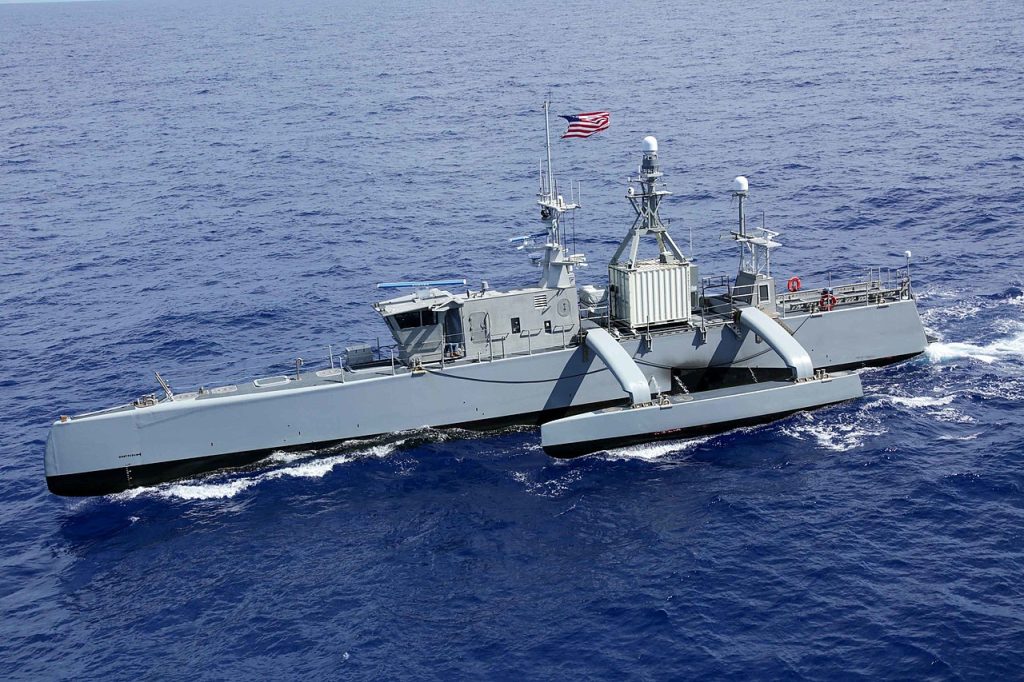
Rubicon’s reach extends to maritime domains: units belonging to the outfit were linked to the first successful Russian naval drone strike in the Danube estuary last August 2025, while weeks later they claimed to have destroyed a Ukrainian vessel at a Black Sea gas facility. These attacks demonstrate the integrated use of unmanned systems by Rubicon both on land and at sea, reflecting Ukraine’s own use of kamikaze naval drones to contest Russia’s control.
8. Infiltration Tactics with Motorcycle Assaults
Rubicon fuses drone strikes with fast, small‑unit infiltration often motorcycle‑borne. Fiber‑optic FPVs clear entry points prior to the passage of troops through breaches in the Ukrainian lines. Even partial penetration can destabilize positions and force defenders into close‑quarters combat, which limits drone operations. This approach evolved from Ukraine’s saturation strikes to enable Russian forces to get closer under reduced exposure.
9. Industrial Partnerships and Chinese Supply Chains
The adoption of private manufacturers, such as the Oko Design Bureau, has helped Russia to expand its arsenal of drones despite sanctions. Only about 80 percent of the critical electronics in adversary UAVs emanate from Chinese suppliers, which allows Moscow to scale up production. This industrial base maintains Rubicon’s continued use and technological advancement, from EW‑resistant antennas to swarm‑capable platforms.
10. Global Spread of Fiber‑Optic Drone Tactics
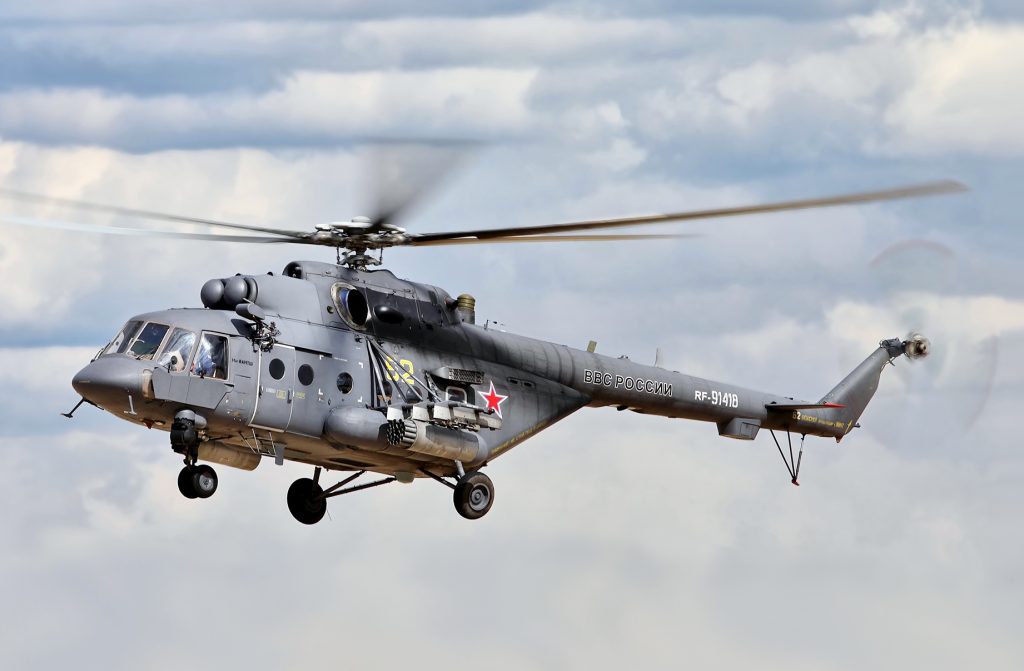
The techniques honed by Rubicon are appearing beyond Ukraine. Reports indicate fiber‑optical FPV drones used in Mali by the Azawad Liberation Front and in Myanmar by the Kachin Independence Army to down a Mi‑17 helicopter. What this proliferation signals is that the innovations on battlefields in Eastern Europe are influencing conflicts worldwide, which raises the stakes for developing countermeasures.
The rise of Rubicon shows how one well-resourced unit can accelerate military adaptation in a high-intensity war. Blending technological innovation, industrial mobilization, and tactical integration, it has reshaped the drone battlespace over Ukraine. But it’s the same dynamics of rapid iteration, global diffusion, and constant offense versus defense that guarantee no advantage is permanent. For defense planners and analysts, therefore, the lesson is straightforward: in the unmanned era, adaptability is as decisive as firepower.


