
One afternoon over Voronezh, the calculations of two armies changed: when the ATACMS vapor trails appeared above the Russian region, confusion swept across the local networks before military analysts realized this was no routine drone incursion. This was a deep strike demonstration by a military that has spent years refining its long-range playbook. The strike marked the return of one of Ukraine’s most strategically disruptive tools.
The extended-range ATACMS re-entered the war at a moment when Russia increased pressure across the eastern front. The result is an escalation with immediate tactical consequences and longer-term operational effects. Now, Ukraine’s networked strike campaign is reaching deep into Russian infrastructure and reshaping the battlespace far from the front line.
1. ATACMS Returns With Extended Reach
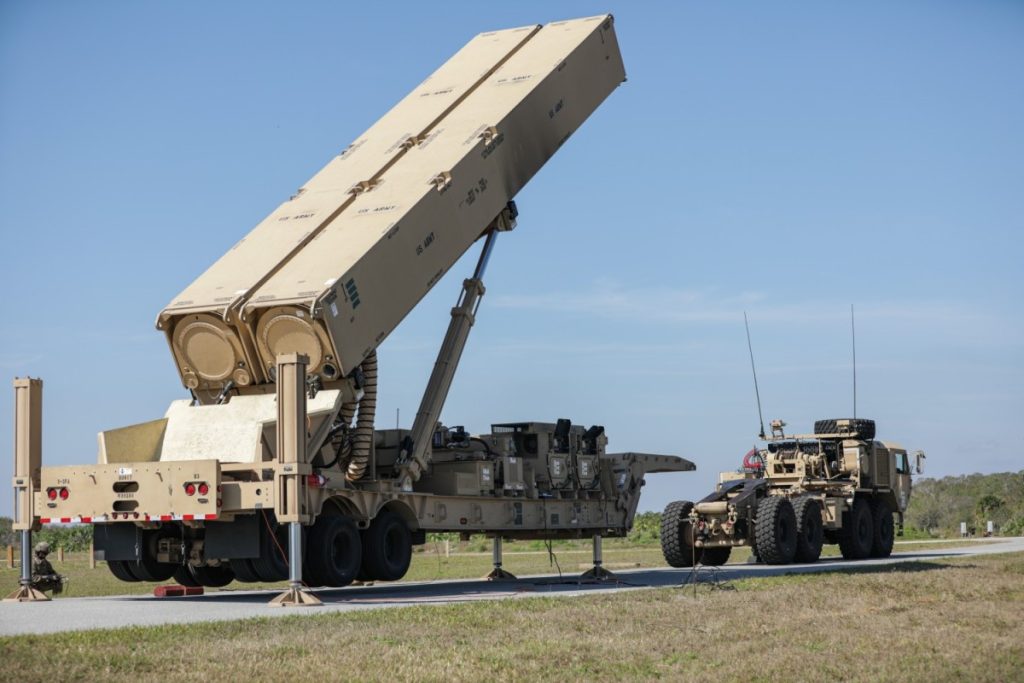
Confirmation from Ukraine that ATACMS were fired against targets inside Russia marks a new phase of long-range engagement. The Ukrainian General Staff declared the missiles “hit targets successfully,” signaling operational confidence after months of limited use. The latest variants, with ranges nearing 300 kilometers, would enable Ukrainian launchers positioned in Kharkiv or Sumy to strike cities like Voronezh, Bryansk, Belgorod, and Kursk.
This is a return of strategic importance. Anchors from reference sources confirm that modern variants delivered to Ukraine can reach around 300 kilometres, giving Kyiv the capability to strike command posts, aviation hubs, and hardened depots previously immune from rocket artillery. For military planners in Moscow, this is no longer a theoretical danger but a demonstrated capability.
It also represents a break with earlier U.S. limitations. Political reversals in Washington cleared the way for these longer‑range strikes, increasing both the deterrent value and operational utility of the system.
2. The Four-Missile Strike on Voronezh
Eyewitness videos showed characteristic smoke arcs of the deployment of an ATACMS cluster warhead over Baltimor airbase and over Pogonovo training ground. Analysts identified four-circular clouds consistent with ATACMS midair deployment, an assessment corroborated by intact casings found without evidence of terminal interception.
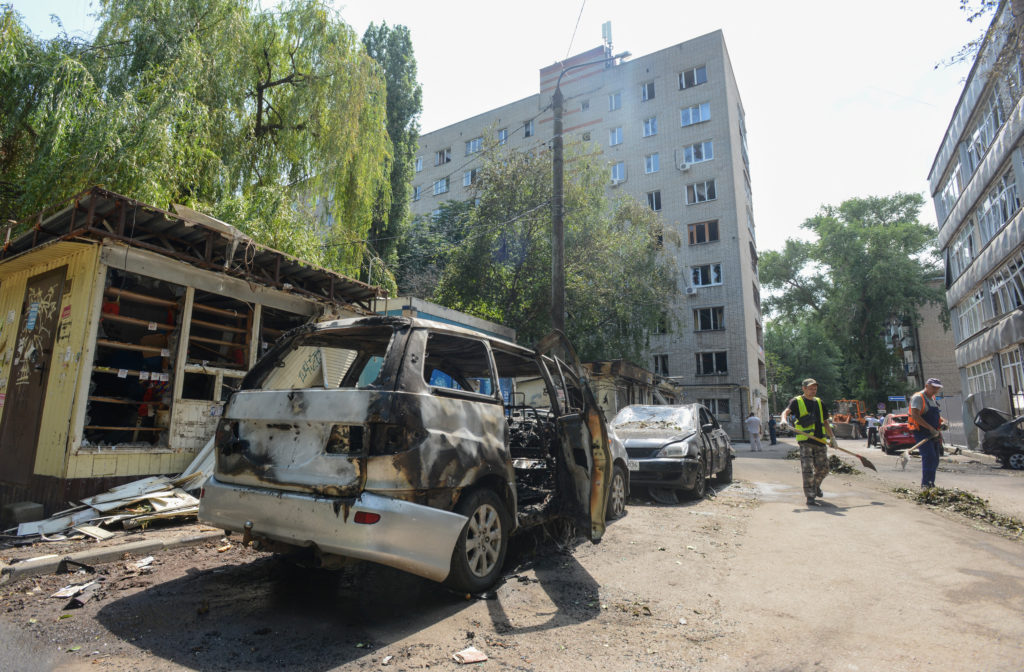
While Russian officials claimed all missiles had been shot down, photographs of debris contradicted that. Independent investigations indicated that engines of cluster-armed ATACMS are expected to survive separation and land intact, just like what was retrieved from the ground. Among several locations reportedly targeted, according to Sota, a Russian outlet, was the Baltimor airfield.
It was a strike that hit an area teeming with military activity-the single village of Pogonovo hosted a large number of troops, a fact which increases the likelihood of substantial losses that are still being tallied.
3. Why Baltimor Airbase became a prime target
Su‑34 aircraft of the 47th Guards Bomber Regiment are based at the Baltimor airfield near Voronezh, and these have been involved in significant strikes across Ukraine; therefore, a deep‑strike mission against this base would make sense. OSINT groups highlighted four vapor patterns unfolding above the area, consistent with ATACMS munitions.
Analysts cited in open-source channels assessed that evidence pointed directly to the airbase. Pending satellite confirmation, the strategic rationale is clear: damage to Russia’s tactical aviation infrastructure reduces pressure across Ukrainian defensive lines. The distance between Baltimor and the front once served as a buffer; in minutes, modern ATACMS erased it.
4. Pogonovo: A Crucial Node for Ground Forces
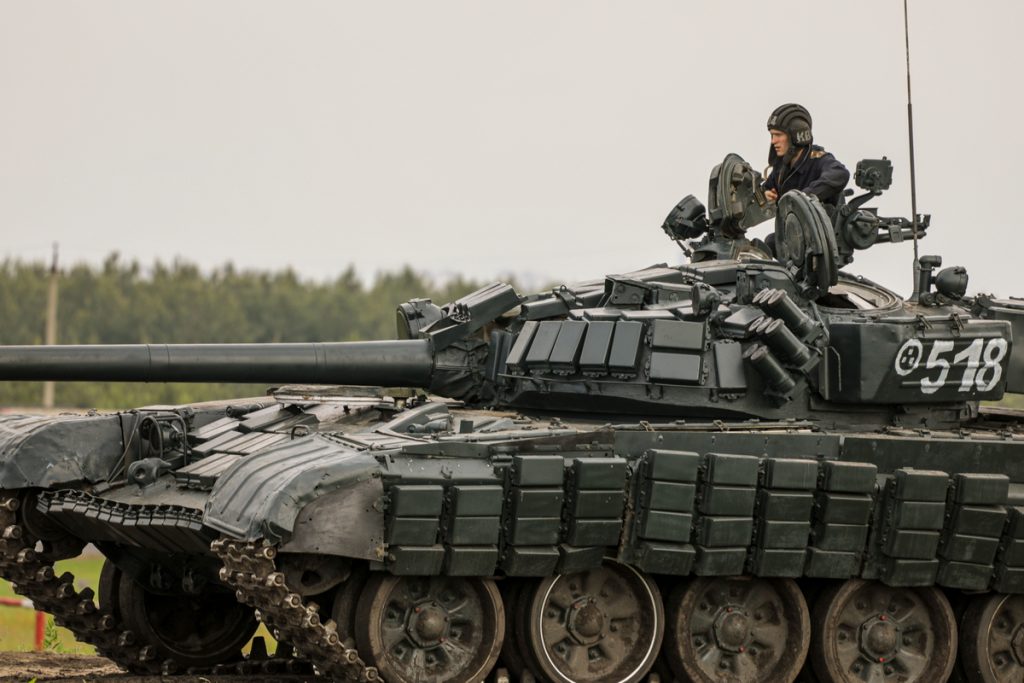
Pogonovo represents an important facility to train and stage personnel before their deployment, thus constituting a prime target for a strike with cluster munitions in an attempt to disrupt manpower flows.
Reports from the region indicated a significant congregation of troops in the area at the time of the missile’s arrival. While comprehensive casualty data is not available, OSINT communities have pointed to the potential for high personnel impact given the time and location of the strike. That is consistent with the missile’s purpose: cluster warheads are used when the objective is to degrade formations, not buildings. Pogonovo fits that battlefield logic precisely.

5. A Broader Deep‑Strike Campaign Takes Shape
ATACMS was not alone. The Voronezh strike came as part of a coordinated wave of Ukrainian attacks across Russian‑occupied Donetsk, Luhansk, and Crimea. That multi-layered approach further complicated the problems for Russian air defenses already stretched thin by dispersed threats.
By forcing the Russian planners to deploy interceptors across a number of axes, Ukraine has weakened Moscow’s defence against any single node. It reflects Ukraine’s developing doctrine of synchronous precision strikes via drones, ballistic missiles and cruise systems. The effect is cumulative: Russia has to defend both the front line and its rear.

6. Shahed Stockpile Destruction at Donetsk Airport
One of the most consequential operations came at the Donetsk airport, where the Ukrainian forces destroyed a huge stockpile of Shahed‑type drones. The site held up to 1,000 drones and more than 1,500 warheads, according to the Ukrainian Special Operations Forces.
Satellite imagery showed that one warehouse was completely destroyed, and another was heavily damaged. References indicate that more than 90 percent of the deployed systems hit their targets, further reinforcing the effectiveness of the strike package.
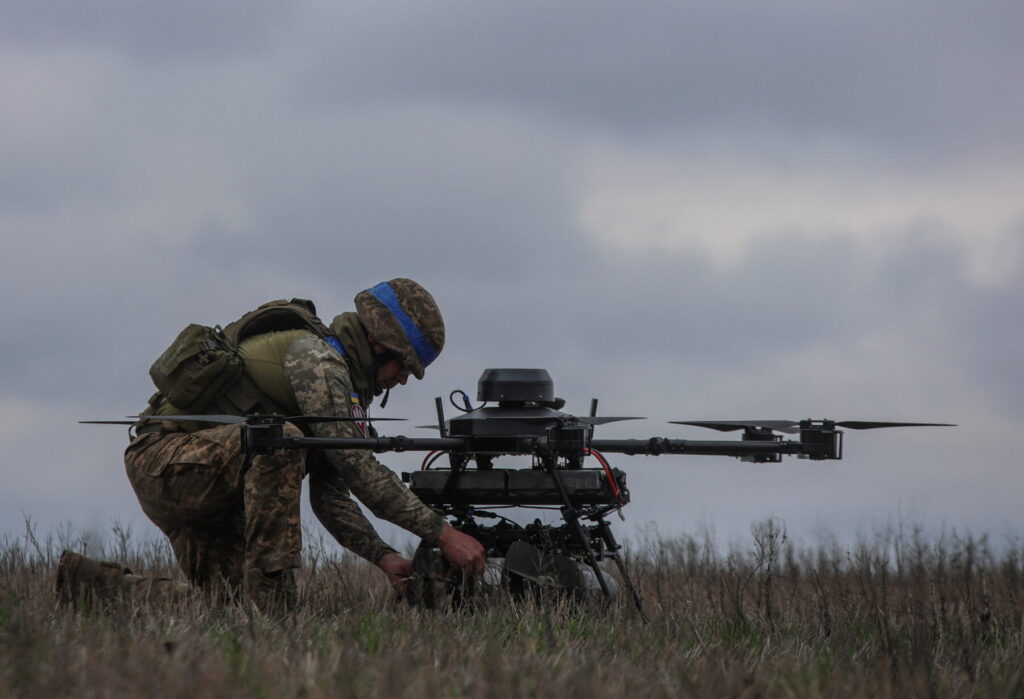
Months of reconnaissance fed into this operation, which involved coordinated work by the 414th Separate UAV Brigade along with other intelligence units.
7. Precision Strikes Across Donetsk and Luhansk
Explosions across Makiivka, Donetsk city, Horlivka, and Dovzhansk reveal a continued Ukrainian effort to erode Russia’s logistics chains. Energy disruptions were reported across parts of Donetsk as power systems flickered during the attacks.
A strike in Horlivka hit a large ammunition depot, most probably to degrade Russian preparations for offensives near Pokrovsk and Myrnohrad. Ukrainian drones also hit the town of Dovzhansk, hitting depots of ammunition and fuel, hence cutting deeper into supply lines. These strikes have demonstrated an expansion in the geographic scope of Ukraine’s strike ecosystem.
8. Kirovske Airfield Hit in Crimea
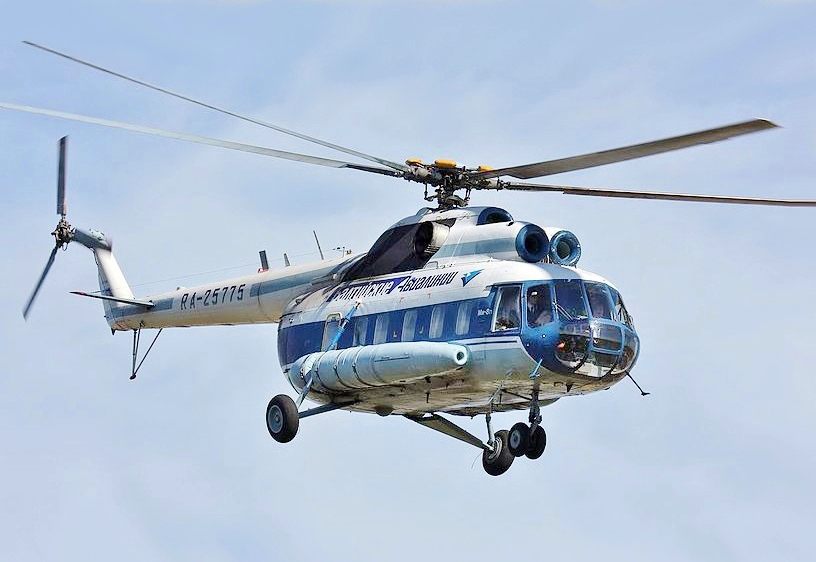
Kirovske is a key node for the Russian Orion UAV operations in eastern Crimea. Extensive damage was visible. Satellite images showed destroyed hangars and dispersal burn patterns over a helicopter landing zone. Reference material also documented the destruction of a Pantsir‑S1 system and three helicopters, including Mi‑8, Mi‑26, and Mi‑28 variants. NASA thermal data showed fire outbreaks immediately subsequent to the strike, consistent with precision impacts. Because Kirovske supports operations in southern Ukraine, such degradation had particular value for Kyiv.
9. Strategic Pressure Mounts on Russia’s Rear Areas
The reemergence of long range ATACMS has forced Russia to reconsider how it disperses and secures its key assets. Even rare uses have forced Moscow to redeploy air‑defense systems away from the front lines, freeing up Ukrainian drones and aircraft. It extends the battlespace by increasing the number of targets Russia must defend and, in so doing, it challenges logistics planning. As reference reporting notes, deeper strikes also “increase requirements for dispersion, camouflage and mobility” across Russian rear‑area infrastructure.
And with every salvo launched, the operational cost for Russia rises. The Voronezh strike exposed a great deal more than the return of a long-range missile. It revealed a Ukrainian strike architecture that increasingly integrates intelligence, precision munitions, and operational timing in its bid to reshape the battlefield. To the extent that ATACMS and complementary systems continue to apply pressure to Russian rear areas, Ukraine is signaling that depth no longer guarantees safety and that a shifting war may hinge on the reach and accuracy of modern conventional fires.


