
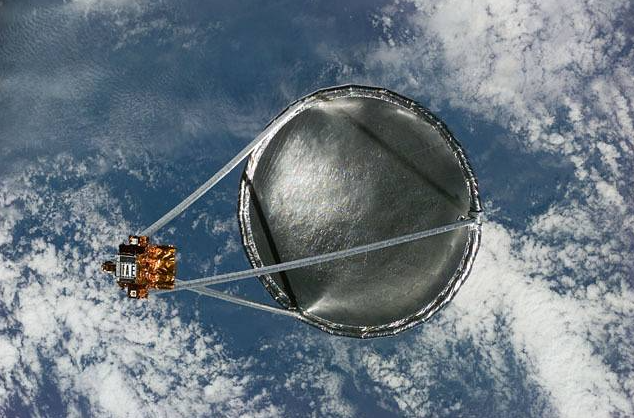
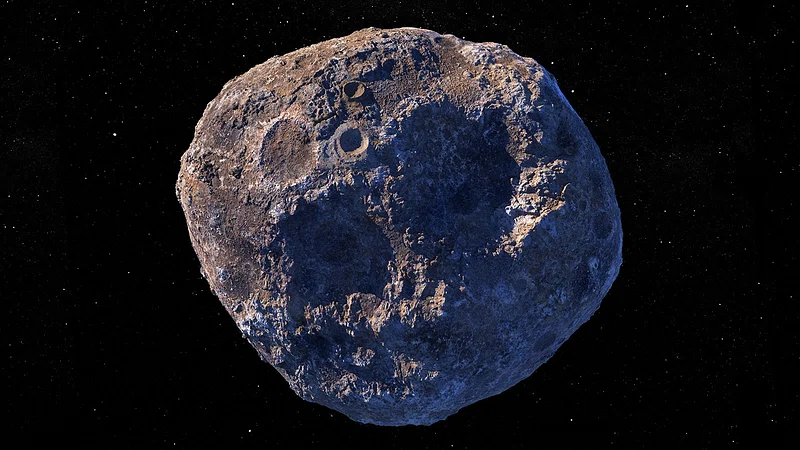
A trillion people could someday live comfortably in habitats built from asteroid resources, if estimates of the solar system’s capacity prove correct. But before those visions can be realized, engineers must overcome the interlinked hurdles of detection, capture, transport, and processing of the celestial bodies. California-based TransAstra thinks it’s got a breakthrough a giant inflatable Capture Bag that can secure both asteroids and space debris, potentially unlocking a new era of orbital logistics and in-space manufacturing.
1. The Capture Bag Concept
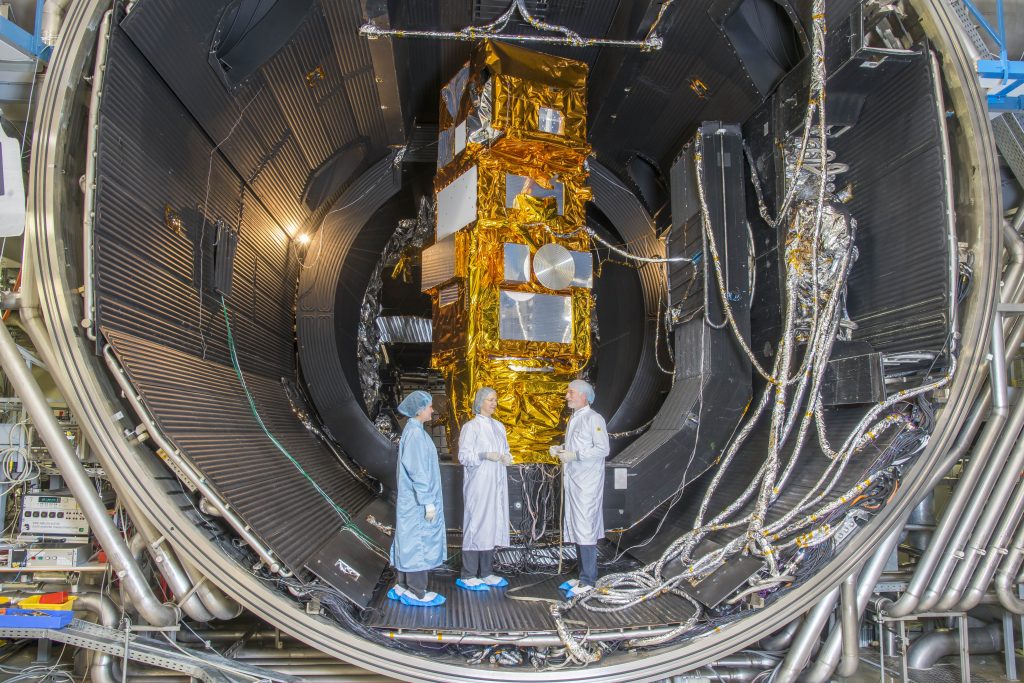
The Capture Bag comes in six sizes-from micro devices that trap watermelon-sized debris to super jumbo versions that can envelop 10,000-ton asteroids. Leak-proof and made of aerospace-quality materials such as Kevlar and aluminum, the bag operates in vacuum and microgravity. A one-meter prototype underwent microgravity and vacuum testing aboard the International Space Station in October, going from concept sketch to flight hardware in seven months-an uncommonly fast pace in space hardware manufacturing.
2. Engineering Challenges of Inflatable Space Structures
Large, flexible spacecraft structures are difficult to deploy in orbit. According to Eleonora Botta, a professor at the University at Buffalo, the difficulty of scaling the bag for space conditions is proportional to its adaptability for immobilizing irregular rotating objects. Material systems would have to be hardened to survive micrometeoroid impact, extreme temperature cycling, and long-term ultraviolet exposure without degradation. Advances in composite materials prepared by frontal polymerization may make it possible to fabricate high-stiffness molds in space, allowing large inflatable structures to be used as forming tools for permanent hardware.
3. Detection: the Sutter Telescope Network
It starts with TransAstra’s Sutter telescopes, which bear the name of the mill that kicked off the California gold rush. The network so far spans Arizona, California, and Australia, with a fourth site planned in Spain. Matched filter technology lets the telescopes detect faint and fast-moving objects against the star field. The future Sutter Ultra constellation-three spacecraft hosting more than 300 telescopes-could find small, low ∆V asteroids up to 400 times faster than existing surveys. It would target resource-rich bodies ideal for capture.
4. Space-Based Synthetic Tracking
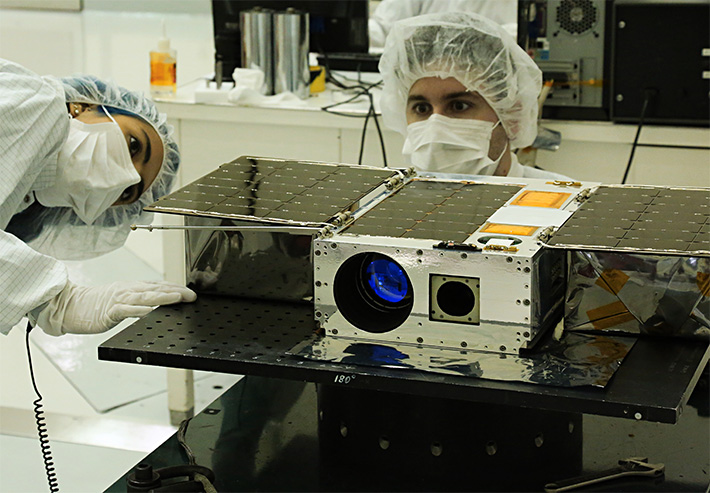
In 2024, TransAstra’s Theia software achieved the first synthetic tracking from a space-based telescope aboard the GEOStare 2 cubesat. Theia detects objects below single-image noise thresholds through “shift-and-add” processing and improves capabilities in planetary defense and asteroid mining. This onboard processing decreases the dependency on ground-based computation and thus enables targets to be identified in near real time for Capture Bag missions.
5. Orbital Debris Mitigation
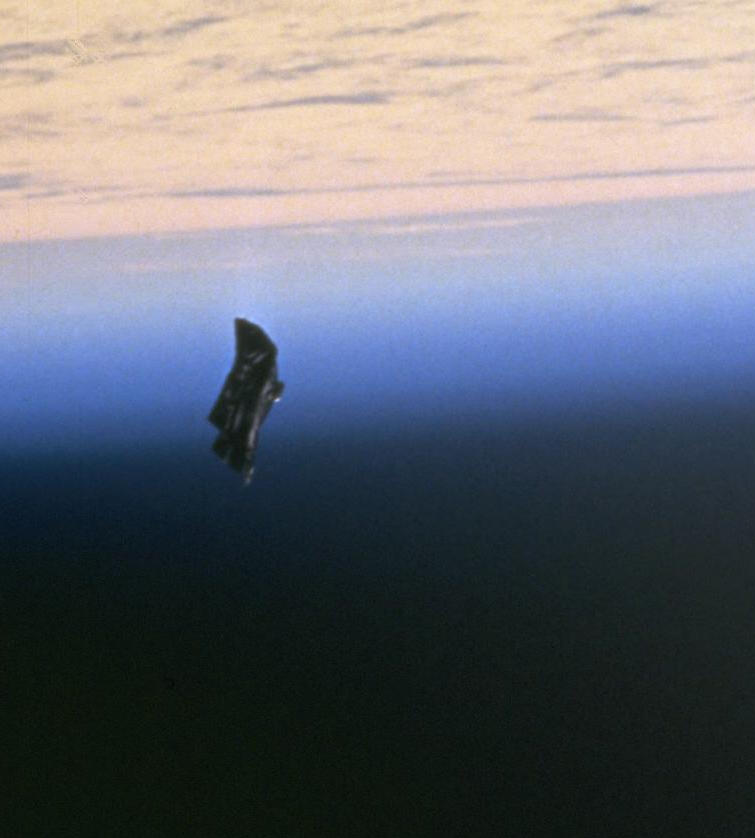
NASA has contracted TransAstra to adapt the Capture Bag for space junk removal. The Mini Bee variant, paired with the Worker Bee spacecraft, can envelop defunct satellites or rocket stages without requiring docking fixtures. Captured debris could be transported to in-space recycling stations, cutting debris removal time by 40% and reducing costs sixfold compared to deorbiting missions. This approach transforms orbital liabilities into feedstock for construction and manufacturing in microgravity.
6. Economic and Environmental Implications
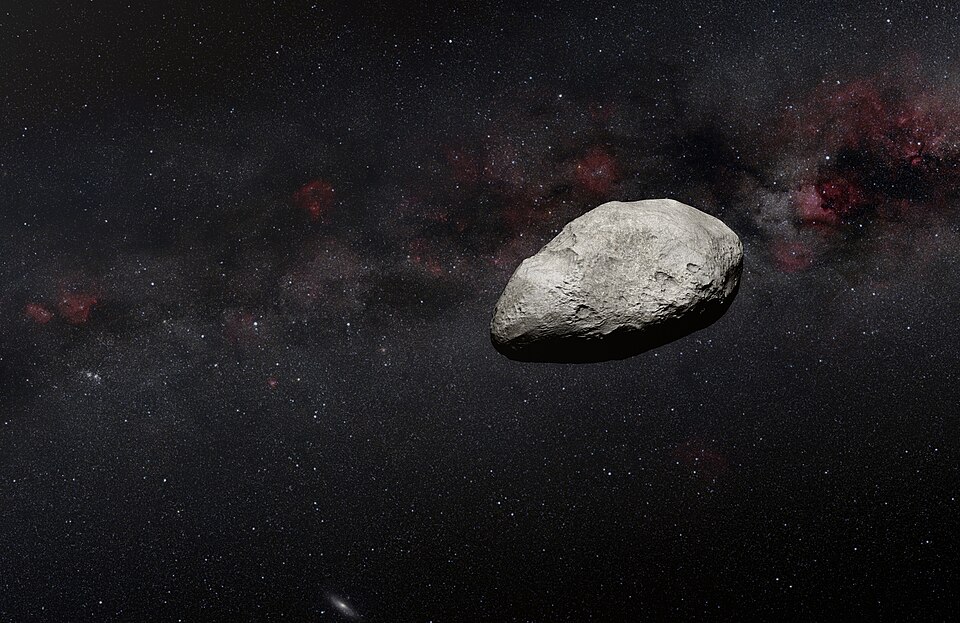
Asteroid mining could avoid the environmental destruction of terrestrial extraction, averting toxic runoff and unsafe labor conditions. On the other hand, the sudden influx of space-derived metals-such as tens-of-billions-of-dollars worth of asteroid platinum-could disrupt global commodity markets and threaten economies that rely on mineral exports. The potential to process materials in orbit, as Sercel imagines, mitigates those risks by keeping resources within the space economy rather than flooding terrestrial markets.

7. Scalability and Timelines
With $5 million in current funding, half from NASA, TransAstra is developing a 10-meter Capture Bag for deployment within a year. Initial missions will target “graveyard orbit” satellites, to validate operational safety before attempting asteroid capture. The ambitious plan is for the company to retrieve its first asteroid by 2028-a timeline some experts consider aggressive, but might be transformative if successful.
8. Integration with In-Space Manufacturing
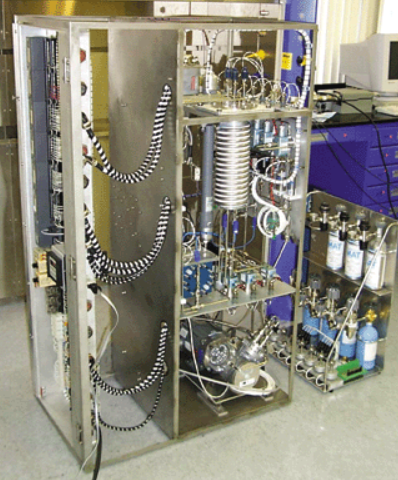
Captured asteroids could supply raw materials for building satellites, habitats, and radiation shielding directly in orbit. Capture systems with integrated recycling stations can help support a closed-loop space economy. This aligns with broader initiatives in ISRU, where water-rich asteroids could yield propellant for deep-space missions, reducing launch mass and cost for human exploration.
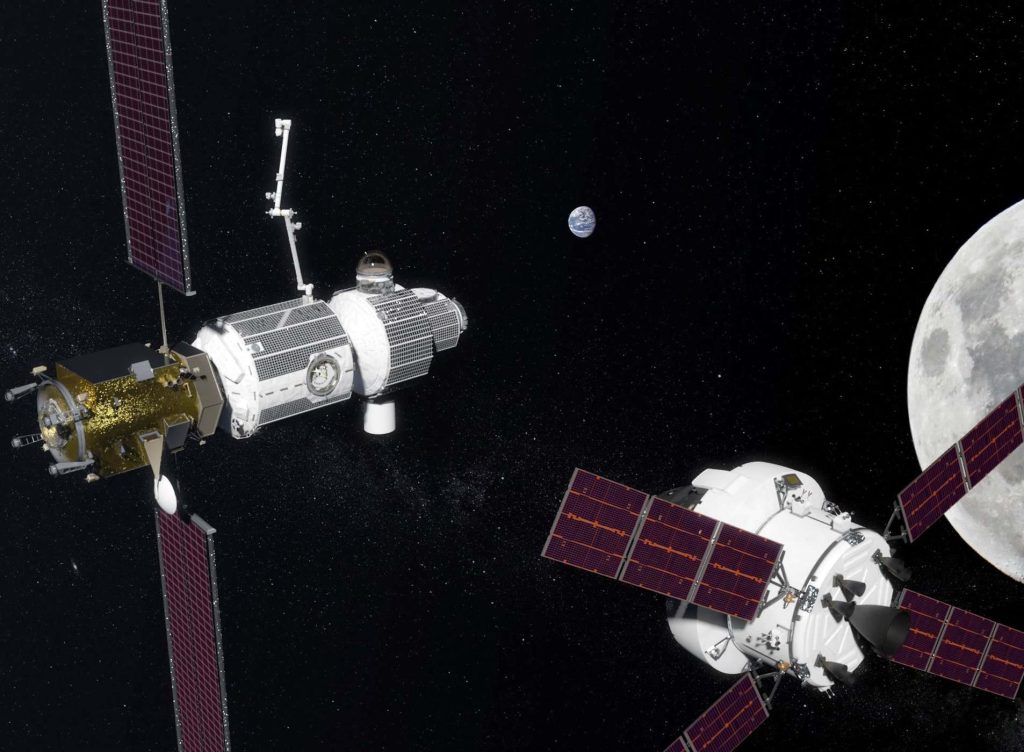
Bringing together inflatable capture technology with advanced detection systems and orbital recycling strategies, TransAstra positions itself at the forefront of a possible industrial revolution beyond Earth. If the engineering and economic challenges can be met, the Capture Bag may become as iconic to space industry as the gold pan was to the 19th-century prospectors.


