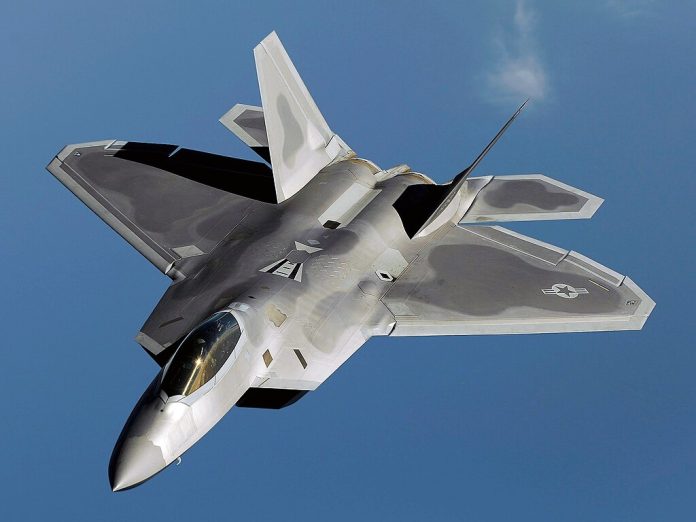

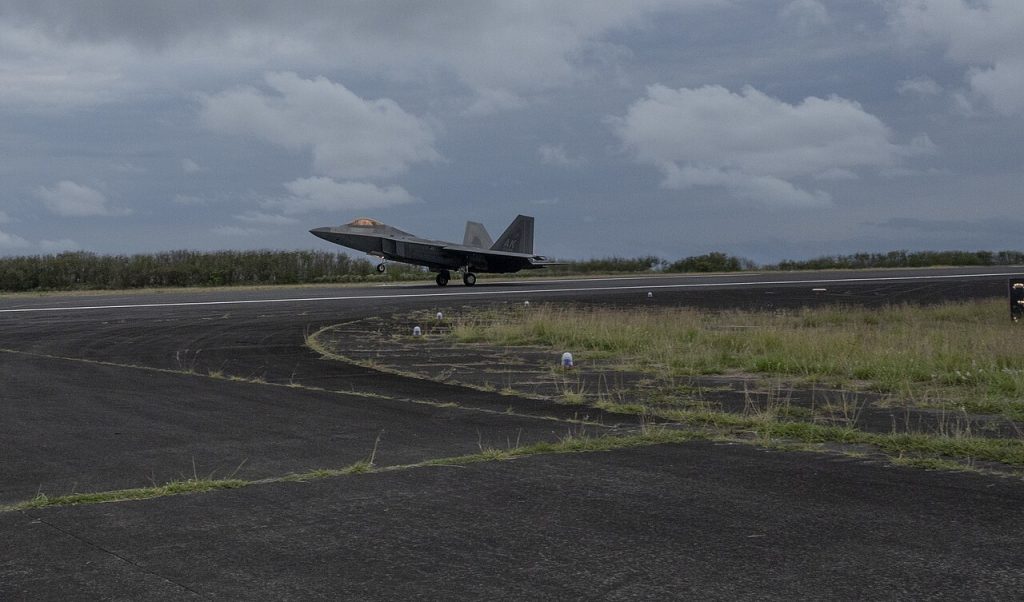
When first entering service, the F-22 Raptor redefined air combat. Its stealth, speed, and lethality made it the undisputed king of the skies. Still, in spite of its dominance, the Raptor faces an adversary it cannot outmaneuver: time. The march of technology, shifting strategic demands, and the realities of aging airframes are converging to challenge America’s premier dogfighter.
The U.S. Air Force is preparing for its next transition, one in which the mantle of air superiority will pass to the F-47 of the Next Generation Air Dominance program. That transition is not the result of any single weakness but reflects instead a constellation of economic, technological, and operational factors that cumulatively build a case for moving on. The following are the most compelling reasons why time, more than any foreign adversary, is forcing the Raptor’s retirement.
1. High Operating Costs That Strain Budgets
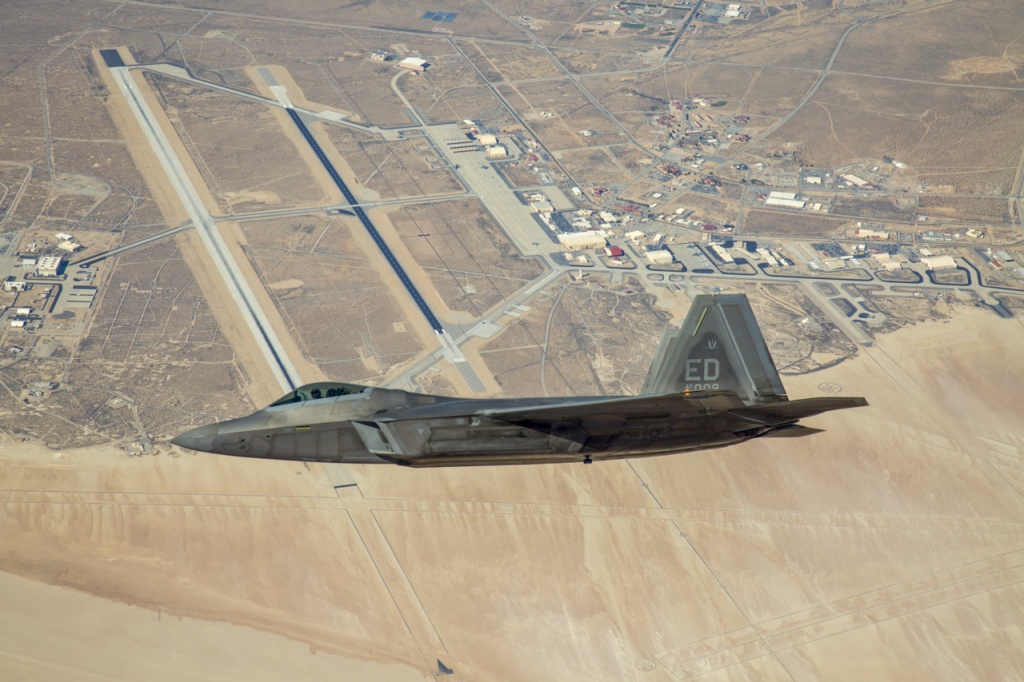
The F-22 is one of the most expensive fighters to operate, with estimates ranging from $68,000 to $85,000 per flight hour, because of complex stealth coatings, intensive maintenance cycles often 20–30 hours per flight hour and a supply chain hampered by the end of production after only 195 units. Maintaining the fleet until 2030 is projected to take over $9 billion, without daily operating costs. In contrast, aircraft like the F-16 cost less than a third per hour, underlining the Raptor’s budgetary burden.
2. Legacy Stealth Materials and Maintenance Challenges
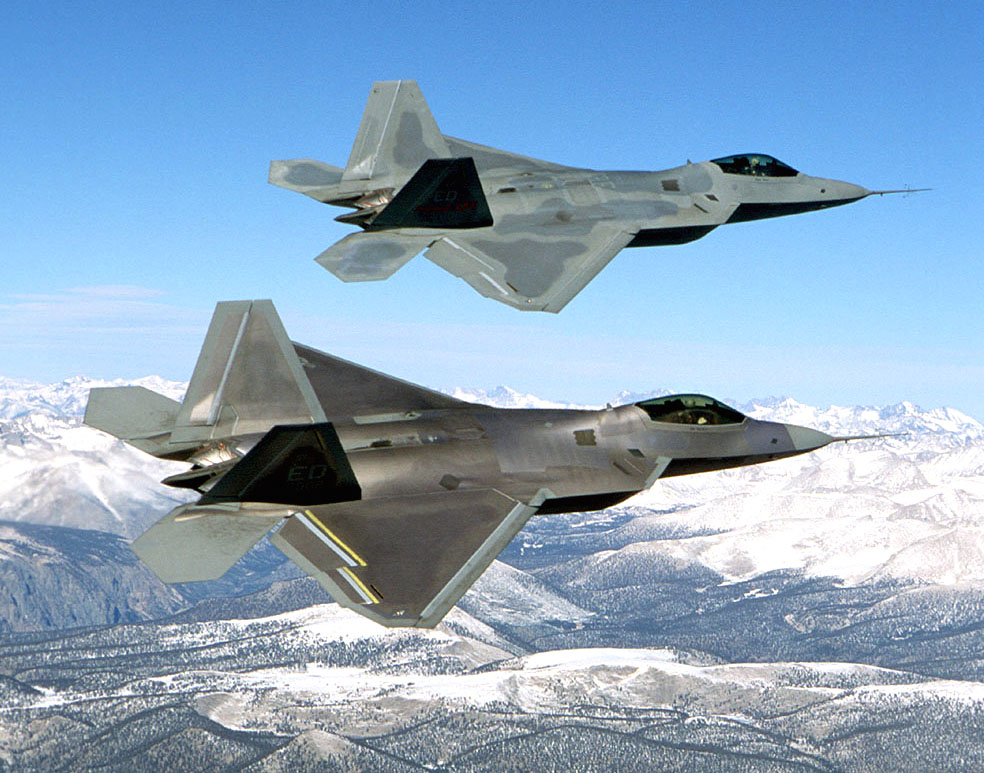
The F-22A Raptor’s environmental stress causes its radar-absorbent material to degrade so fast that frequent repairs to the aircraft are very costly. Minor abrasions from high-speed flight or sand can decrease stealth effectiveness; reapplication of coatings is required every few weeks. Unlike the more durable material stack on the F-35, retrofitting composite panels on the F-22 entirely changes strength and geometry; therefore, reengineering the design is maintenance-intensive and has kept availability rates lower than desired.
3. Limited Range in the Indo-Pacific Theater
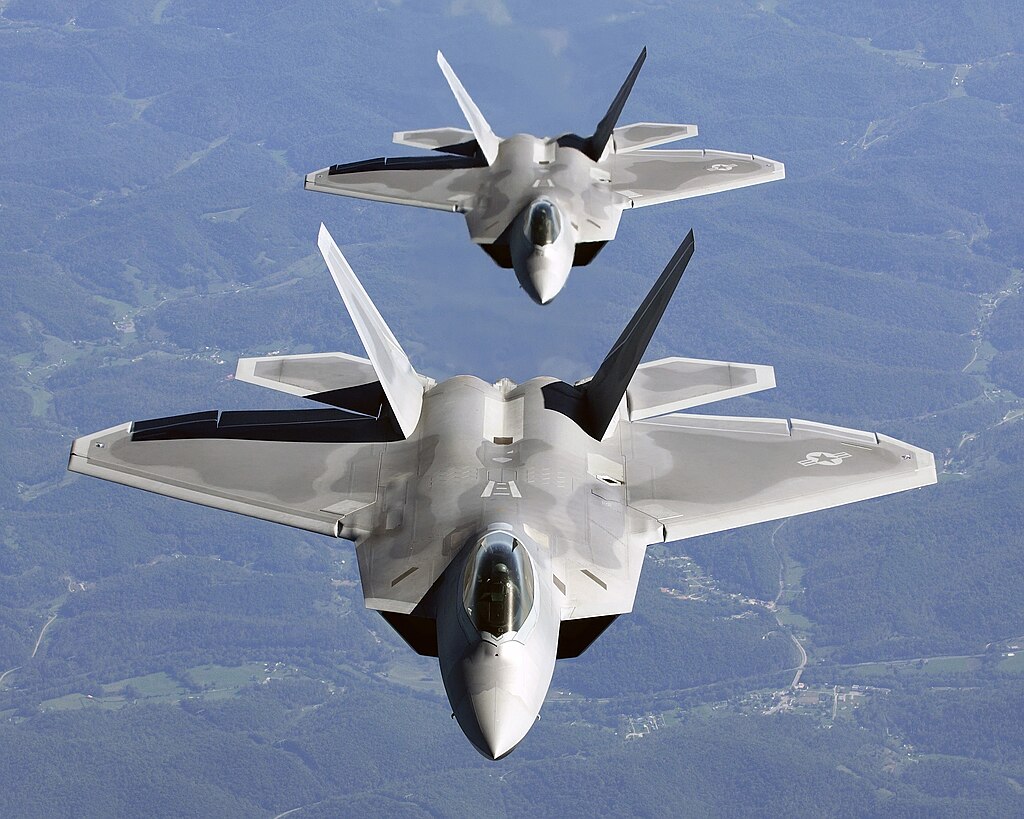
Designed for European combat during the Cold War era, the combat radius of the F-22 at about 590 nautical miles-considerably less when using supercruise-is ill-suited for large, expansive Pacific distances. As aviation analyst James Smith points out, reliance on tankers within 400 nautical miles exposes them to long-range missiles and stealth fighters. For comparison, the range of the F-35A is 760 nautical miles, with upgrades pushing toward 1,000. The F-47 will have over 1,000 nautical miles, offering a 25 percent boost in reach.
4. Obsolete Avionics and Data Links
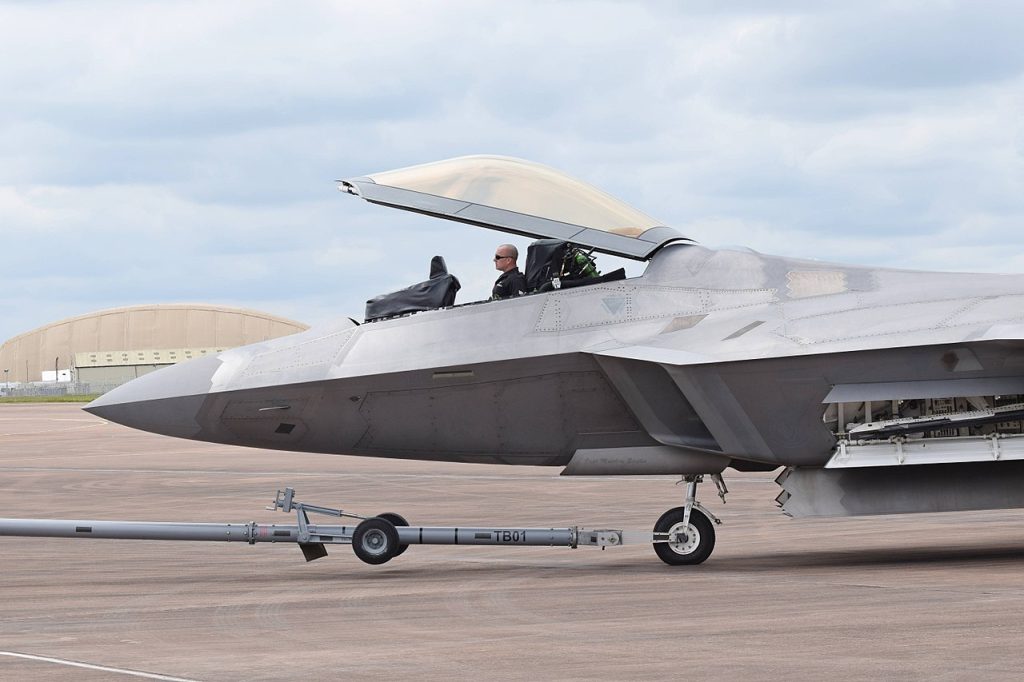
Core systems, such as the Common Integrated Processor and the Intra-Flight Data Link, perform poorly against modern electronic warfare environments. The Raptor’s ADA code is old, and its limited modularity makes integrating new sensors extremely labor-intensive. Without upgrades like helmet-mounted displays, panoramic cockpits, improved infrared sensors, and enhanced sensor fusion, the F-22 is at risk of falling behind adversary capabilities in contested airspace.

5. The Block 20 Dilemma
The Air Force’s 32 Block 20 Raptors are non-combat, training variants that lack modern communications and weapons integration. Retiring them would free up an estimated $500 million a year, but upgrading them to Block 30/35 combat standards would cost an estimated $3.3 billion over 15 years. Experts like Heather Penney argue that losing these jets would shift training burdens onto combat-ready aircraft, thereby degrading readiness and shortening operational lifespans.
6. A Production Line That’s Gone for Good
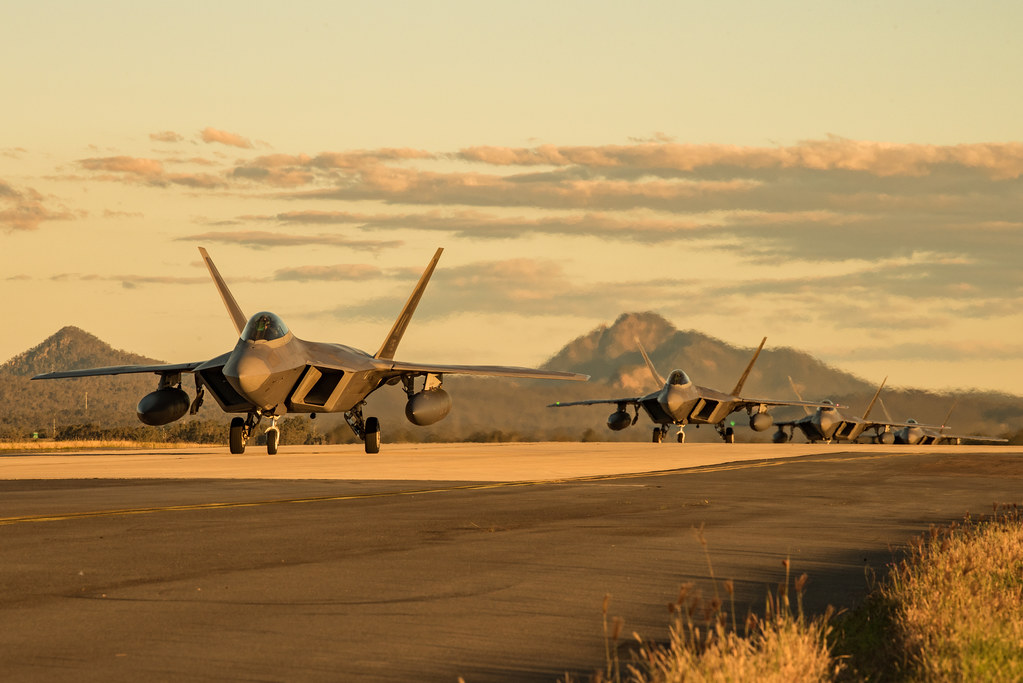
With the decision to shut down the F-22 production line, the size of the fleet is fixed at about 150 combat-coded jets. Accidents or losses in combat cannot be replaced, a striking contrast with China’s J-20 program, which has produced hundreds of aircraft, and underlines the strategic risk of operating a capped fleet in high-intensity conflict.

7. NGAD’s F-47: Designed for the Future
Stealthier, faster, and longer-ranged than the Raptor, Boeing’s F-47 will feature broadband low observability and reduced infrared signature. It will act as a “quarterback” for autonomous Collaborative Combat Aircraft drones, integrating advanced datalinks, spectral warfare capabilities, and next-generation engines. Air Force Chief of Staff Gen. David Allvin has underlined the urgency of fielding the F-47 by 2028 in the face of rapidly advancing Chinese designs.
8. Loyal Wingman Integration
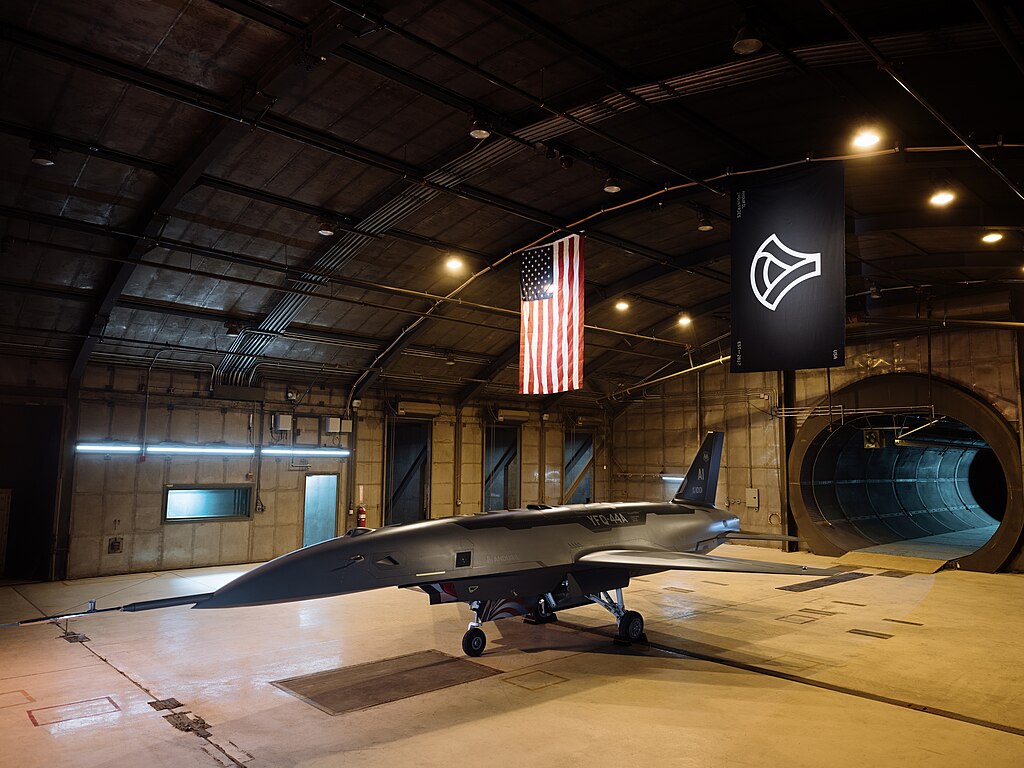
The F-47 is designed to function in company with CCAs like Anduril’s YFQ-44 and General Atomic’s YFQ-42, increasing sensor reach and combat mass while lessening pilot risk. The F-22 will get CCA support before the decade is out, but the design of the F-47 maximizes manned-unmanned teaming from its inception, allowing flexible and survivable tactics in anti-access/area denial environments.
9. Comparative Stealth Evolution
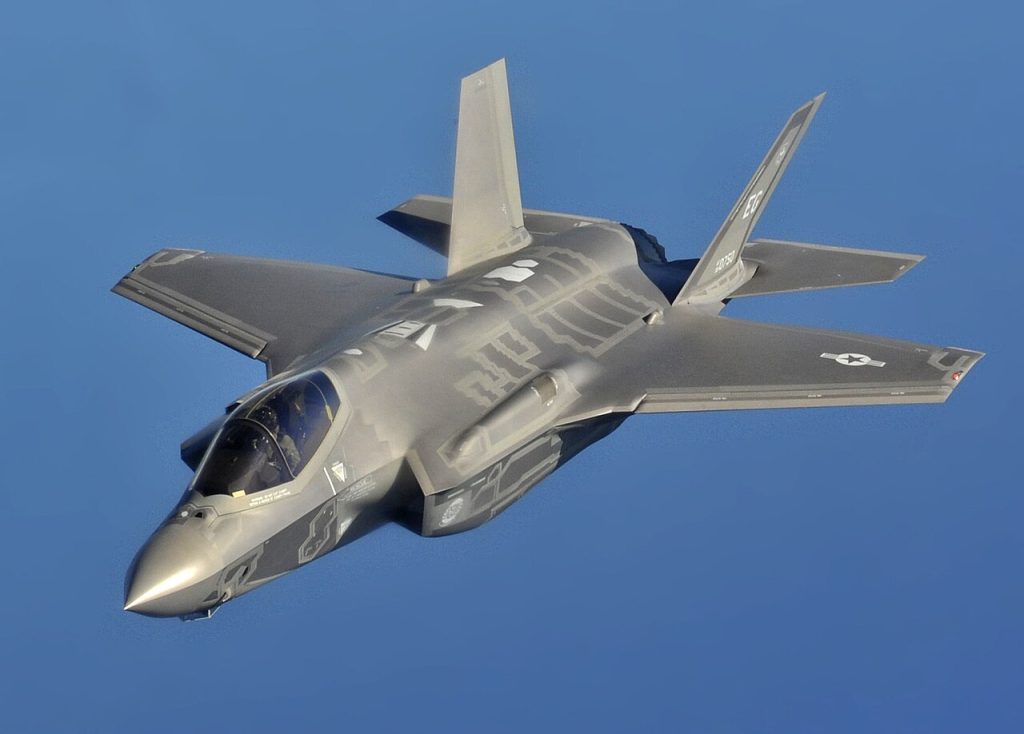
The F-22 remains the stealthiest of all current fighters, with a radar cross-section up to 15 times smaller than the F-35 and vastly smaller than China’s J-20. However, adversaries are closing the gap, and the F-47’s all-aspect stealth is expected to outperform even the Raptor, including resilience against lower-frequency counter-stealth radars.
10. Strategic Shift to Systems Over Platforms
Air Force leaders emphasize that any future combat dominance will be achieved through integrated systems, not through individual aircraft. The F-47 is part of a larger NGAD ecosystem including advanced weapons, networking, and battle management. The “system of systems” approach reflects a shift from platform-centric thinking to networked, multi-domain operations-something the architecture of the F-22 was never designed to fully exploit.
For two decades, the F-22 Raptor’s unparalleled dogfighting capability has kept it at the pinnacle of air combat; realities such as cost, range, aging systems, and a fixed fleet size make its eventual replacement inevitable. The F-47 associated with the NGAD program isn’t just a successor-it’s a reimagining of air dominance for the 21st century, designed to seamlessly integrate with autonomous systems and survive in the most contested environment possible. It may be that time is the one adversary the Raptor cannot defeat, but its legacy will shape the future of American airpower.


