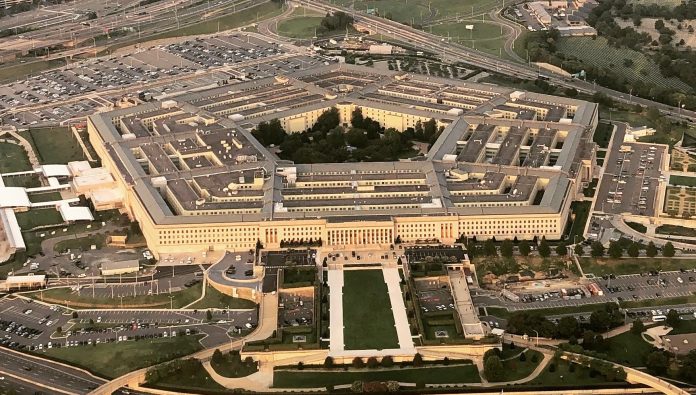
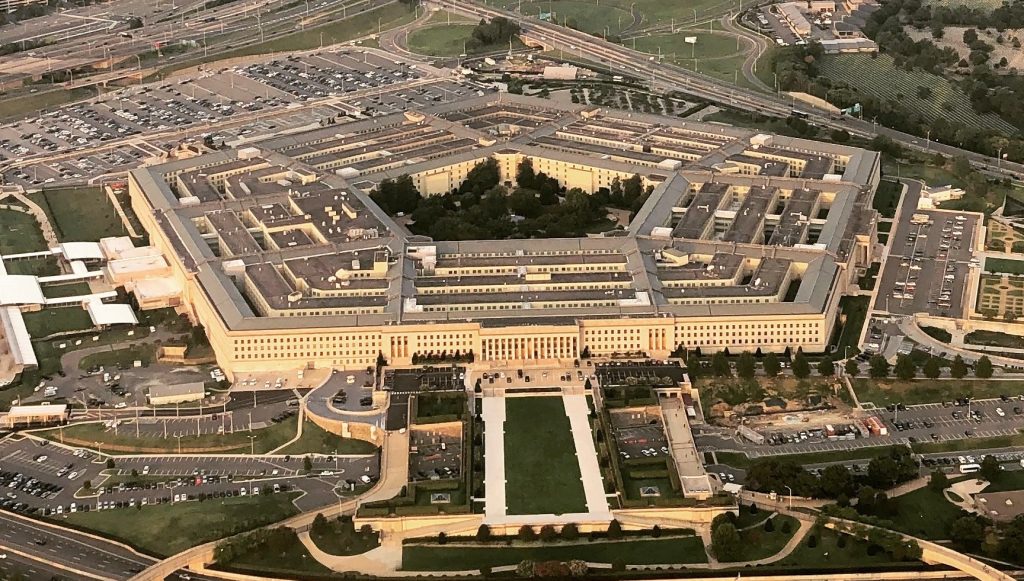
How can a $15 knob ground a $47 million helicopter? That’s not a hypothetical, it’s a very real example from the U.S. Army’s Black Hawk fleet, where contractor restrictions have forced the military to pay exorbitant sums for basic repairs. It’s the heart of a growing legislative and policy fight over the Pentagon’s right to repair its own equipment.
It’s a debate that’s sharpened considerably in recent months, with Senator Elizabeth Warren accusing the defense industry of maintaining a status quo that siphons taxpayer dollars and undercuts readiness, while military leaders are pushing for reforms that would permit service members to fix their own gear, often using advanced manufacturing technologies like 3D printing. The issue has now become entwined with fiscal 2026 defense funding negotiations, making it both a budgetary and strategic flashpoint.
Here are nine critical developments at the levels of legislative proposals, industry resistance, and field-level innovations that show how this right-to-repair fight might reshape military logistics, acquisition, and operational resilience.

1. Warren’s Direct Challenge to the Defense Industry
On November 5, US Senator Elizabeth Warren sent a blistering letter to the president of the National Defense Industrial Association, David Norquist, accusing the group of undermining bipartisan repair-rights provisions in the pending National Defense Authorization Act. Warren referred to the opposition as “a dangerous and misguided attempt to protect an unacceptable status quo of giant contractor profiteering,” according to Reuters. Warren called for full disclosure of which member companies oppose the reforms and how much they have spent lobbying against them. Her intervention comes at a critical juncture, as House and Senate negotiators iron out bill language that would compel contractors to deliver technical data for field repairs. Warren’s position aligns her with a coalition of Democrats, Republicans, veterans and more than 300 small businesses who say the provisions could save billions while boosting readiness.

2. Warrior Right to Repair Act of 2025
Co-sponsored by Warren and Senator Tim Sheehy, the bill would prohibit the Pentagon from buying goods unless contractors agree to provide “fair and reasonable access” to parts, tools, software and technical data. The bill defines fairness as offering the same terms given to authorized repair providers. Agency acquisition chiefs could only waive the requirements for current contracts with formal justification and an independent technical risk assessment. The bill’s chances of inclusion on the NDAA have been bolstered by support from service secretaries Navy Secretary John Phelan referred to himself as a “huge supporter” and Defense Secretary Pete Hegseth.

3. Contractor Constraints and Non-Readiness Risks
Contract-imposed limits have long made military maintainers dependent upon the original manufacturer, even for minor repairs. The Project on Government Oversight has documented cases where Navy ships require flown-in contractors for simple repairs, Marines ship engines back to the U.S. instead of fixing them in Japan, and Air Force F-35 repairs are delayed due to withheld technical data. These statutory restrictions translate into very real costs in the forms of delays, artificially inflated costs, and sometimes greater operational risk. Recently, for instance, Army Secretary Dan Driscoll pointed to a Black Hawk knob that was part of a full assembly costing $47,000 but producible for $15.

4. 3D Printing as a Strategic Repair Tool
Driscoll’s keynote at AUSA 2025 showcased additive manufacturing’s potential. Holding up a 3D-printed Black Hawk external fuel tank fin, he said the vendor price over $144,000 compared to the Army’s in-house cost of just over $3,000. The Army’s version was also “300 percent stronger and 78 percent cheaper.” He said such examples show how on-demand manufacturing can avoid supply chain bottlenecks and drastically lower costs. Repairs on modular, open-architecture systems should be “as easy as printing a part or buying one off the shelf”, argued Driscoll.

5. Expanding Field-Level Manufacturing Capability
Lt. Gen. Christopher Mohan also relates how soldiers have taken to using tactical networks to tap a digital repository of validated part designs, download them, and print replacements in the field. Such parts-fan grates, door handles-are basic but prove the concept.
The Army is testing whether it can 3D print 60 components in 60 days, a pace that would dramatically shorten production timelines. Mohan added that acquiring rights to specific parts-rather than whole systems-could allow targeted manufacturing without breaching broader intellectual property protections.
6. Navy and Marine Corps Additive Manufacturing Successes
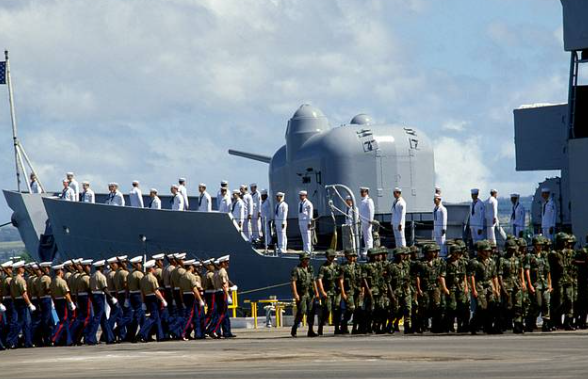
The Navy’s Southeast Regional Maintenance Center reverse-engineered and printed a chilled-water pump rotor for an Arleigh Burke-class destroyer. The prototype cost $17.63, the final part $131.21 — compared to a conventional price of $316,544.16. The Naval Undersea Warfare Center has likewise produced components for submarines and unmanned underwater vehicles. These cases represent how additive manufacturing can provide mission-qualified parts at a fraction of the cost of traditional means while improving the resilience of supply chains in contested environments.

7. Institutional Shift to Digital Logistics
The Defense Logistics Agency is leading the way from storing physical inventories to digital repositories of certified 3D-print designs, a shift that will let parts be produced at the point of need and reduce lead times and logistics burdens. Remaining challenges, however, must still be overcome, including qualification of printed materials, part certification, security of digital files, and maintenance of printer infrastructure. The SURGE program at DARPA is focused on surmounting another major obstacle: qualification of metal parts.

8. Intellectual Property as a Battleground
The pushback from industry tends to center around concerns about the protection of proprietary designs. Stan Soloway, chief executive of Celero Strategies, said years of mistrust between government and contractors have created a “zero-sum game” over intellectual property. The Warrior Right to Repair Act attempts a balance between access and protection, but the debate clearly is a contentious one. The comment by Mohan, “It is a shame on us for not buying it upfront”, reflects frustration at the Army’s historical failure to secure needed rights during initial procurement.

9. Momentum of Legislation and Implementation Prospects
Greg Williams of the Project On Government Oversight said the measure has bipartisan agreement and enthusiasm in the executive branch, so there is a good chance it will pass this year. The Pentagon has already instructed the Army to review contracts and add repair-rights provisions. The law, when passed, would force the defense secretary to identify contract modifications required to eliminate such IP constraints. Williams is convinced that implementation will be aggressive because Congress, service secretaries, and the Pentagon are aligned.
The fight for right-to-repair is more than a budgetary skirmish; it is a contest of control, capability, and the future of military sustainment. Paired with the advancement of additive manufacturing, legislative reform could fundamentally change how the Pentagon keeps its assets running. Whether the industry adapts or resists, the outcome will shape readiness, cost efficiency, and the balance of power in defense acquisition for years to come.


