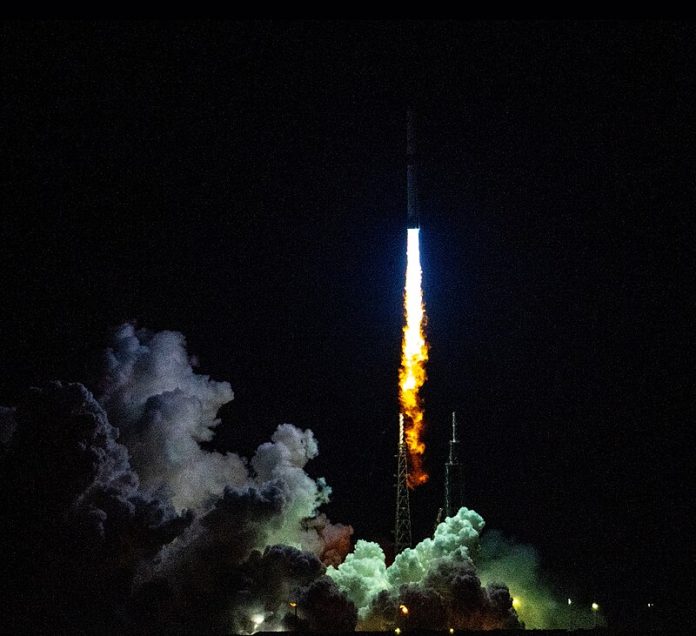
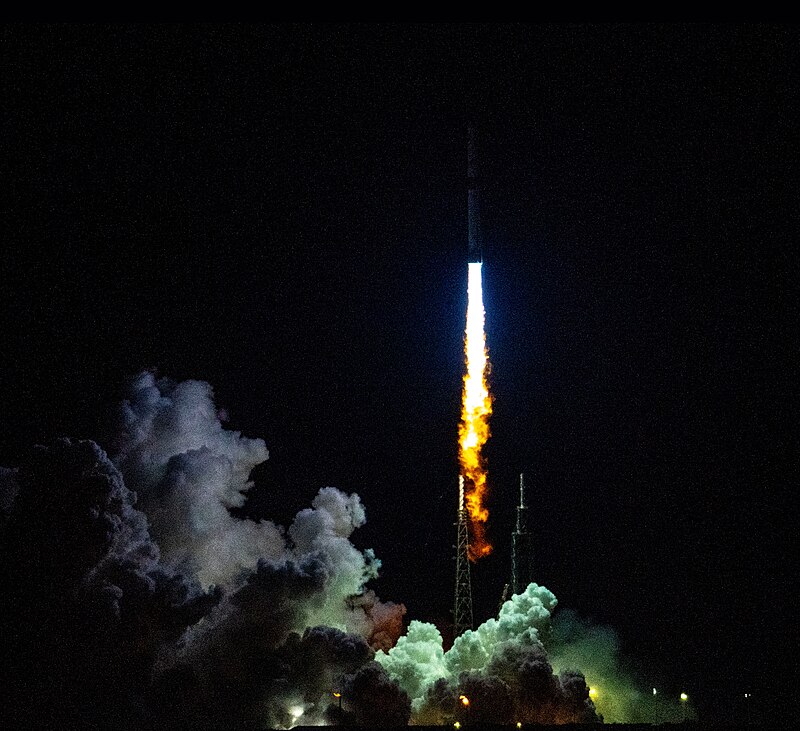
Could a bank of Florida cumulus clouds really stall a mission years in the making? For Blue Origin’s New Glenn, the answer was yes and the delay ripples far beyond the Florida coast. The rocket’s second-ever flight carrying NASA’s twin ESCAPADE spacecraft on a complex trajectory toward Mars was scrubbed after weather violations closed its 88‑minute launch window. The setback tightens not only the timeline for a rare planetary departure but also postpones a critical test of Blue Origin’s reusable booster ambitions.
1. Weather Rules and Airspace Restrictions
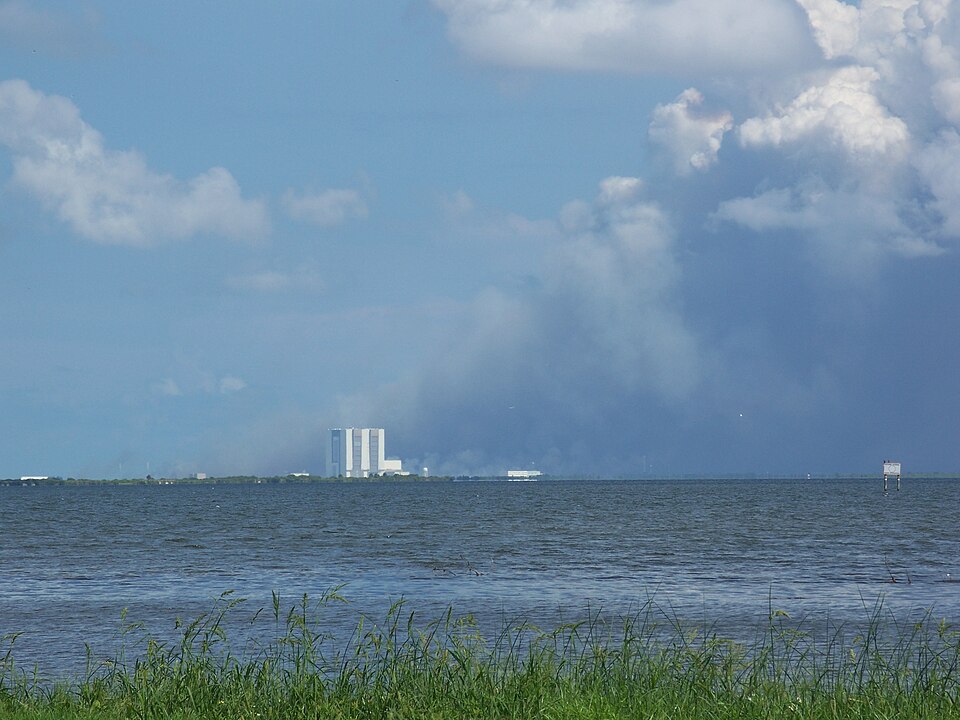
Launch providers have strict meteorological constraints, and for good reason. Electrified clouds can trigger lightning strikes on ascent, compromising vehicle integrity. On Sunday, cumulus cloud cover over Cape Canaveral violated range safety criteria, forcing a scrub. Complicating matters, the Federal Aviation Administration has imposed a temporary 10 p.m. to 6 a.m. launch curfew during the ongoing U.S. government shutdown to ease strain on unpaid air traffic controllers. This means missed afternoon windows could push launches back days, even weeks, unless waivers are granted.
2. New Glenn’s Heavy-Lift Engineering
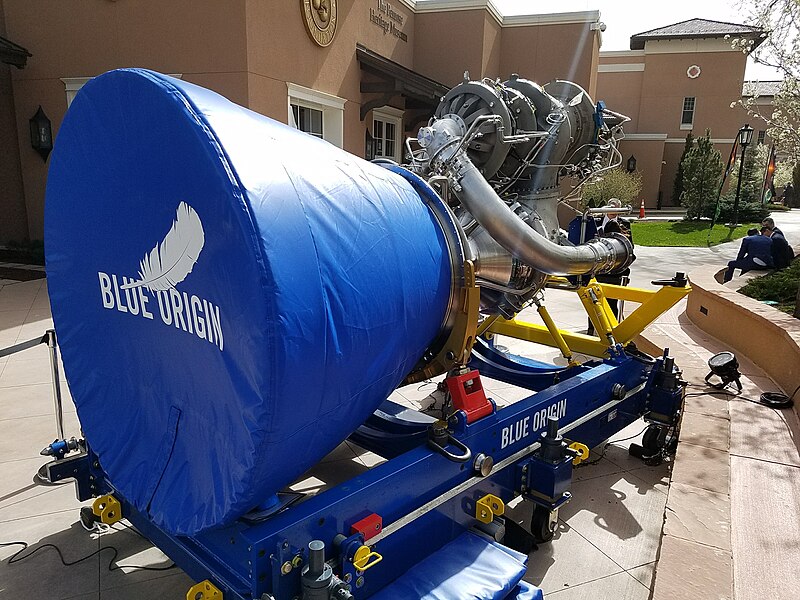
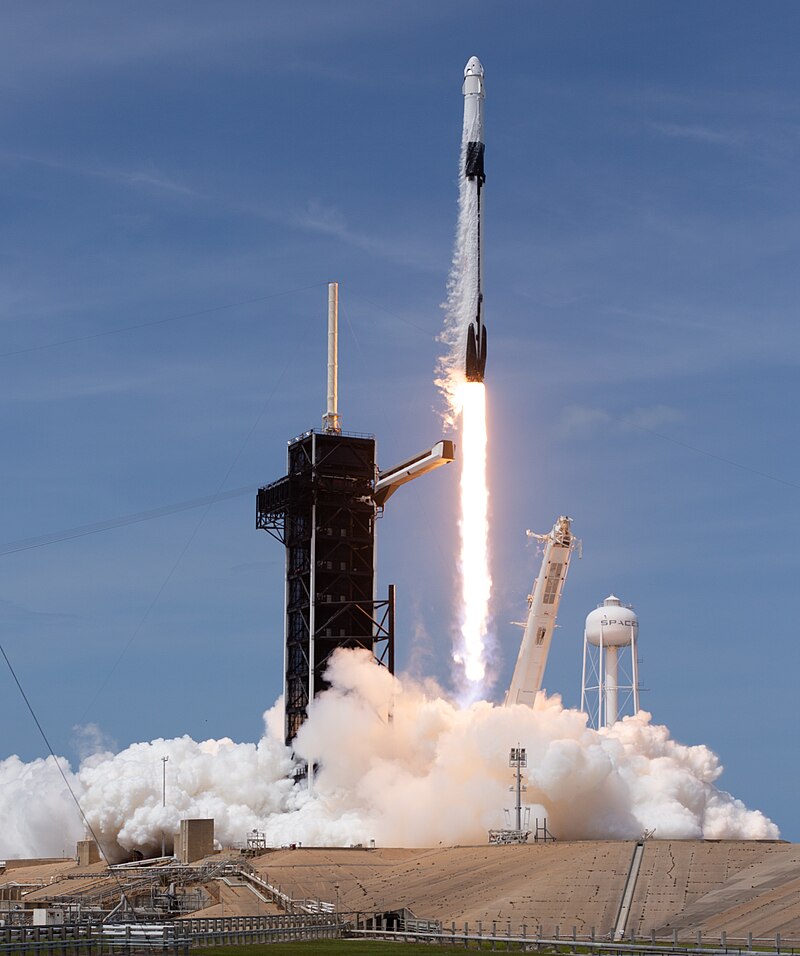
Standing 98 meters tall and seven meters wide, New Glenn is one of the largest orbital rockets ever built. Its first stage, Glenn Stage 1, uses seven BE‑4 engines burning liquid methane and liquid oxygen to generate 17,100 kN of thrust. Glenn Stage 2 uses a pair of BE‑3U engines that run on liquid hydrogen and LOX, offering high‑efficiency burns in vacuum. Orthogrid aluminum tanks with common bulkheads reduce mass while maintaining strength. Fully expendable, New Glenn can loft 45 metric tons to low Earth orbit partially reusable, it aims to slash costs in the competitive heavy‑lift market.
3. Booster Recovery as a Business Imperative
Blue Origin’s business model relies on reusability. The GS1‑SN002 booster, nicknamed Never Tell Me The Odds, will attempt a landing on the seafaring platform Jacklyn stationed hundreds of kilometers downrange. In January, the first New Glenn booster failed to reignite its engines and crashed into the Atlantic. Since then, engineers have modified the propellant management system and made hardware tweaks to improve restart reliability. A successful recovery would make New Glenn join SpaceX Falcon 9 and Falcon Heavy as the only operational orbital-class rockets with reusable first stages.
4. ESCAPADE’s Unconventional Route to Mars
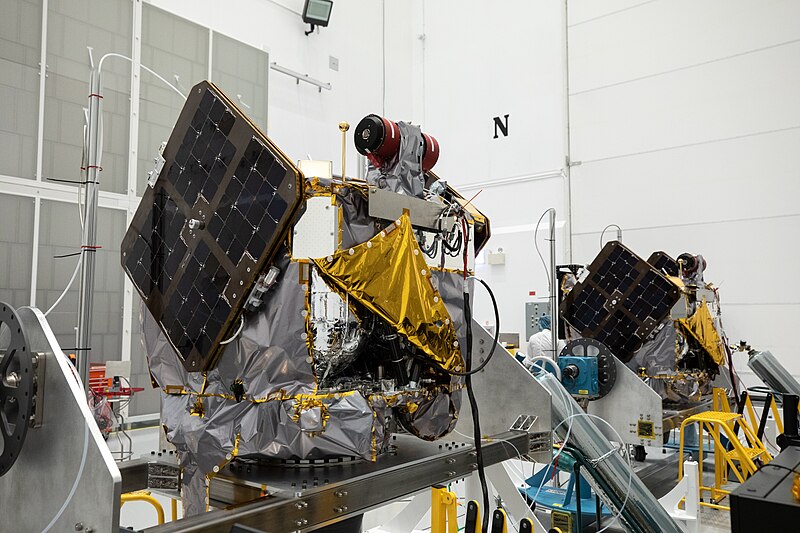
The Escape and Plasma Acceleration and Dynamics Explorers will not take a direct Hohmann transfer. Instead, the 535‑kilogram twin probes will first cruise to the Sun–Earth L2 Lagrange point, loitering there until a favorable planetary alignment in late 2026. This “kidney‑bean” staging orbit offers flexible launch dates and could become a template for dispatching fleets of spacecraft without being locked into narrow biennial Mars windows. The trade‑off higher radiation exposure and increased fuel consumption before Mars orbit insertion.
5. Scientific Payload and Mission Objectives
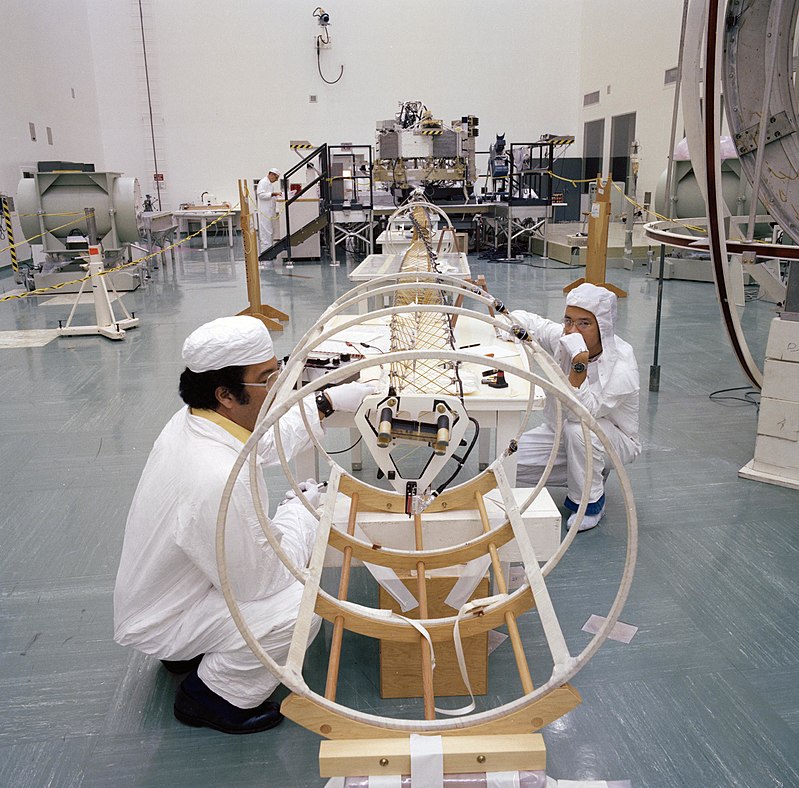
Each probe carries a magnetometer on a two-meter boom to map Mars’ patchy crustal fields, an electrostatic analyzer to measure suprathermal ions and electrons, and a Langmuir probe suite to characterize plasma density and spacecraft potential. Operating in complementary orbits-one as low as 7,000 km apoapsis, the other as high as 10,000 km-they will create a 3D, time-resolved map of how the solar wind energizes and strips away the Martian atmosphere.
6. Atmospheric Loss and Human Exploration of Mars
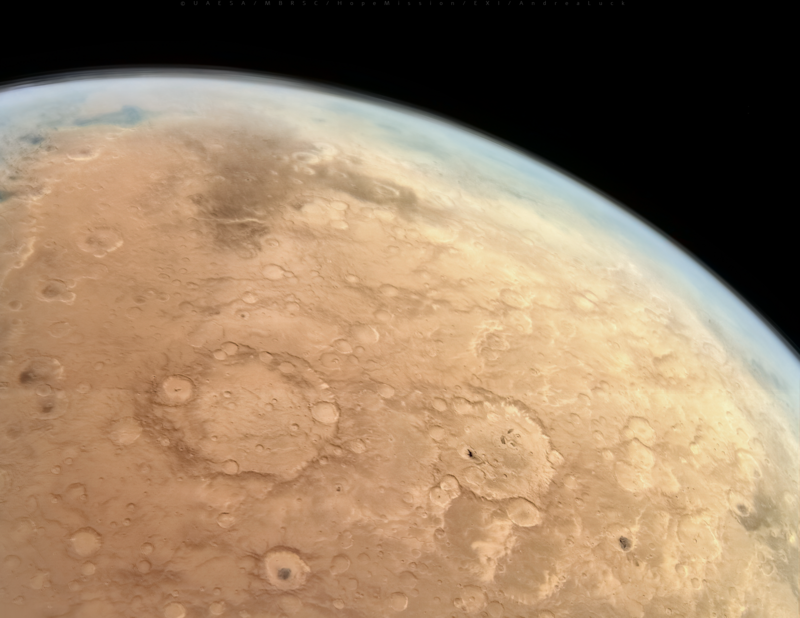
Geologic evidence shows that Mars once had liquid water and a thick atmosphere. When the global magnetic dynamo was lost billions of years ago, it left the planet unprotected from solar wind erosion that has since reduced atmospheric pressure to less than 1% of Earth’s. “We will be making the space weather measurements we need to understand the system well enough to forecast solar storms whose radiation could harm astronauts on the surface of Mars or in orbit,” says principal investigator Robert Lillis.
7. Technology for Space Weather Monitoring
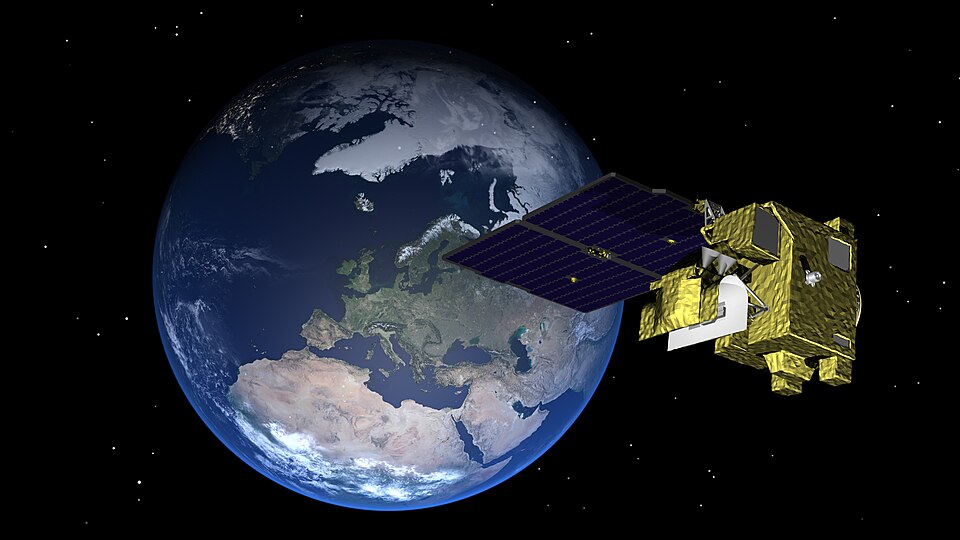
ESCAPADE’s dual-satellite configuration follows in the footsteps of multi-point missions at Earth, such as THEMIS and MMS, which have revolutionized space weather forecasting. No such system has yet been deployed at Mars. Simultaneously monitoring the magnetosphere, ionosphere, and upper atmosphere, ESCAPADE will make the first near-real-time measurements of radiation hazards, ionospheric disturbances, and atmospheric expansion events that can disrupt communications and alter orbital drag-the very same phenomena that have already impacted spacecraft both at Earth and Mars.
8. Competitive and Strategic Stakes
NASA awarded ESCAPADE’s launch to Blue Origin for about $20 million-a fraction of the cost of typical interplanetary launches-accepting the higher risk given New Glenn’s limited flight history. Success would bolster Blue Origin’s credibility in the planetary science market and intensify its rivalry with SpaceX. “More launches means more ideas in space,” says Cornell’s Mason Peck. “It can’t be a bad thing to have Blue Origin, even trailing behind.”
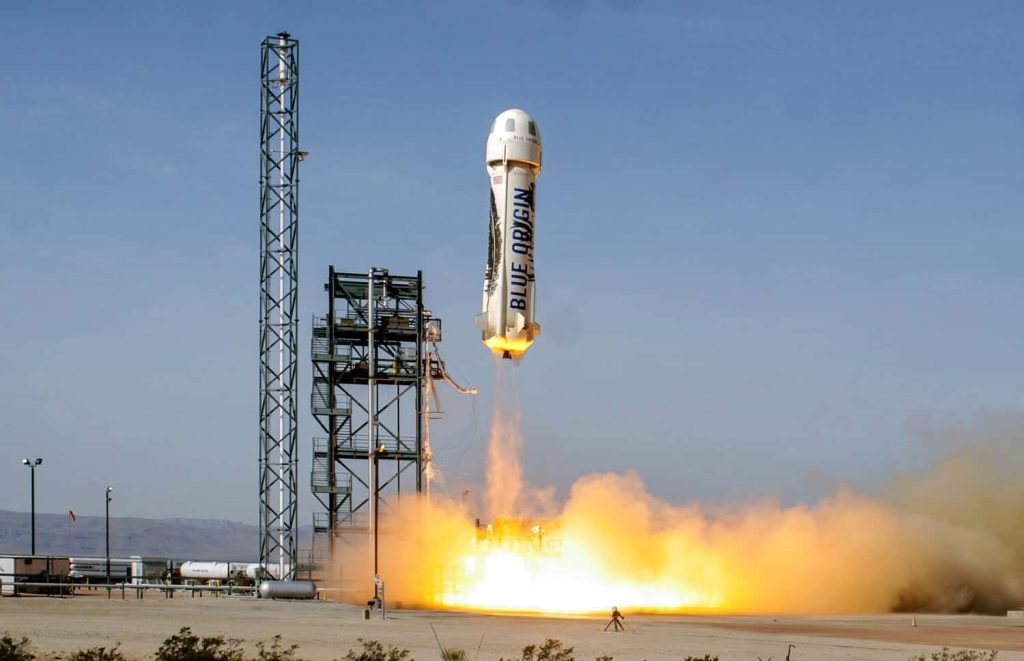
The delay was a reminder of how fragile planetary mission schedules are. Orbital mechanics, engineering readiness, and sometimes the passing clouds must all align. For Blue Origin, the next attempt will test not just a rocket but a business model, and for NASA, it will set in motion a mission that may redefine how humanity explores, and one day will inhabit, Mars.


