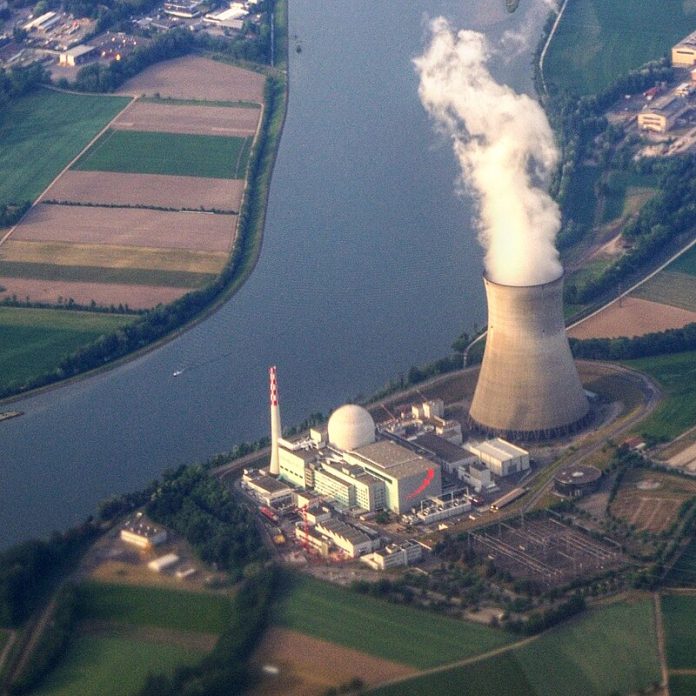
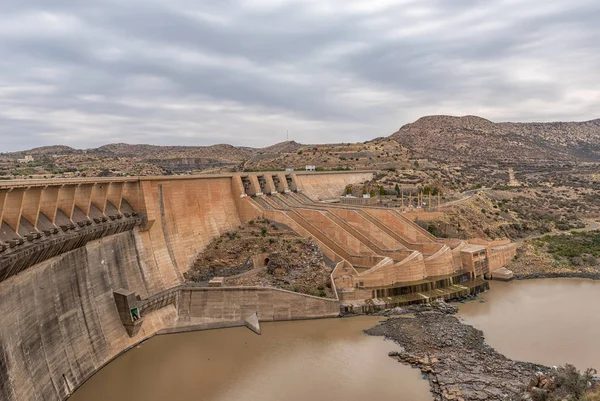
Water reserves have dropped to levels Iran has not seen in decades, with the capacity of many major dams falling into single digits, and some completely drying up. This collapse in water availability is nothing less than a humanitarian emergency, an immediate peril to the country’s energy infrastructure, and to its strategic ambitions, including its nuclear program.

1. Critical Dam Depletion and Urban Vulnerability
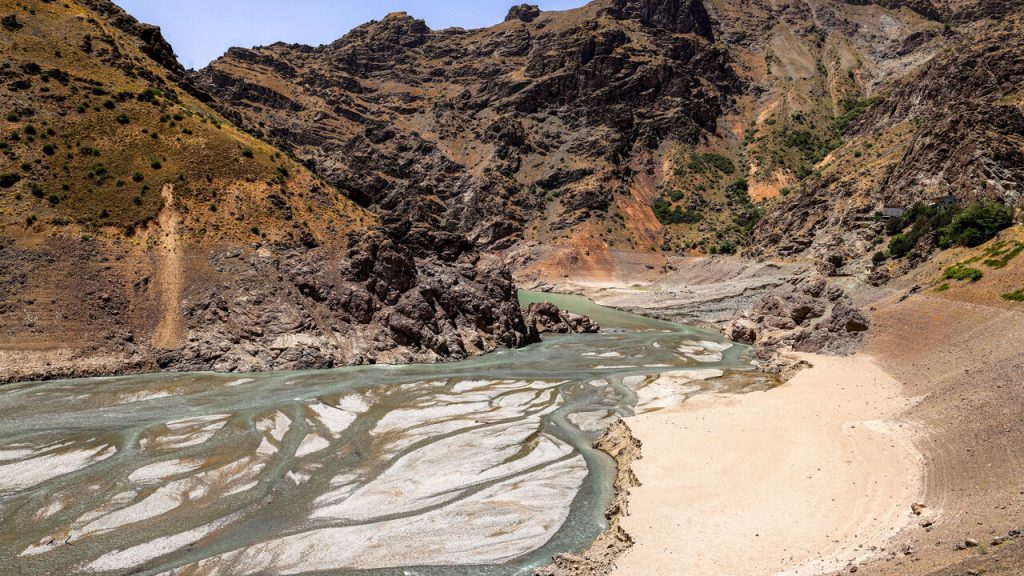
Five major reservoirs around Tehran are near collapse. The Lar Dam, formerly the most important for the capital, is only 1 percent full. Another reservoir operates at less than 8 percent capacity. Energy Minister Abbas Aliabadi ordered nightly water cuts to refill reservoirs. He requested that citizens reduce consumption by 20 percent to avoid rationing. It is worse in Mashhad: The four dams supplying the city hold less than 3 percent of their combined capacity, putting this city of 4 million on the verge of emergency measures. Such depletion isn’t just about drinking water; it compromises the hydroelectric systems supplying electricity to millions.
2. Hydropower Loss and Energy Grid Strain
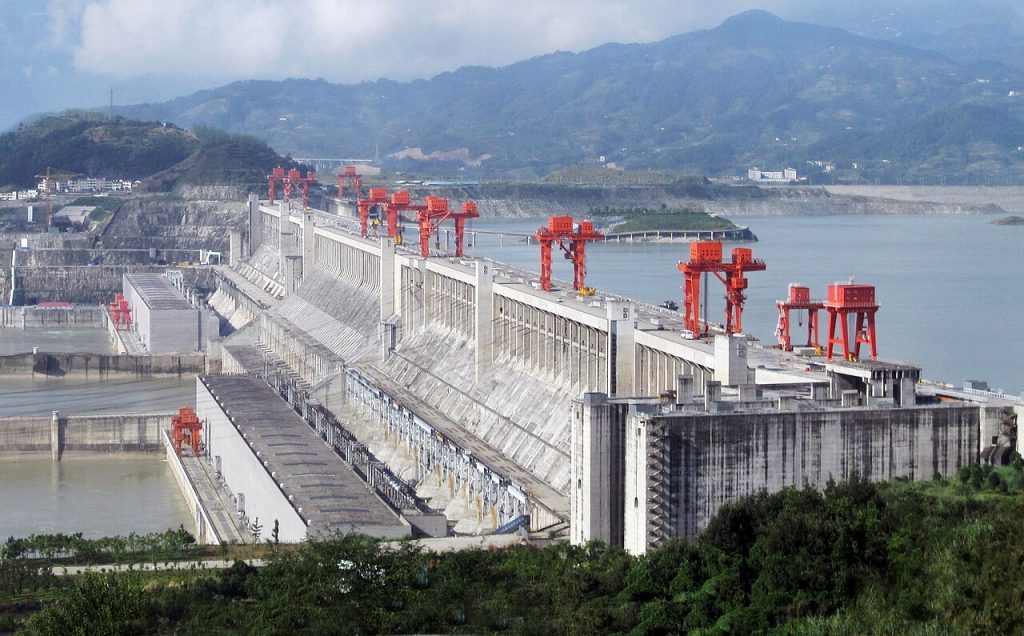
Iran’s hydroelectric power plants require steady levels of water at their reservoirs for consistent turbine output. Inflows reduced by protracted drought translate into lower kinetic energy driving generators, thus setting in motion cascading power shortages. In winter 2024, the deficit in electricity supplies reached 18,000 megawatts, while forecasts show that this may rise to 25,000 megawatts in 2025. Vulnerability from water scarcity is intensified by old infrastructure. Indeed, very many turbines and transmission lines are several decades old, characterized by repeated breakdowns. Such a combination of water scarcity and energy losses provides a feedback loop in which rolling blackouts disrupt pumping stations, thereby reducing water distribution capacity.
3. Climate Change and Regional Rainfall Collapse
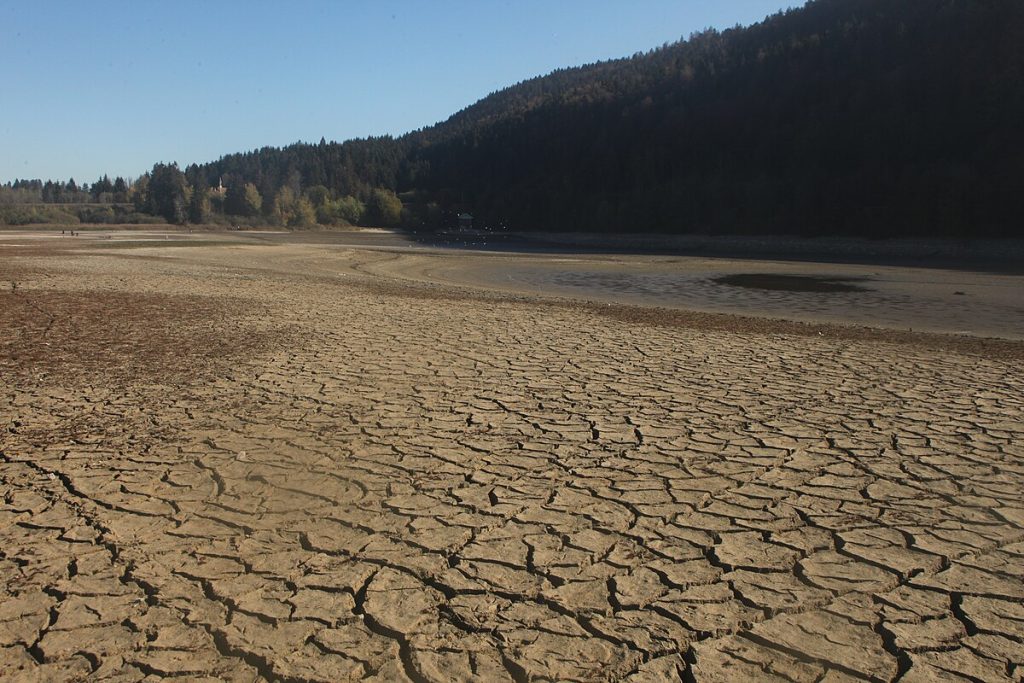
Meteorological data shows that rainfall has fallen by as much as 77 percent in the case of Hormozgan Province and 72 percent for Sistan and Baluchestan. This, in turn, is leading to the stripping of reservoirs and aquifers faster than nature can replenish them, with evaporation rates three times higher than the world average. Situated in an arid climatic zone, the Iranian position ensures that precipitation patterns are highly sensitive to any shift in atmospheric circulation under conditions of global warming. These changes are not temporary anomalies but part of a sustained trend toward hotter, drier conditions, making recovery without structural adaptation unlikely.
4. Engineering Mismanagement and Infrastructure Decay
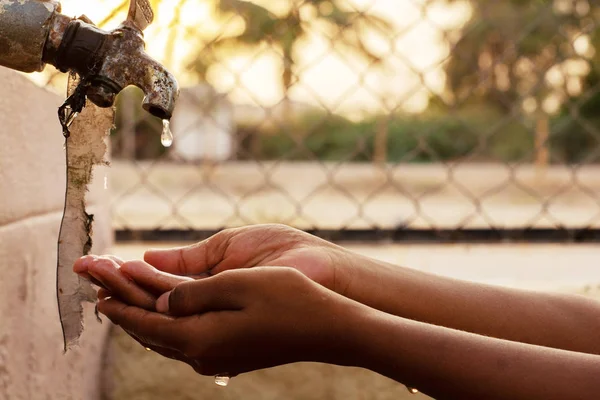
Decades of water policy favored the construction of dams and deep well drilling over maintaining distribution networks and conserving water. Tehran’s century-old pipelines leak substantial volumes, adding to the scarcity. Meanwhile, sedimentation in reservoirs has reduced storage capacity; in some dams, “dead water” – the unusable volume below intake levels – comprises most of what remains. In Mashhad, only one of four supply dams remains operational, forcing authorities to consider regional rationing plans. The absence of investments in modern irrigation and urban water recycling further raises pressure on the few remaining supplies.
5. Agricultural Water Demand and Food Security Risks
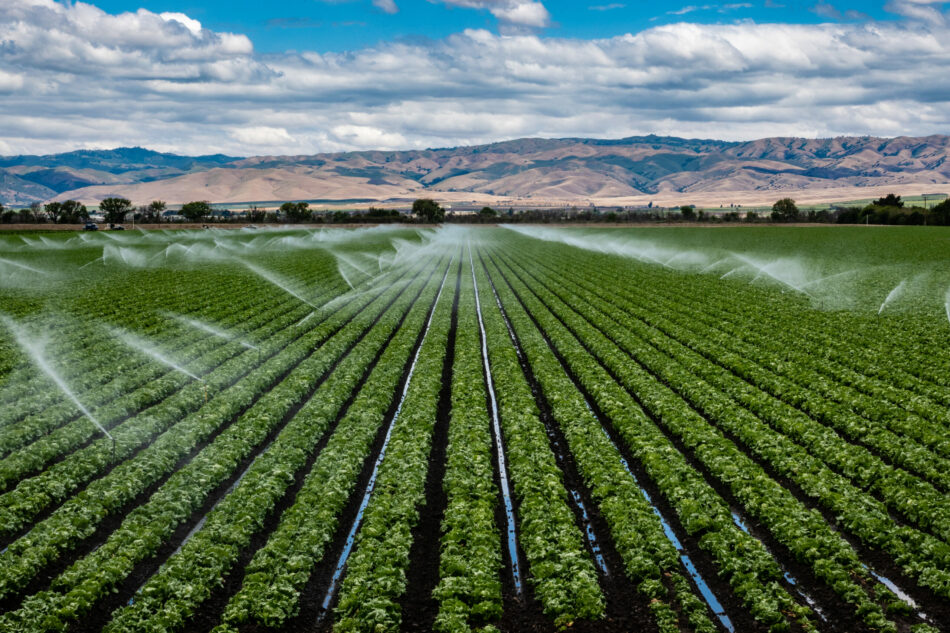
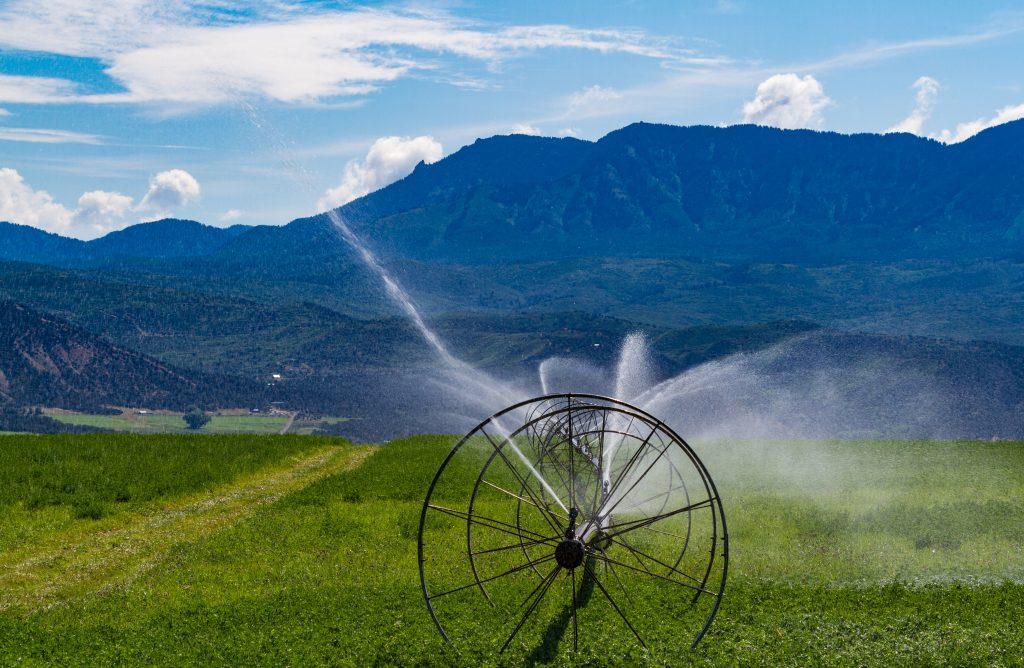
Nearly 93 percent of the water use in Iran is accounted for by agriculture, even though it generates only 10 percent of GDP. Large amounts of water are wasted due to inefficient methods of flood irrigation and over-extraction of groundwater to feed crop production. Already, diminished crop yields from high-water crops are putting a damper on domestic food security and risk destabilizing regional food markets that have traditionally been supplied by Iranian producers. A ban by the government on double cropping aims to curb demand, but without modernization of the irrigation technology, such measures offer only marginal relief.
6. Geopolitical Implications for Nuclear Infrastructure
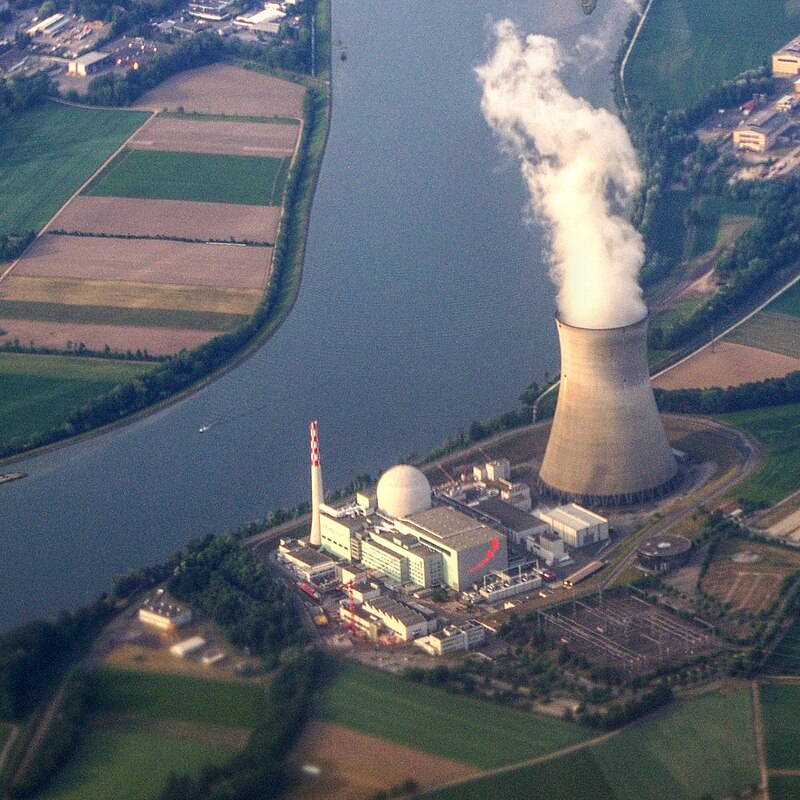
Kaveh Madani, the director of the United Nations University Institute for Water, Environment and Health, said: “If water and electricity shortages continue, any nuclear program would be affected too.” Enrichment facilities, such as the fortified Pickaxe Mountain site, rely on stable supplies of electricity to power centrifuges and cooling systems. The fall in hydropower output entails heavier usage of thermal plants, which in turn use water for cooling – their operational reliability will decrease if the shortages continue, slowing enrichment or even forcing shutdowns.
7. Urban Contingency Planning and Social Stability
In the absence of increased rainfall ahead of winter, President Masoud Pezeshkian recently warned that the partial evacuation of Tehran could become a reality. Specialists rule out large-scale relocation for economic and logistical reasons but are drafting contingency plans at the provincial level nonetheless. The “Day Zero” scenario where the taps run completely dry has already generated public unease. Power cuts and water shortages have led to protests in the past; this time, the risk of unrest is greater with shortages across both sectors occurring in tandem.
8. Possible Engineering Solutions
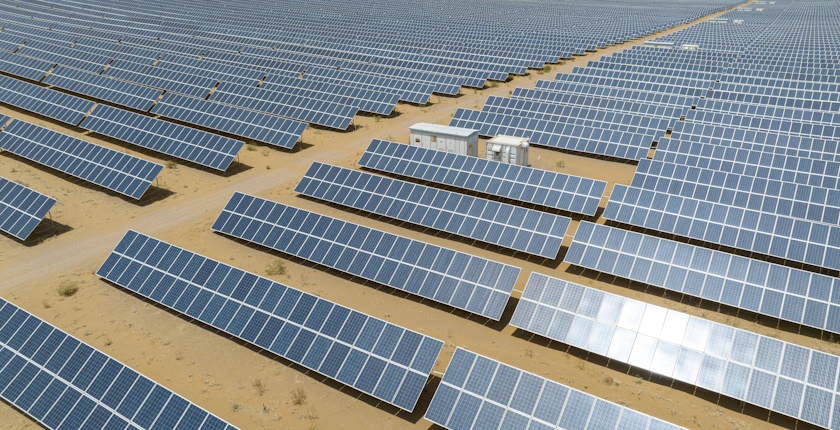
These include the mitigation strategies of investment in a desalination plant along the southern coasts of Iran, the expansion of urban wastewater recycling, and the application of precision irrigation in the agricultural sector. Efficiency would be further enhanced by variable-speed turbines in renovated hydropower facilities due to fluctuating inflows. Diversification toward solar energy-a resource of plenty in Iran’s climate-will further reduce dependence on water-intensive generation.
All these measures require large capital investment and technical expertise, both of which are in short supply due to ongoing international sanctions. What Madani describes as “water bankruptcy” in Iran represents the cumulative outcome of climate stress, engineering neglect, and political inertia. Unless determined action is taken, the self-reinforcing collapse of water and energy systems will further erode the resilience of a country whose domestic stability and strategic capabilities are already being undermined.


