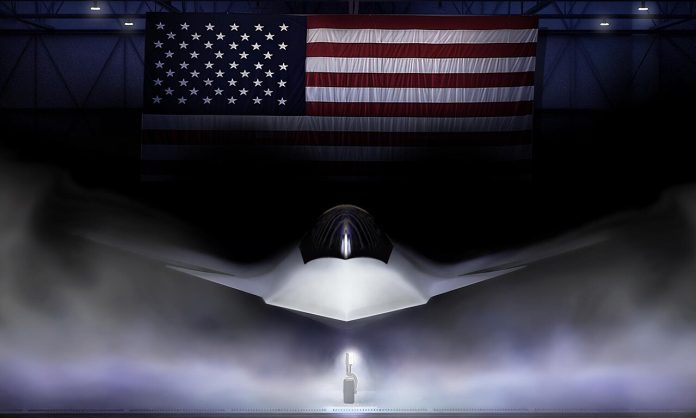

Why would the United States keep its most advanced fighter jet shrouded in secrecy when China parades its prototypes in broad daylight? In a world where nations tend to visibly flex muscles as part of a generally effective way to tout military technologies, the U.S. Air Force’s decision to shroud the F‑47 Next Generation Air Dominance, or NGAD, raises questions on everything from strategy and capability to geopolitical signaling. The answer has to do with a complex interplay involving industrial policy, technological protection, and operational doctrine.
While leaked footage and satellite imagery have cropped up showing the sixth‑generation J‑36 and J‑50s of China, the F‑47 has only been viewed in carefully obscured renderings. This listicle unpacks the most compelling reasons behind America’s silence, the technological edge it seeks to preserve, and the broader contest for air dominance in the Pacific and beyond.
1. Secrecy as a Strategic Weapon
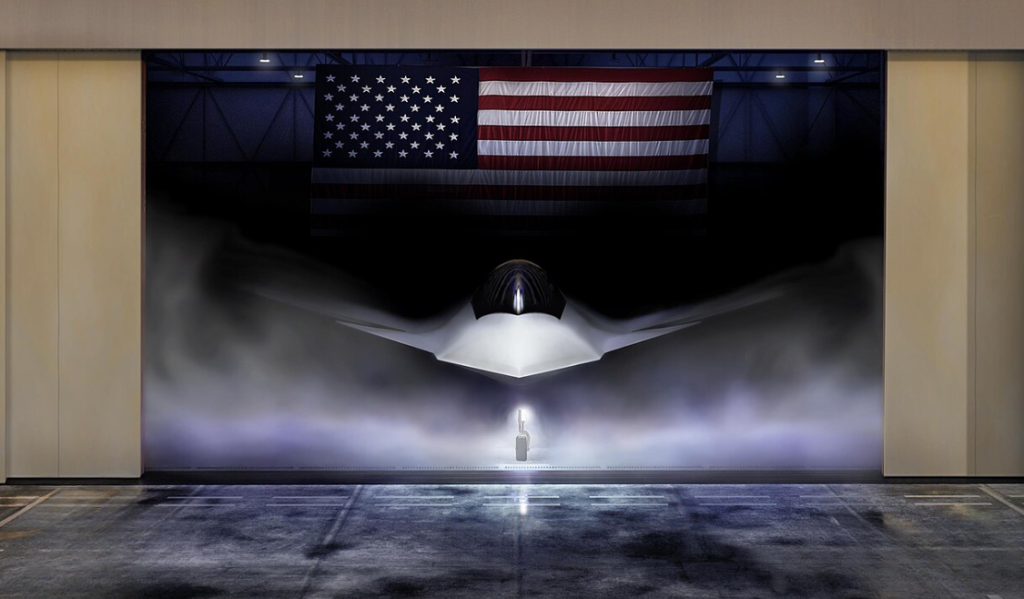
The U.S. Air Force has avoided public exposure of the true form of the F‑47, releasing only artist impressions with key features obscured. Much more than caution, this is a deliberate policy of not giving adversaries any clues on stealth shaping, sensor placement, and propulsion architecture. As one pro‑China defense site recognized, the revelation of design details would compromise survivability in contested environments. On the other hand, Chinese openness regarding the displays of the J‑36 and J‑50 meets domestic political needs but carries with it the associated risk of revealing vulnerabilities to foreign analysts.

2. China’s ‘PR War’ and Funding Politics
Program leads in China’s defense industrial complex often have political roles, so public demos are a means of gaining appropriations and prestige. The retired NATO intelligence officer explained it as parking an expensive car where everyone can see it-visibility means influence. Unofficial videos of the prototypes flying and flying over also serve to awe party leadership and beat out rival manufacturers for resources in a way not replicated in the U.S. system.
3. Boeing’s Surprise Victory Over Lockheed Martin
The surprise award of the NGAD contract to Boeing in March 2025 shook many observers. Boeing’s win was driven by its mature digital‑twin development process, risk‑reduction through years of DARPA‑sponsored X‑plane testing, and a Pentagon desire to diversify the fighter industrial base. This choice ended the decades‑long monopoly that Lockheed had enjoyed for U.S. stealth fighter production and reflected a strategic shift toward spreading capability across multiple prime contractors.
4. Adaptive-Cycle Engines: The Heart of NGAD
Propulsion for the F‑47 is planned to come from Pratt & Whitney’s XA103 and GE Aerospace’s XA102, under the NGAP program. The engines can transition between high‑thrust combat modes and fuel‑efficient cruise by dynamically adjusting a third stream of cooled air. Development timelines and costs have been reduced by using Pratt & Whitney’s digital design environment, which also has enabled integration with more than 100 suppliers.
5. ‘Stealth++’ and Ceramic Coating Breakthroughs
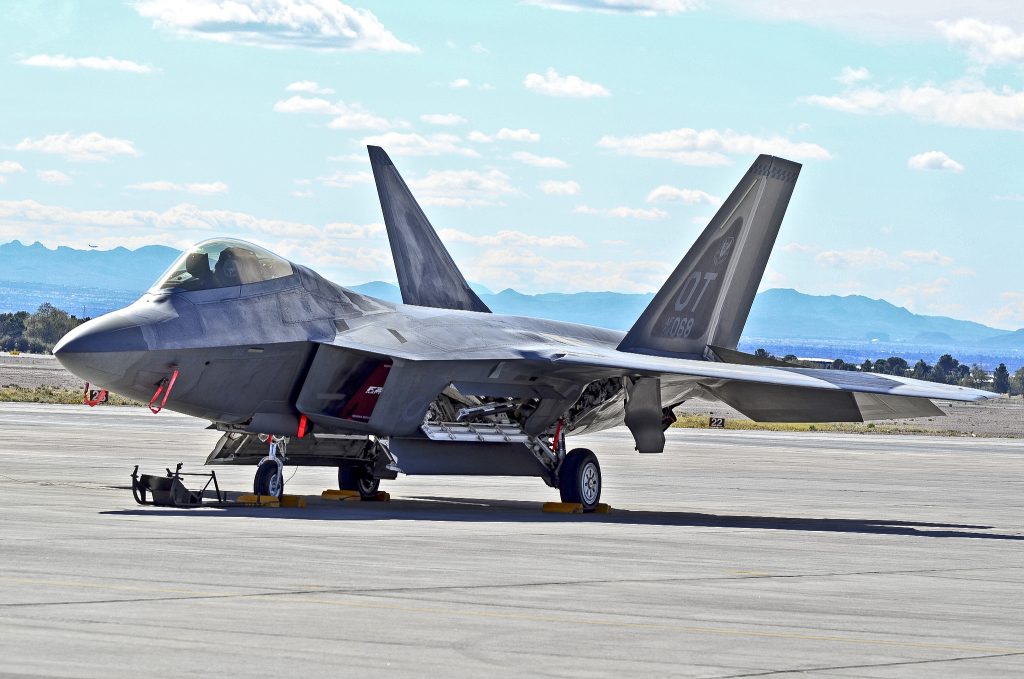
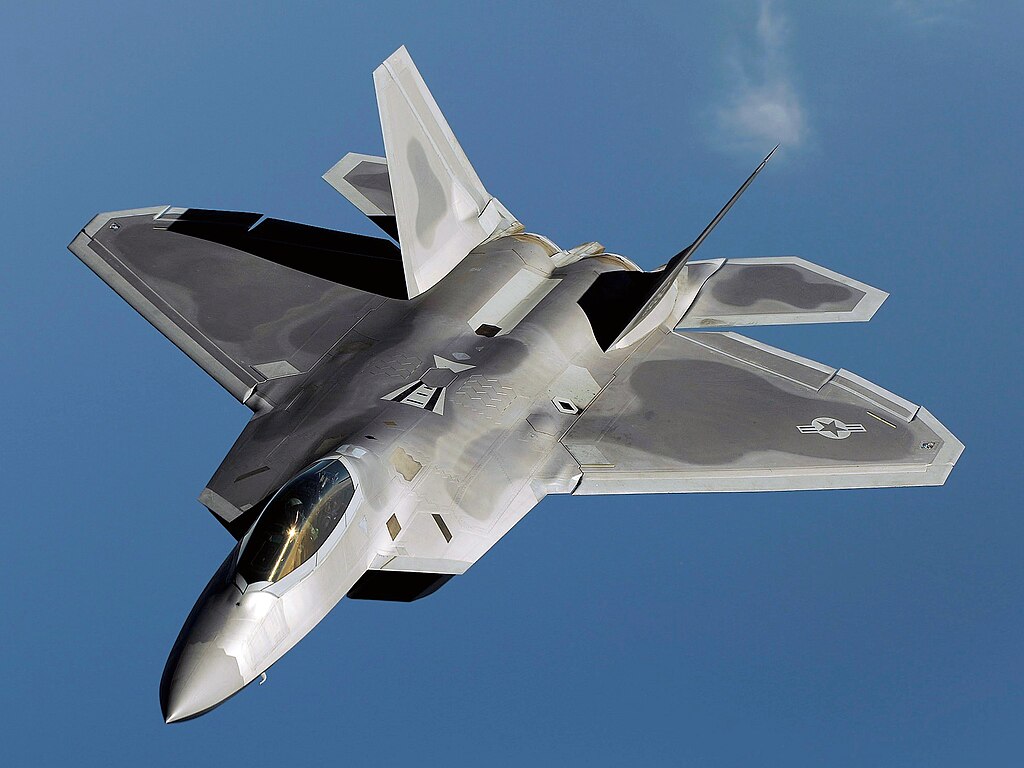
The F‑47 is rated “Stealth++,” more than an order of magnitude better than the radar cross‑section of the F‑22. A new ceramic coating with a temperature tolerance of up to 1,800°C enables the aircraft to maintain low observability at speeds greater than Mach 2.25. Developed at NC State, this material provides more than 90 percent absorption of radar energy, is resistant to abrasion, and maintains its stealth properties under extreme conditions, making it an essential enabler for sustained high‑speed penetration missions.
6. Combat Radius and Pacific Theater Reach
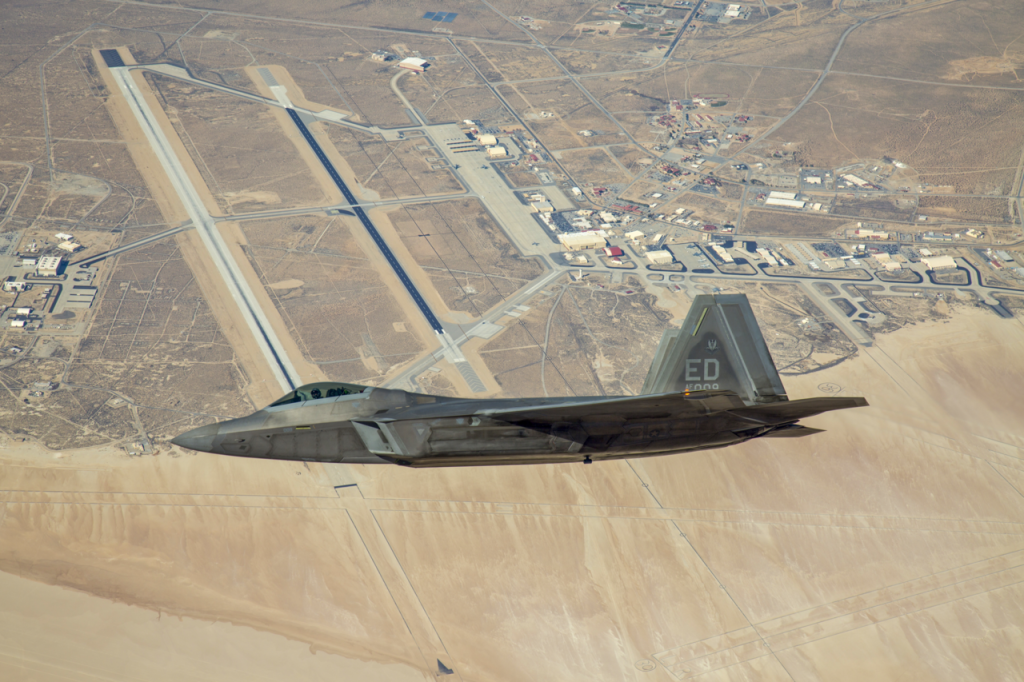
The F‑47, with its combat radius over 1,000 nautical miles, remedies one of the most critical vulnerabilities of the F‑22, which relies so heavily on vulnerable aerial tankers. Extended reach enables tankers to operate well away from hostile air defenses-a determining advantage in a possible Pacific conflict with great distances between bases and targets.
7. AI-powered ‘Quarterback’ for Drone Swarms
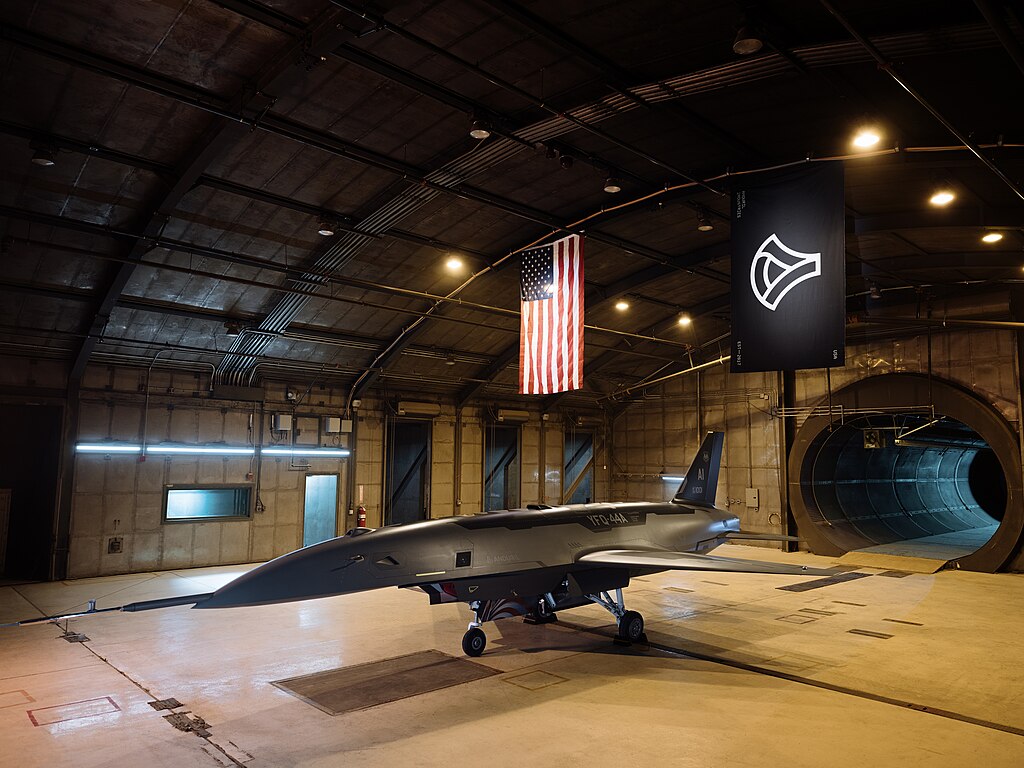
The F‑47 is envisioned to control up to eight CCA drones, acting as a battle manager in the skies. Those drones, like the dogfighter YFQ‑42A and the multi‑role platform YFQ‑44A, would extend sensor coverage, electronic warfare reach, and strike capacity without putting the manned fighter aircraft in direct peril.
8. Modular Design for Rapid Upgrades
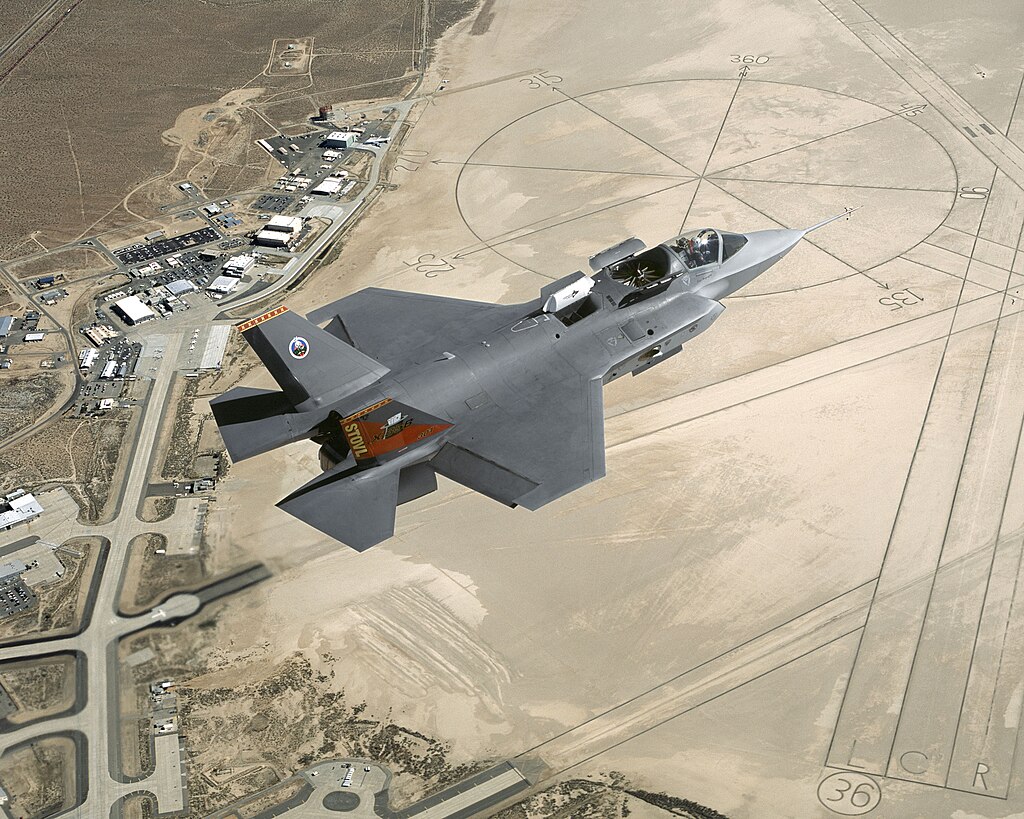
Built around open‑systems architecture, the F‑47 will be able to incorporate new sensors, weapons, and software without requiring major redesigns. This means it would stay relevant against evolving threats, with minimum dependence on those long and costly modernization cycles that have afflicted earlier programs like the F‑35.

9. Budgetary Stakes and Congressional Oversight
The estimated costs for the NGAD program-up to $300 million per aircraft and over $55 billion in total-have raised eyebrows. Various congressional committees have required quarterly updates and affordability analyses to ensure that the F‑47 will not crowd out higher-priority investments, such as counter-space systems and Pacific airbase defenses. Other legislative actions, such as the SAFE Research Act, focus on protecting sensitive technologies against foreign exploitation.

10. The Race Against China’s Rapid Prototyping
Meanwhile, China’s J‑36 and J‑50 have shown rapid iteration, with major design changes showing up in a matter of months. Satellite imagery has revealed both types operating from a remote base near Lop Nur, an indication of an accelerated test regime. Accordingly, American leaders-including Gen. David Allvin-have underscored the importance of schedule discipline in the F‑47 program as the United States works to ensure China does not field a sixth‑generation fighter first. Invisibility is not a weakness but a deliberate shield for technologies that might define air combat for decades.
Where China gained attention for visible prototypes, America’s strategy favors readiness over spectacle-an investment in secrecy and technological superiority it hopes will yield a decisive advantage when these jets finally take to the skies. Perhaps in the contest for sixth‑generation dominance, the real battle may be fought at least as much in development labs and budget committees as it will be in the air.


