The reveal of China’s H‑20 stealth bomber has begun to feel like a perpetually missed deadline. Years of state media innuendos planted expectations for an innovative, game-changing aircraft that might be able to strike U.S. bases across the Indo‑Pacific, but every signalled announcement dissolves into silence. The People’s Liberation Army Air Force has mastered rapid production of fighters, carriers, and drones, but its long-range strategic bomber remains missing in action.
But this delay represents far more than a matter of secrecy: It is the embodiment of deep technological, industrial, and strategic challenges. Problems abound on the road to the H‑20’s operational status, from propulsion reliability to advanced stealth coatings. Here are ten key factors explaining why China’s most ambitious bomber project has yet to take flight in earnest.
1. Ambitious Range Requirements
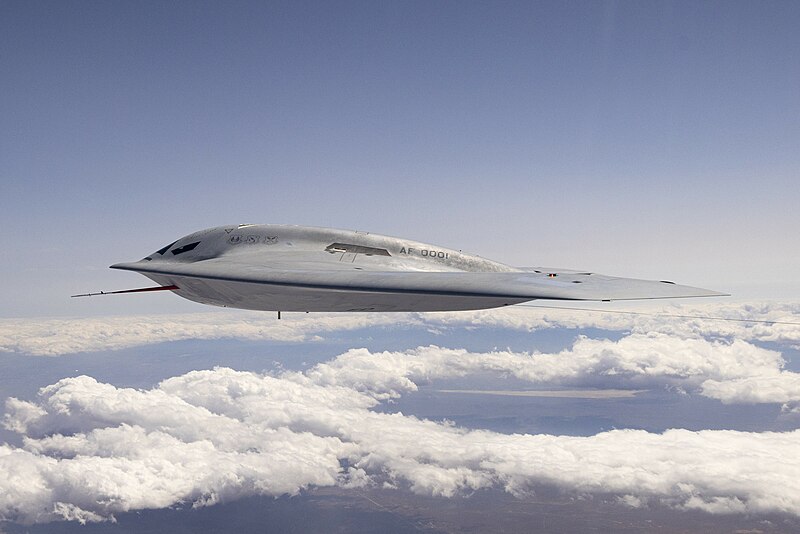
The H‑20 is expected to surpass a 10,000 km range, enabling strikes from China against Guam, Japan, and even North America with aerial refueling. It would be in the same strategic league as the US B‑2 Spirit and B‑21 Raider. However, sustaining such intercontinental reach requires propulsion systems and fuel efficiency that China has yet to perfect, especially for stealth airframes where drag and weight penalties are significant.
2. Reliability Gap of the Engine
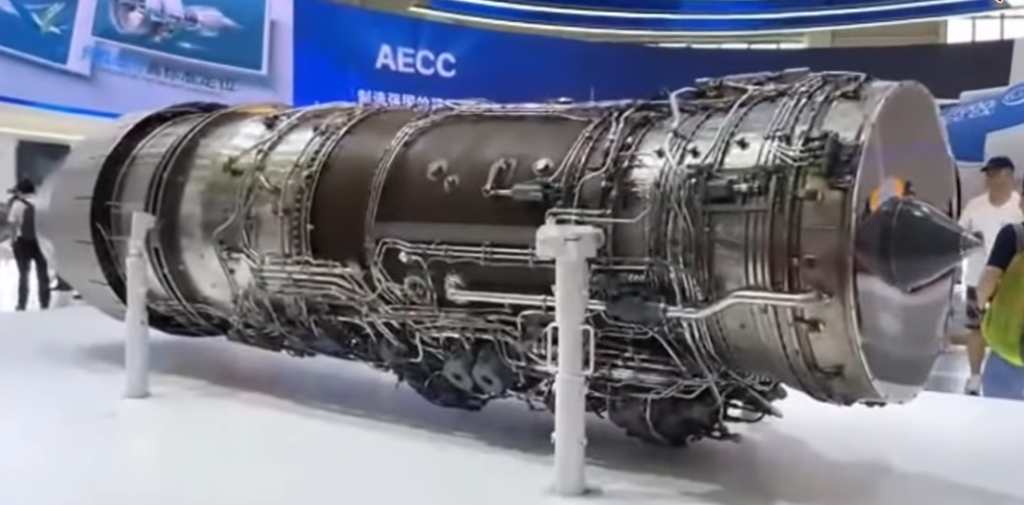
The turbofan industry in China has indeed improved, but models like the WS‑10 and WS‑15 power advanced fighters, while strategic bomber engines require far greater endurance. While U.S. designs can operate for thousands of hours before overhaul, Chinese engines often last only hundreds. “Our reliability tends to be still an order of magnitude better than theirs,” Steve Russell from GE Aerospace said in an interview. Without dependable high‑bypass turbofans, the H‑20 is unable to sustain long‑range missions without crippling maintenance cycles.
3. Stealth Coating Challenges
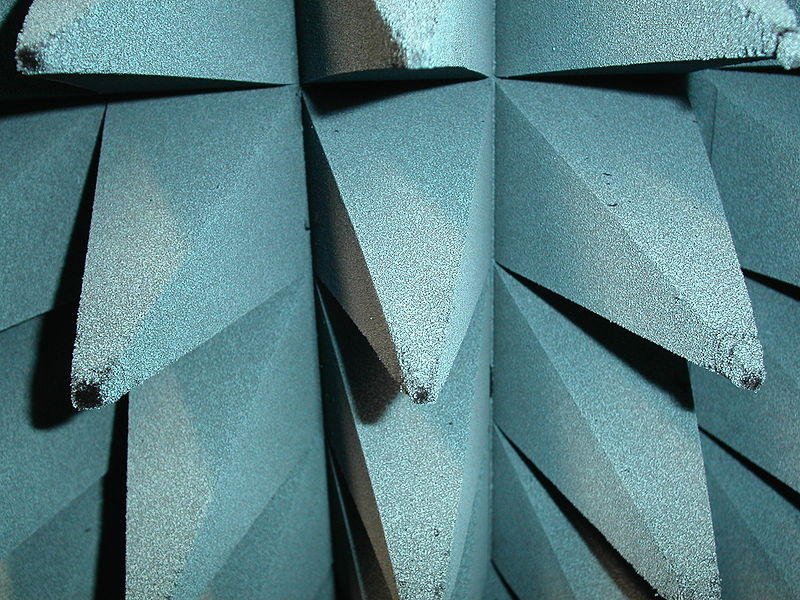
Application of RAM to a large airframe is both complicated and expensive. Contemporary RAM is required to function over many radar bands, from L‑band surveillance to X‑band targeting systems. Carbon‑based composites and ferrite tiles ensure good absorption but add considerable weight and require very careful maintenance. Even microcracks can multiply the radar cross‑section tenfold, undermining stealth. Just how well the PLAAF could manufacture and maintain such coatings on a large scale remains to be seen.

4. Innovation of Radar-Absorbent Material
Beyond coatings, China has to master advanced RAM structures incorporating magnetic resonance, dielectric loss, and destructive interference. US programs like DARPA nanostructured composites achieve 95% absorption from 2 to 40 GHz at less than 2 mm thickness. Breakthroughs in materials science and industrial precision, areas where the bomber program is seeing delays, are needed to match this kind of performance.
5. Limitations relating to the production line.
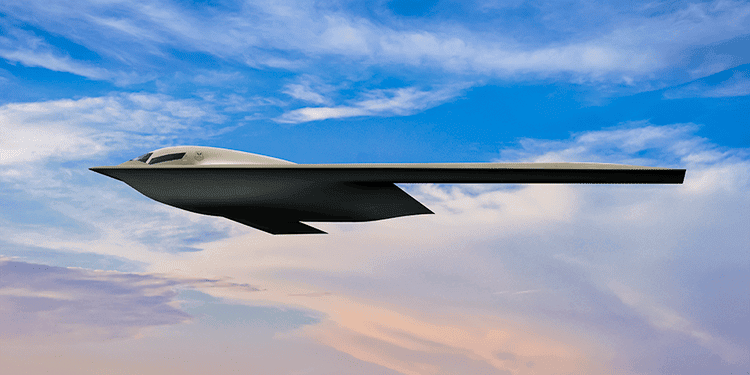
A strategic bomber requires a dedicated assembly line, as witnessed in Northrop Grumman’s B‑21 facility in Palmdale, California. There is no such infrastructure for the H‑20 hence, China would have to adapt capacity from other aircraft programs-a bottleneck that slows prototyping, testing, and eventual mass production, making serial deployment unlikely before the 2030s.
6. Re-evaluation of Strategic Role
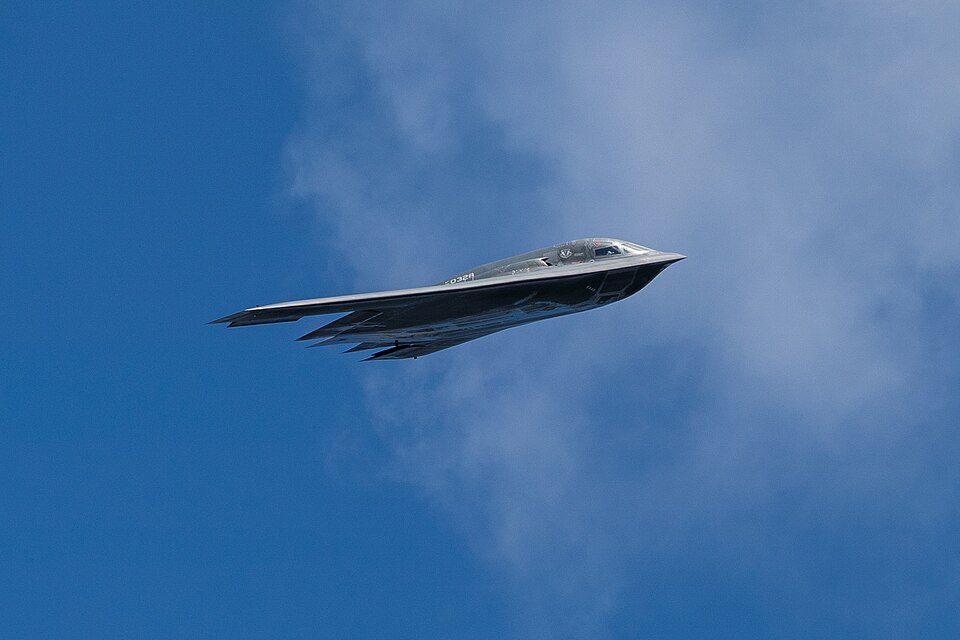
Designed from its very inception as a competitor to the B‑2, the mission profile of the H‑20 may be in flux given the emergence of the B‑21. Chinese planners likely increased performance thresholds to avoid introducing an aircraft already inferior to U.S. performance standards. This iterative redesign extends timelines and complicates supply chains, especially when integrating nuclear‑conventional strike capability into a single platform.

7. Nuclear Triad Ambitions
The H‑20 could complete China’s first credible nuclear triad, joining land‑based DF‑41 ICBMs and Jin‑class SSBNs. According to China Military Online, the bomber would offer “nuclear‑conventional integration” for striking systemic weaknesses. Yet nuclear certification adds layers of security, command‑and‑control, and survivability requirements that slow development and demand flawless reliability.
8. Competition of Investments between UAVs and Hypersonics
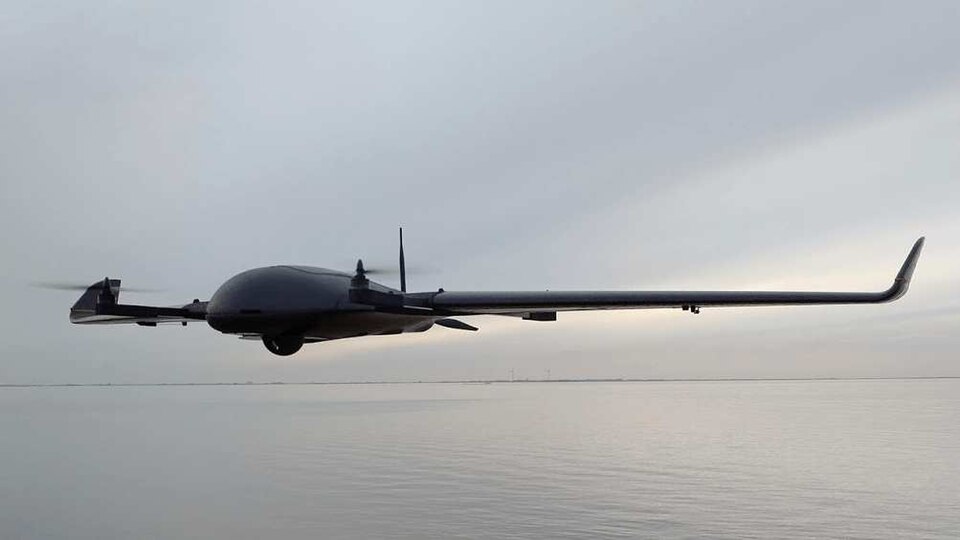
The speed at which China has managed to advance its unmanned systems and hypersonic vehicles has reduced the incentive for an expensive manned bomber. Options like modular payload-carrying UAVs, such as the Jiutian UAV, deployable in swarms, and hypersonic space vehicles like the MD‑19, capable of near- space flight at Mach 7, shift resources and priorities away from the H‑20 program.
Public Relations and Prestige Timing
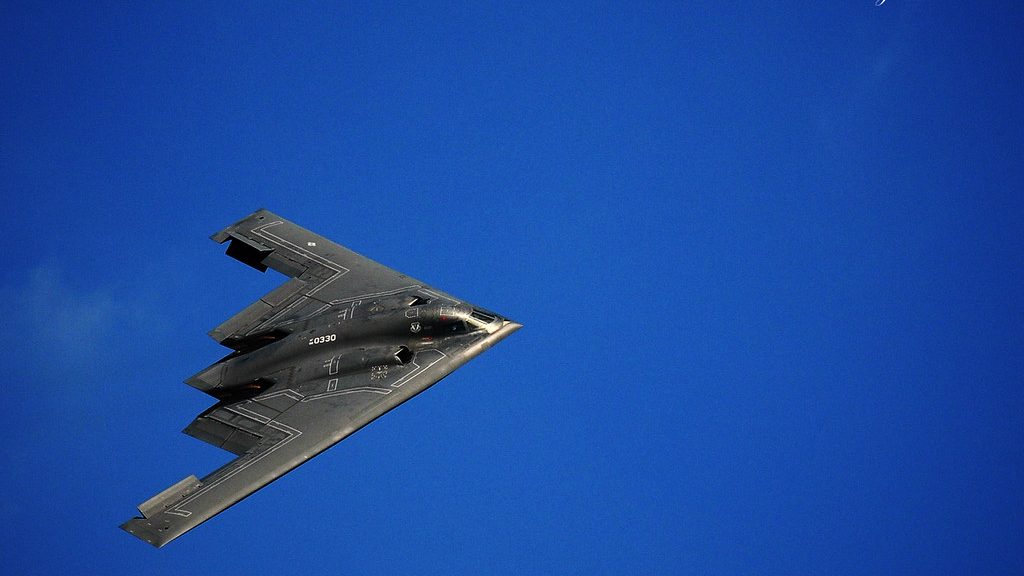
The PLAAF treats major aircraft unveilings as national prestige events. A stealth bomber rollout would be choreographed for maximum propaganda effect, likely tied to political anniversaries or strategic milestones. If its capabilities are not yet competitive, delaying the H‑20’s debut avoids public embarrassment and preserves the narrative of inevitable parity with U.S. airpower.
10. U.S. Technological Edge
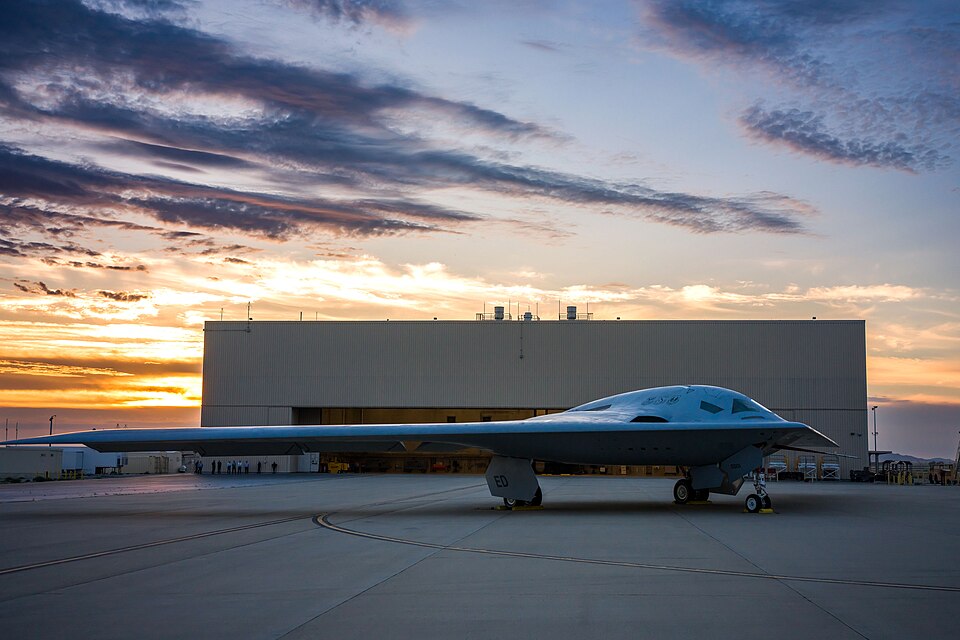
Even if the H‑20 does enter service, it will be up against the B‑21 Raider’s open‑architecture systems, AI‑assisted crew operations, and unparalleled stealth. The Raider is designed for rapid upgrading, and it will be a moving target for Chinese parity. Until China matches not just the current U.S. bomber capability but the upgrade potential, the H‑20 remains an aspiration, not a deployed threat. The conspicuous absence of the H‑20 from airshows and parades has been about more than secrecy it speaks to the degree of difficulty in building a world‑class strategic stealth bomber.
China’s defense industry has mastered fighters, carriers, and drones, but the leap to a nuclear‑capable intercontinental bomber involves mastery of propulsion, materials, production, and integration at levels still beyond its reach. For now, the bomber gap persists, and U.S. airpower holds an advantage.


