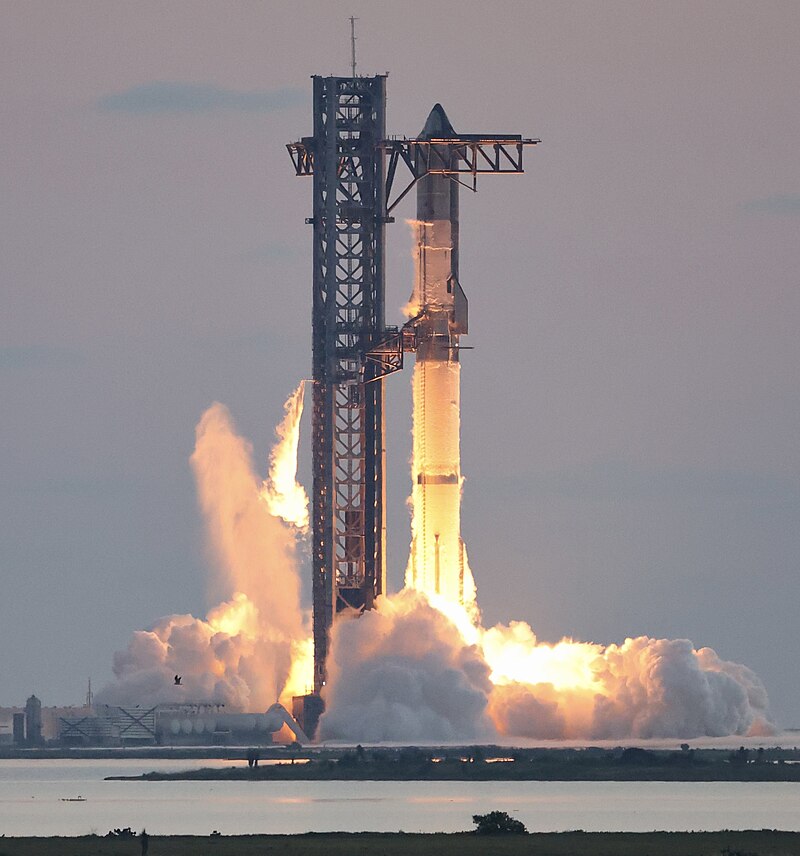
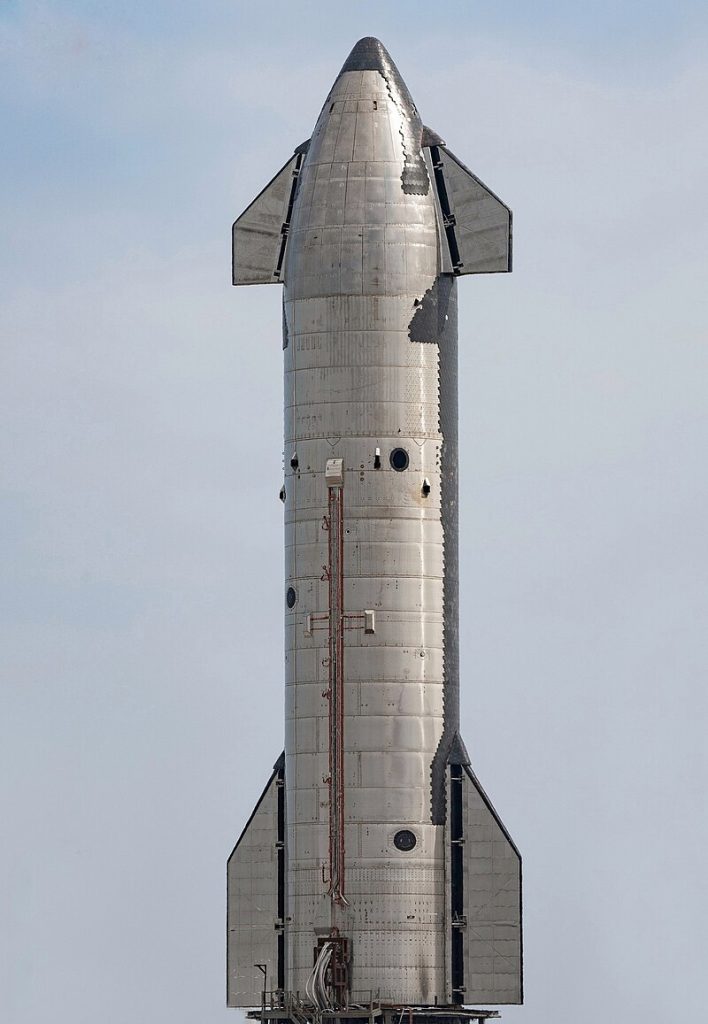
Could the success of America’s return to the Moon hinge on mastering the art of refueling in orbit? For SpaceX, the answer is unequivocally yes-and the company is betting that its Starship system, already the largest and most powerful rocket ever built, can deliver both the capability and the cadence NASA needs for Artemis III and IV. In response to the news from NASA Acting Administrator Sean Duffy that the lunar lander contract would be reopened, SpaceX has laid out a detailed technical case for why Starship remains the fastest, most capable, and most cost-effective path to a sustainable lunar presence.
1. NASA’s Selection and the Artemis Mandate
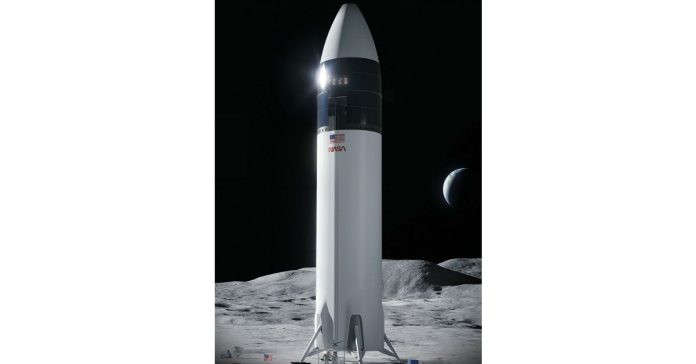
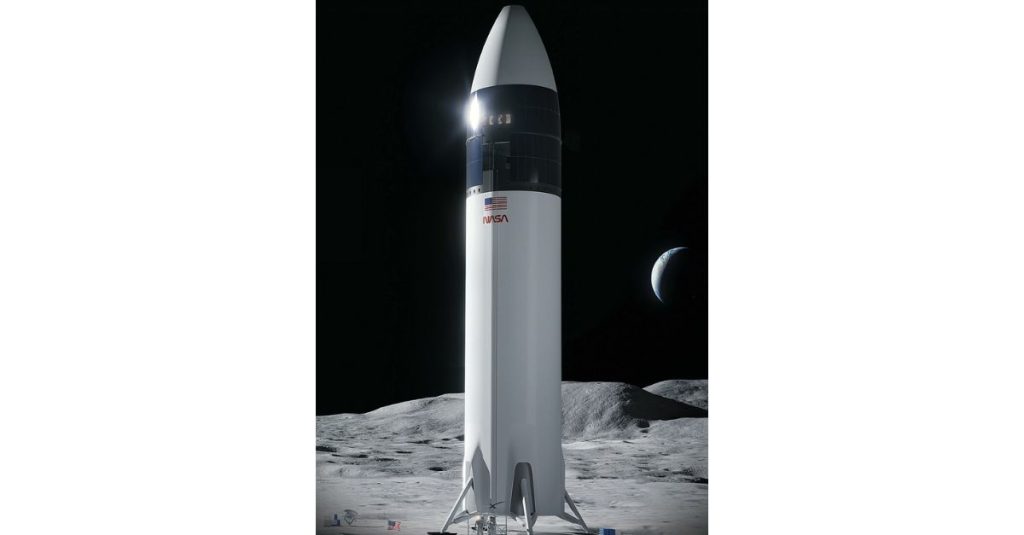
NASA awarded the HLS contracts for Artemis III and IV to SpaceX after determining that Starship offered the highest technical and management ratings along with the lowest cost by a wide margin. It is not a repeat of Apollo’s brief visits but an effort towards establishing a permanent foothold at the lunar South Pole-a region prized for its potential ice deposits and near-continuous sunlight. According to SpaceX, Starship, with its large habitable volume, dual airlocks, and 100-metric-ton surface payload capacity, is uniquely suited for the task of delivering rovers, habitats, and power systems that will make up the Artemis Base Camp.
2. Engineering for Sustained Lunar Operations
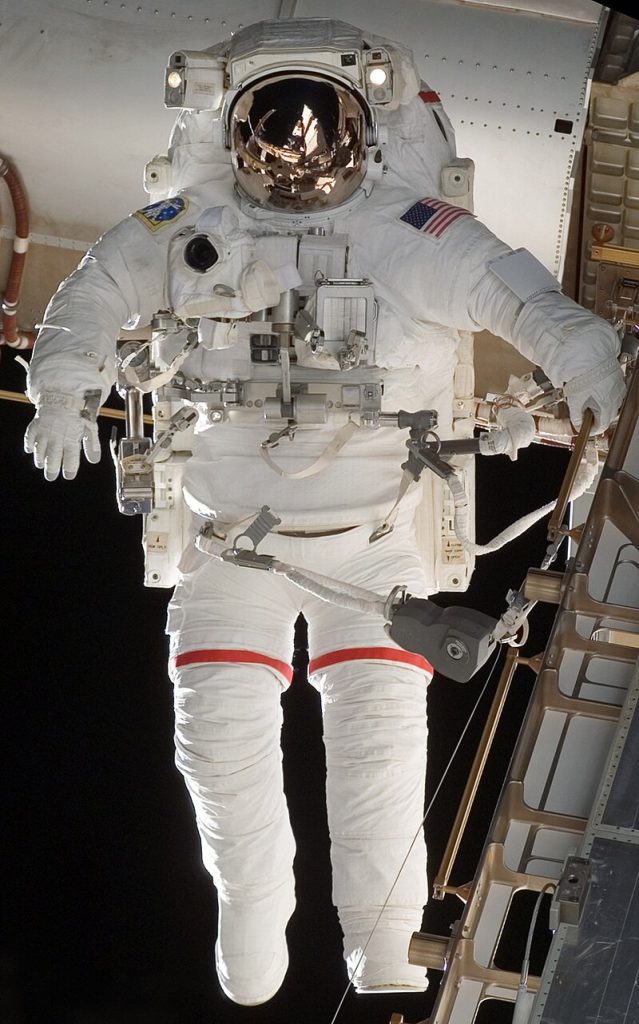
Development of the HLS Starship is taking place on two parallel tracks: the core Starship system for missions to Mars and deep space, and a lunar-optimized variant. The lunar variant retains the reusable architecture but integrates mission-specific systems such as a docking adapter for Orion, precision landing sensors, micrometeoroid shielding, and a life support system tested in full-scale cabin mockups. Each airlock provides 13 cubic meters of volume-more than twice that of the Apollo lunar module-enabling simultaneous EVA operations and enhancing crew safety.
3. Milestones Achieved Ahead of Schedule
SpaceX says that as of now, it has completed 49 contractual milestones, many on or ahead of schedule. This includes Raptor cold-start demos in simulated lunar thermal conditions, landing leg drops onto regolith simulants, integrated docking system qualification, and elevator operations with pressurized EVA suits. The company also fabricated a flight-article HLS cabin with functional avionics, power systems, and environmental controls for system-level testing and astronaut training.
4. The Critical Challenge: In-Orbit Propellant Transfer
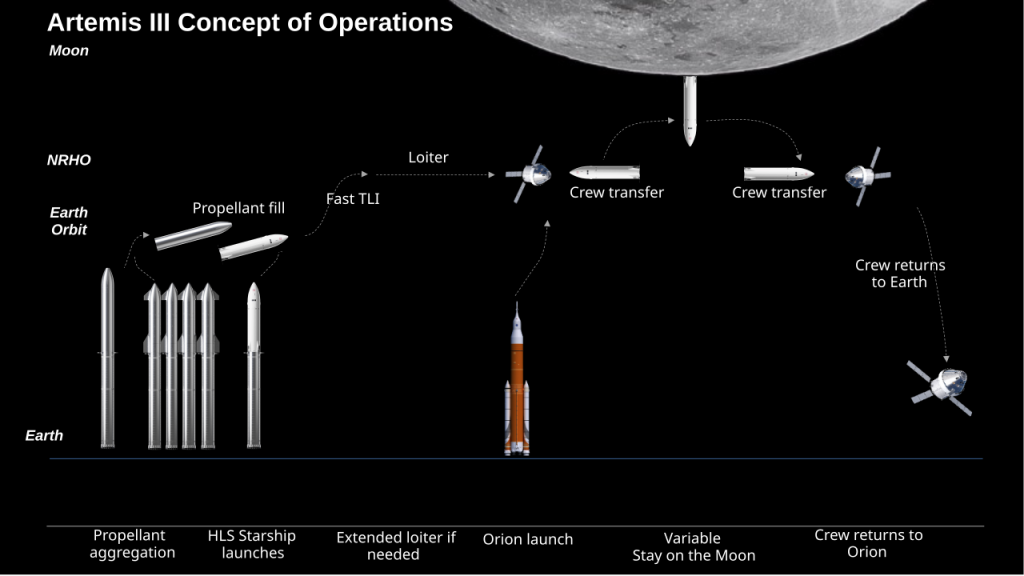
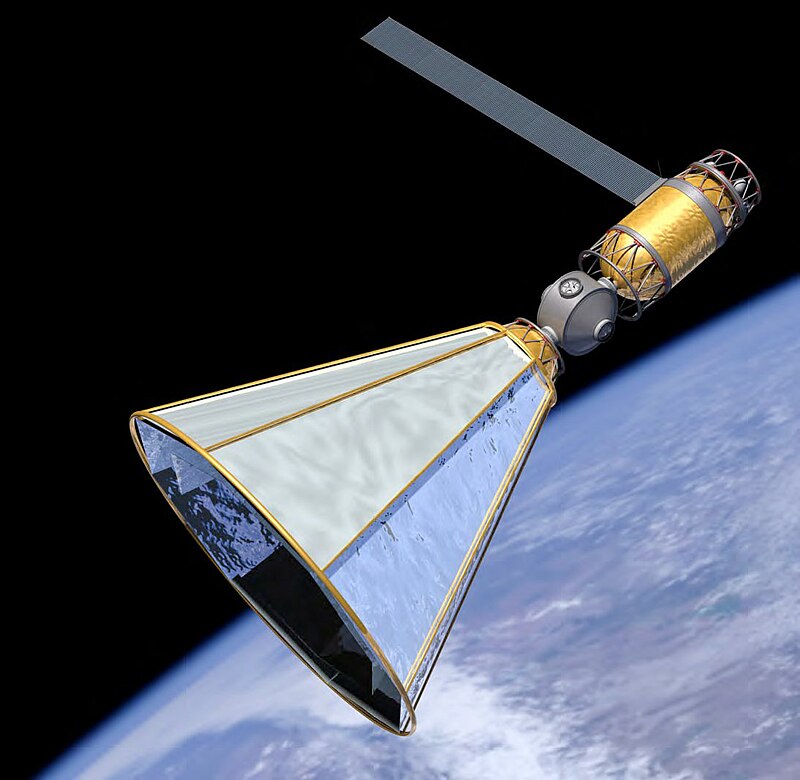
Starship cannot go to the Moon directly without refueling in low Earth orbit in view of its dry mass and propellant needs. The architecture would entail launching a propellant depot Starship, which would be filled with liquid methane and oxygen by multiple tanker Starships ahead of the crewed HLS’s departure to lunar orbit. SpaceX aims for a 2026 demonstration of the ship-to-ship cryogenic transfer using DragonEye navigation sensors and RF-based propellant gauging systems that have already flown on recent test missions. The complexity is great: depending on payload capability, 8 to 15 tanker flights could be required for each lunar mission.
5. Performance Constraints and Upgrades
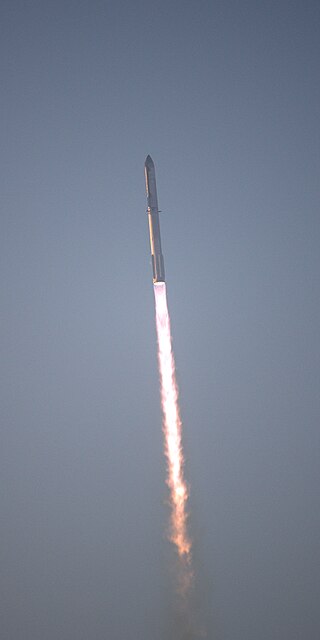
This has come into sharper focus in the wake of a recent disclosure by Elon Musk that Starship’s performance currently stands at 40–50 tons to LEO about half the original target. The added structural mass for engine shielding, hot-staging hardware, and mitigations against propellant leaks eroded payload capacity. SpaceX aims to counter this with the Starship V3 architecture, stretched propellant tanks, and the higher-thrust Raptor 3 engine to reportedly restore 100-ton capability. Future Starship 3 variants could double that, with tanker flights reduced and mission reliability greatly improved.
6. Infrastructure and Manufacturing Scale-Up
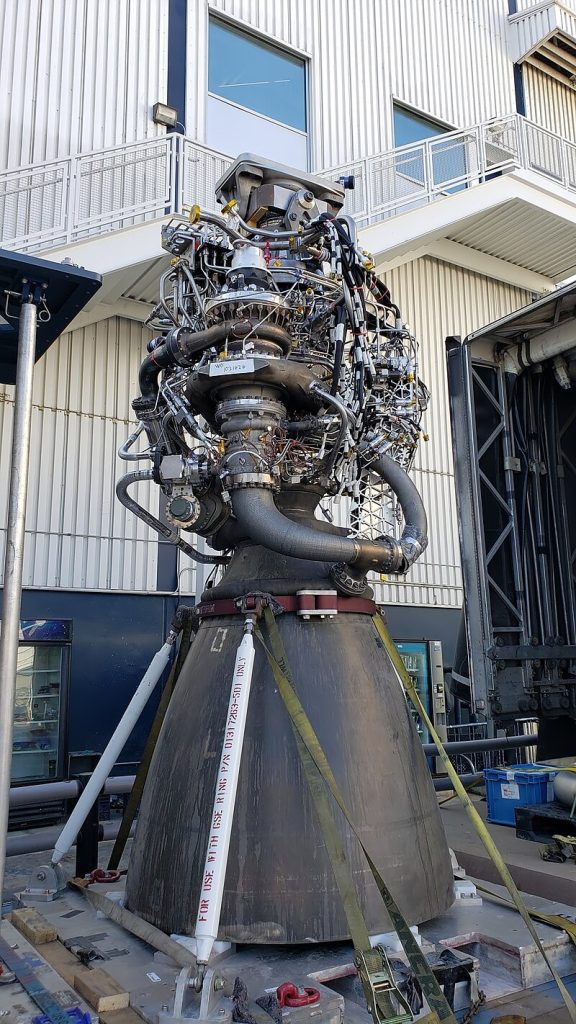
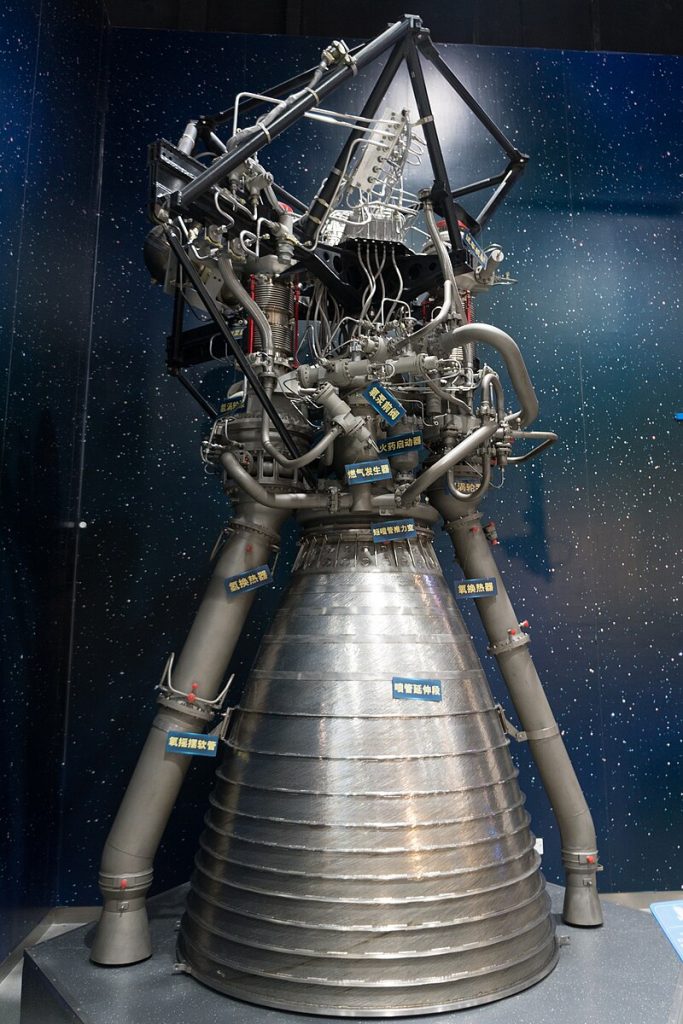
SpaceX has built more than three dozen Starships and 600 Raptors, while accumulating 226,000 seconds of Raptor 2 operation. New manufacturing and integration facilities in Texas, Florida and California provide more than five million square feet of work area, supported by five launch pads and multiple engine test stands. This industrial base is designed to support a launch cadence far exceeding the record-setting tempo achieved with Falcon – an imperative to conduct multi-flight refueling campaigns.
7. Integration with Artemis Surface Systems
Starship’s cargo capacity enables the delivery of pressurized rovers, nuclear surface power units, and modular habitats in single flights, thereby allowing for the rapid build-out of Artemis Base Camp. From unpressurized Lunar Terrain Vehicles up to habitable rovers, NASA’s approach to lunar surface mobility depends on heavy-lift delivery to the South Pole. Oversized payloads fit directly into Starship’s 9-meter diameter fairing without complicated folding or assembly on the Moon.
8. Cost Efficiency and Contract Structure
Unlike the cost-plus contracts that have driven SLS and Orion expenses past $60 billion, the HLS deal is fixed-price. More than 90% of the development of Starship comes from private SpaceX investment, absorbing overruns while preserving value for the taxpayer. Internal estimates say Starship’s eventual fully reusable launch cost could come in under $10 million-a fraction of the $2 billion per launch for SLS-potentially enabling higher mission frequencies and expanded science payloads.
9. Technology Synergies Beyond the Moon
Precision landing, long-duration cryogenic storage, and large-scale in-space refueling are technologies maturing under Artemis that are directly applicable to Mars exploration. NASA studies note that mastering those capabilities on the Moon will de-risk future interplanetary missions. Starship’s architecture is designed from the beginning for Mars cargo and crew transport, positioning it as a bridge between lunar sustainability and multi-planetary settlement. SpaceX’s case rests on a combination of demonstrated progress, aggressive engineering iteration, and a vision closely aligned with NASA’s long-term objectives. The next two years-and the outcome of orbital refueling demonstrations-will reveal if Starship is actually able to transition from the fastest path back to the Moon to the foundation of a permanent human presence there.


