
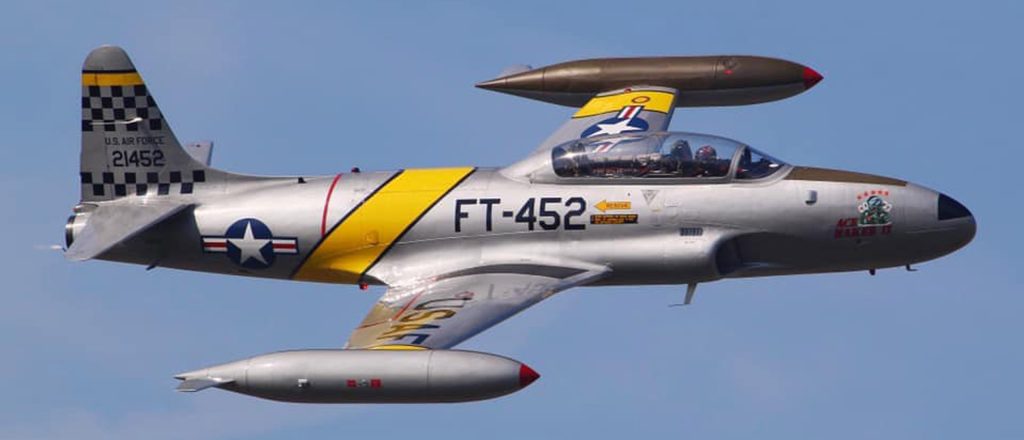
“The past is never dead. It’s not even past.” William Faulkner’s words could apply to the Lockheed T‑33 Shooting Star, a jet trainer whose silhouette still graces airshows decades after its retirement. For enthusiasts of aviation, entering its bubble canopy is more than a ride; it’s a journey back to the dawn of the Jet Age.
Born of the post‑World War II need for rapid innovation, it bridged a critical gap between piston‑engine fighters and the sleek, digital‑avionics jets of today. To fly one is to be viscerally reminded of how far military aviation has come-from analog gauges and centrifugal‑flow turbojets to stealth composites and fly‑by‑wire controls. Here are nine aspects of the legacy of the T‑33, each of which helps tell part of the story of how air combat training evolved.
1. From Lulu Belle to the T‑Bird
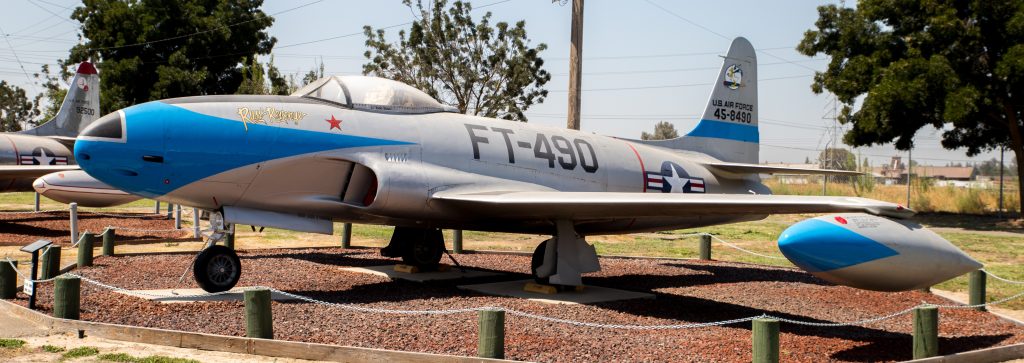
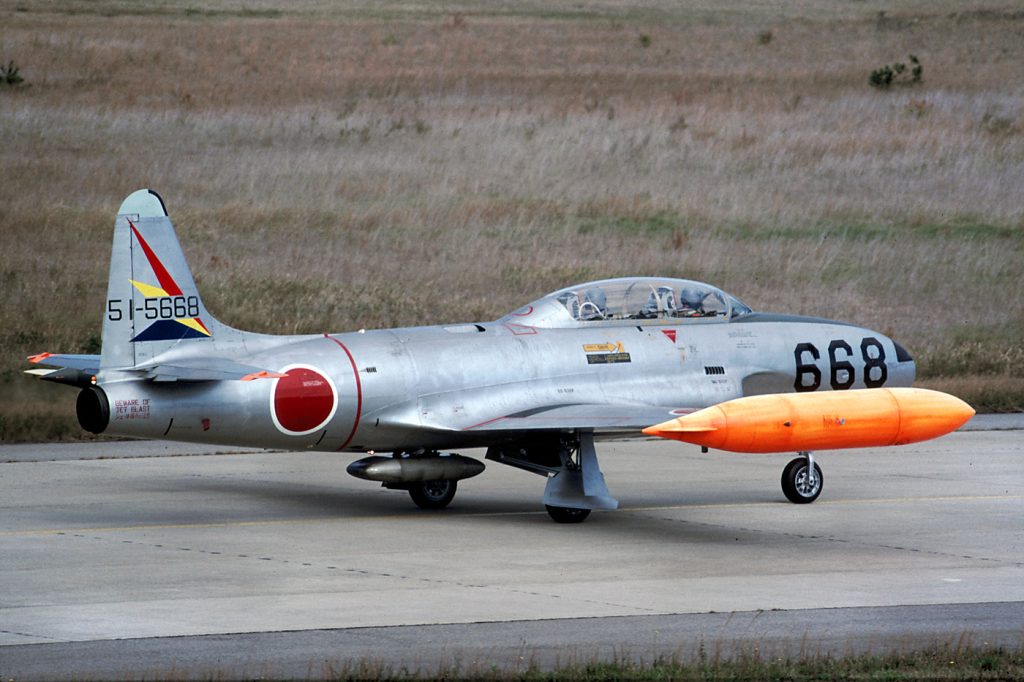
A T‑33’s parentage derives directly from the Lockheed P‑80 Shooting Star, America’s first operational jet fighter. The prototype, variously nicknamed Lulu Belle, went from design to flight in a semi-record 143 days under Clarence “Kelly” Johnson’s Skunk Works team. By stretching the P‑80’s fuselage 41 inches to allow for a second cockpit under a seven‑foot clamshell canopy, Lockheed created a dedicated trainer. First flown in 1948, the T‑33 became the immediate standard for transitioning pilots to jets.
2. A Global Workhorse
Lockheed produced 5,691 T‑33s from 1948 to 1959, and another 866 were built under license by Canadair and Kawasaki. Air forces in Latin America to Asia flew the type, many well into the 1980s. The US Air Force retired the last variant of the T‑33 in 1997 after nearly five decades of service. The result was a global footprint that made the T‑Bird among the most widely used jet trainers in history.
3. Centrifugal‑Flow Power
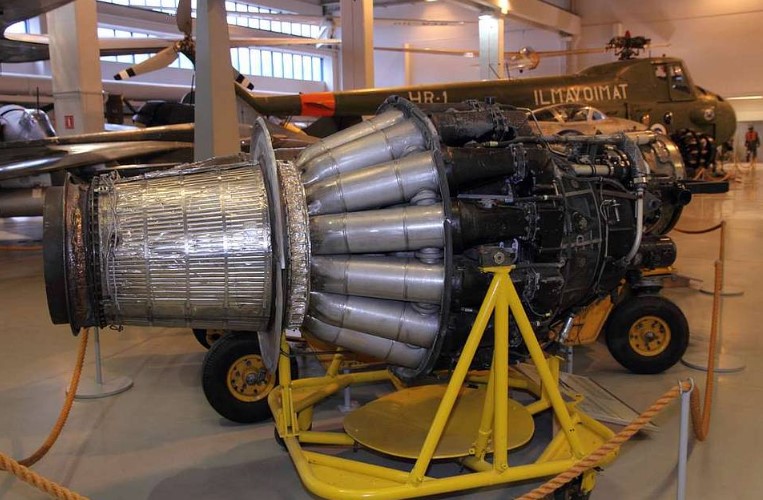
Unlike axial-flow engines common today, the T-33’s Allison J-33-A-35 turbojet employed a centrifugal-flow compressor, flinging air outward before feeding it into nine combustion chambers. Inefficient by today’s standards-75 percent of its power drove the compressor-it still propelled the T-Bird to 600 mph. The Soviet Union reverse-engineered this design to power the MiG-15, a reminder of the era’s intense technological cross-pollination.
4. Analog Claims
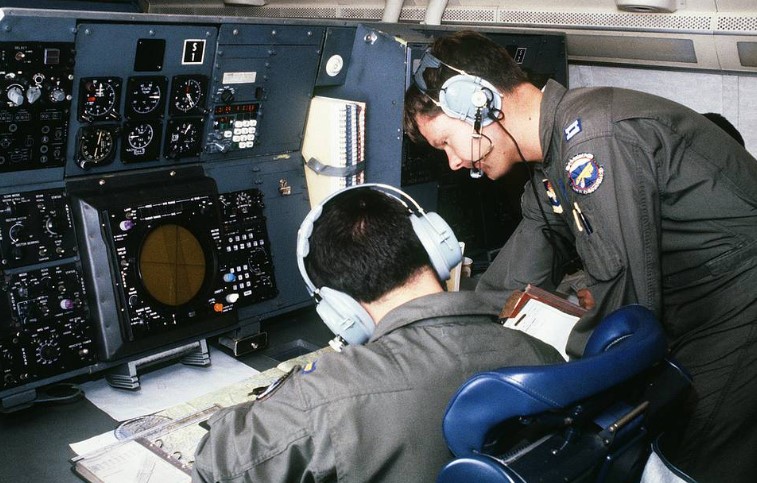
Inside the cockpit, the T‑33’s instrument panel is a study in Cold War ergonomics. Rows of mechanical gauges replace today’s multifunction displays, requiring pilots to manually manage speed, altitude, and fuel. This analog environment demanded sharp hand‑eye coordination and situational awareness-skills that remain foundational even in the age of glass cockpits.
5. Dealing with Quirks
Taxiing a T‑Bird meant learning differential braking to steer the nosewheel, being careful not to lock it at 45 degrees if one got too aggressive. Takeoff acceleration was modest since engine airflow was limited, and throttles had to be advanced slowly to avoid overheating. In flight, hydraulically boosted ailerons made roll inputs light, but taking away boost was like “mixing concrete with one hand,” as an instructor described it.

6. Fuel Management Rituals
Fuel burned first from tip tanks, then leading‑edge tanks, and finally wing tanks, all feeding a fuselage reservoir with about 20 minutes’ supply. An automatic tip‑tank balancing prevented dangerous asymmetry, but a malfunction could require jettisoning tanks before landing. At altitude, the T‑Bird managed about one mile per gallon a figure that kept training flights relatively short.
7. Airshow Ambassador
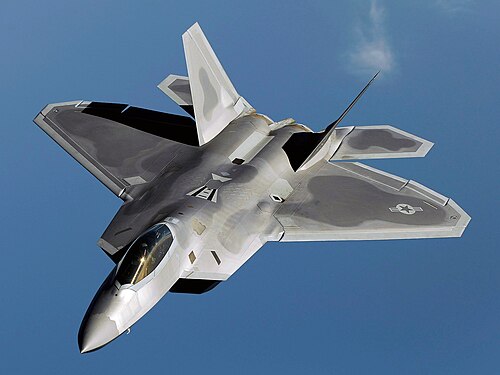
Today, performers like Greg “Wired” Colyer keep the T‑33’s legacy going during events like the Pacific Airshow. Flying three renovated T‑Birds under Ace Maker Aviation, Colyer executes dazzling aerobatics-displaying the jet’s agility-while paying homage to its history. His self-taught routines contrast starkly against the precision formations of modern F‑16 Thunderbirds and the raw power of the F‑22 Raptor.
8. Bridging Eras in Training
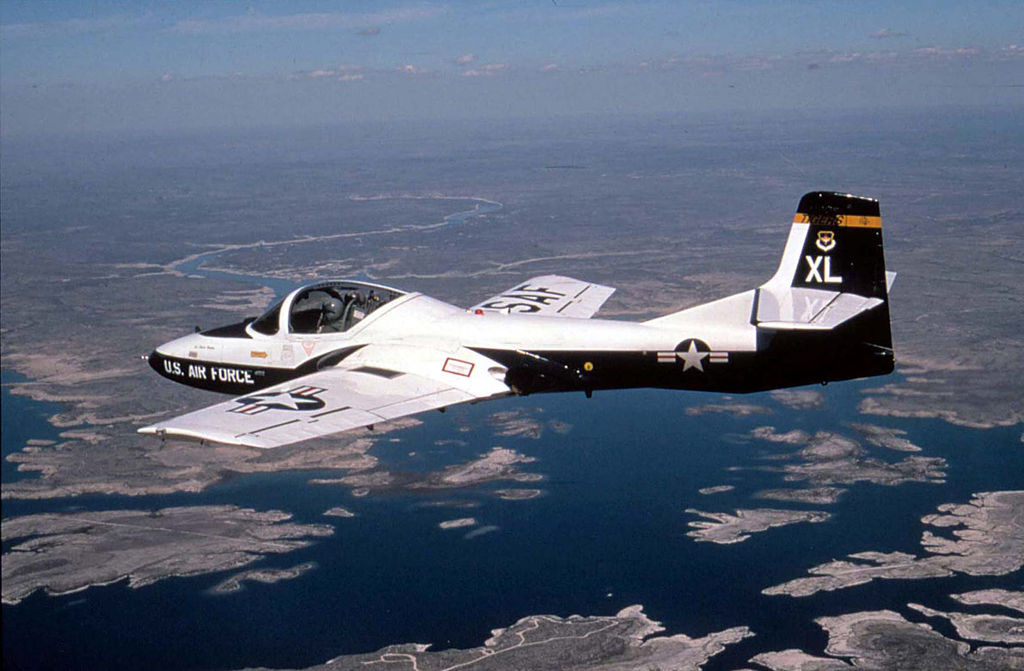
The T‑33 was the first US Air Force jet trainer, replacing piston‑engine trainers, and led directly to a family of jet trainers that includes the Cessna T‑37 Tweet and Northrop T‑38 Talon. It provided a controlled environment for pilots to transition to the speeds, altitudes, and pressurized cabins of jets without the complexities of frontline fighters.
9. The Enduring Appeal
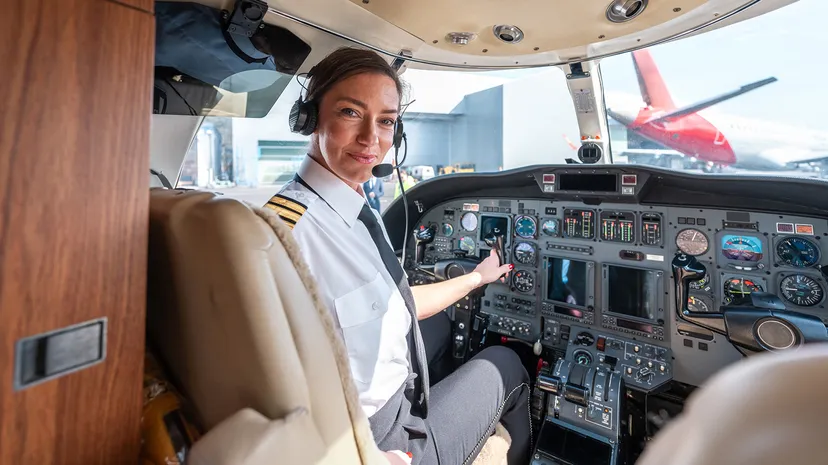
For all its unsophisticated systems, the T‑Bird’s still a “pilot’s airplane,” instructors will say. No automation to fall back on means the fundamentals have to be mastered; great visibility and responsive controls make it fun. To a select few who have sat in its tandem cockpit, flying the airplane is at once a history lesson and a celebration of pure, manual flight.
The Lockheed T‑33 Shooting Star is far more than a museum piece instead, it’s a living artifact of a pivotal moment in aviation history. Through its design, performance, and mission of training, it defined generations of pilots and influenced aircraft development on every continent. In an age dominated by digital systems and stealth, the T‑Bird’s analog heart continues to beat at airshows and training centers, reminding all who see it that the story of the sky is written as much in the present as in the past.


