

“As many as 92% of Earth could become uninhabitable to mammals in 250 million years,” a recent study from Nature Geoscience warns. This grim projection does not involve just a single cataclysm; rather, it’s the result of converging planetary forces that will reshape climate, geography, and life itself. For science enthusiasts and researchers alike, the findings offer a very rare look indeed at just how deep-time processes can come to prescribe the fate of entire lineages.
The scenario unfolds around the ultimate creation of a supercontinent-Pangea Ultima-through a very slow dance of tectonic plates, which, with a brighter Sun and volcanic outgassing, will drive global temperatures and humidity beyond the physiological limits of mammalian life. The study merges reconstructions of past geography with cutting-edge climate models and lessons from former mass extinctions to paint a scenario of a “triple whammy” of heat stress, atmospheric change, and ecosystem collapse.
While the timeline stretches over hundreds of millions of years, the mechanisms at play resonate with current climate challenges. Understanding them is not only an exercise in planetary forecasting but also a reminder of how fragile habitability can be.
1. The Supercontinent Effect
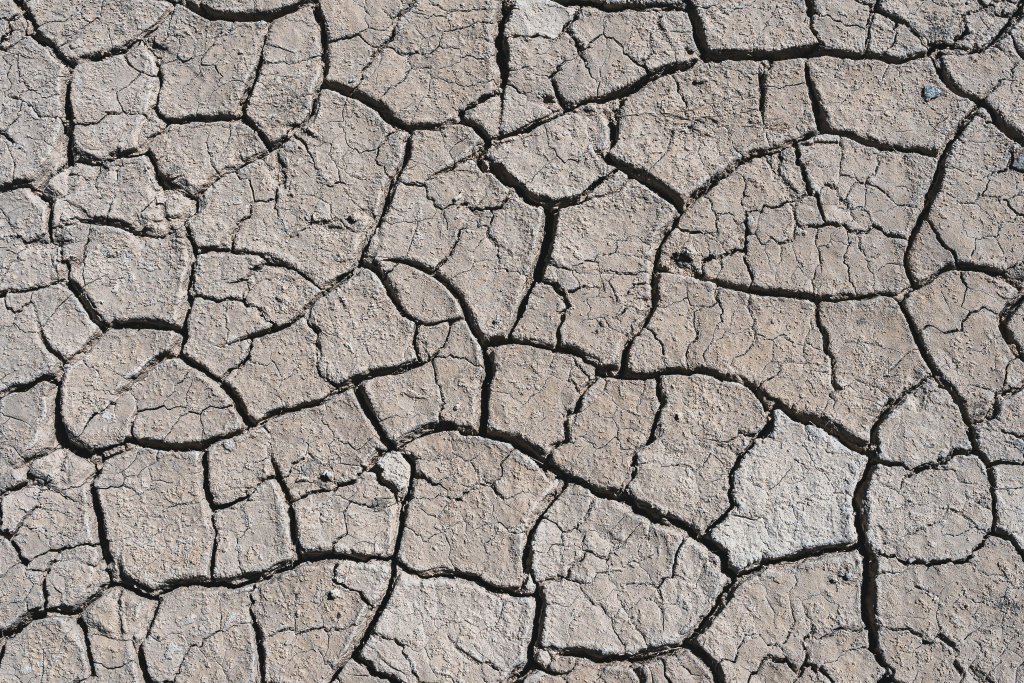
In about 250 million years, Earth’s continents are expected to coalesce into one supercontinent, Pangea Ultima. Lying mostly within the tropics, this will enhance the continentality effect, making enormous interior areas remote from the moderating action of the oceans. Climate modeling demonstrates that changes in geography alone-with no modification to levels of greenhouse gases-can increase land temperatures by more than 13°C relative to pre-industrial levels.
These interior spaces will become deserts with very limited rainfall and extreme diurnal temperature fluctuations. Because of an absence of coastal moderation, there would be minimal moisture transport, reducing vegetation and silicate weathering-a major carbon sink. This geographic constraint is also expressed in the historical development of past supercontinents, where large interior deserts coincided with biodiversity declines.

2. A Brighter, Hotter Sun
Stellar evolution will see the Sun emit some 2.5% more radiation by the time Pangea Ultima forms. This, though a modest increase by astronomical standards, equates to an additional radiative forcing of +5.55 W/m²-more than double the warming effect of today’s levels of CO₂. Added to the reduced polar ice and different cloud cover, this will force global mean annual temperatures into a range never experienced during the history of mammals.
Energy balance analyses indeed show that higher solar output will amplify these feedback loops: a decline in sea ice, for one, means more absorption of ocean heat, while desertification alters surface albedo. The result is a planetary climate skewed toward persistent heat extremes, with limited seasonal respite.
3. Volcanic CO₂ Overload
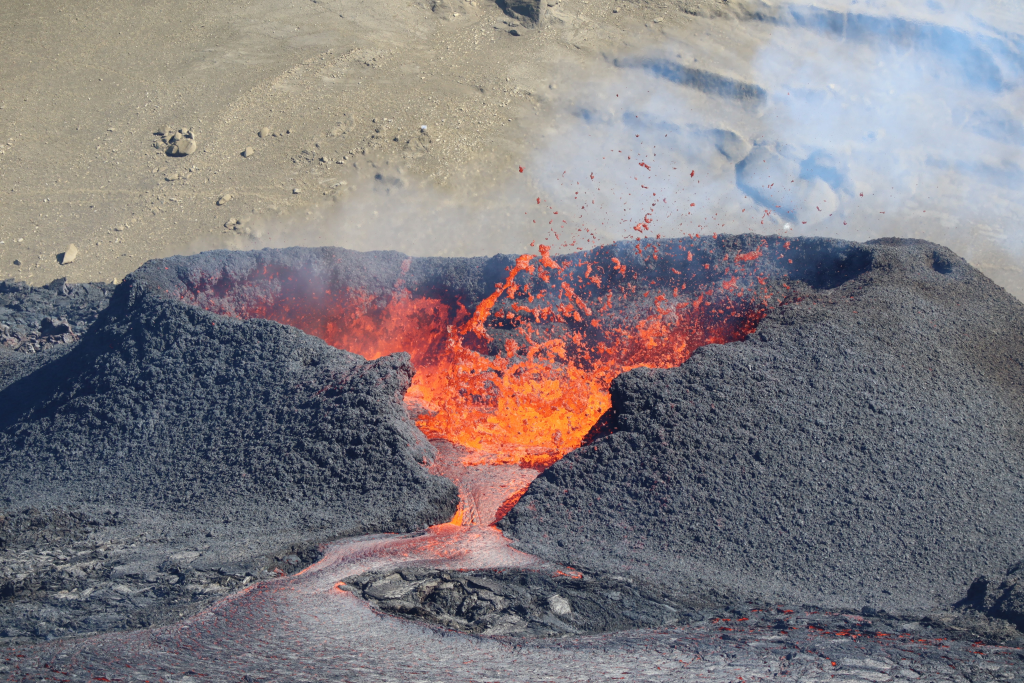
The assembly of a supercontinent is never a quiet process. The tectonic collisions and rifting will drive Large Igneous Province eruptions, releasing huge volumes of CO₂. Background concentrations are modeled to rise from 400 ppm today to over 600 ppm, with hyperthermal events pushing levels beyond 1,000 ppm.
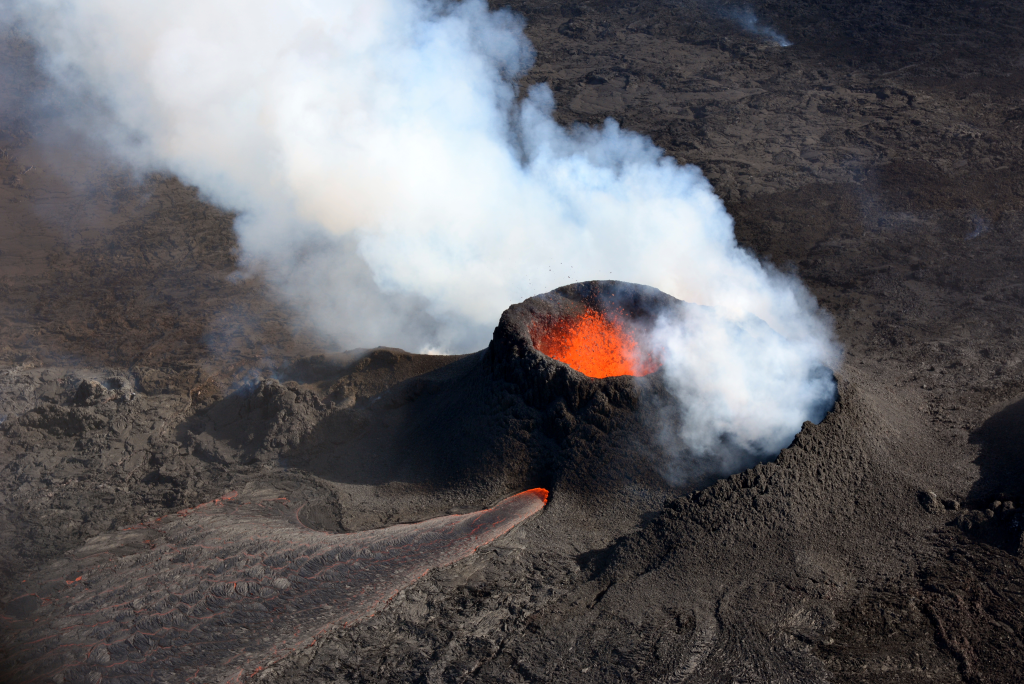
Past records of extinction link such volcanic pulses with rapid warming-for instance, during the Permian–Triassic event, CO₂ spikes from Siberian Traps volcanism warmed the planet by ~10°C. In the Pangea Ultima scenario, sustained outgassing will overwhelm weathering feedbacks, locking in high greenhouse gas concentrations for millennia.

4. Lessons from the Big Five Extinctions
In Earth’s history, analogues can be seen of the coming crisis. The “Big Five” mass extinctions-End Ordovician, Late Devonian, End Permian, End Triassic, and End Cretaceous-were all driven by abrupt climate shifts and accompanying environmental upheaval. In several cases, volcanism in combination with changes in ocean chemistry devastated ecosystems.
Geochemical proxies such as the coronene index highlight heating patterns during these events and help to identify initial cooling phases from later warming. It is the two-stage “cooling–warming” mechanism that usually leaves behind delayed extinction pulses, emphasizing how complex feedbacks can prolong planetary crises.
5. Ocean Currents Collapse
Today, the oceans serve as stabilizers that absorb heat and redistribute it through currents. A supercontinent world would experience weakening or collapse of such currents, most especially thermohaline circulation. Without this conveyor belt, equatorial heat would remain in situ, while polar regions would not have their moderating influence.
The lack of oceanic buffering would mean regional temperatures swing more wildly. The deserts expand, and so do the storms, in respect to the limited coastlines. Reduced biological carbon pump-reduced CO₂ sequestration, hence a cumulative effect on atmospheric warming.
6. Mammalian Heat Limits
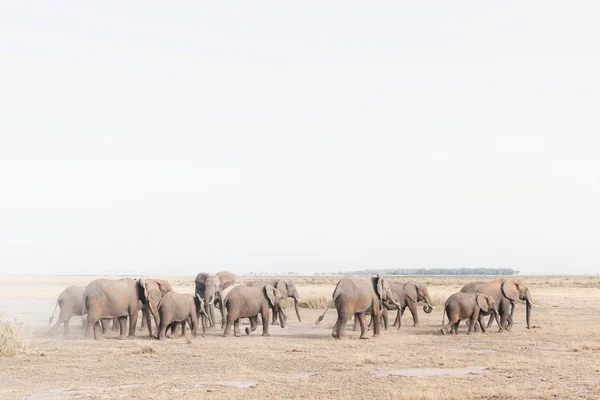
Mammals rely on evaporative cooling, largely through sweating, to cool the body. Physiological studies demonstrate that with continued wet-bulb temperatures above ~35°C, animals cannot dissipate heat and thus die in a few hours. In regions of the Pangea Ultima climate, daily highs may commonly surpass 50–60°C.
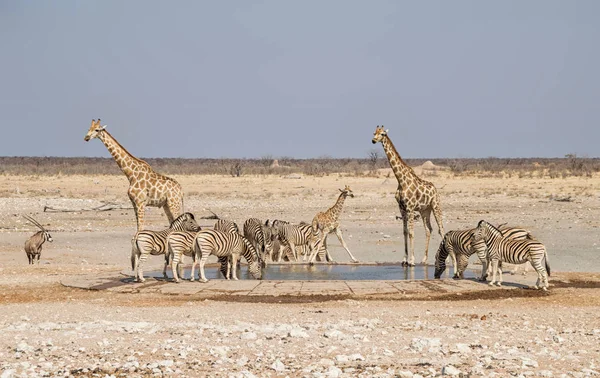
Even truly adaptive strategies of nocturnal activity or burrowing afford limited refugia under conditions of food and water scarcity. Model outputs suggest only 8-16% of land would remain within tolerable ranges, mostly in coastal or polar refugia. Evolutionary data indicate that the upper thermal limits in mammals have remained stable for millions of years, making rapid adaptation unlikely.
7. Implications for Exoplanet Habitability
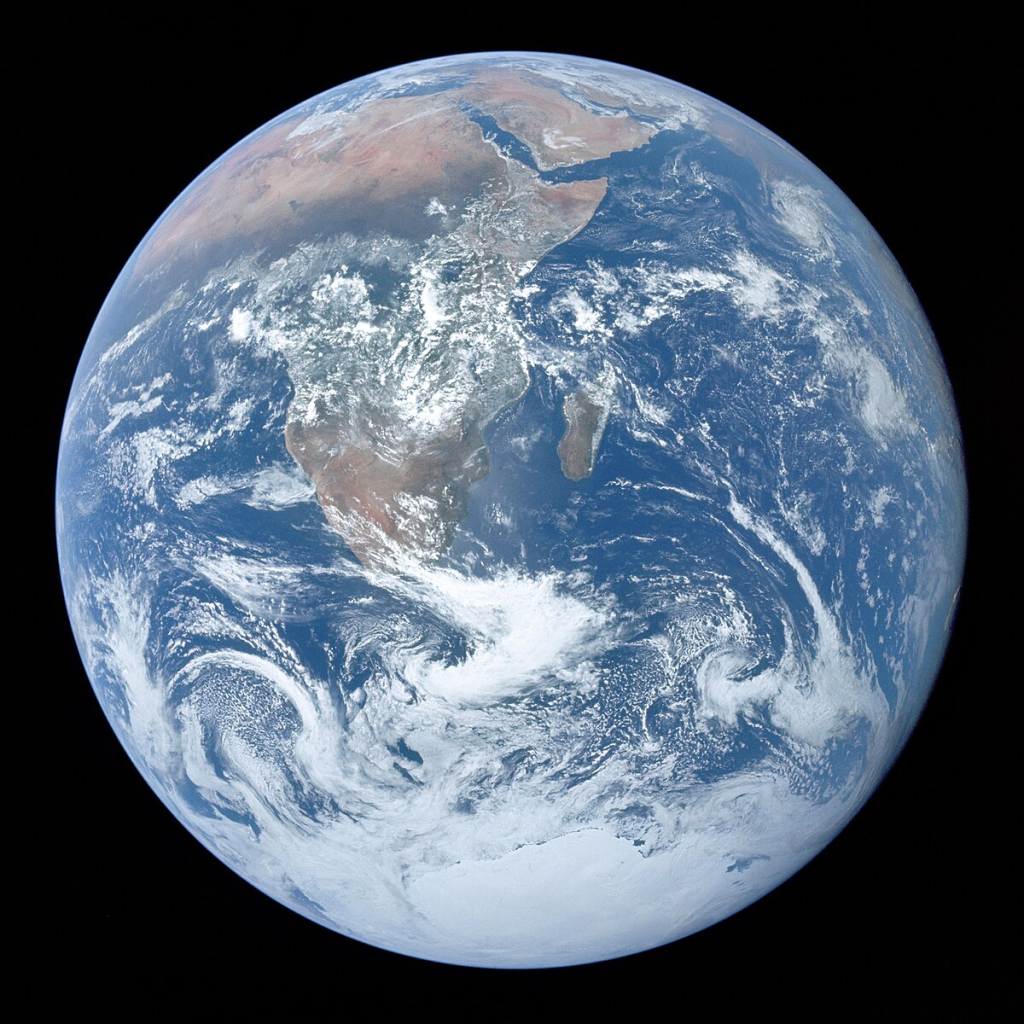
The results of this study extend well beyond Earth itself. Many exoplanet studies rely on this “habitable zone” concept, which is determined by that planet’s distance from a star. However, as Dr. Alexander Farnsworth explains, “A world within the so-called ‘habitable zone’. may not be the most hospitable for humans depending on whether the continents are dispersed. or in one large supercontinent.”
Planetary landmass layout, tectonic activity, and atmospheric composition can all skew climate toward extremes, even when stellar conditions are optimal. This insight has reoriented the way astronomers evaluate Earth-like worlds, paying as much attention to geology as to orbital mechanics.
The forecasted triple whammy—supercontinent geography, a brighter Sun, and volcanic CO₂—presents a distant yet scientifically based vision of planetary change. Though the timescale is in hundreds of millions of years, the processes are already at work in today’s climate. For scientists, these models represent the interaction of tectonics, stellar physics, and biology that define habitability. For society, this is a reminder that the decisions about greenhouse gases being made today will determine not just our near-term future but how resilient life on Earth will be in deep time.


