

Can a neighboring object from outside the Solar System be more than a comet? That tantalizing question now powers one of the most daring observation campaigns in planetary defense history. The International Asteroid Warning Network (IAWN), a United Nations–sanctioned collective of space agencies and astronomers, has launched its first-ever campaign against an interstellar object 3I/ATLAS. These are some of the key highlights.
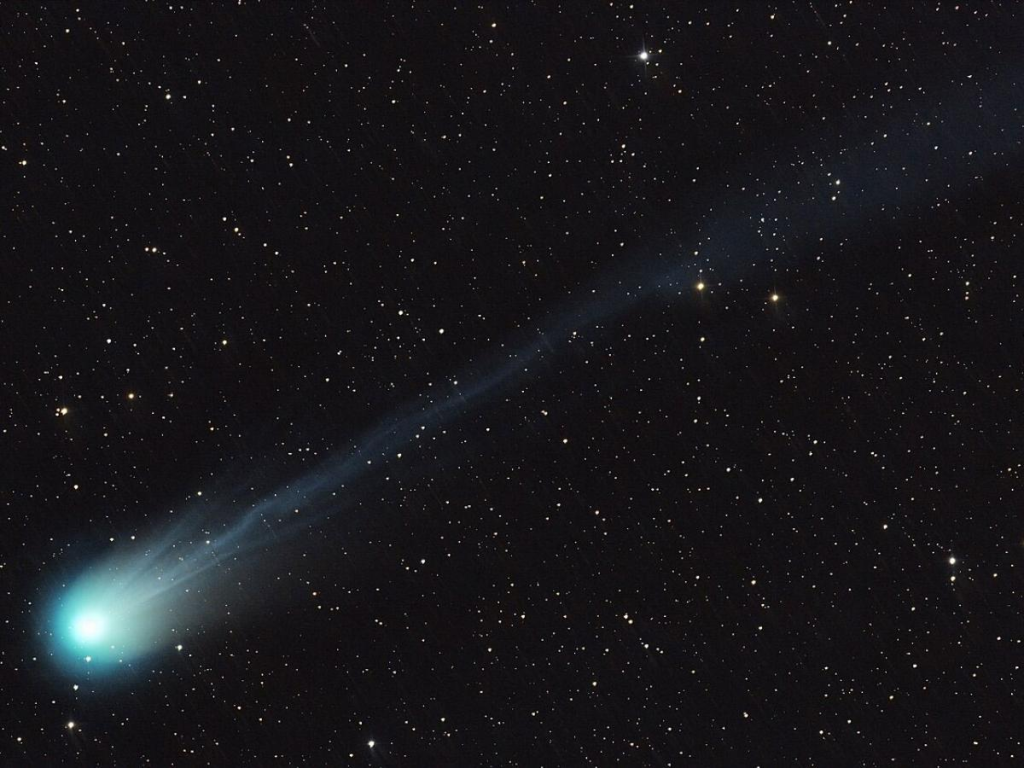
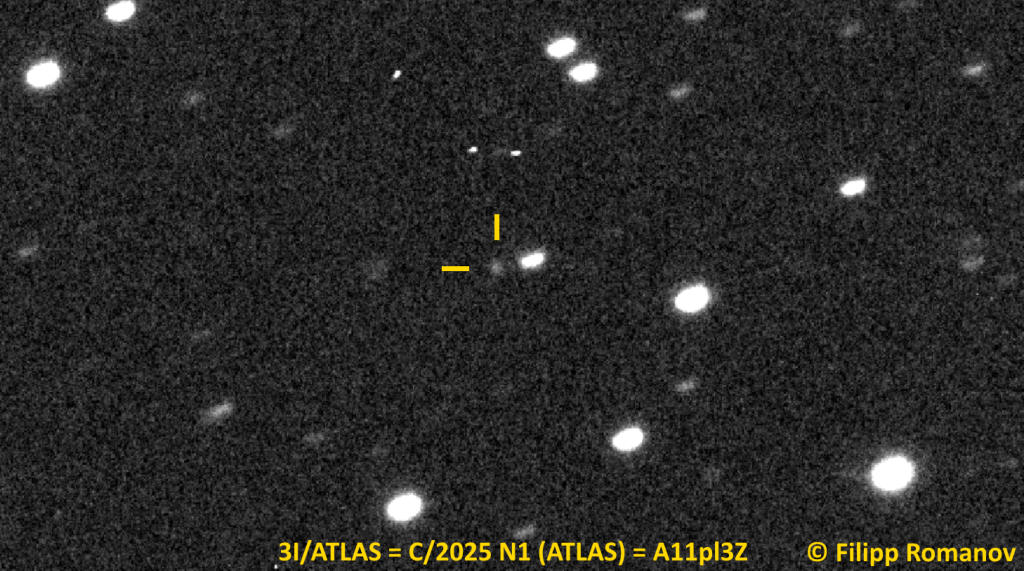
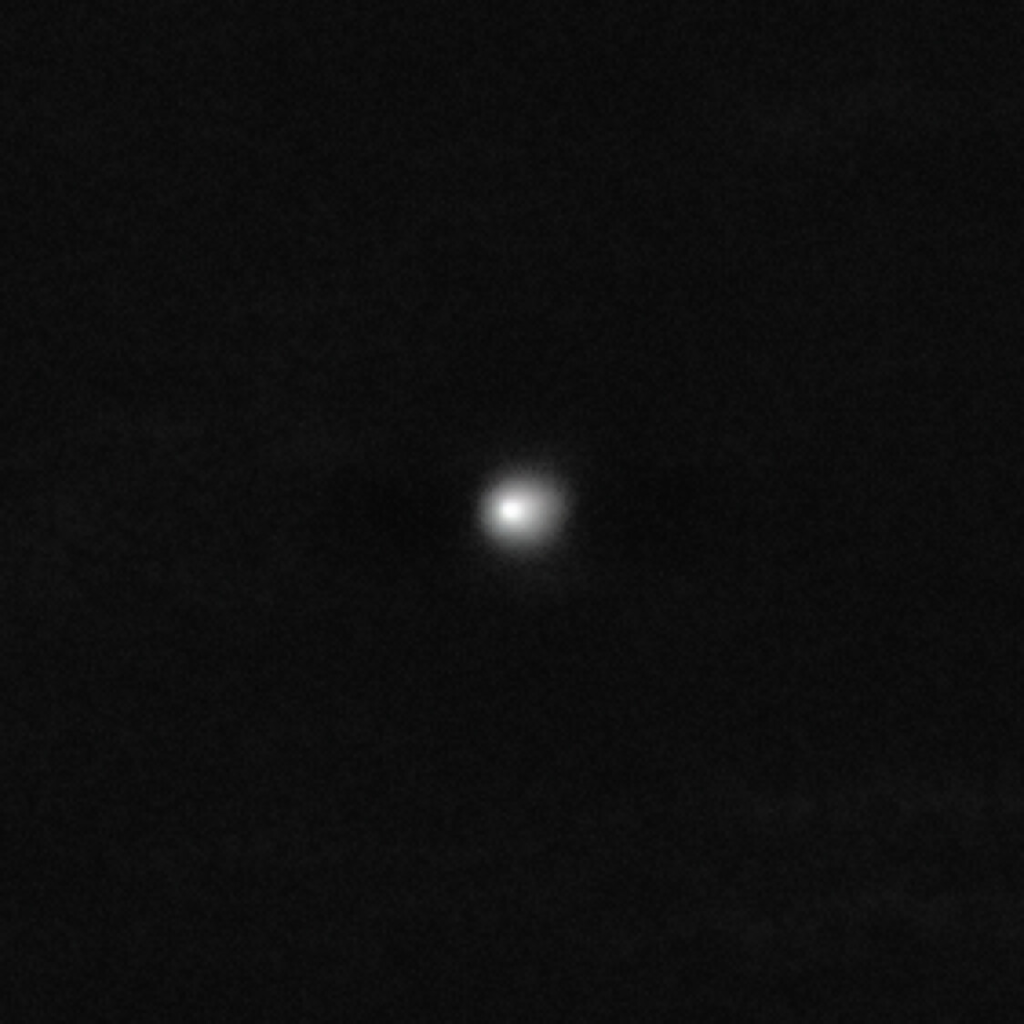
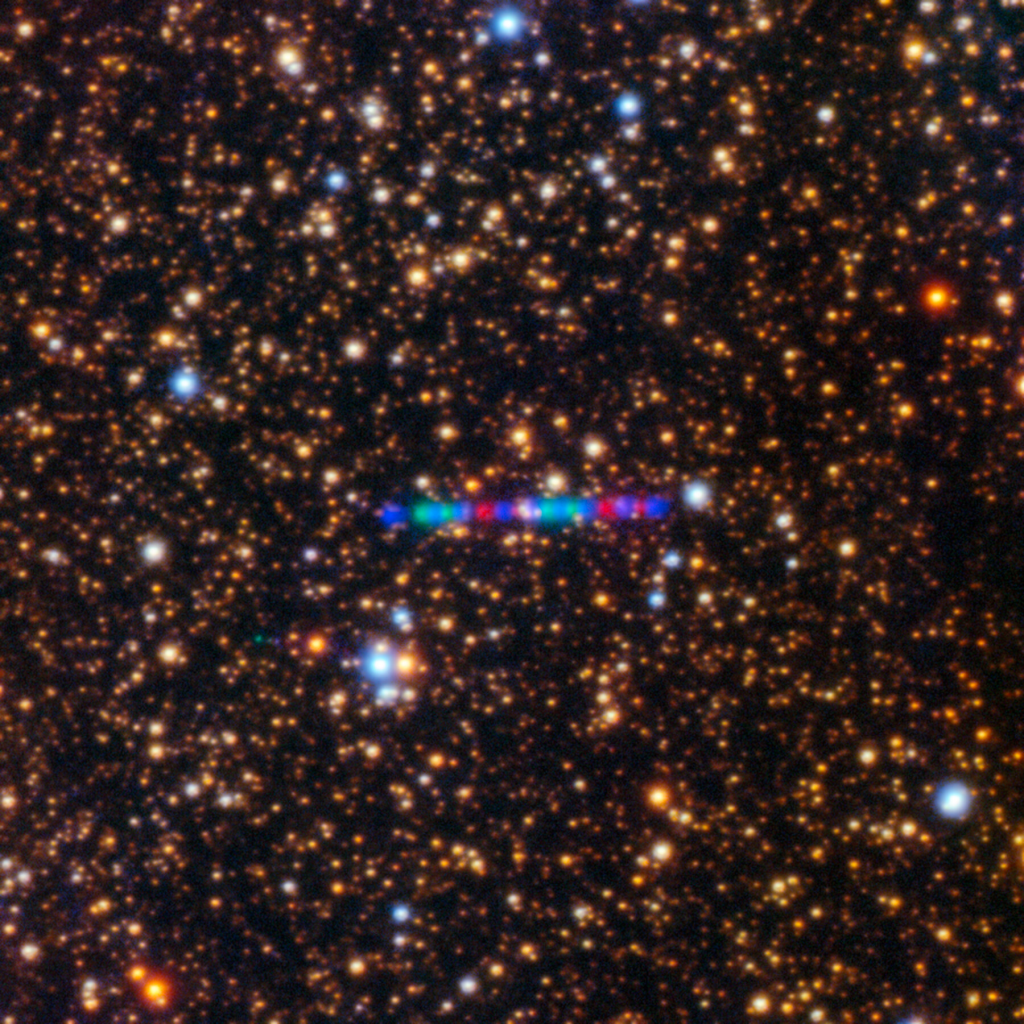
Found on July 1, 2025, by the Asteroid Terrestrial-impact Last Alert System in Chile, 3I/ATLAS is the third confirmed interstellar visitor following 1I/’Oumuamua and 2I/Borisov. However, its peculiar chemistry, morphology, and path have raised both scientific interest and speculative speculation about what it might be. The campaign between November 27, 2025, and January 27, 2026, has the aim of improving astrometric methods for such fleeting objects, while several spacecraft and ground observatories are laying in wait for scarce observation opportunities. Following are seven of the strongest reasons why this unprecedented campaign, combining hard astrophysics with the intriguing potential for technology signatures, matters so much.

1. Initial Interstellar Target for Planetary Protection
IAWN’s targeting 3I/ATLAS represents a first in planetary protection. Although the network passes by Near-Earth Objects on a regular basis, this is the initial time it has done so with an interstellar comet. The project answers back to the object’s erratic behavior and the intrinsic challenge of following bodies with long comae and tails, whose positional measurements distort. A workshop prior to the event will educate participants on sophisticated astrometry techniques, highlighting the international collaboration necessary for precise trajectory computation.
2. Eight Anomalies and the Loeb Scale
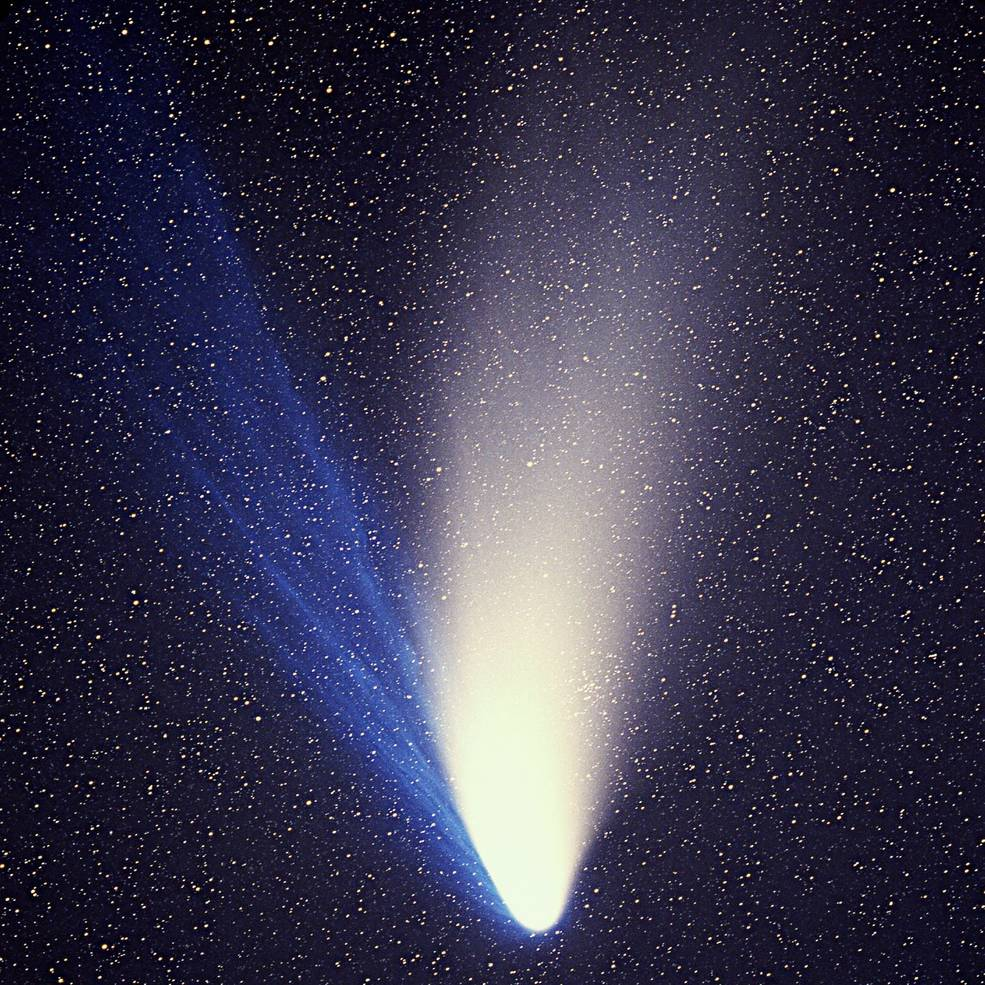
Harvard astronomer Avi Loeb has listed eight bizarre characteristics of 3I/ATLAS, scoring it 4 out of 10 on his qualitative “Loeb scale” for potential technological origin. They are an ecliptic-inclined trajectory within 5°, a real sunward jet, a nucleus mass orders of magnitude higher than all prior interstellar comets, carefully tuned planetary flybys, and a gas plume that is nickel-rich but iron- and water-poor. One peculiarity its direction of arrival within 9° of the celebrated ‘Wow! Signal’ increases the mystery. Loeb estimates that combining the improbabilities achieves a cumulative probability less than one in 10 quadrillion.
3. Unusual Anti-Tail Geometry
In contrast to the usual comets whose dust tails are away from the Sun, 3I/ATLAS has an anti-tail a thin extension sunward. Hubble and ground observations verify that this is not an optical effect but caused by large dust grains emitted on the illuminated hemisphere. Morphology of this kind is uncommon but has been seen in remote active objects such as C/2014 UN271. In 3I/ATLAS, the persistence of the anti-tail over months suggests unorthodox dust dynamics or anisotropic outflow.
4. Chemical Signatures Outside Known Comets
Spectroscopy by Keck II and JWST determines a CO₂-dominated coma with 4% water by mass and a CO₂/H₂O ratio of approximately 8 well above solar-system standards. The nickel-to-cyanide ratio is several orders of magnitude higher than that of known comets, and iron is not detectable. The nickel emission is localized at ~600 km from the nucleus, implicating release from intermediate molecules such as Ni(CO)₄, similar to industrial refining. This contradicts standard models of cometary composition and potentially indicates a formation in an exotic stellar environment.
5. Spacecraft Observation Opportunities
A variety of spacecraft are poised for one-of-a-kind encounters. ESA’s JUICE mission will fly by 3I/ATLAS within 64 million km on November 4, 2025, shortly after perihelion, when activity is at its peak. NASA’s Juno spacecraft might, in principle, intercept the comet in its closest approach to Jupiter on March 16, 2026, if a 2.6755 km/s delta-v is imparted through a Jupiter Oberth maneuver. Such a flyby would permit Juno’s instrument suite to penetrate the comet’s structure and chemistry much more thoroughly than Earth-based telescopes can.
6. Possible Oberth Maneuver and Technological Speculation
Perihelion on October 29, 2025, coincides with a moment when 3I/ATLAS is out of view of Earth. Loeb points out that this is the best time for a spacecraft to perform an Oberth maneuver burning fuel at maximum velocity close to the Sun in order to generate maximum energy change. If 3I/ATLAS was a giant mothership, it might eject mini-probes towards inner planets with solar gravity assist. Although most scientists believe it to be a natural comet, this low-probability “black swan” event is closely watched by the Galileo Project observatories.
7. Sampling the Ion Tail
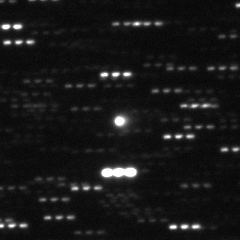
From October 30 to November 6, 2025, NASA’s Europa Clipper will be positioned to possibly intercept ions from 3I/ATLAS’ solar-wind-driven ion tail. Such sampling would be “the closest we can currently get to a direct sample of such an object,” according to Samuel Grant from the Finnish Meteorological Institute. The detection will depend on solar wind direction and magnitude, as well as whether or not the instruments on the spacecraft can be turned on under operational limitations. Cometary ions, which can be identified by heavier species such as water-group ions, might provide unprecedented information about interstellar comet interiors.
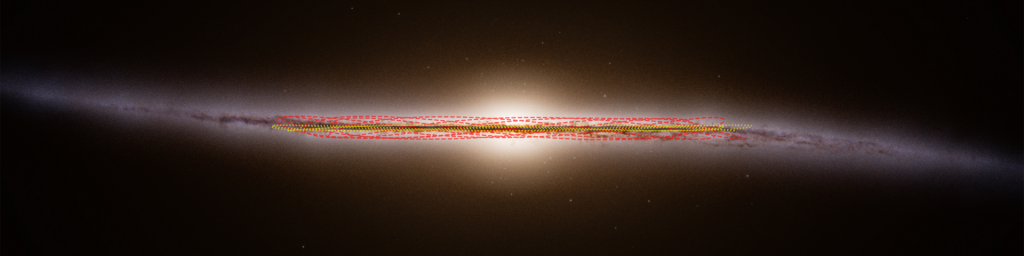
The IAWN campaign on 3I/ATLAS is not just a technical exercise it’s a coming together of planetary defense, interstellar science, and the search for possible technosignatures. Whether the comet turns out to be a natural remnant from a faraway star system or something more unusual, the global coordinated observations over the next few months will enrich humanity’s knowledge of these rare visitors and hone our preparedness for future encounters.


