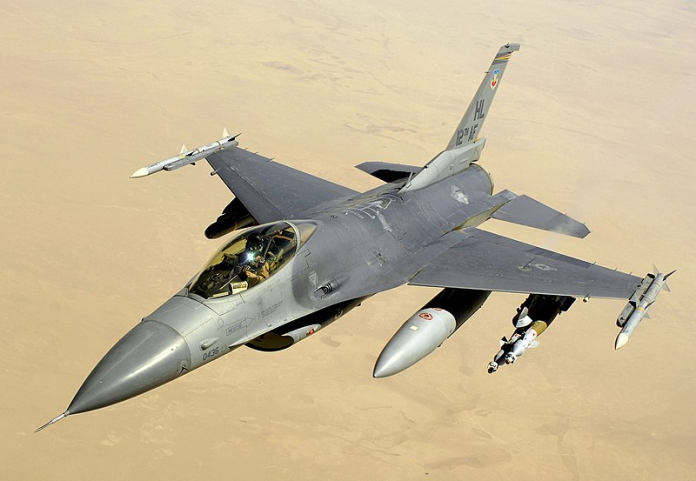
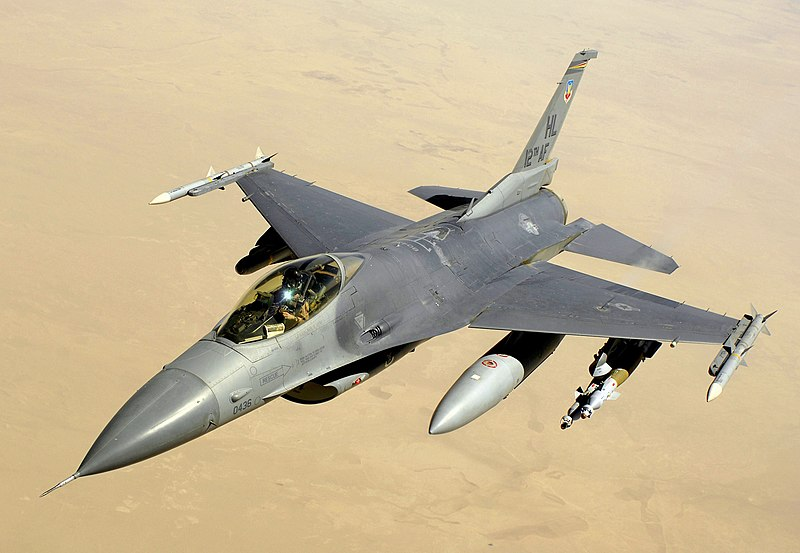
When it first flew, no one expected a fighter plane to remain in the competition for half a century. Yet the F‑16 Fighting Falcon, or simply the “Viper” to its crew, has beat that expectation by blending vision in engineering, battlefield adaptability, and relentless upgrading. From its Cold War beginnings as a light day fighter to its modern role as a networked multirole fighter, F‑16 development is a study in how philosophy of design and upgradeability can keep a platform at the pinnacle of its prowess well beyond its intended shelf life.
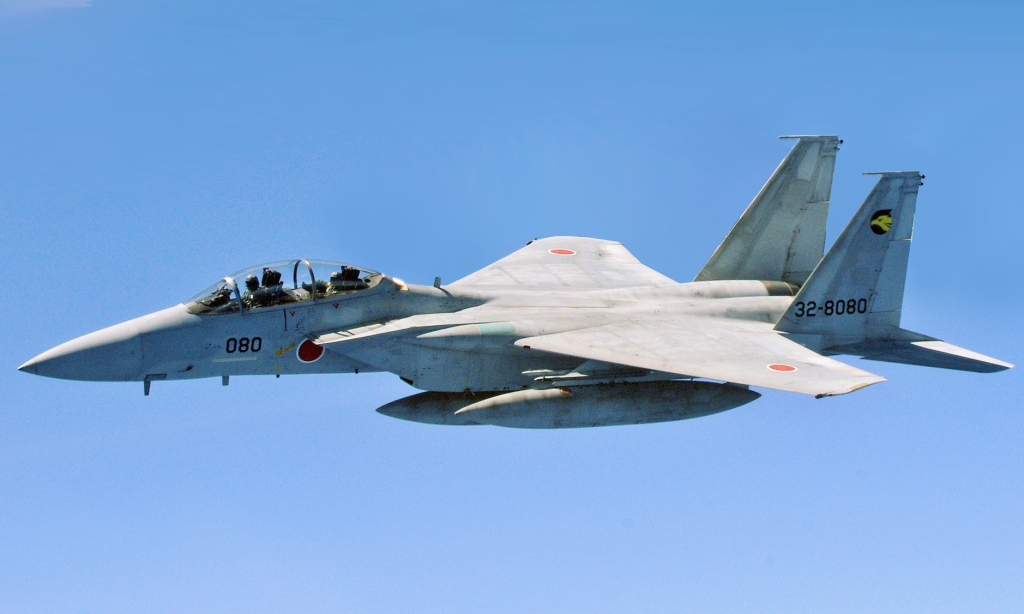
1. From Lightweight Concept to Multirole Workhorse
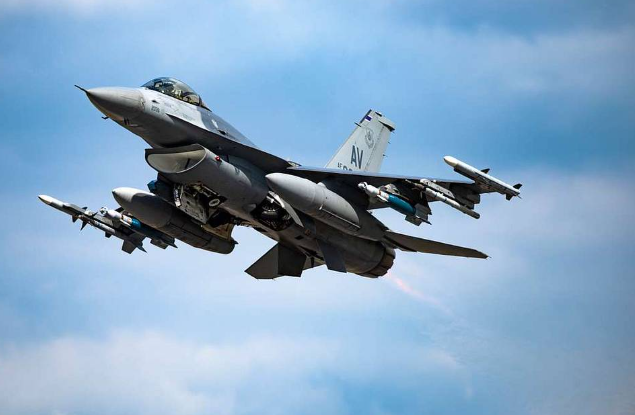
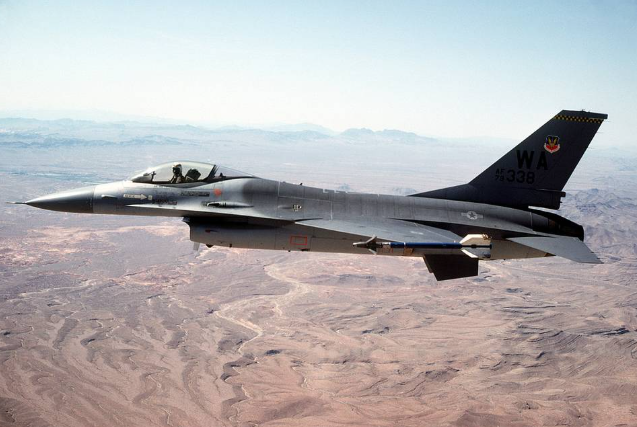
Developed in the early 1970s as a project in the U.S. Air Force’s Lightweight Fighter program, the F‑16 was intended to complement heavier air‑superiority fighters such as the F‑15. Its short, stubby fuselage, a single large turbofan, and “relaxed static stability” gave it extremely good agility. The successful General Dynamics design seated the pilot high above an uninterrupted bubble canopy to minimize blind spots and added a side‑stick controller to minimize workload in high‑G turns. Foremost among these was the allowance of space and electrical room to grow into subsequent systems a deliberate growth margin that permitted the jet to become a true multirole aircraft.
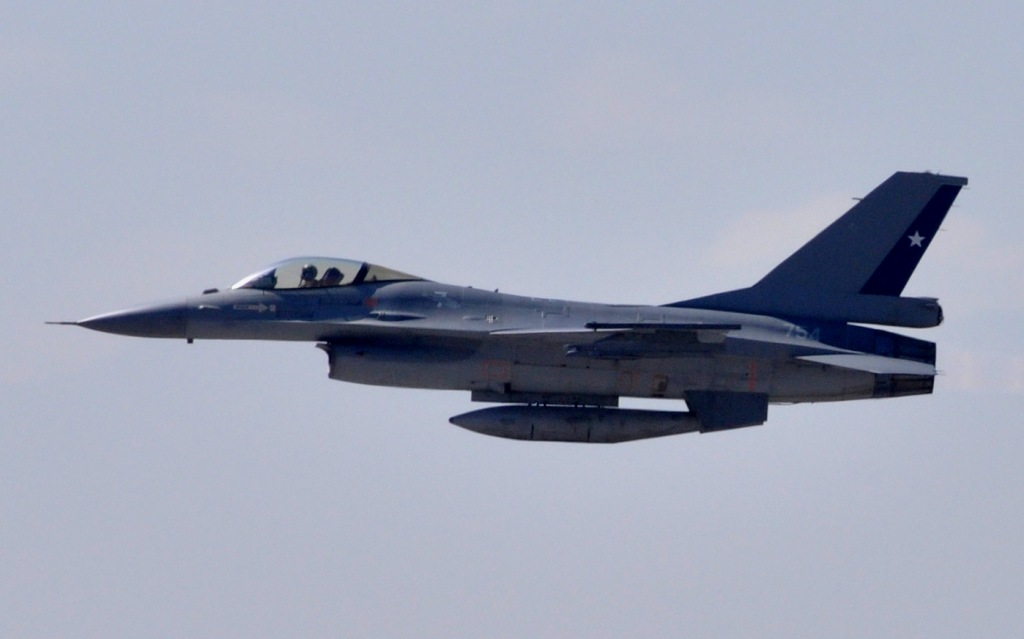
2. Engineering Features That Set a Generation
The F‑16 was the initial operational fighter to use an all fly‑by‑wire flight control system, substituting mechanical linkages with computer-interpreted digital messages. This enabled the stability-degraded airframe to make precise, high-G turns without stressing the pilot. The bubble canopy and raised seat afforded open 360-degree visibility, a valuable asset in dogfighting and low-altitude escape from threats. The Pratt & Whitney F100 and General Electric F110 engine families produced up to 29,000 pounds of thrust, with Mach 2-class speed and steep climb rates.
3. Combat Proven Across Decades
The F‑16’s first combat experience was with the Israeli Air Force in the early 1980s, where it built air‑to‑air victories and precision strike missions, such as the Osirak nuclear reactor attack. During Operation Desert Storm, 249 US Air Force F‑16s achieved more than 13,000 sorties, the most of any coalition fighter, or strike, SEAD, and air patrol mission. In the Balkans, Wild Weasel variants were searching for enemy radars, but in Afghanistan and Iraq the fighter delivered close air support and precision city warfare strikes. Its air-to-air performance 76-1 in verified kills demonstrates its killing ability when matched with skilled pilots and very advanced armament.
4. AESA Radar and Sensor Modernization
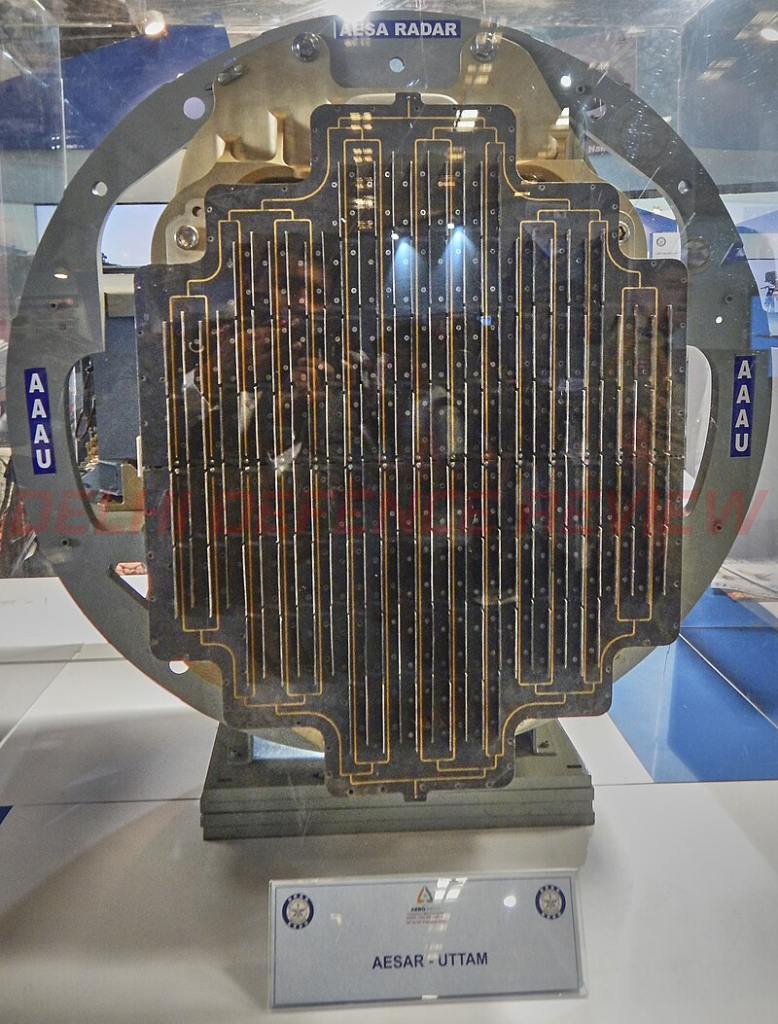
No more significant upgrade has been the addition of the AN/APG‑83 Scalable Agile Beam Radar (SABR), an active electronically scanned array system. AESA technology provides longer detection ranges, multi-target simultaneity track, and higher jam resistance, and adds sophisticated air‑to‑ground modes for precise all‑weather targeting. With Link 16 data links and helmet‑mounted cueing systems, these technologies have made the F‑16 an all‑networked combat node that can share real‑time target information with friendly aircraft, ships, and ground forces.
5. Structural Life Extension Engineering
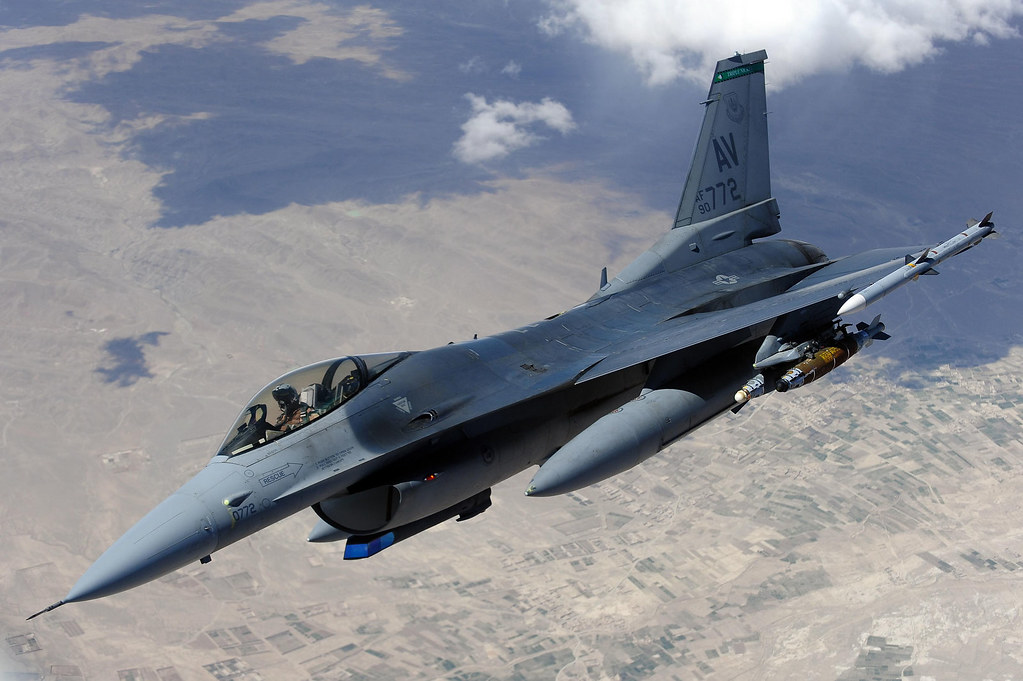
Lockheed Martin’s Service Life Extension Program (SLEP) has proven that as many as 300 Block 40‑52 aircraft can be life extended from 8,000 to 12,000 flight hours. Testing exceeded airframes past 27,000 test hours, revealing where to add strength in wings, bulkheads, and other high-stress parts. Center-fuselage replacement, new wings, and system overhauls are making fleets able to plan for flying in the 2040s and 2050s. This structural engineering task is important for countries that depend on F‑16s until or while acquiring or augmenting fifth-generation fighters.
6. Block 70/72: The Factory‑Fresh Viper
The Block 70/72 version adds SABR radar, upgraded cockpits with large displays, advanced mission computers, and the capacity to carry more varieties of precision-guided munitions. More advanced electronic warfare systems enhance survivability against integrated air defenses, and modular architecture enables future technology insertion. With combat range of 340 miles and Mach 2-plus speed, the Block 70 brings near-fifth-generation capability for a fraction of the cost approximately $63 million per aircraft versus $109 million for an F-35.
7. Interoperability and Worldwide Presence
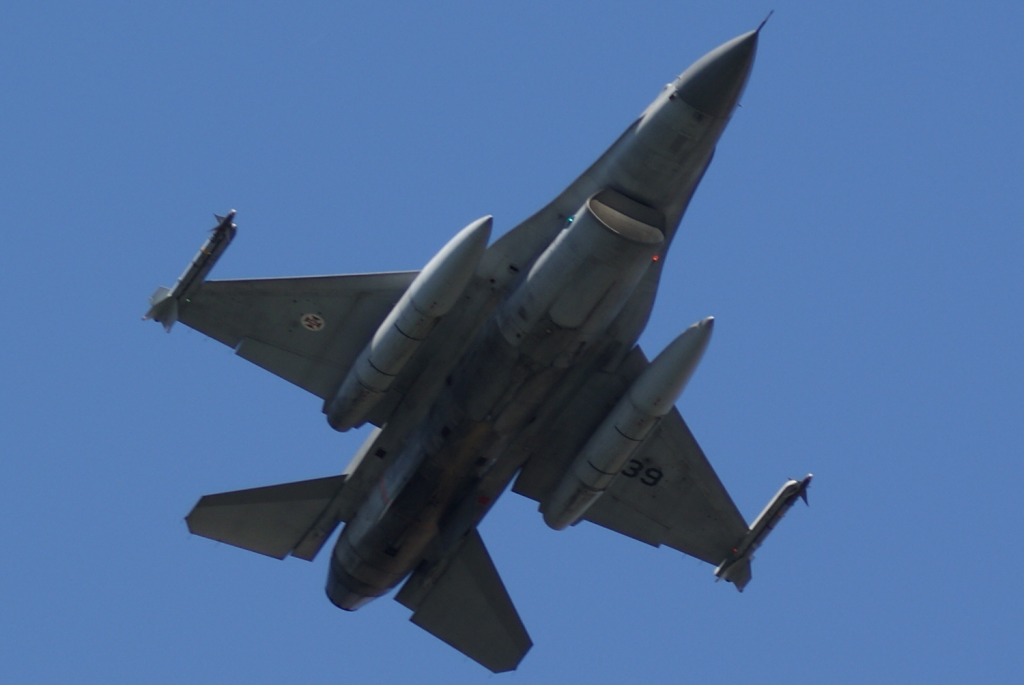
As more than 4,600 have been built and 26 are currently in service, the F‑16 is the globe’s most produced fixed-wing fighter. Its modular airframe and systems architecture make different fleets from Greece to Singapore share common training, maintenance, and operating procedures. This interoperability has been of invaluable value in coalition operations, with multi-national units counting on consistent performance and communications compatibility.
8. Role in the Stealth Era
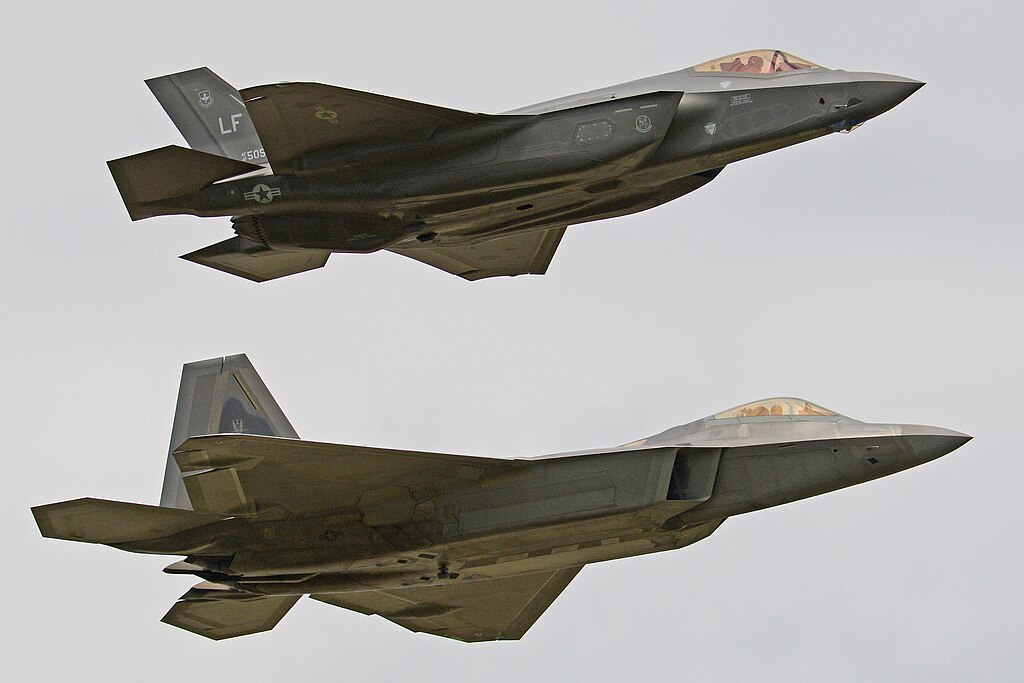
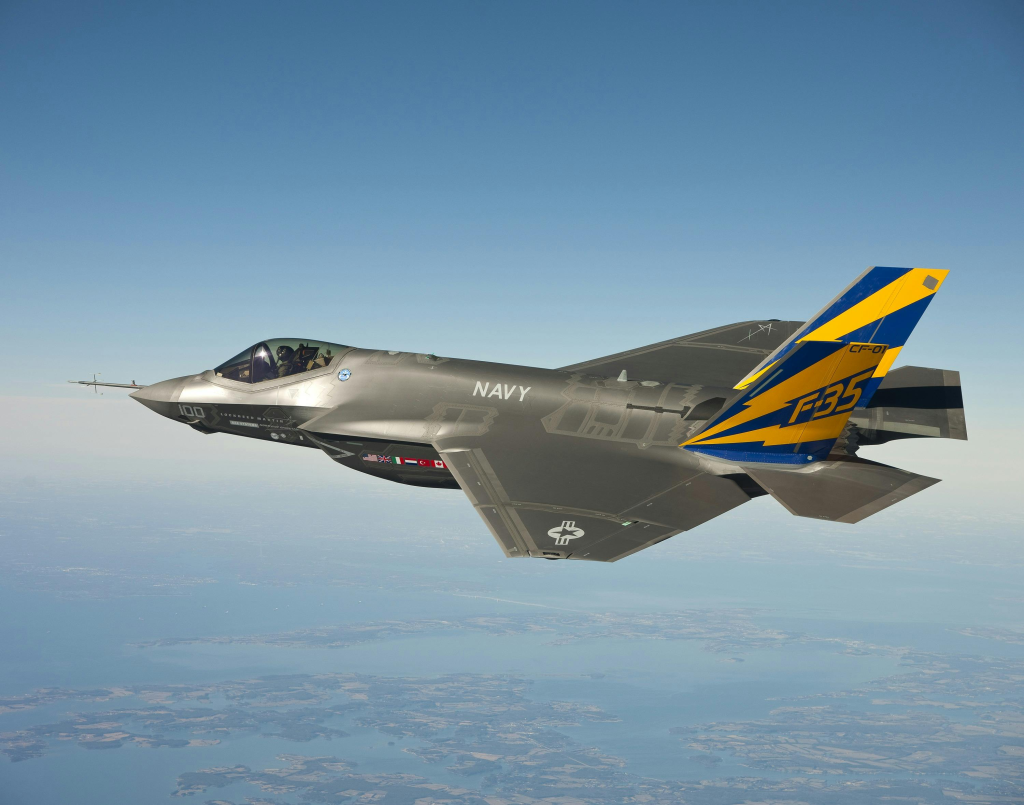
Where fifth-generation aircraft such as the F‑35 excel at penetration missions in high-threat environments, the F‑16 is still crucial to “Day Two” and “Day Three” operations, homeland defense, and building partner capacity. Modernized Vipers can escort, strike, and neutralize defenses in denied but not stealth-sensitive regions of operation, reserving stealth assets for specialized employment. In exercises, modernized F‑16s have integrated flawlessly with F‑35 and F‑22 formations, confirming their place in joint force organizations.
The F‑16’s longevity is not the product of a slam-dunk, one-time breakthrough but an even balance of design with repeated investment in engineering. Belligerence unencumbered by vulnerability, simplicity in critical areas, and expansion in critical areas have kept the Viper’s single‑engine growl on more than four decades around international runways and, with ongoing modernization, decades yet to come.


