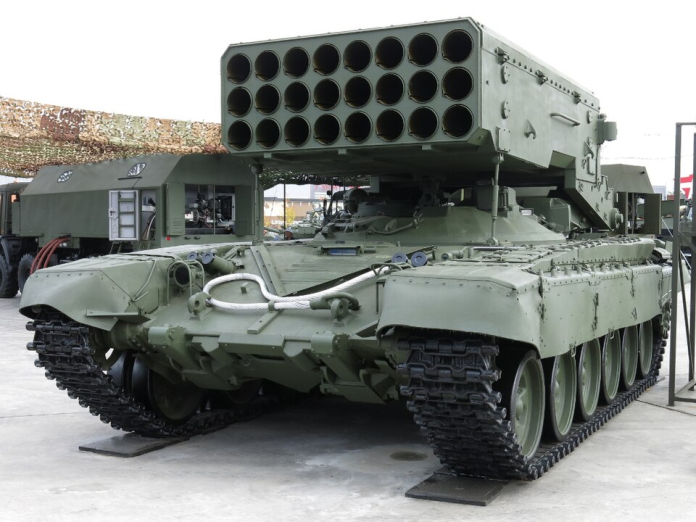
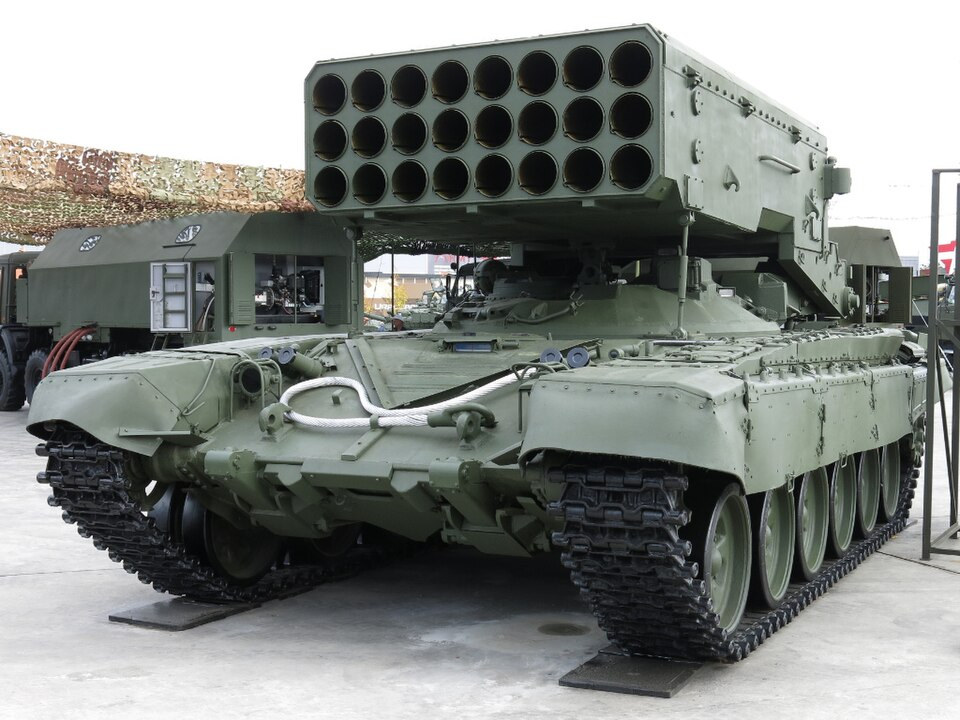
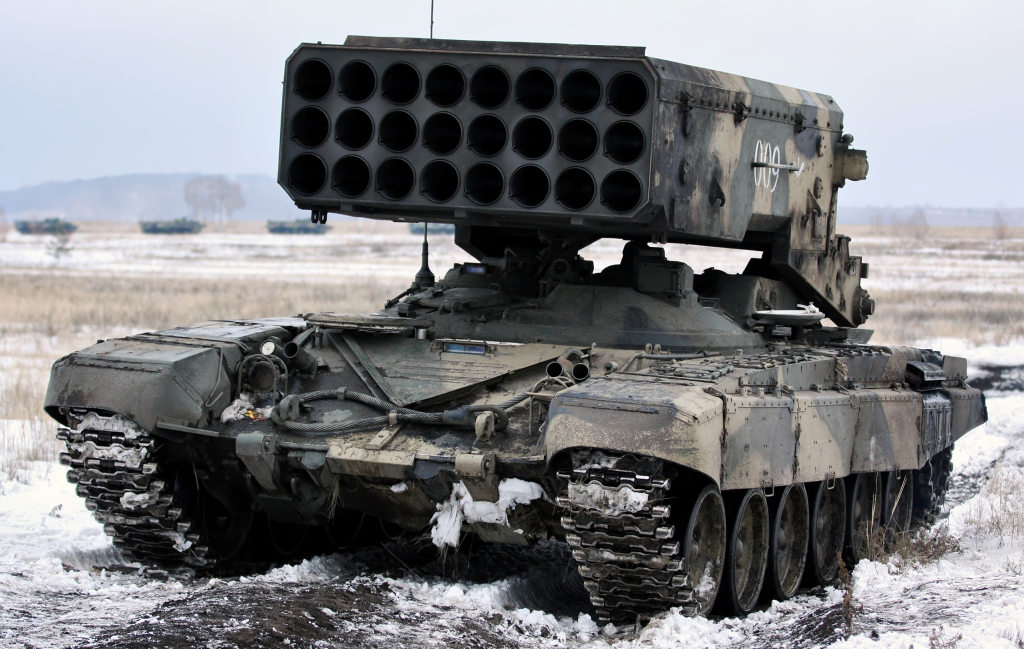
It started on the Zaporizhzhia front with a smokescreen of flames a stray Russian TOS‑1A ‘Solntsepyok’ heavy flamethrower system in the sights of Ukrainian drones. In a matter of minutes, the vehicle was immobilised, its crew abandoning it, and its thermobaric launcher on fire. For military onlookers, this was more than a vignette on the battlefield; it was an exact cleansing of one of Russia’s most dreaded but scarce frontline resources.
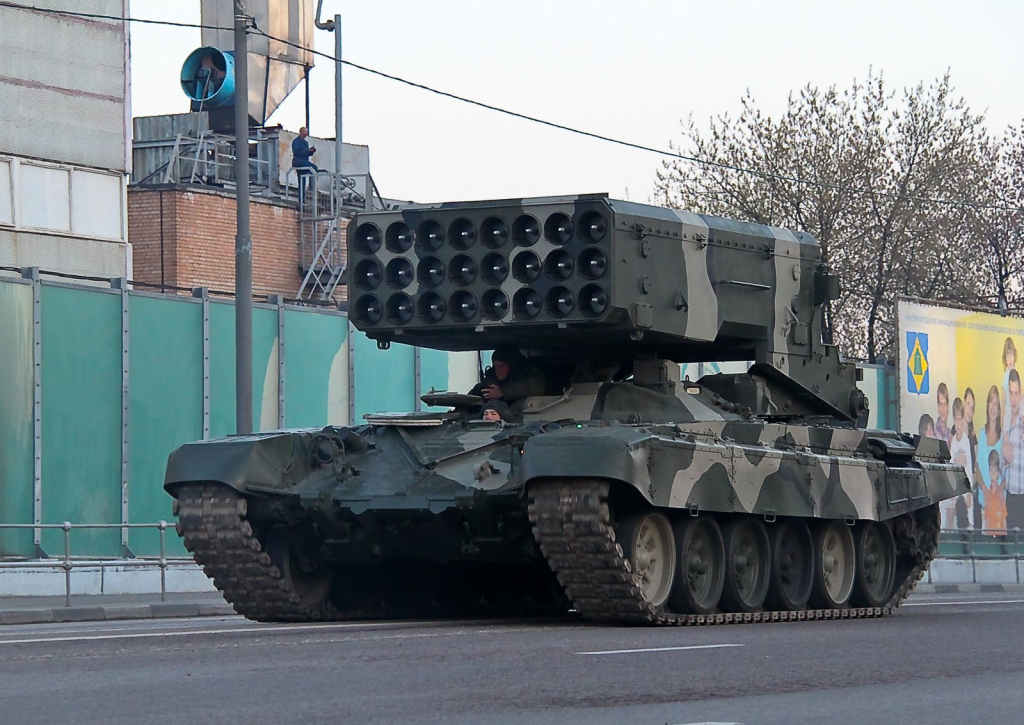
The elimination, as documented by video from Ukrainian National Guard forces and milsite news agencies, highlights the changing dynamic between unusual, high‑value missile systems and advanced countermeasures. The TOS‑1A’s well-deserved reputation for leveling entrenched positions has resulted in it being a top target, and its loss is both tactical and psychological. This most recent attack is the latest addition to an increasing number of similar Ukrainian successes, disclosing significant trends in weapons design, deployment, and vulnerability.
What follows are seven general insights gleaned from the incident and larger operational context from the TOS‑1A’s distinctive capabilities to the strategic significance of its destruction.
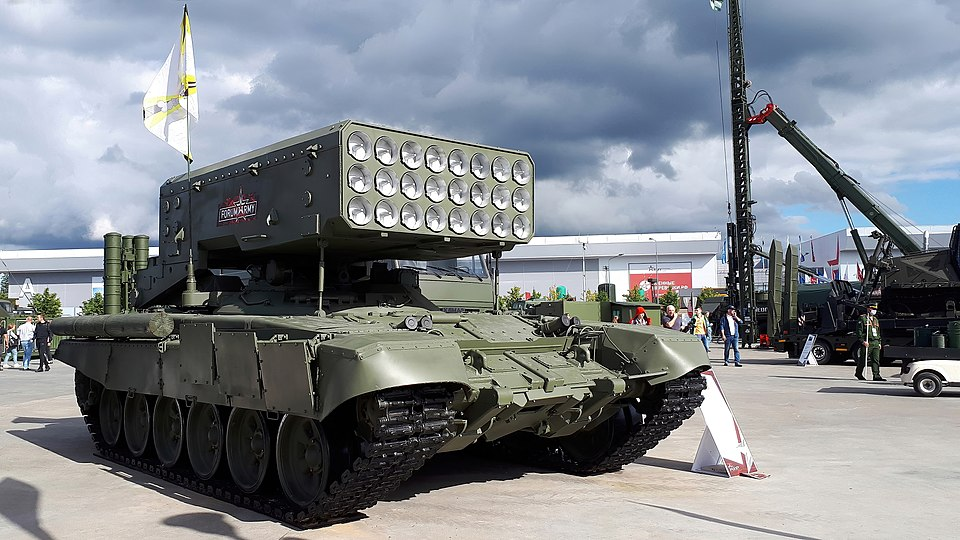
1. The TOS‑1A’s Uncommon and Deadly Purpose
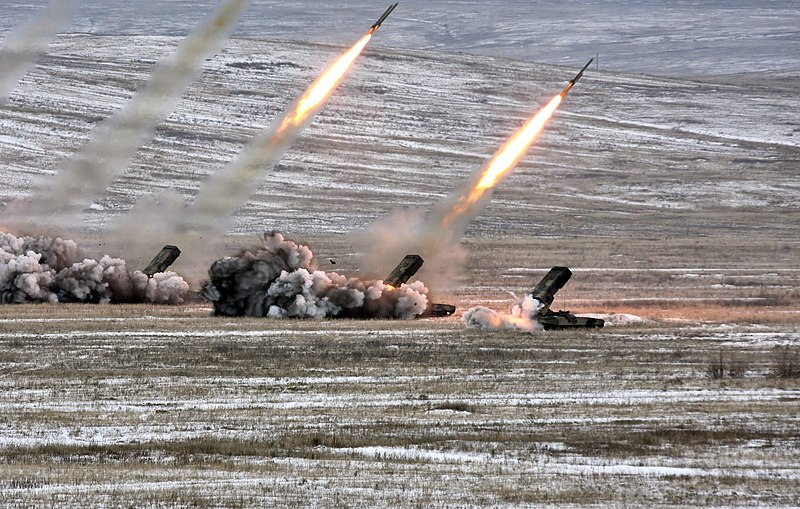
The TOS‑1A ‘Solntsepyok’ is not an ordinary flamethrower. It is a short‑range multiple rocket launcher on a T‑72 chassis modification, launching 24 220‑millimeter thermobaric rockets. These ammunition deploy a fuel-air mixture prior to ignition, creating a fireball and vacuum effect capable of reducing fortified structures to rubble and incapacitating personnel on a wide front. Defense Express has referred to it as “one of the most feared weapons in Russia’s arsenal,” intended to neutralize infantry and tanks in fortified positions.
Its paucity is impressive Russia had only an estimated 48 units on the war when it began, doctrinally allocated to NBC protection troops and not conventional artillery formations. Militarnyi says at least 33 have been lost since February 2022, four in 2025 alone. Small numbers make every loss a strategic loss, diminishing Russia’s capability to mass‑casualty attacks on fortified defenders.
2. Weaknesses of the Contemporary Battlefield
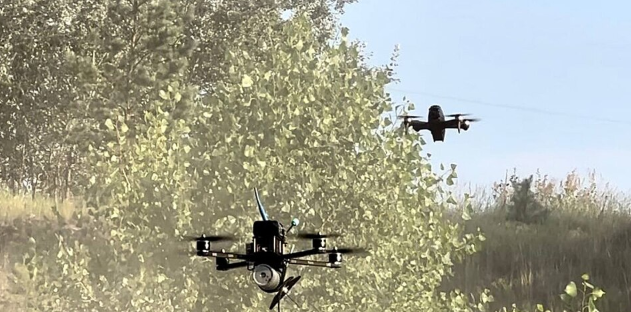
Despite its destructive power, the TOS‑1A’s operational limitations make it a high‑risk asset. Its effective range forces deployment close to the forward line, exposing it to reconnaissance and strike drones. It cannot operate in heavy rain or at high altitudes due to its oxidizer premix, further narrowing its tactical window.
Ukraine has taken advantage of these vulnerabilities by using layered detection and quick response. In the most recent attack, reconnaissance drones followed the launcher around, allowing for precision shots that grounded it before follow-up rounds annihilated the system. This is characteristic of a larger trend: scarce, high‑value systems are being stalked by unmanned systems with increasingly persistent and interunit‑coordinated capability.
3. Thermobaric Weapons and Their Controversial Effects
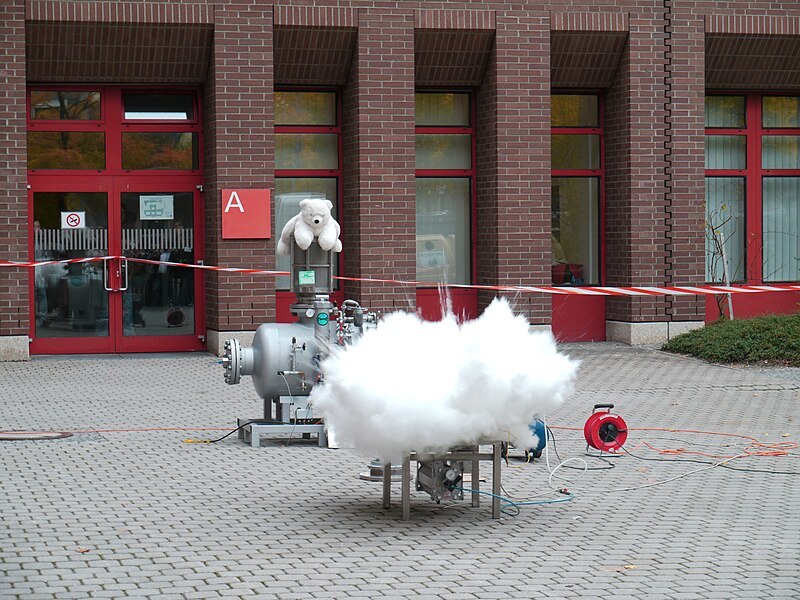
Thermobaric weapons, also referred to as vacuum bombs, utilize oxygen from the air to fuel a high‑temperature explosion. According to BBC News, the secondary detonation creates a vacuum, “drawing in all the oxygen around” and inflicting critical injury or death from burns, burst lungs, and asphyxiation. Jordan Cohen of the Cato Institute has characterized them as “some of the most horrific and odious rockets on the planet.”
International humanitarian law does not prohibit the use of thermobaric weapons per se, but deploying them against densely populated targets poses legal and ethical issues. Arthur van Coller’s work in the International Review of the Red Cross reminds us of the challenge of reducing harm to civilians considering their area effect, particularly in urban warfare.
4. Russian Production and Modifications
Video from the Omsktransmash factory has appeared to demonstrate the production of TOS‑1A systems, with Russian sources citing that production levels rose “three to four times” during the conflict. Rumored enhancements include thermal viewers for drivers and new fire control systems that allow 15-second target acquisition.
These enhancements are intended to enhance survivability and response, but combat losses indicate they have yet to overcome the system’s intrinsic risk of exposure. Russia’s reluctance to speak about its more recent TOS‑3 ‘Dragon’ system which borrows aspects of both the TOS‑1 and TOS‑2 could signal development or deployment issues.
5. Ukrainian Drone Tactics Against High‑Value Targets
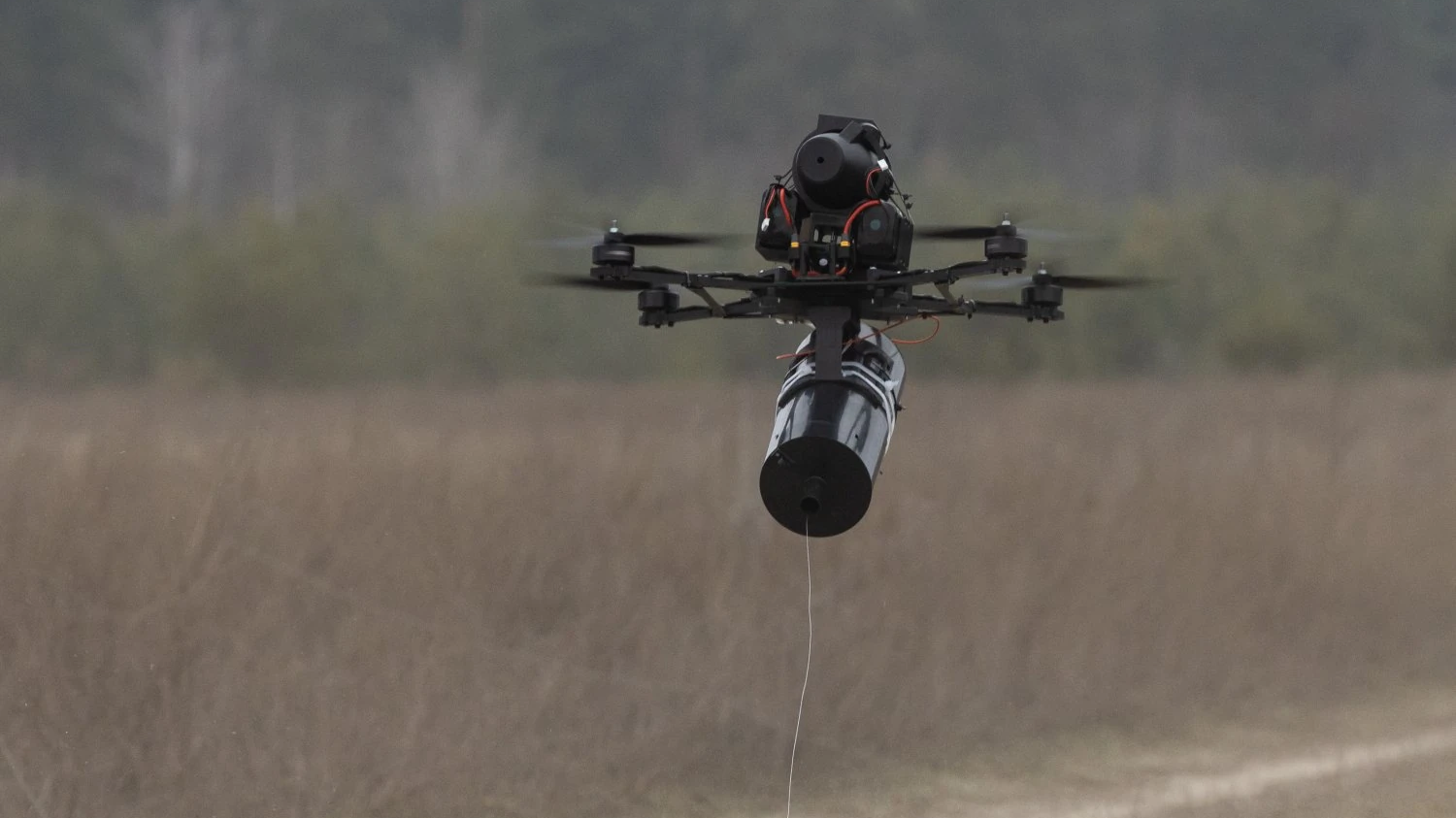
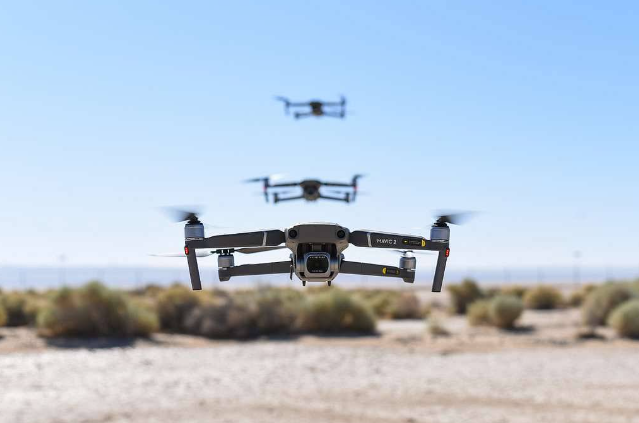
The attack on the TOS‑1A demonstrates Ukraine’s integration of drones in combined arms operations. The 427th Separate Regiment (‘Rarog’) and 102nd Separate Brigade have employed reconnaissance drones to detect thermal and visual signatures before sending in strike drones to disable or destroy the launcher.
Heavy bombing drones such as the Vampire have at times been used for terminal destruction. Coordination of reconnaissance, strike, and command means enables Ukraine to respond within minutes of contact, a tempo that denies the target the opportunity to reposition or receive defilade fires.
6. Tactical and Psychological Impact
Defense Express has called the elimination of a TOS‑1A “a tactical and psychological victory.” On the tactical side, it removes a weapon capable of inflicting mass casualties and suppressing troop positions. Psychologically, it signals to Russian crews that even their most feared systems are vulnerable.
The financial aspect also matters: Newsweek has put a price tag on a TOS‑1A at between $6.5 million and $15 million, counting training and ammunition. Each destruction is therefore both a victory on the battlefield and a financial loss.
7. Lessons for Future Warfare
The attack demonstrates broader lessons regarding the interaction between uncommon, high‑impact weapons and contemporary countermeasures. As in Ukraine, sustained surveillance, quick target acquisition, and unmanned strike weapons can counter systems that were once thought to be decisive.
For the planners of the military, the message is obvious: survivability for such assets will be a function of concealment, mobility, and co-option by larger defense measures. For those forces planning to counter them, meanwhile, the marriage of ISR and precision strike repeatedly launched by drones provides a tried-and-true way to weaken an opponent’s most effective capabilities.
The loss of another TOS‑1A ‘Solntsepyok’ is not just a tactical victory; it is a case study in how the contemporary battlefield rewards agility and punishes vulnerability. Uncommon, high‑value systems such as the TOS‑1A can reign supreme under optimal conditions, but in an environment with high concentrations of sensors and quick‑reaction fires, their weaknesses are exacerbated. For Ukraine, every such destruction is a step further toward diminishing Russia’s capability for mass‑effect attacks. To analysts, it is a reminder that in modern warfare, even the most intimidating weapons can be outdone by precision, coordination, and speed.


