
Russia’s recent threat that it will “immediately retaliate” if the United States restarts nuclear testing is not just a political declaration it is an explicit challenge to the technical foundation of America’s nuclear arsenal and the tenuous arms control structure that has controlled both countries for more than a decade.
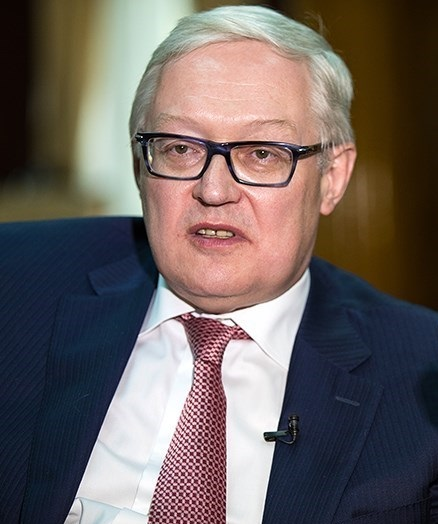
Deputy Foreign Minister Sergey Ryabkov’s words, given to journalists and the State Duma, directly blamed Washington for maintaining its test facilities in “a state of combat readiness,” a charge that comes at the heart of U.S. subcritical testing and simulation capabilities hidden deep within the Nevada desert.
1. The Technical Reality of U.S. Test Readiness
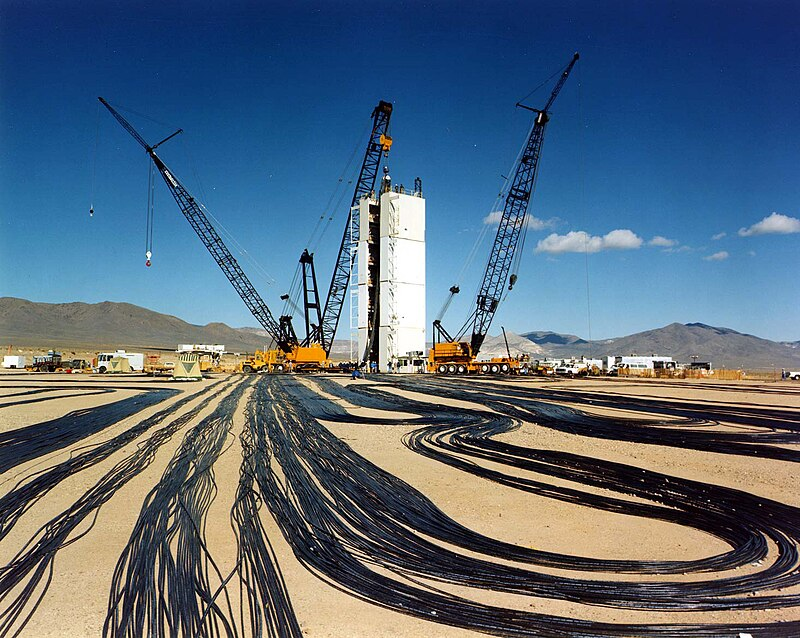
Though the United States has not exploded a full-scale nuclear bomb since 1992, it has sustained a large-scale readiness posture under the Stockpile Stewardship Program. Sites like the Nevada National Security Site’s U1a complex perform subcritical tests involving plutonium but not quite leading to a self-sustaining chain reaction. Underground, facilities such as the $2 billion Scorpius X-ray machine are under construction to study the aging plutonium pits in the center of warheads, while operational systems such as Cygnus already irradiate high-energy X-rays into steel containers that hold small quantities of plutonium to replicate detonation conditions. As David Funk, who manages underground operations, explained, these tunnels were “designed to be nuclear tests location[s]” but are now used to gather vital physics data without crossing the Comprehensive Nuclear-Test-Ban Treaty threshold.
2. Supercomputers as the New Test Grounds
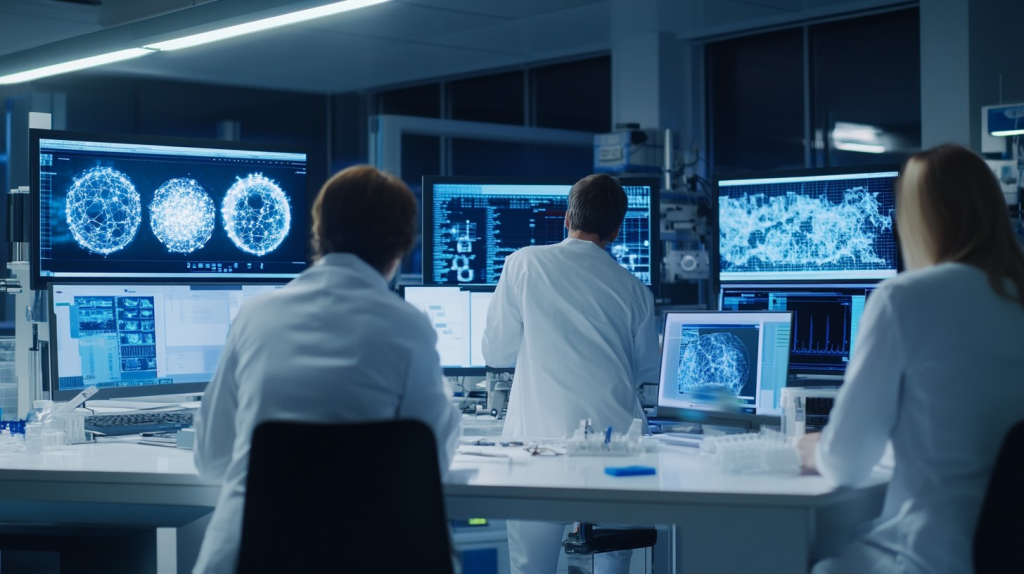
The Lawrence Livermore National Laboratory’s El Capitan supercomputer 2 quintillion calculations per second executes “button-to-boom” simulations that used to demand live detonations. Terri Quinn, the manager of high-performance computing there, characterized the acceleration: “Now they can get it back by the end of the day or within hours.” Based on decades of empirical test data, these simulations permit scientists to simulate warhead performance, detect flaws, and validate fixes without explosive testing. But the accuracy of these models relies on periodic real-world information from subcritical testing, so that Russia’s allegations of U.S. preparedness ring true in strategic communities.
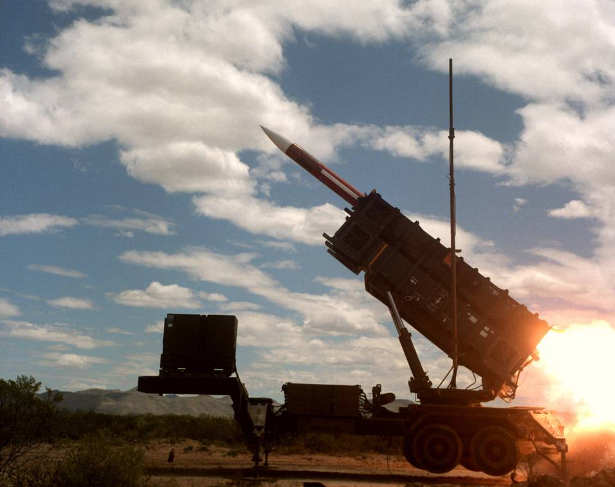
3. The Fading Influence of the New START Treaty
New START, signed in 2010, caps each side at 1,550 deployed strategic warheads and 700 deployed delivery systems with verification through data exchanges and on-site inspections. Those inspections have been on hold since 2020, and Russia officially “suspended” in 2023. With expiration pending in February 2026, Ryabkov has proposed a one-year extension of numerical limits but only if the U.S. stays away from “destabilizing actions,” such as missile defense increases. Without New START’s verification regime, even advanced national technical means like satellite imaging cannot verify fully compliance with warhead constraints.
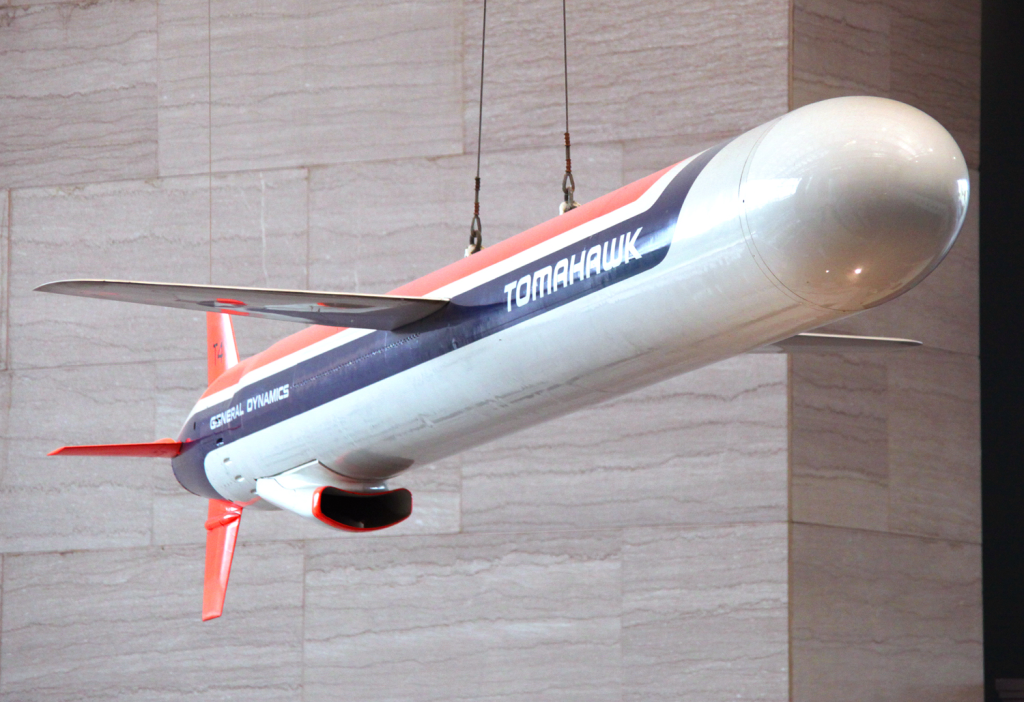
4. Missile Defense as a Strategic Flashpoint
Moscow’s conditionality is squarely directed at U.S. initiatives like the proposed Golden Dome a space-based, layered missile defense system capable of intercepting ballistic, hypersonic, and cruise missiles. While Washington presents it as a shield against “rogue” threats, its advertised capability against “peer” rivals directly opposes Russia’s deterrent. Russian strategists have long considered that unrestricted missile defense could erode mutual vulnerability, the foundation of strategic stability.
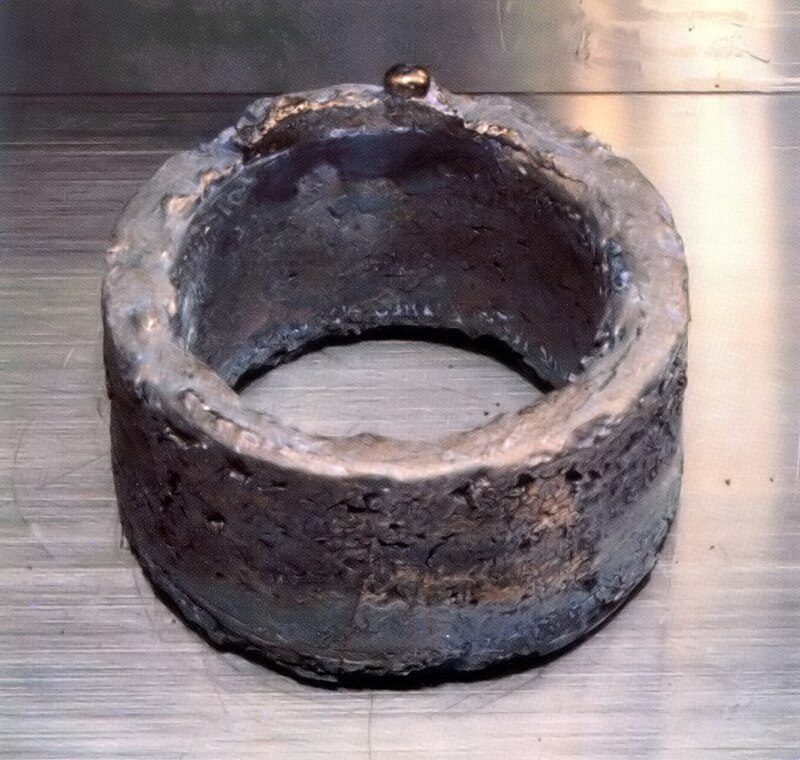
5. The Plutonium Disposition Breakdown
Ryabkov also made official the end of the 2000 Plutonium Management and Disposition Agreement, in which both countries committed to getting rid of 34 metric tons of weapons-grade plutonium enough for thousands of warheads. The U.S. strategy had moved from producing mixed oxide (MOX) reactor fuel to a dilute-and-dispose process, one which Moscow opposed. Plants such as the Savannah River Site were at the heart of the original design, featuring customized lines for producing plutonium oxide. The breakdown of this agreement eliminates a political and technical obstacle to recycling fissile material in new warheads.
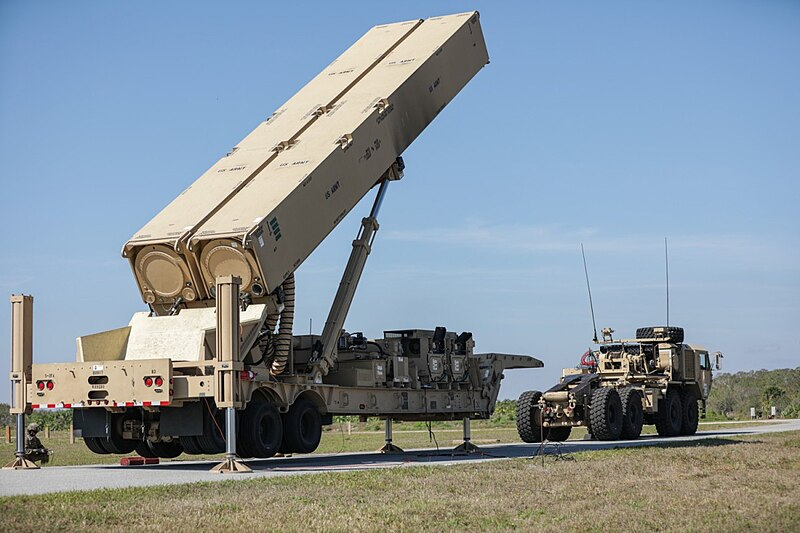
6. Strategic Stability Under Strain
Without arms control constraints, the U.S., Russia, and China might embark on an uncontrolled arms race. The U.S. has approximately 3,700 overall warheads, Russia around 4,300, and China around 600. Upload potential alleging more warheads onto current ICBMs and SLBMs can rapidly increase deployed counts. The lack of verification increases miscalculation risk, particularly as all three update delivery systems and consider exotic weapons such as hypersonic glide vehicles.

7. Why Testing Matters Beyond Politics
Technically, American weapons scientists argue that there is “no technical need to test right now.” The United States’ advantage is its massive repository of more than 1,000 previous test data, used to fuel simulation models. Going back to explosive testing could undermine that edge by enabling countries like China, with merely 45 history tests, to quickly augment their design expertise. But the political calculus projecting determination, reacting to tests by an adversary may trump technical arguments, rendering Ryabkov’s threat one more than rhetorical.

The coming together of highly advanced simulation, highly precise subcritical experiments, and a disintegrating treaty regime presents a paradox: America is able to maintain its arsenal without tests, but the infrastructure to resume testing exists intact by design. Today, in this environment, that capability is both a deterrent and an incentive one now explicitly linked by Russia to the threat of instant nuclear counterattack.


