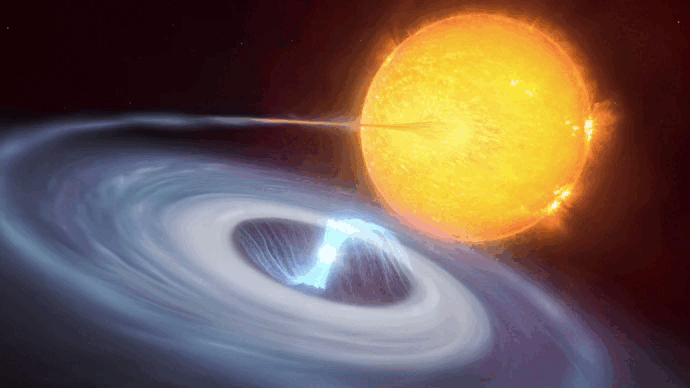
The warning was clear. “This is a near extinction-level event, and we are in the middle of it right now,” said Ben Davidson, founder of Space Weather News. He was discussing a predicted ‘micronova,’ a sudden solar explosion tied to Earth’s shifting magnetic poles and its weakening magnetic field. Despite these worrying forecasts, other experts encourage younger generations to prepare for a very different future. In this future, humanity will live and work in orbit, on the Moon, and on Mars.
1. Expanding Human Presence Beyond Earth
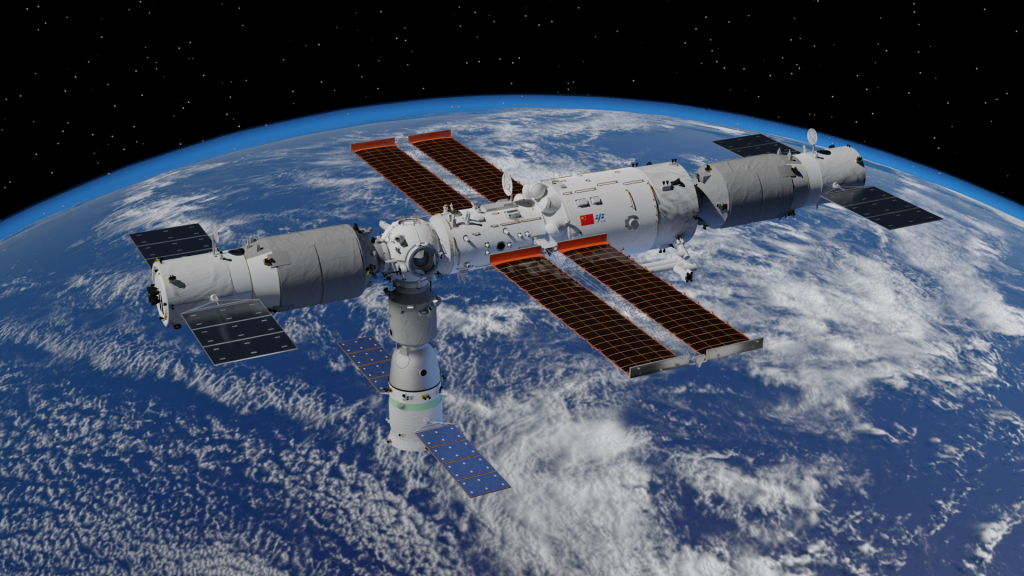
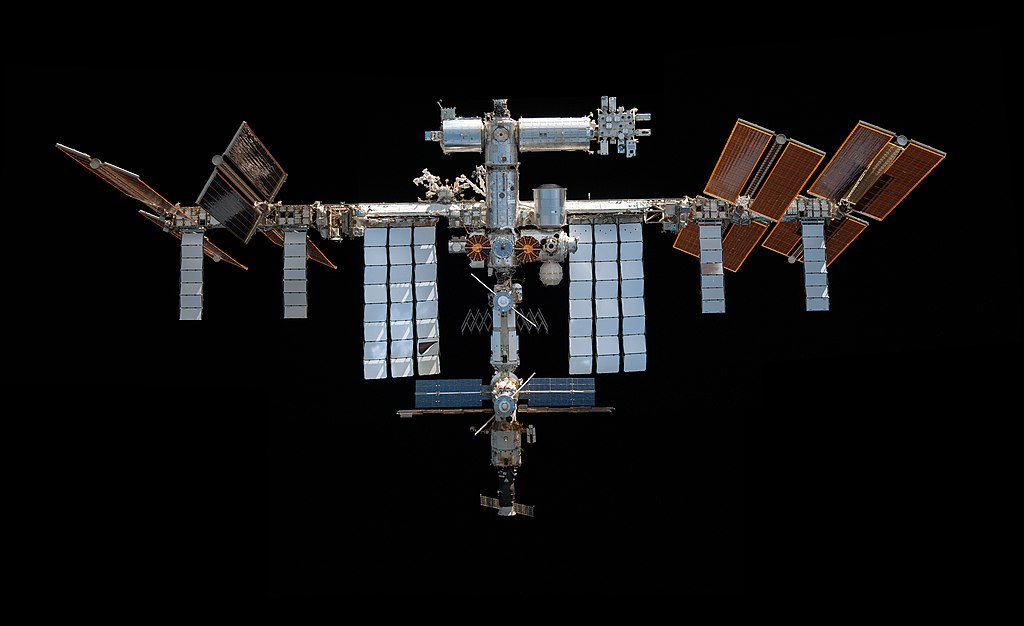
Dennis Stone, president of the World Space Week Association, talked about the future of living in space. “Ten people live in space today, but this number will grow,” he said, referring to the residents of China’s Tiangong Space Station and the International Space Station (ISS).
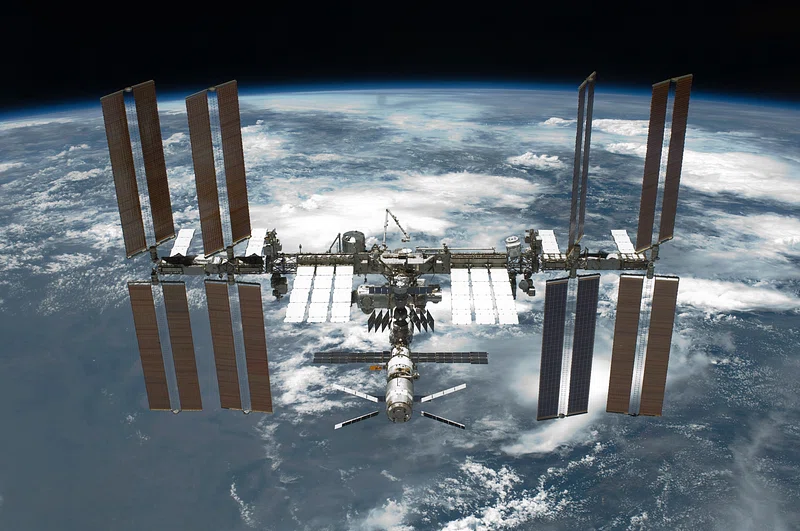
The ISS orbits 402 kilometers above Earth and serves as a valuable microgravity lab. It allows research that isn’t possible on Earth. Microgravity affects fluid dynamics, combustion, and biological processes, providing vital insights for long-term living in space.
2. Engineering Habitats for the Moon and Mars
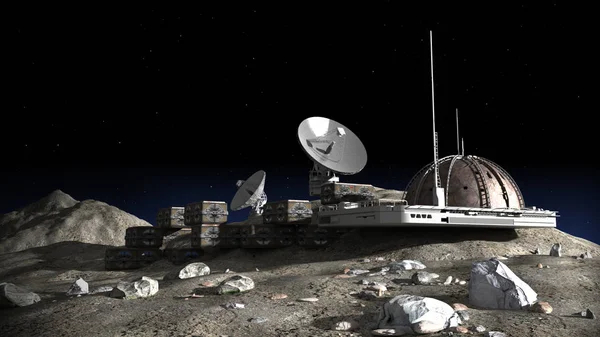
Experiments on the ISS have tested inflatable habitat designs, studied how concrete hardens in low gravity, and explored 3D printing using regolith, the dusty soil of the Moon and Mars. The European Space Agency achieved success in 2024 by 3D printing a metal part in orbit. This marked a significant step toward creating tools and structures on-site. It reduces the need for supplies from Earth. Life support systems on the ISS have achieved 98% water recovery, an important milestone for self-sufficiency during deep space missions.
3. Microgravity Research Driving Space Medicine
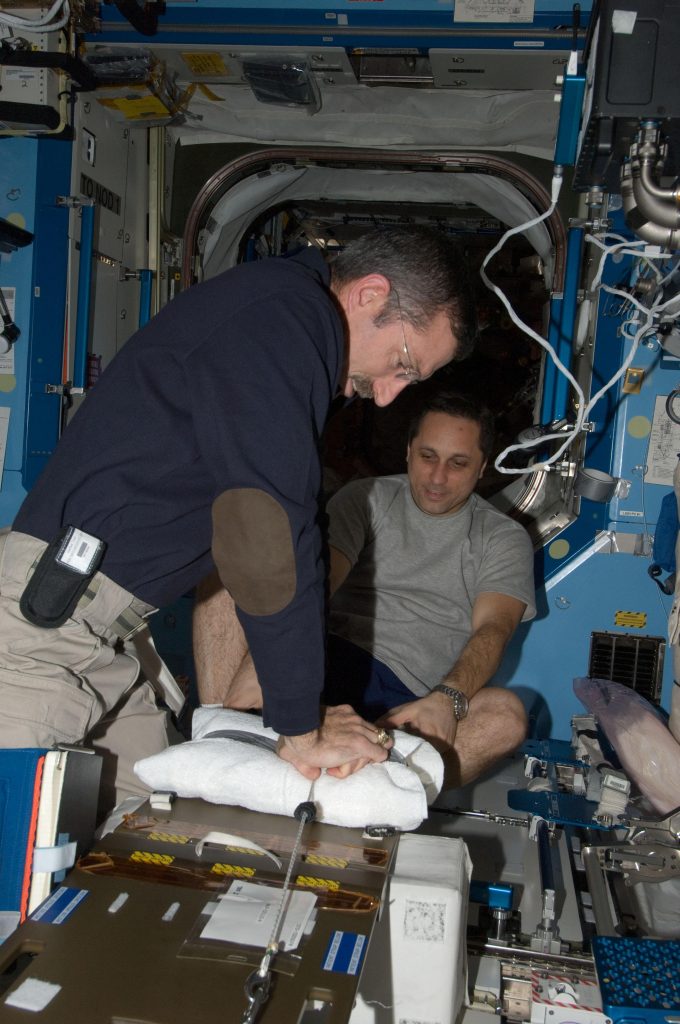
Long missions show how microgravity alters the human body. It affects vision, bone density, heart function, and fluid distribution. Studies like Fluid Shifts, conducted from 2015 to 2020, have helped explain why vision changes happen. Organ-chip experiments mimic human tissue responses to conditions in space. These technologies will be crucial for keeping astronauts healthy during long journeys to Mars.
4. Martian Clues: Signs of Possible Life
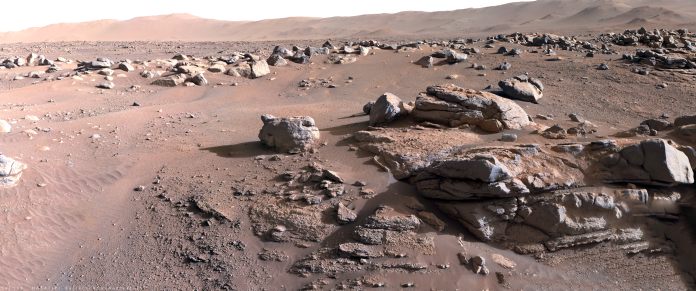
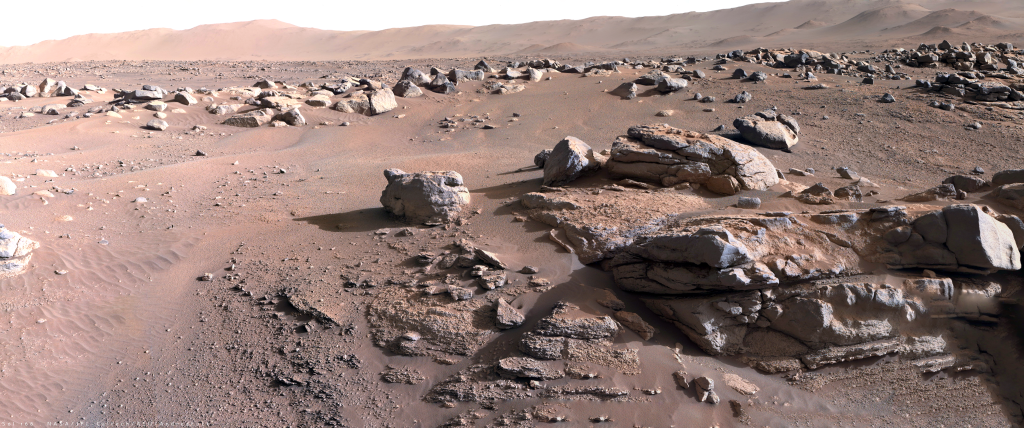
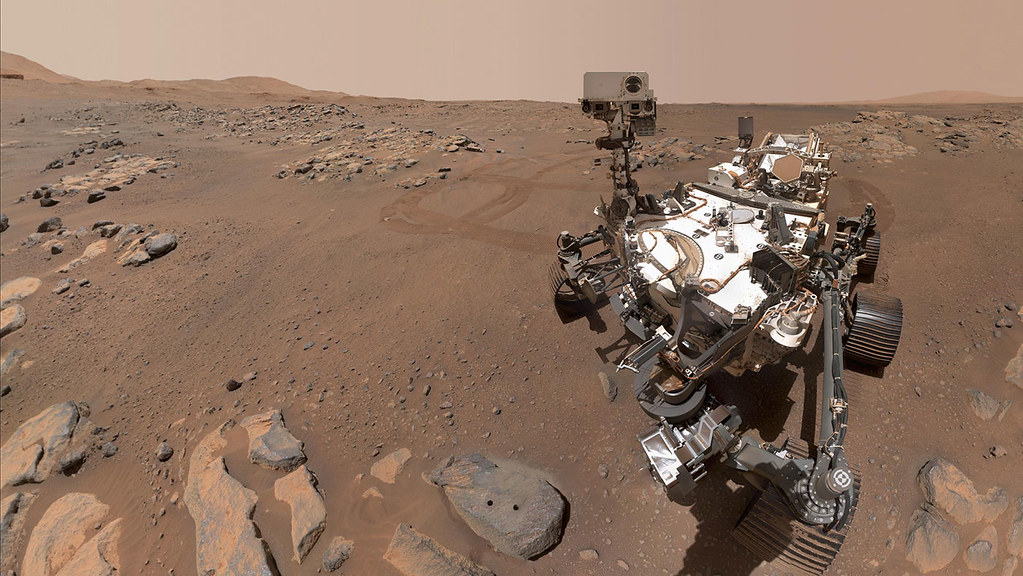
NASA’s Perseverance rover has discovered interesting mineral patterns in Jezero Crater’s Bright Angel formation. The “leopard spots” and “poppy seeds” in the Cheyava Falls outcrop contain vivianite and greigite minerals often formed through redox reactions. On Earth, these reactions support life and drive processes from photosynthesis to microbial respiration. “Whatever their origin, this is very distinct chemistry compared to anything we’ve seen in about 20-25 years of exploring the planet,” said Joel Hurowitz of Stony Brook University.
5. The Challenge of Proving Life
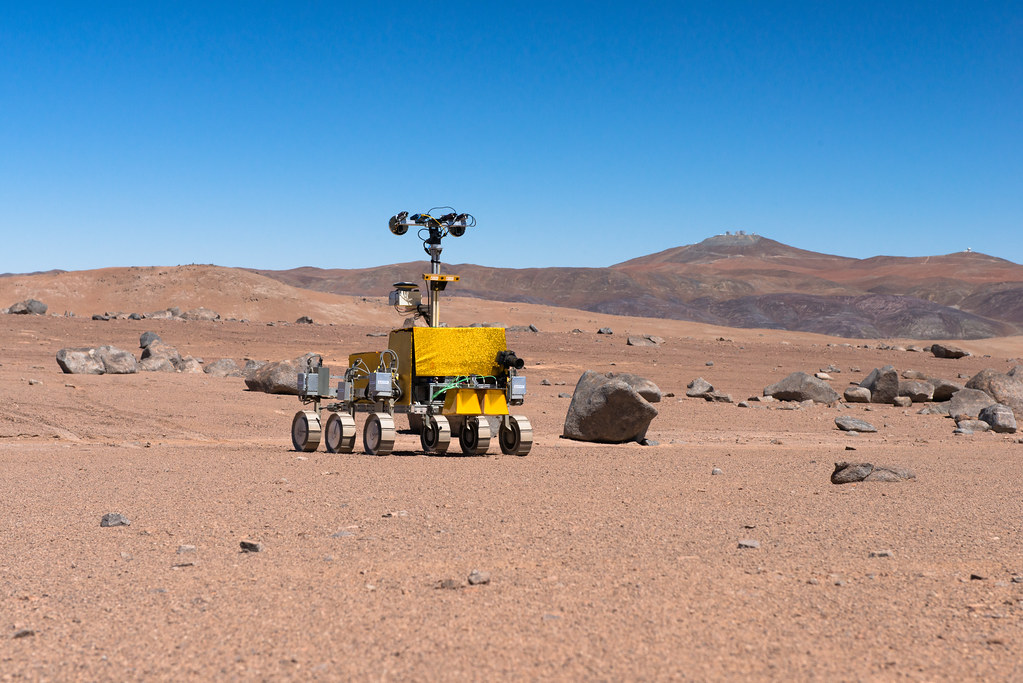
Redox reactions at low temperatures occur slowly without biological catalysts, making the high sulfide concentrations at Cheyava Falls noteworthy. “They essentially don’t happen at the temperatures we think these rocks experienced,” said geobiologist Mike Tice. While this isn’t definite proof, these reactions could suggest past microbial activity. The upcoming ESA ExoMars Rosalind Franklin rover will drill up to two meters below the Martian surface, targeting subsurface areas that might still support life.
6. Building Scientific Capacity for Deep Exploration
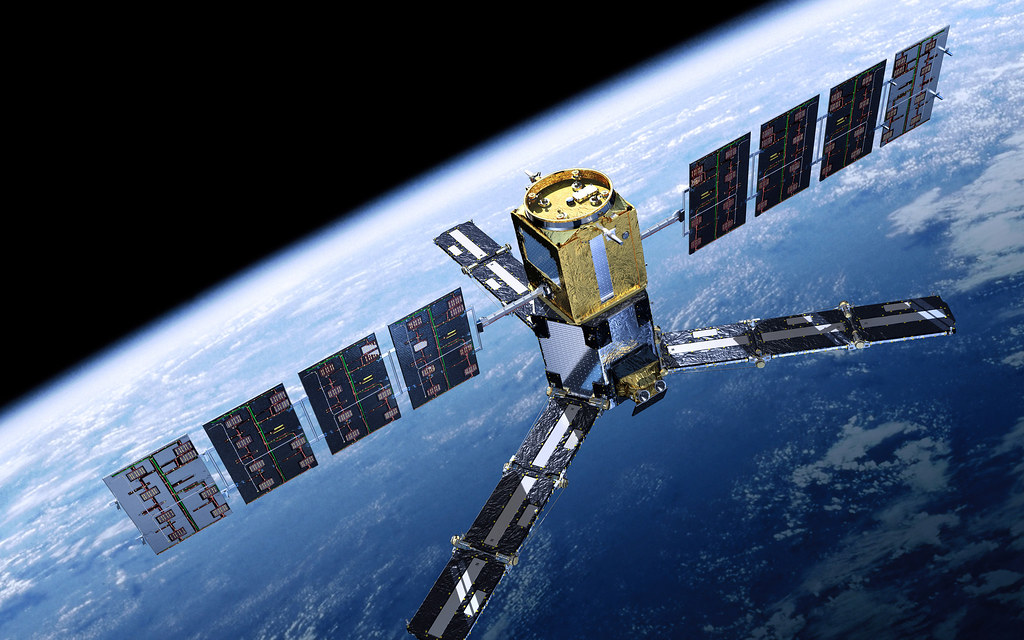
The ISS has improved DNA sequencing techniques in orbit, allowing for quick identification and monitoring of microbes. Laser communications tested on the station enable faster data transfer between Earth and deep-space missions. Robotic systems developed on the ISS can map terrain, detect equipment failures, and assist astronauts. These skills are essential for Mars missions, where real-time human oversight from Earth won’t be possible.
7. Monitoring Space Weather and Magnetic Field Shifts
Davidson’s micronova theory focuses on the geomagnetic cycle, which he claims occurs every 6,000 years. Earth’s magnetic field has weakened by up to 15 percent since the 1800s. Auroras at low latitudes, once rare, now appear “15 to 20” times over just a few years. Space weather monitoring systems, some used in lunar missions, are improving the ability to predict solar activity and assess its effects on spacecraft electronics, navigation systems, and astronaut safety.
8. Preparing Youth for the New Space Age
Stone noted that World Space Week 2025 aims to inspire young people to take part in space science and engineering. From mastering microgravity research to designing habitats that can withstand cosmic radiation, the skills learned today will be essential for humanity’s survival and growth beyond Earth. The combination of findings Martian mineral clues, ISS-driven technology, and space weather predictions shows a future where scientific readiness is as important as ambition.


