What if we’ve made a mistake about the origin of life? For decades, primordial soup was the reigning hypothesis, but a new flood of discoveries is upending this tale and revealing a far more complicated narrative. Current research, from returned samples of asteroids to laboratory-simulated prebiotic chemistry, is prompting scientists to rethink the first pages of life on Earth and even its possible cosmic connections.
This piece reports on the most fascinating break-throughs and disputes in the pursuit of the birth of life. From the enigmatic RNA world to asteroid delivery of biomolecules, and from the surprise importance of cold worlds to looking for life on distant moons, these discoveries are revolutionizing the frontier of prebiotic chemistry and astrobiology. Below are nine break-throughs that are thrilling the scientific community and making us reconsider.

1. The RNA World Hypothesis: Evolution Before Cells
The RNA world hypothesis has gained fresh momentum with groundbreaking experiments at the Salk Institute. Researchers led by Gerald Joyce have created an RNA enzyme capable of accurately copying other beneficial strands of RNA, something that was deemed impossible before. In accordance with Joyce, as published in the Proceedings of the National Academy of Sciences, “By revealing these new capabilities of RNA, we’re finding the potential starting points for life itself, and how simple molecules might have laid the stage for the complexity and diversity of life we see today.” This study indicates Darwinian evolution at the molecular level could have occurred prior to cells, pointing toward a much earlier dawn for evolutionary activity than was believed to have been.

However, the experiments also imply vulnerability of such systems: fidelity of replication must exceed a certain level in order to preserve heritable information, and experimental conditions required for such feats are quite different from those assumed on early Earth. The critics would argue that demands of high amounts of pure nucleotides and precise protocols might make the RNA world hypothesis less probable to occur in nature. However, the quest to synthesize a self-replicating RNA polymerase in the lab continues, laboriously edging nearer to demonstrating independent RNA life.
2. Meteorites and Asteroids: Cosmic Messengers of Ingredients for Life
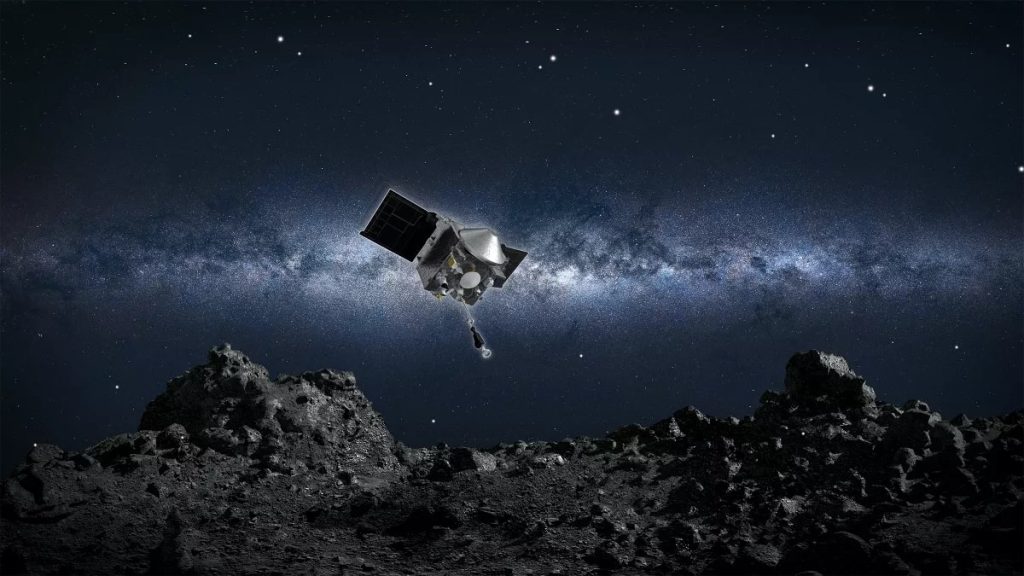
The return of samples from asteroid Bennu by NASA’s OSIRIS-REx mission has yielded a scientific bonanza. In 2024, researchers reported the Bennu regolith is rich in carbon-rich compounds, hydrated minerals, and most importantly, water-soluble phosphates key ingredients of prebiotic chemistry. Discovery of nano globules and polycyclic aromatic hydrocarbons that have been preserved in their original state gives us a unique glimpse into the solar system’s early history. Bennu’s composition makes panspermia more likely, the hypothesis that the seeds of life or even life itself could have been brought to Earth on an asteroid or comet.
This proof is reinforced through examination of meteorites like Murchison, which contain amino acids, nucleobases, and sugars not typically found on the planet, many with isotopic signatures typical of origin outside the Earth. The implications are great: if organic molecules are widespread across the universe, life’s origin may not be unique to Earth.
3. Simulating Prebiotic Chemistry: Beyond the Primordial Soup
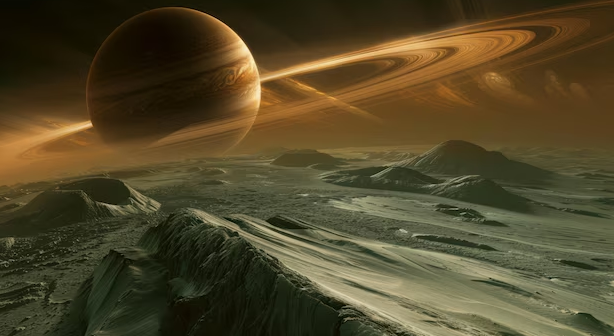
Stanley Miller’s 1953 experiment startled the scientific world by producing amino acids from a mixture of primitive gases and simulated lightning. Decades later, advanced simulations have replicated and extrapolated these results, demonstrating that still additional amino acids can be made under various planetary conditions including those found on Saturn’s largest moon, Titan. These experiments show that amino acids can be formed in groups, becoming more complex with time, and suggest that the window for further prebiotic evolution is narrow because these molecules can quickly degrade or polymerize into lifeless tars.
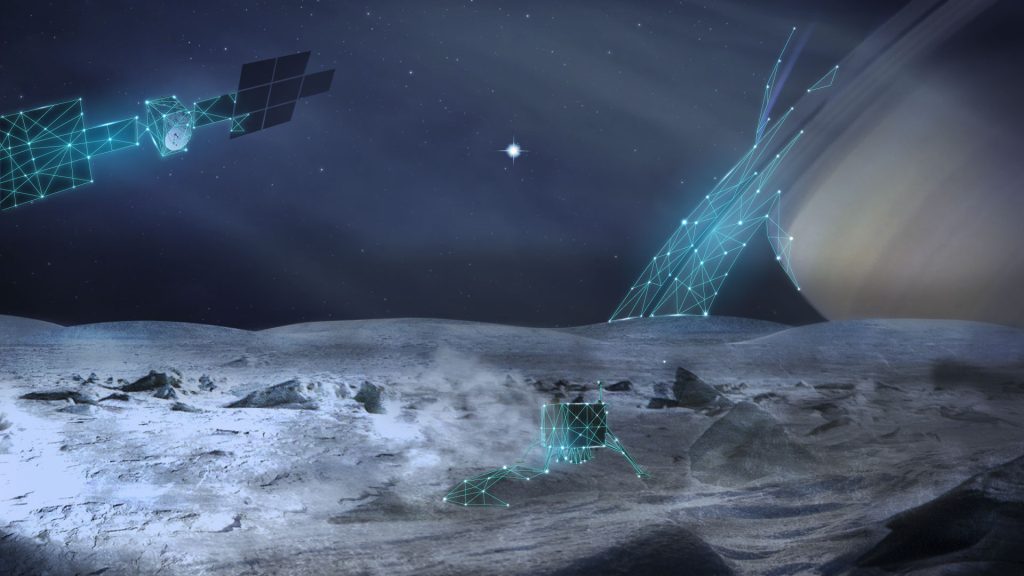
Additionally, the catalytic function of electric discharges, mineral surfaces, and even ice in organic synthesis is better understood. For instance, cold environments can shield delicate molecules and accelerate crucial reactions, leading to the possibility that the icy areas of early Earth or even Jupiter’s and Saturn’s icy satellites were cradles for the origin of life.
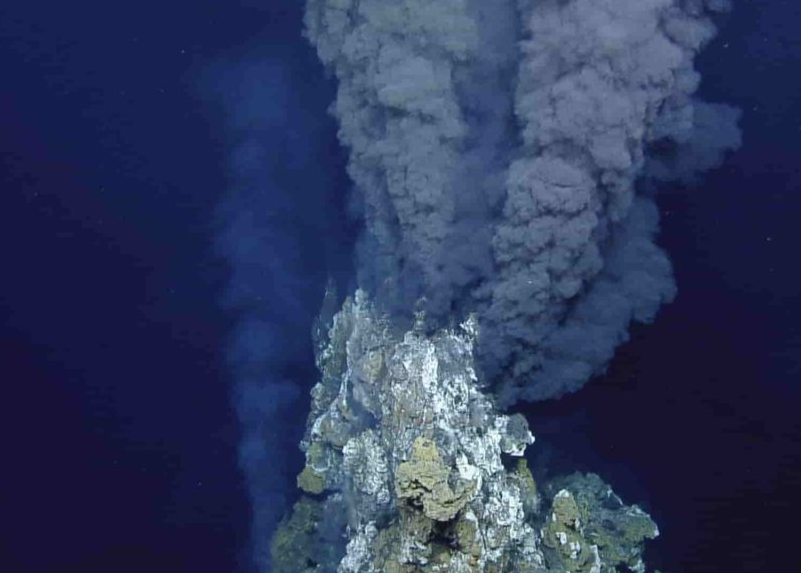
4. Hydrothermal Vents and the Iron-Sulfur World: Energy at the Bottom of the Sea
Hydrothermal vents in deep-sea habitats have emerged as leading contenders for where life emerged. These environments maintain high chemical complexity with dense gradients and rich mineral resources, such as iron and sulfur, capable of catalyzing the synthesis of organic molecules. The hypothesis of an iron-sulfur world postulates that the earliest chemistry of life might have occurred on the surface of these minerals, driving the development of increasingly complex compounds. There is a paradox, however: while vents transfer energy and raw materials, they can also rapidly break up fragile biomolecules.
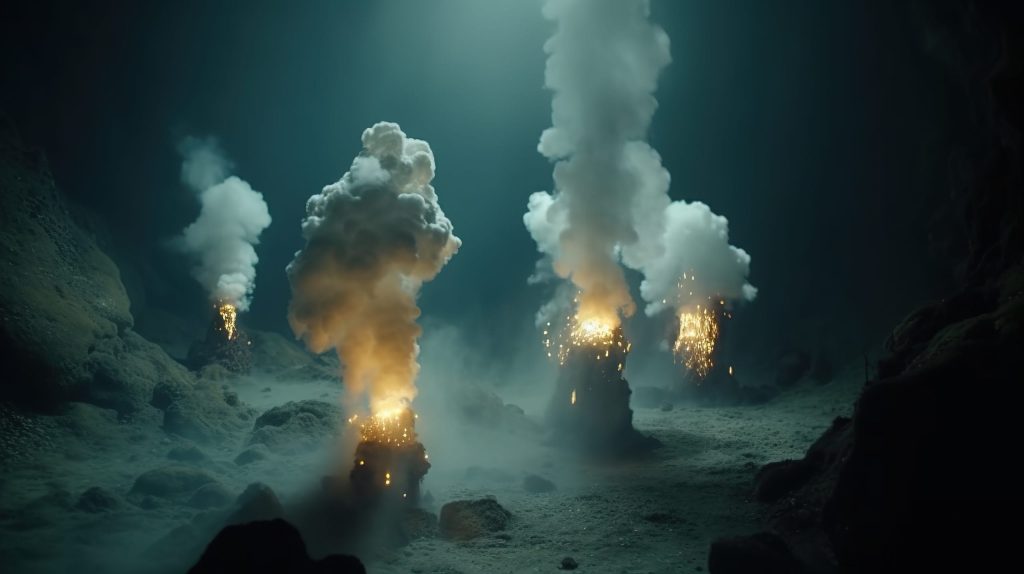
Some researchers indicate off-axis vent cooler settings or mineral pores as holding concentrated and protected molecules, thus resolving this mystery. The presence of extremophiles life existing under these extreme conditions highlights the adaptability of life and provides new prospects for habitats of its origin.

5. The Quest for Life Beyond Earth: Icy Moons and Martian Mysteries
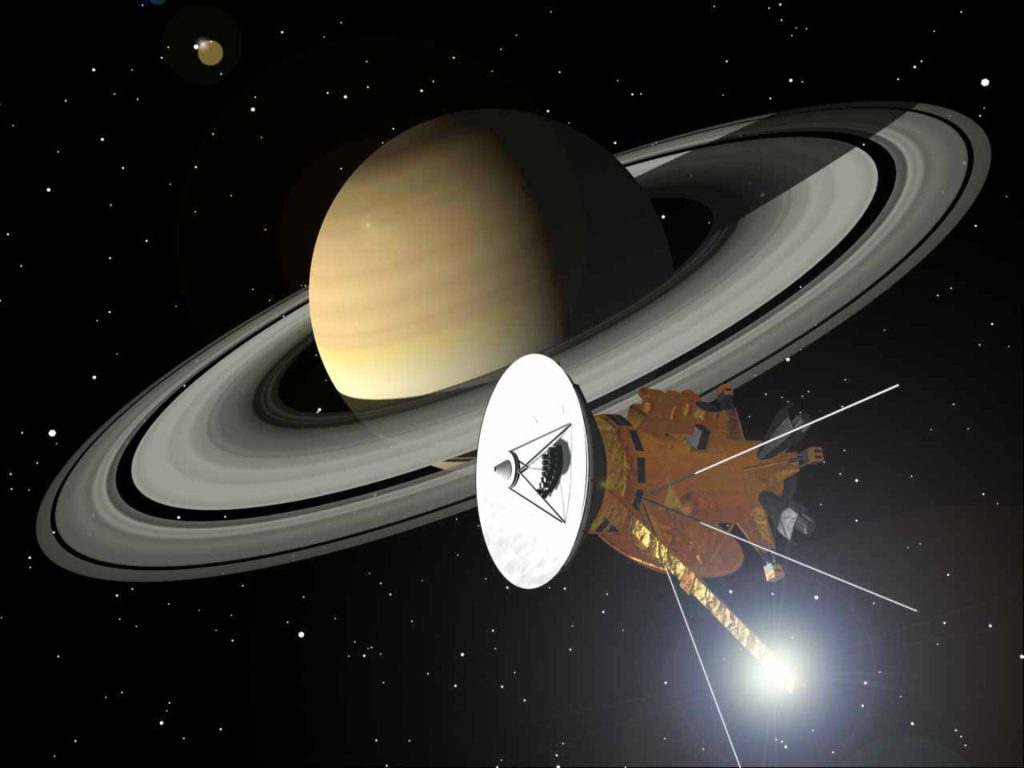
The quest for life has been taken beyond Earth to Jupiter’s and Saturn’s icy moons and Mars. Missions like Cassini have witnessed salty water plumes and organic molecules blasting up from Enceladus, reflecting a subsurface ocean with the recipe for life. Europa Clipper and Dragonfly are poised to search Europa and Titan, hunting for biosignatures in their oceans and atmospheres.
On Mars, NASA’s Perseverance rover is sampling an ancient lakebed for chemical proof of past life. Meanwhile, back here on Earth, life-detection technology such as flow cytometry and mass spectrometry is becoming increasingly able to tell biotic from abiotic material, both here on Earth and in samples from elsewhere in the universe. These missions are guided by a simple principle, as NASA’s Mary Voytek puts it: “As long as there are some basic things like nutrients, water, and energy, we’re going to find life.” The quest to understand life’s origins is evolving from a story of simple beginnings in a primordial soup to a rich tapestry woven from cosmic chemistry, planetary dynamics, and molecular evolution.
Each discovery, in a laboratory beaker or distant asteroid sample, heightens the mystery and contributes to the promise. As science continues to push against the limits of what is possible, one thing is certain: the origin of life is anything but a closed case, but an open frontier beckoning exploration across worlds and disciplines.


